The Paris AtlasCharting the artists, works, and places worth returning to.

Apartment · Madeleine (8th) · 8e arrondissement

102 boulevard Haussmann

The buildingStill standing
Getting inOutside only
What's there nowA building

A private building; the flat is not open to visitors. The room's contents survive at the Musée Carnavalet, which has reassembled the cork-lined bedroom.

The flat where Marcel Proust wrote most of In Search of Lost Time, in a bedroom he had lined with cork to keep the noise of the boulevard out. He moved in on 27 December 1906, after his parents' deaths, and stayed thirteen years. The room itself is now reassembled at the Musée Carnavalet.

Address
102 boulevard Haussmann, 75008 Paris
Years
Proust lived here from December 1906 to 1919
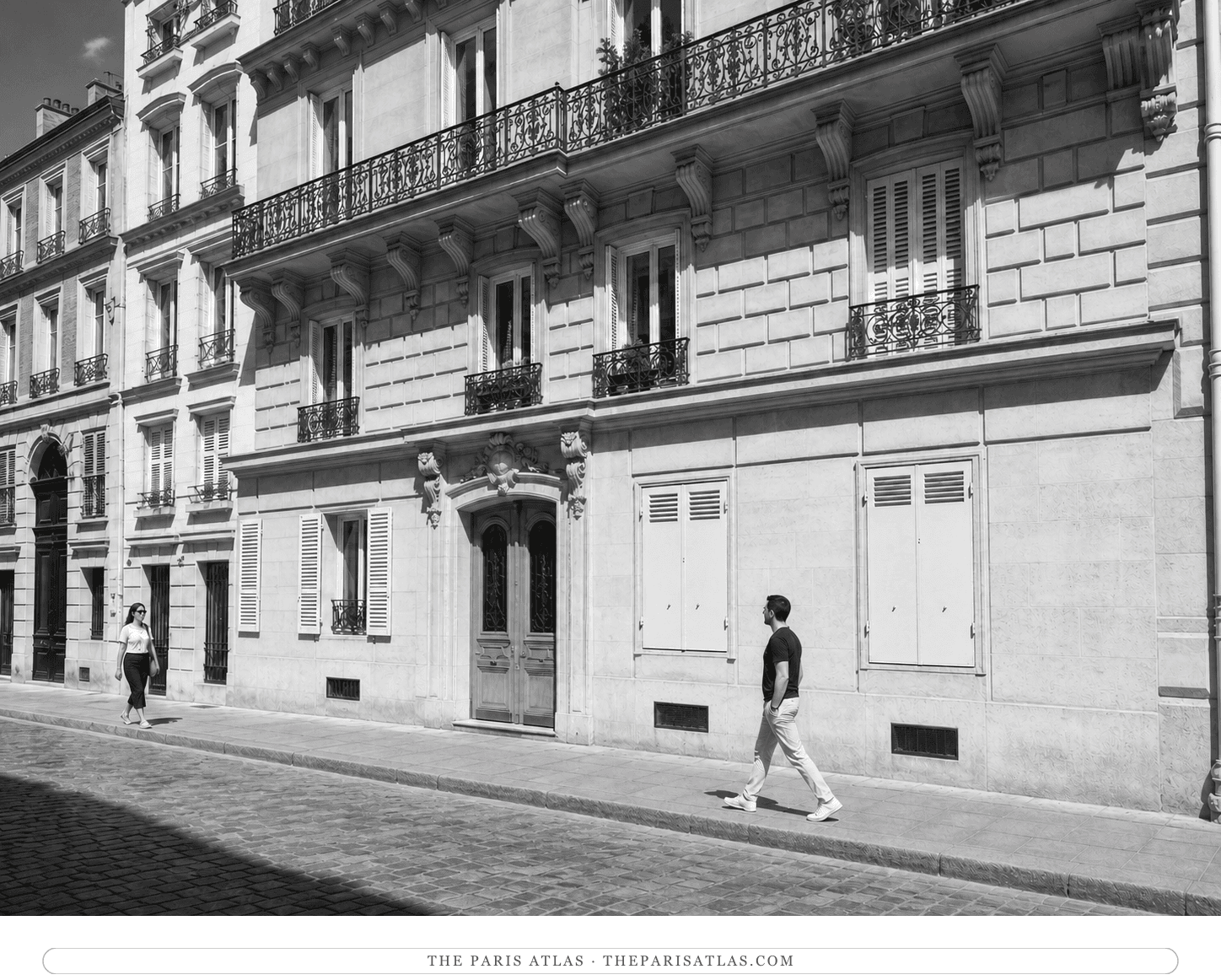
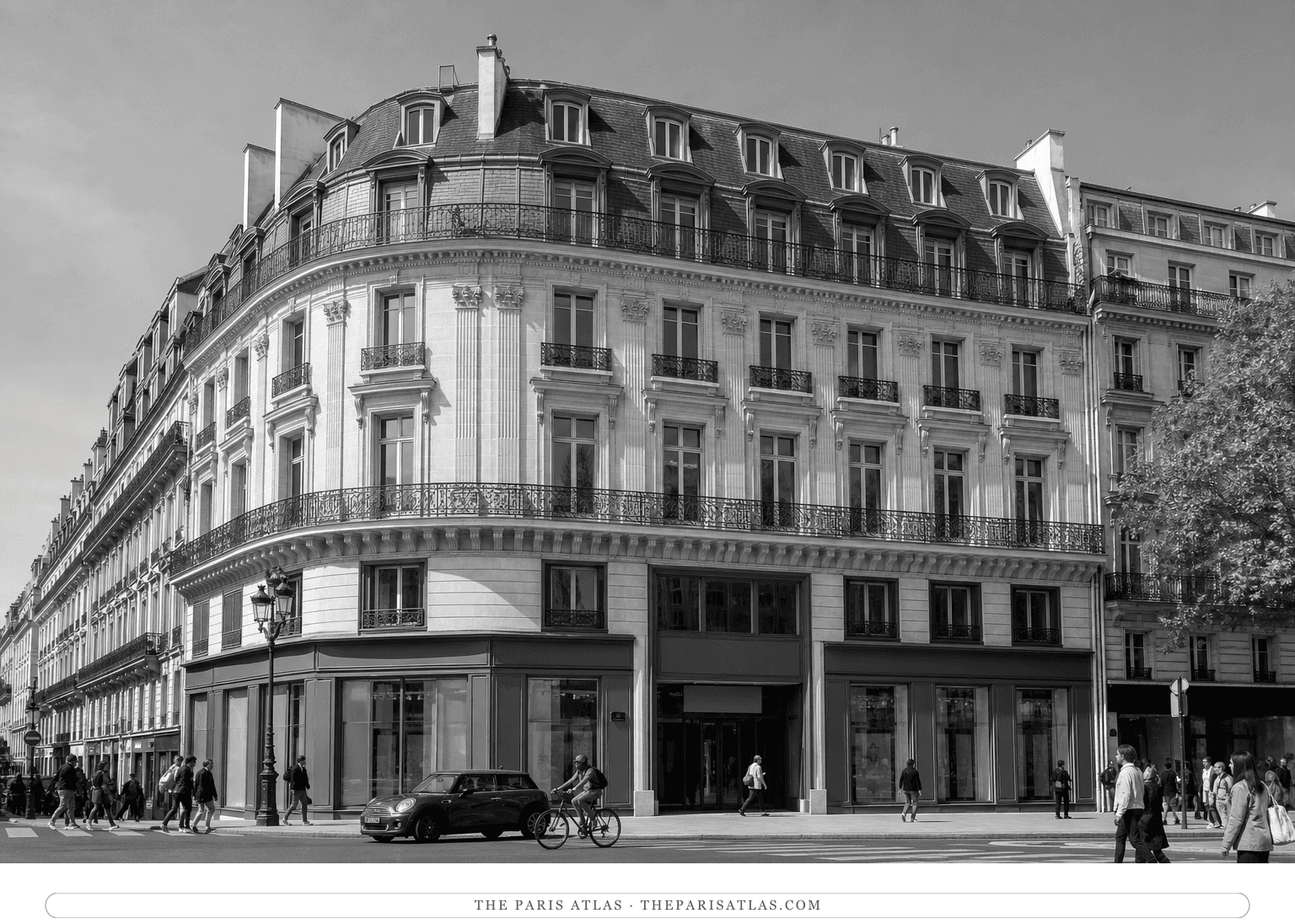
IllustrationBright color view of the pale stone apartment building at 102 boulevard Haussmann

A close contemporary exterior; the former apartment is not open to visitors.

Editorial illustration

The place, briefly

Marcel Proust moved into 102 boulevard Haussmann on 27 December 1906. Both his parents were dead — his father in 1903, his mother in 1905 — and the move was into a building his family already had connections to, in the eighth arrondissement he had grown up in.[1]

He stayed thirteen years, and in that time he became the writer everyone means by his name. The great work of In Search of Lost Time was conceived and largely written here.[1]

The cork is the detail everyone knows and it deserves explaining, because it was not an affectation. Proust's asthma was severe and his sleep was inverted — he worked at night and slept through the day — and the boulevard Haussmann is a wide, loud Haussmannian street with traffic on it at all hours. So he had the bedroom walls lined with cork to deaden the sound, kept the curtains shut, and wrote in bed.[2]

The result was one of the most extreme working arrangements in literature: a man in his thirties and forties, indoors, largely nocturnal, reconstructing an entire society from memory in a sealed room a few metres from one of the busiest streets in Paris. The novel's obsession with time and recall was written by someone who had removed himself from both daylight and noise in order to do it.[2]

In early 1919 the building was sold, and he had to leave. He moved to 44 rue de l'Amiral-Hamelin, which he called an ignoble hovel, and died there in 1922.[1]

The flat is private and there is nothing to see from the street but the façade. The room, however, survives: the Musée Carnavalet holds and displays Proust's bedroom — the furniture and the cork — reassembled, which is as close as anyone can now get to standing in it.[3]

Key facts

Moved in
27 December 1906, after both parents' deaths
How long
Thirteen years
What was written here
Most of In Search of Lost Time
The cork
Lining the bedroom walls to deaden the noise of the boulevard
Why
Severe asthma, and a nocturnal working pattern
Why he left
The building was sold in early 1919
Where the room is now
Reassembled at the Musée Carnavalet
Access
Private building — exterior only
The private Haussmannian building where Proust lived from 1906 to 1919, viewed from the public boulevard.Editorial illustration
A close contemporary exterior; the former apartment is not open to visitors.Editorial illustration
Historically informed reconstruction of the address shortly after Proust moved in.Artistic reconstruction
People, vehicles and street activity are interpretive; Marcel Proust is not depicted.Artistic reconstruction
The lively public boulevard provides context for Proust's deliberately insulated room.Editorial illustration
A cautious reconstruction of the documented cork-lined working bedroom; placement and small objects are interpretive.Artistic reconstruction
A plausible adjoining service room with invented staff and unreadable papers; no known person is depicted.Artistic reconstruction

Timeline

  1. 1903

    Proust's father dies.

  2. 1905

    His mother dies.

  3. 27 December 1906

    Proust moves into 102 boulevard Haussmann.

  4. 1907–1919

    He writes most of In Search of Lost Time in the cork-lined bedroom.

  5. 1919

    The building is sold and he moves to 44 rue de l'Amiral-Hamelin.

On the map

Questions before you go

Where did Proust write In Search of Lost Time?

Mostly at 102 boulevard Haussmann in the 8th arrondissement, where he lived from December 1906 for thirteen years. He worked in bed, at night, in a bedroom whose walls he had lined with cork.

Why did Proust line his room with cork?

To keep the noise out. His asthma was severe and he had inverted his hours, sleeping by day and writing at night, while the boulevard Haussmann carried traffic at all hours. Cork on the walls deadened the sound. It was a practical measure, not an eccentricity.

Can you visit Proust's cork-lined room?

Not at the flat — 102 boulevard Haussmann is a private building and only the façade is visible. But the room itself was preserved: the Musée Carnavalet holds and displays Proust's bedroom, furniture and cork reassembled, which is the closest anyone can get to it now.

Why did Proust leave the boulevard Haussmann?

He had no choice — the building was sold in early 1919. He moved to 44 rue de l'Amiral-Hamelin in the 16th, a flat he described as an ignoble hovel, and died there on 18 November 1922.

Writers who knew this place

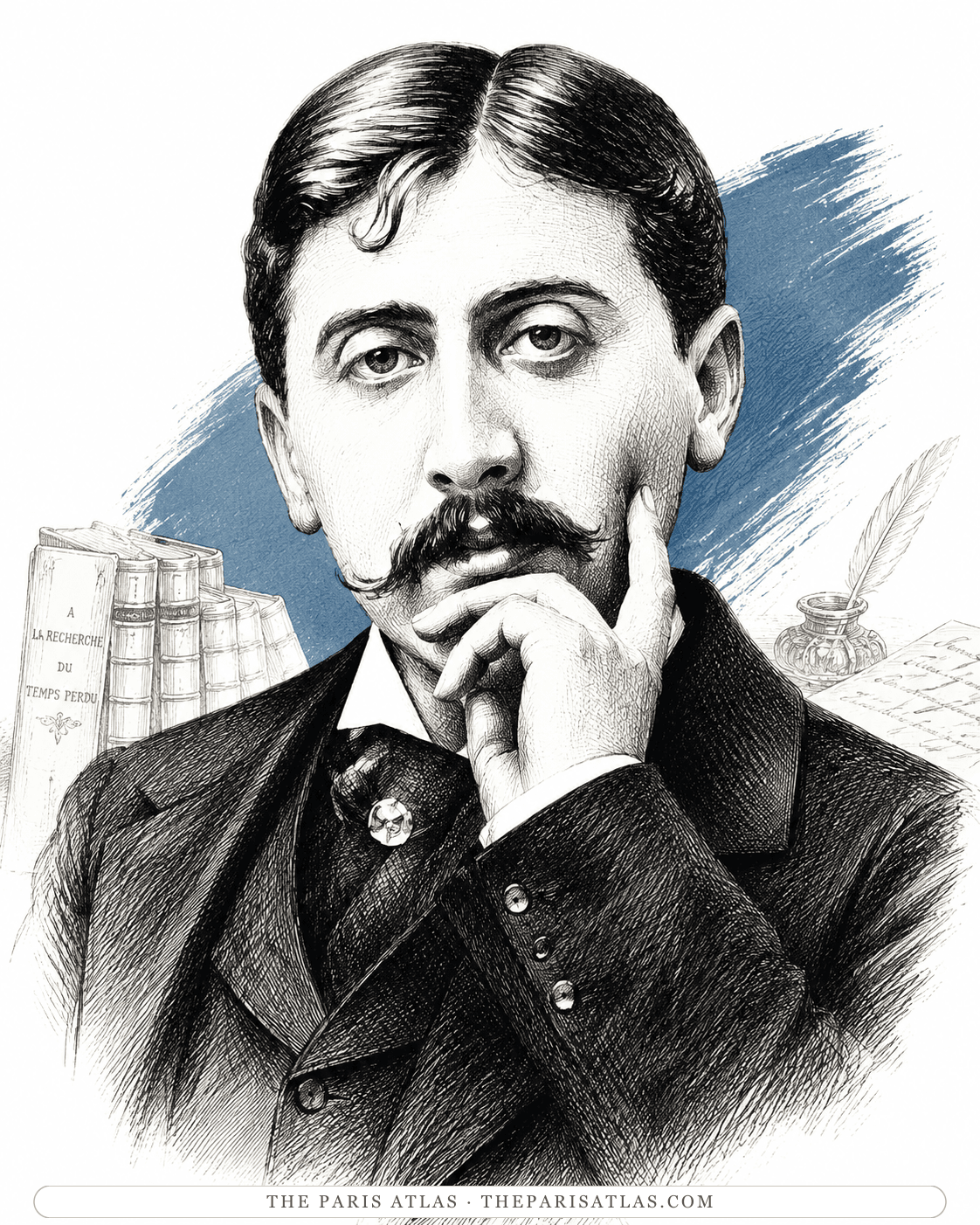
Illustrated portrait of Marcel Proust

Marcel Proust

French · French novelist of the seven-volume In Search of Lost Time, written at night in a cork-lined room — the book that made memory itself the story.

Lived here · 1906–1919

Proust moved in on 27 December 1906, after both his parents had died, and stayed thirteen years. He had the bedroom walls lined with cork against the noise of the boulevard, inverted his hours to write at night, and produced most of In Search of Lost Time in that room. The room's contents are now reassembled at the Musée Carnavalet.

— Balade du côté de chez Proust

Within walking distance

References

References

The sources below include histories, archival materials, scholarly research, and official records that informed this page. They document 102 boulevard Haussmann, the people connected to it, and its place in Paris.

  1. 1abcProust Ink — Marcel Proust chronology (ed. William C. Carter)

    Website
    Used for

    Web source consulted for documented facts and historical context presented on the 102 boulevard Haussmann page.

    View source
  2. 2abChambre de Marcel Proust

    Website
    Musée Carnavalet — Histoire de Paris
    Used for

    The Musée Carnavalet on the reassembled bedroom it holds.

    View source
  1. 3↑Balade du côté de chez Proust

    Website
    Ville de Paris
    Used for

    The city's Proust walk: the 27 December 1906 move, the thirteen years, the cork-lined bedroom, and the 1919 departure.

    View source
  2. 4OpenStreetMap

    Map data
    Used for

    Map data used to verify addresses, geographic coordinates, and the placement associated with 102 boulevard Haussmann.

    View source
i
Why these sources are here

These references provide the documented foundation for this page's history and context. Claim-level citations remain attached to the specific claims they support.

Explore more resources

Newsletter

Paris, one address at a time.

The cafés, studios, and walk-up flats where the work was made — one story from the map in every letter.

Unsubscribe anytime.