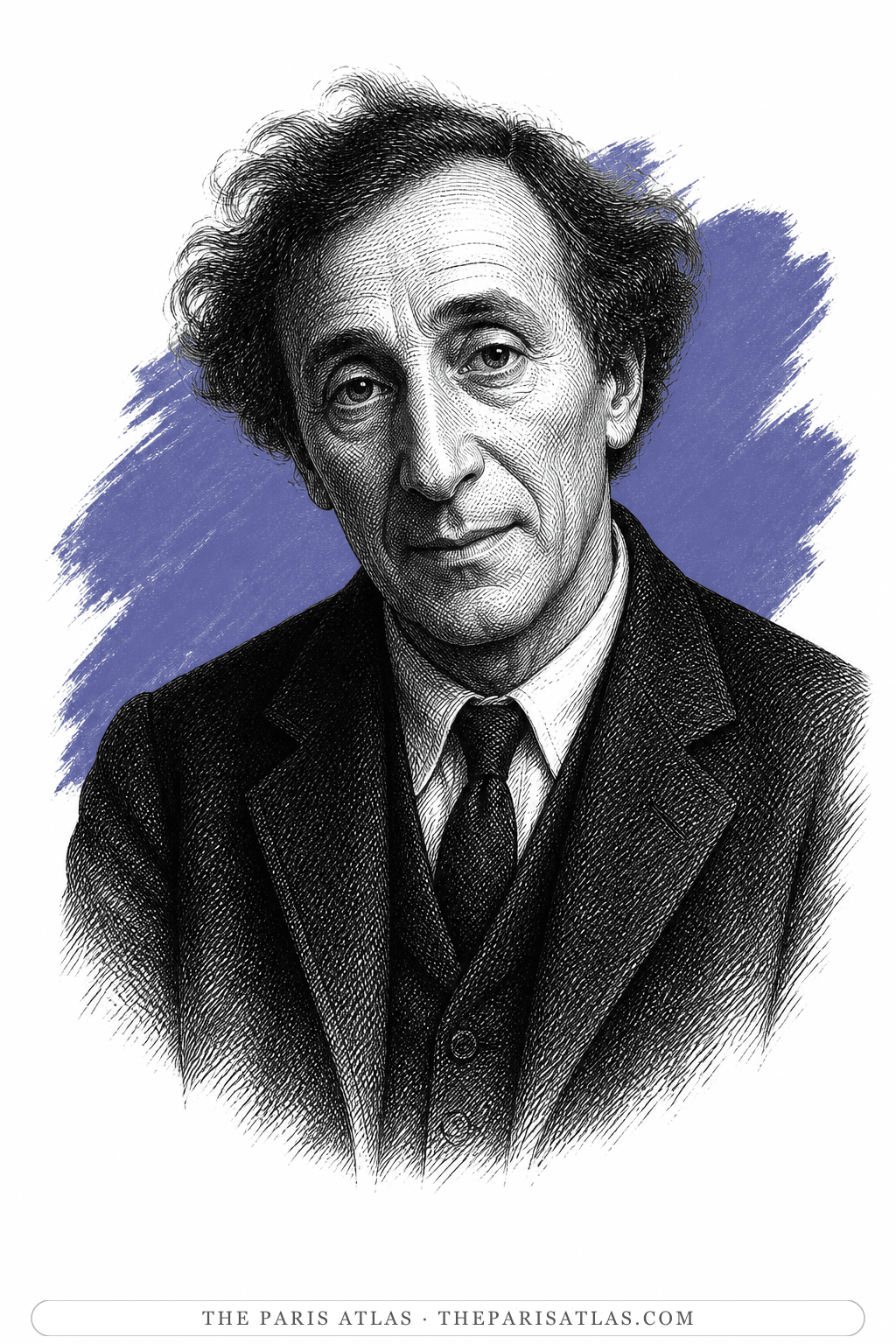
Marc Chagall
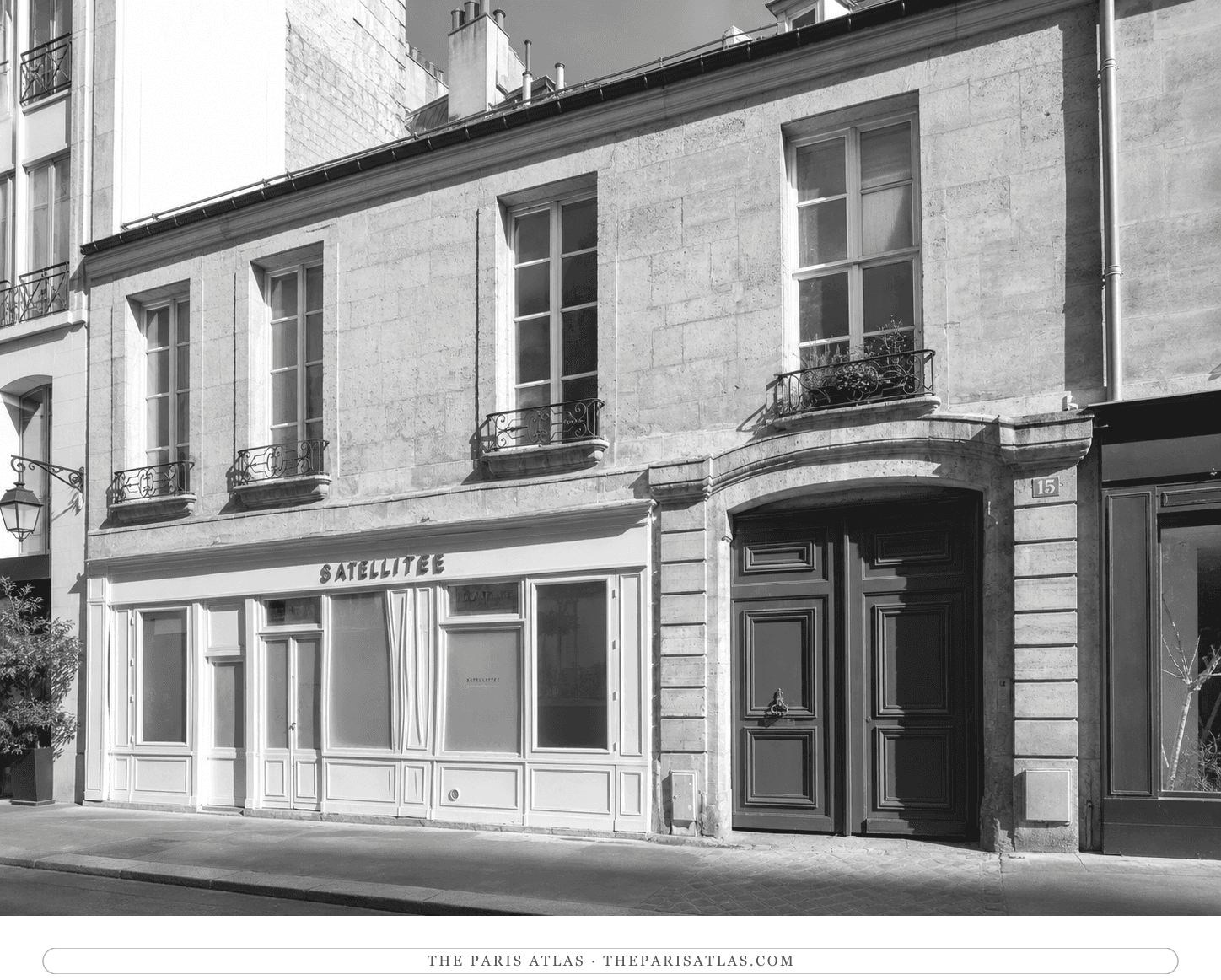
Madeleine Castaing's shop and salon on the rue du Cherche-Midi belonged to the interwar collecting world Chagall moved in. Her painter was Chaim Soutine, who had been his neighbour at La Ruche.
The shop and salon of Madeleine Castaing, the decorator and collector who kept Chaïm Soutine alive on a stipend and whose rooms Marc Chagall passed through in the interwar years.
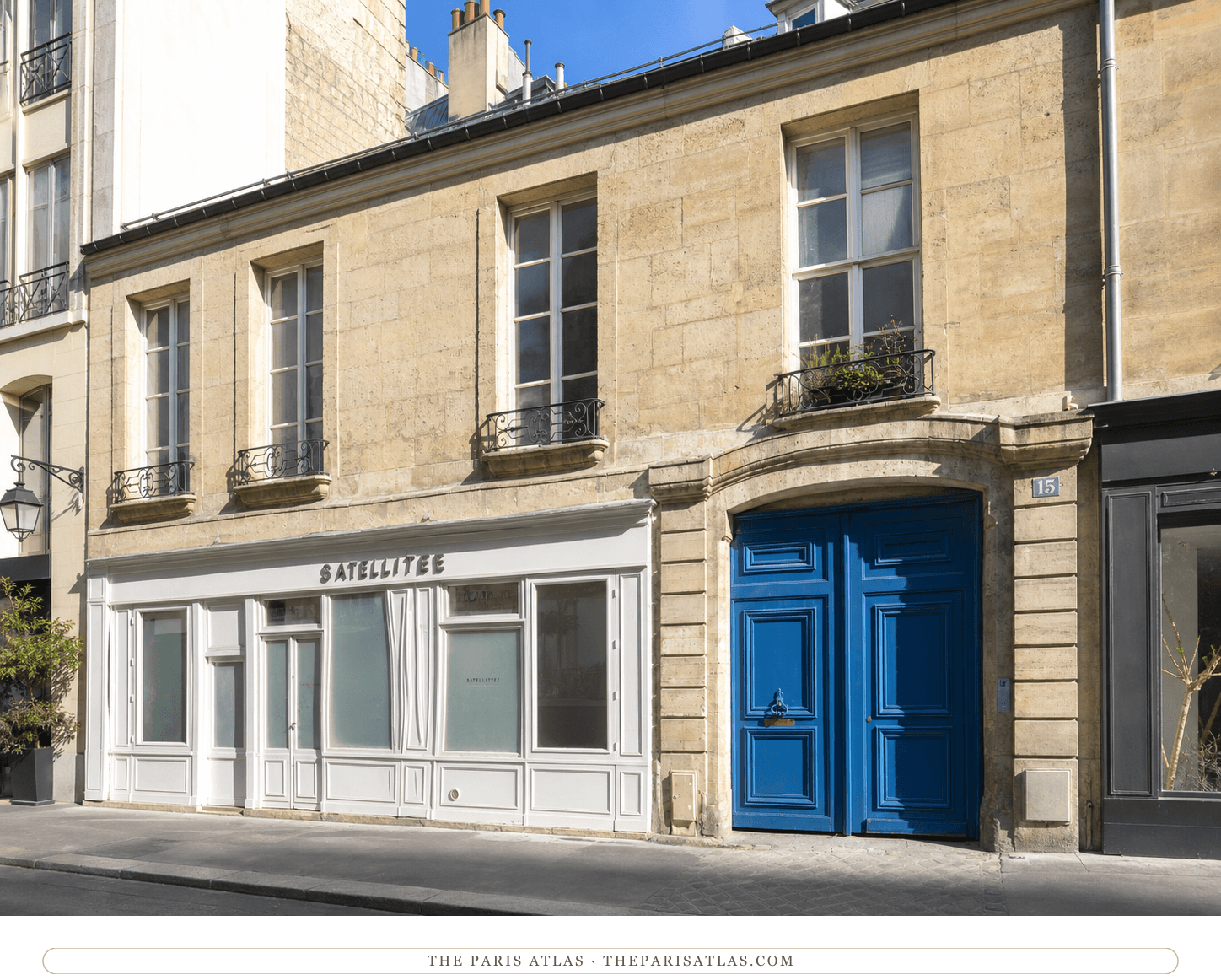
Madeleine Castaing was a decorator whose interiors — leopard-print carpet, blue-green walls, Napoleon III furniture used without irony — became one of the most imitated looks of the twentieth century. She was also a serious collector and patron, and her shop on the rue du Cherche-Midi functioned as a salon.[1]
The combination of shop and salon dissolved a boundary that conventional art histories often keep firm. Furniture, wall colour, carpets, paintings and the people who made or bought them were encountered in one composed interior. Castaing did not treat modern painting as an isolated object for a white gallery wall; she placed it inside an argument about how a room could look and how older styles could be reused without becoming period imitation.[1]
Her central relationship was with Chaïm Soutine. She and her husband Marcellin supported him for years, took him into their house in the country, and assembled the largest private group of his paintings. Soutine had been Marc Chagall's neighbour a decade earlier at La Ruche, and the two men's circles kept overlapping.[2]
Support meant sustained material help rather than a single purchase. The Castaings bought deeply, provided money and shelter, and stayed attached to work many viewers found difficult. That commitment preserved a body of Soutine paintings within one collection and gave the artist periods of security rarely available during his earlier Montparnasse poverty.[2]
Chagall belonged to that world in the interwar years — the collectors, the dealers, the decorators with money and taste who were buying the work of the École de Paris while the official institutions were still ignoring it.[3]
His connection to this address is a network connection rather than a claim that the room was a principal Chagall studio or gallery. Chagall and Soutine had shared the immigrant artists' world around La Ruche; by the interwar years their work circulated through increasingly affluent private rooms. The move from cold atelier to designed salon describes a change in reception even when the artists' biographies diverged.
Private collectors mattered particularly for artists grouped under the loose label École de Paris, many of whom were foreign-born and Jewish. Their work could be celebrated in sophisticated circles while national belonging remained precarious. Chagall did not obtain French citizenship until 1937 and was forced into exile four years later; social success did not guarantee protection.[4]
The shop has gone. The rue du Cherche-Midi is still a street of antique dealers, which is a kind of continuity.[1]
No Castaing interior survives at number 15 as a public room. The façade and the commercial character of the street remain, but the present premises should not be described as her salon. The appropriate stop is exterior, followed by the nearby Montparnasse addresses that supplied the artists her circle later collected.
Castaing's taste challenged the idea that modernity required rejecting the nineteenth century. She combined deliberately unfashionable furniture, patterned surfaces and unusual colours with paintings whose distorted bodies and intense handling were unmistakably modern. The result was not historical preservation but active composition. Collecting Soutine and arranging rooms belonged to the same visual intelligence.
That approach helped artworks live beyond the dealer's showroom. A painting encountered among books, chairs and conversation entered the social habits of owners and guests. For Chagall and other École de Paris artists, such domestic display could build acceptance before museums offered sustained representation. Salons converted private enthusiasm into networks of recommendation, loans and further purchases.
The address also restores women as makers of artistic reputation rather than decorative background. Madeleine and Helena Rubinstein used independent fortunes, businesses and judgement to create rooms where modern art was selected and discussed. Their methods differed, but both shaped the audience that foreign-born painters found in interwar Paris. Naming the host and the economics of the room prevents patronage from becoming invisible hospitality.
Present-day antique dealing on rue du Cherche-Midi is contextual continuity, not survival of Castaing's exact shop. Stock, ownership and interiors have changed. Number 15 is a building on a public commercial street, viewed from outside unless a current business independently welcomes customers. The historic salon is documented rather than recreated, and no private area should be treated as accessible because of its former use.
Soutine provides the strongest bridge between the shop and Chagall's world. The two artists shared the poverty and immigrant networks of early Montparnasse, yet their mature work and fortunes were distinct. Castaing's extraordinary commitment to Soutine shows how one collector could alter an artist's material life and posthumous visibility. Chagall's presence in the broader circle should not appropriate that relationship; instead, it shows how the same Paris network linked former studio neighbours to decorators and wealthy interiors years later. The address maps circulation and patronage, not a claim that every person used the room in the same way.
That distinction keeps the page useful without overstating Chagall's direct role at the shop.
The Castaing shop and salon operate on the rue du Cherche-Midi.
Soutine dies; the Castaing collection of his work is the largest in private hands.
A decorator, collector and patron whose Left Bank shop doubled as a salon. She and her husband supported Chaïm Soutine for years and owned the largest private collection of his paintings.
Madeleine Castaing's shop and salon on the rue du Cherche-Midi belonged to the interwar collecting world Chagall moved in. Her painter was Chaim Soutine, who had been his neighbour at La Ruche.

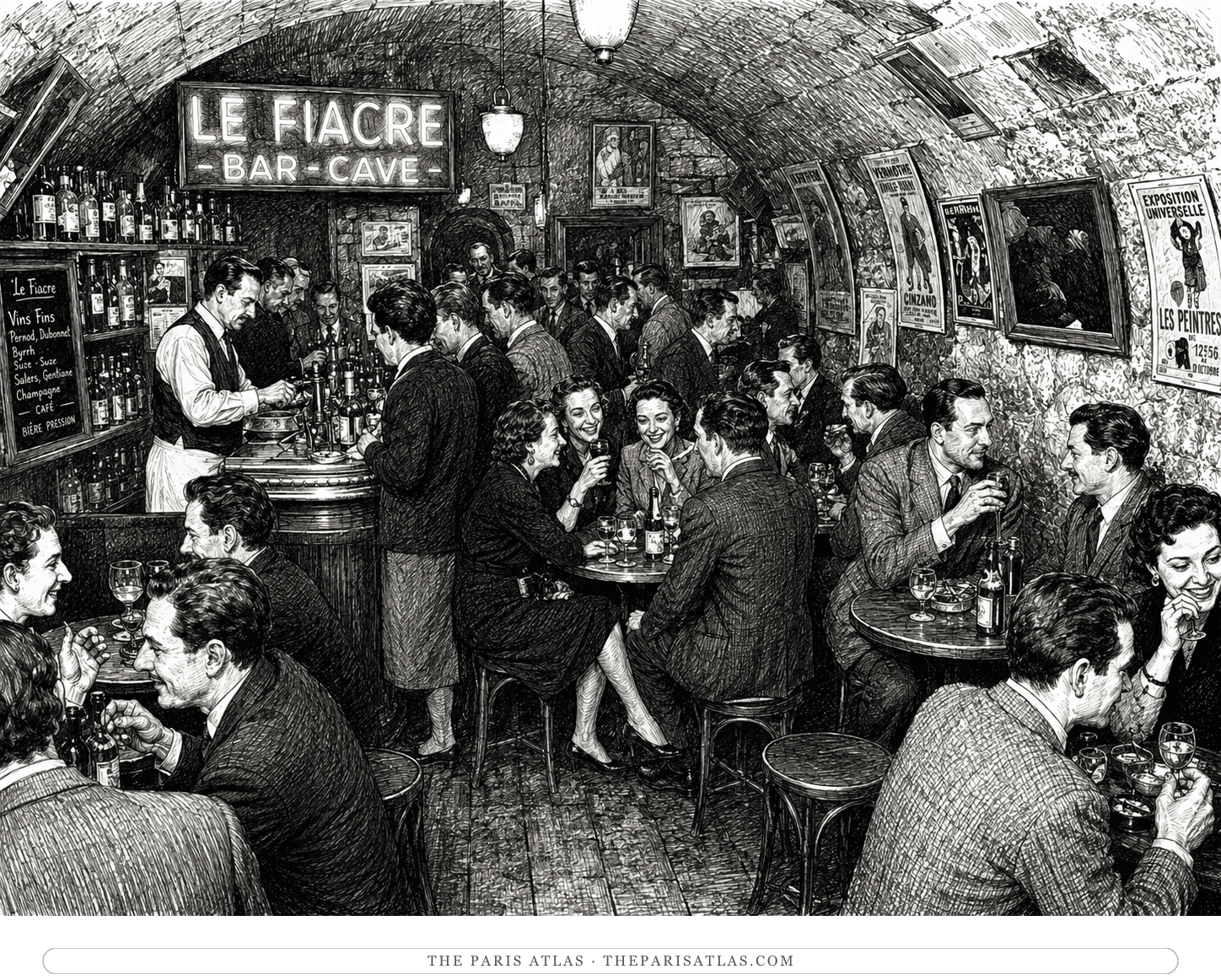
The restaurant-above, bar-below house on the rue du Cherche-Midi that became the centre of gay Paris in the 1950s, and one of two bars named as models for Guillaume's bar in Giovanni's Room.
Visit the place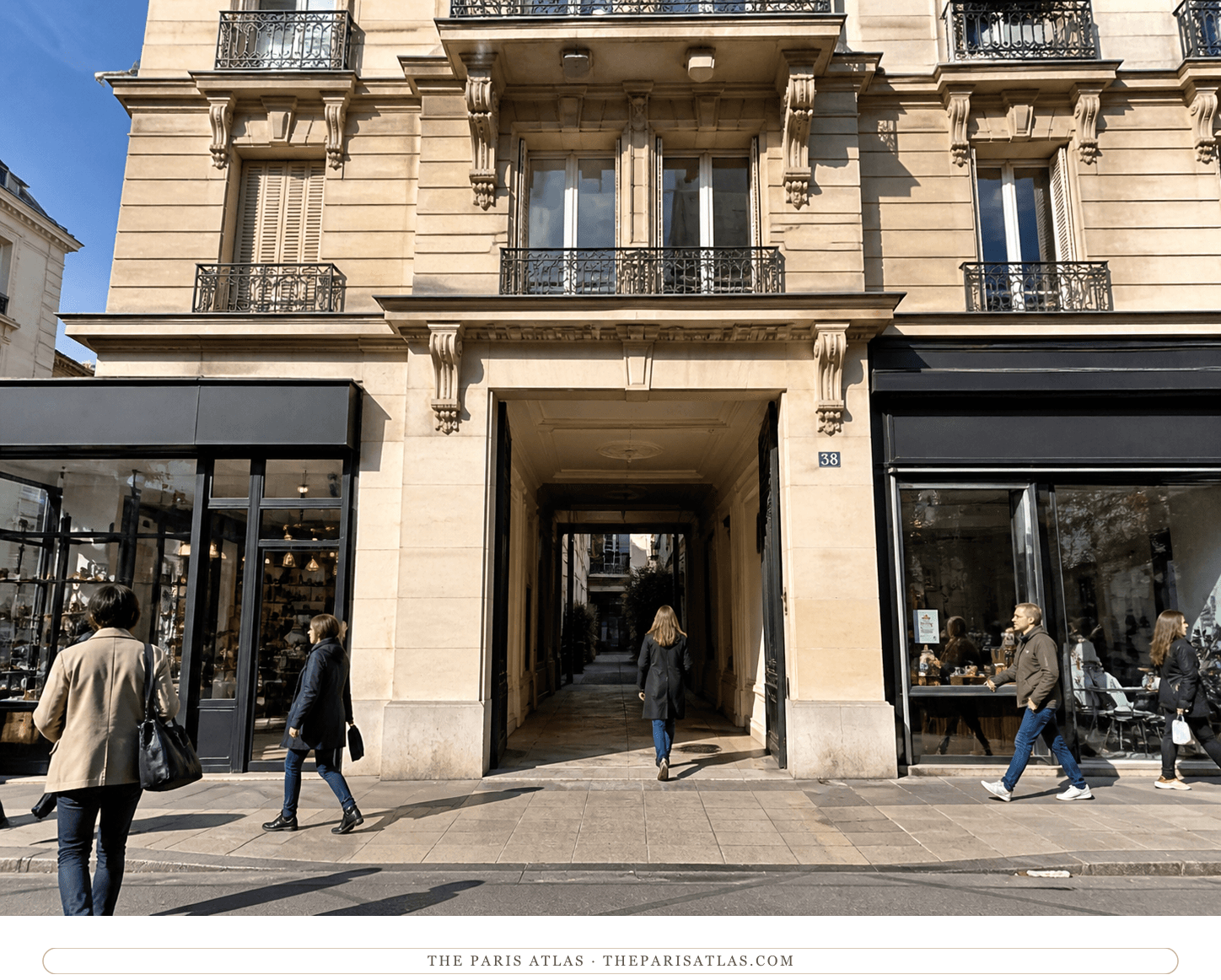
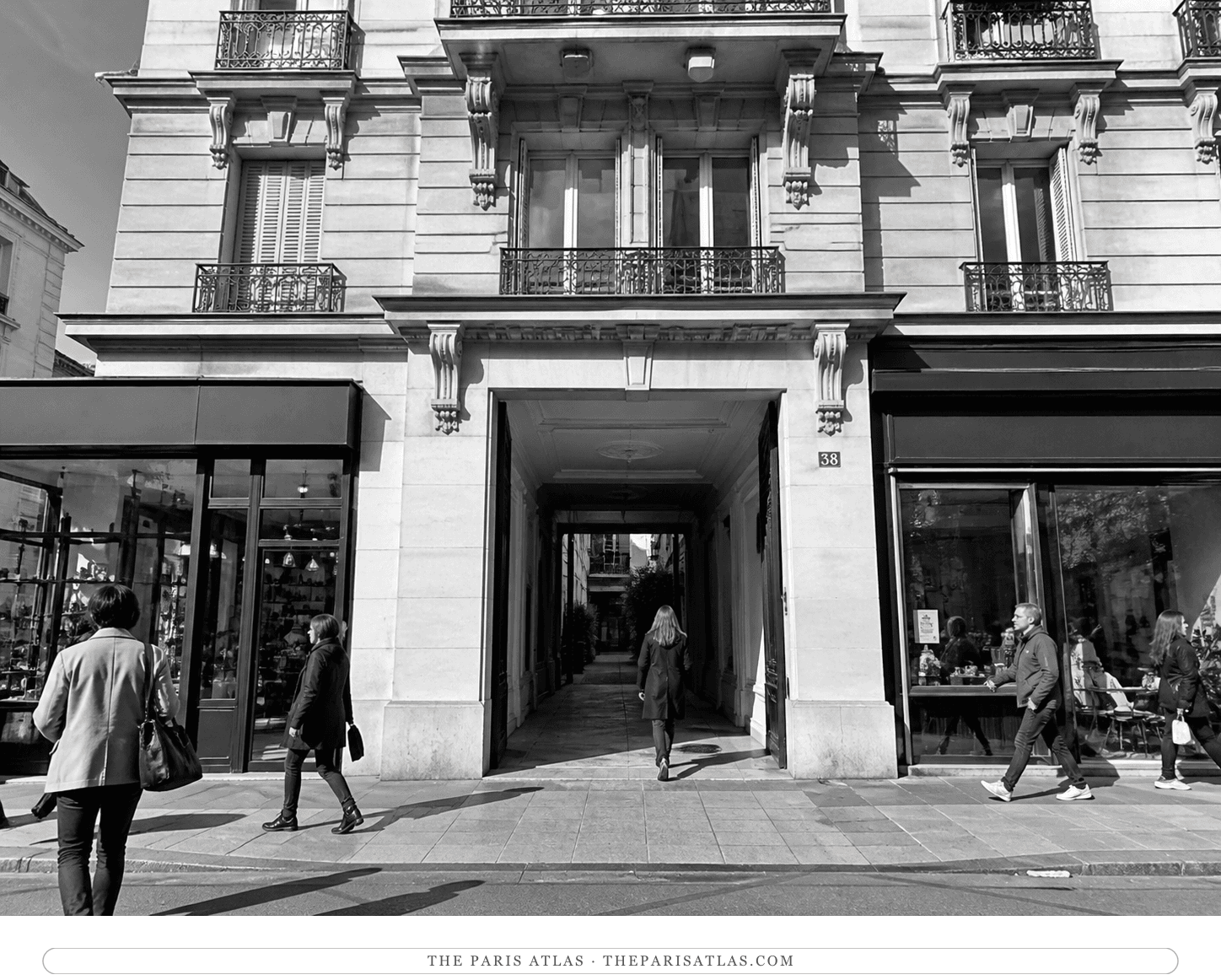
A small theatre at 38 boulevard Raspail, founded by Jean-Marie Serreau in 1952 and gone within a few years. On 5 January 1953 it staged the first performance of Samuel Beckett's En attendant Godot, directed by Roger Blin — the night modern theatre changed.
Visit the place
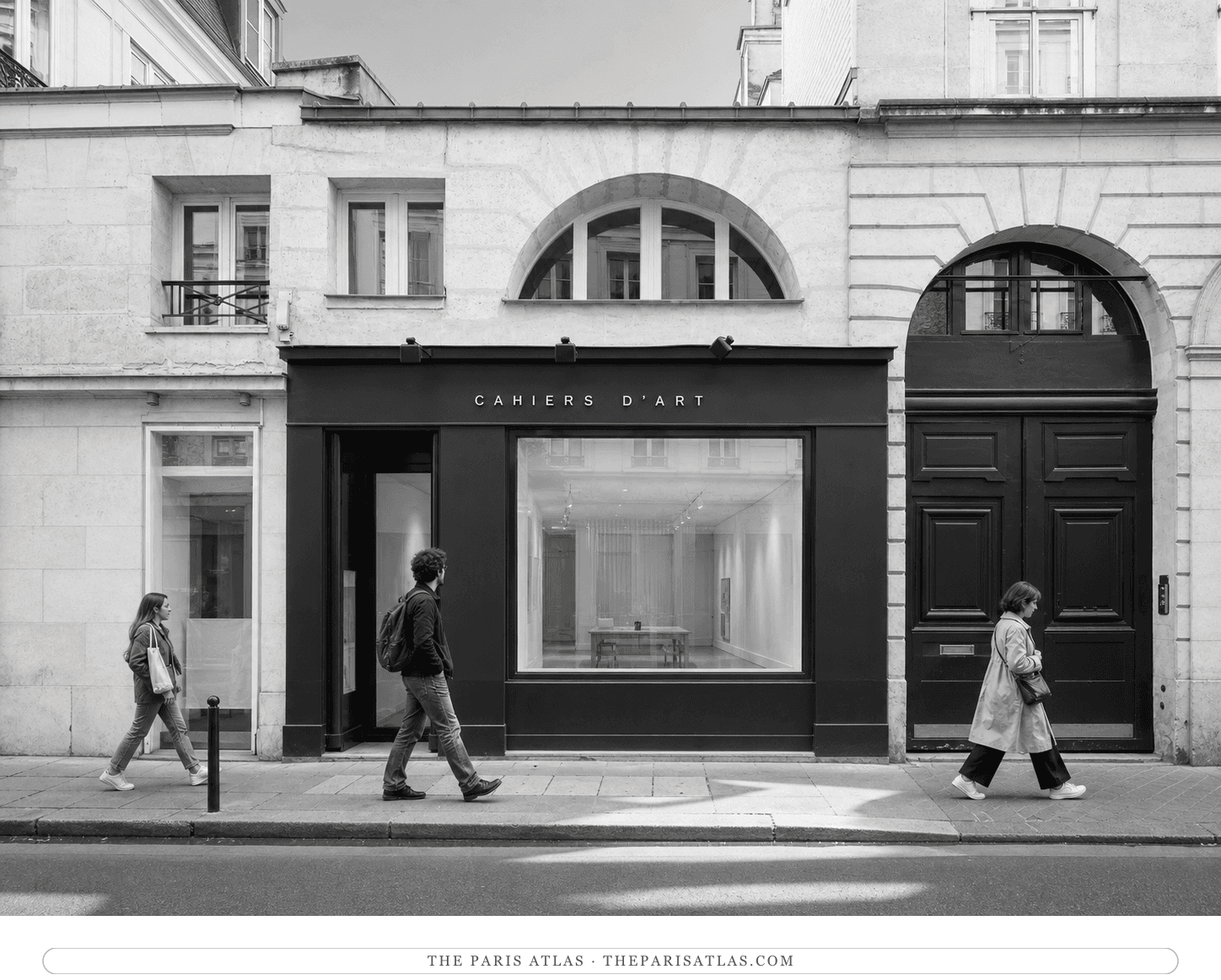
Christian Zervos's hybrid of art magazine, publishing house and gallery on the rue du Dragon, where Kandinsky showed watercolours in 1935 — and where the Picasso catalogue raisonné was compiled.
Visit the place
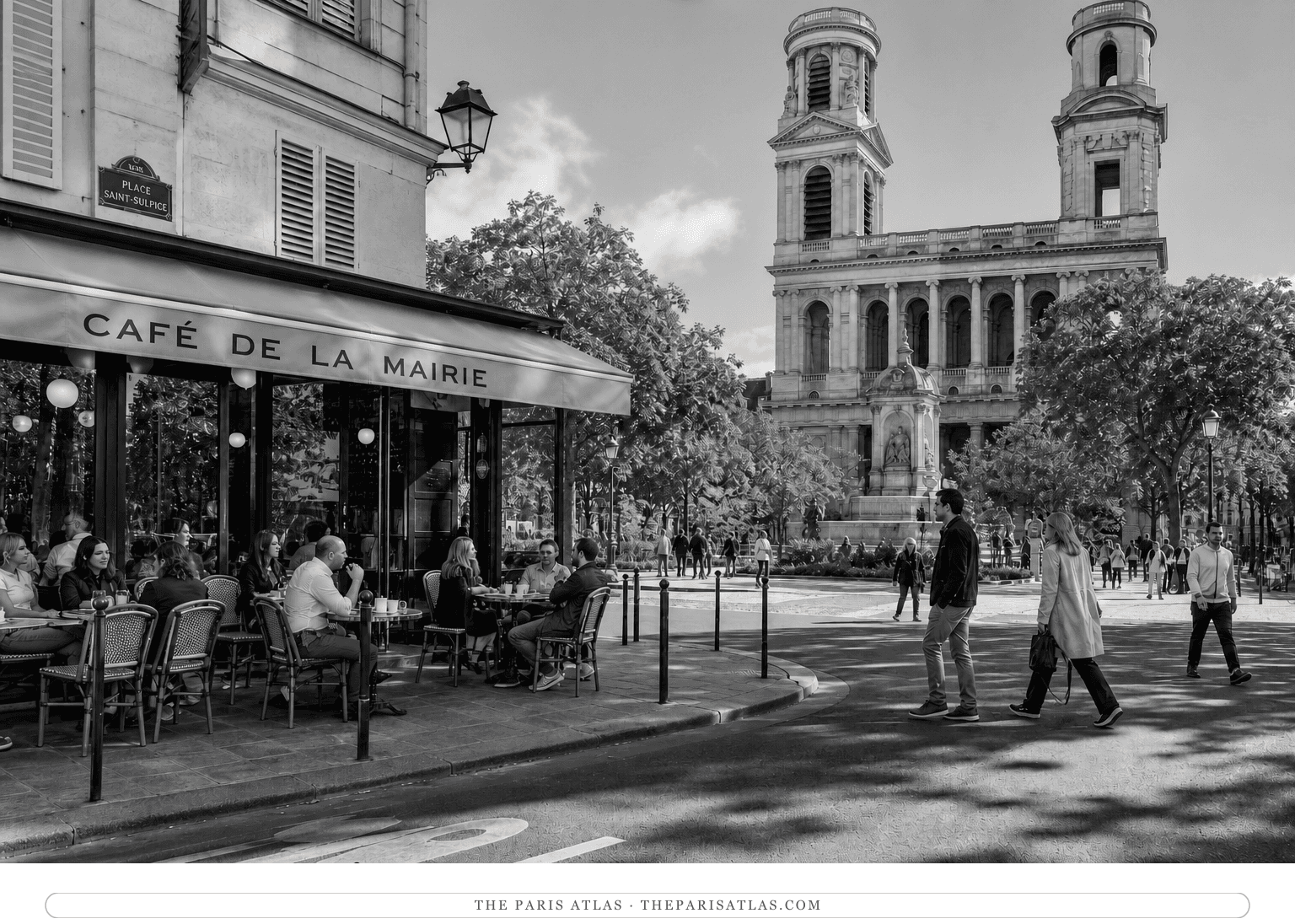
The café on the place Saint-Sulpice that appears in the Paris geography of Djuna Barnes's Nightwood — and which is still, unremarkably, a café.
Visit the placeThe sources below include histories, archival materials, scholarly research, and official records that informed this page. They document Madeleine Castaing's salon, 15 rue du Cherche-Midi, the people connected to it, and its place in Paris.

Web source consulted for documented facts and historical context presented on the Madeleine Castaing's salon, 15 rue du Cherche-Midi page.
Web source consulted for documented facts and historical context presented on the Madeleine Castaing's salon, 15 rue du Cherche-Midi page.
Web source consulted for documented facts and historical context presented on the Madeleine Castaing's salon, 15 rue du Cherche-Midi page.

Contemporary reporting or criticism used to document the historical reception and context of Madeleine Castaing's salon, 15 rue du Cherche-Midi.
These references provide the documented foundation for this page's history and context. Claim-level citations remain attached to the specific claims they support.
 Explore more resources
Newsletter
The cafés, studios, and walk-up flats where the work was made — one story from the map in every letter.