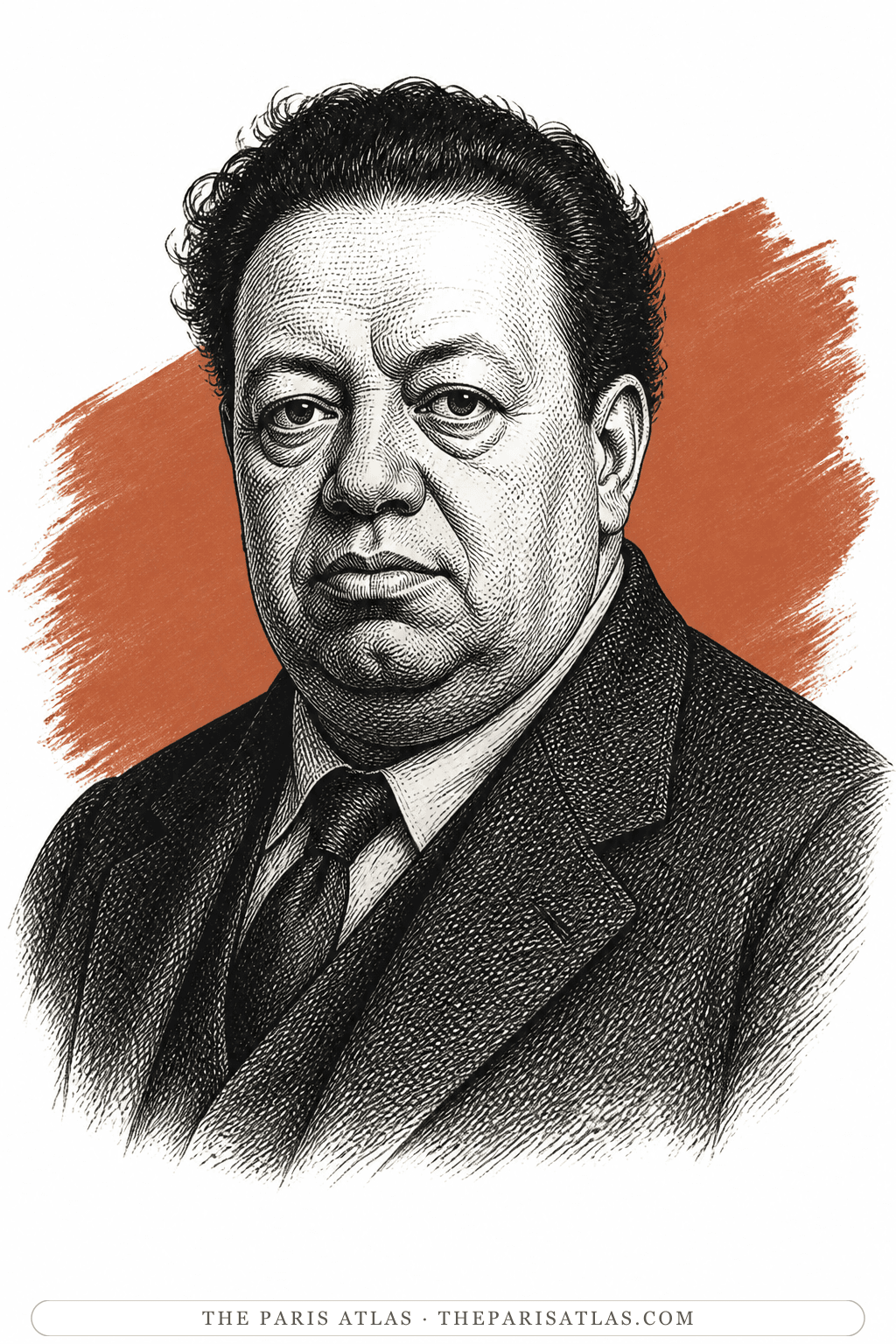
Diego Rivera
Rivera and Angelina Beloff moved to the Montparnasse studio in autumn 1912. The address appears in contemporary exhibition records and the view from its windows entered Rivera’s Paris paintings.
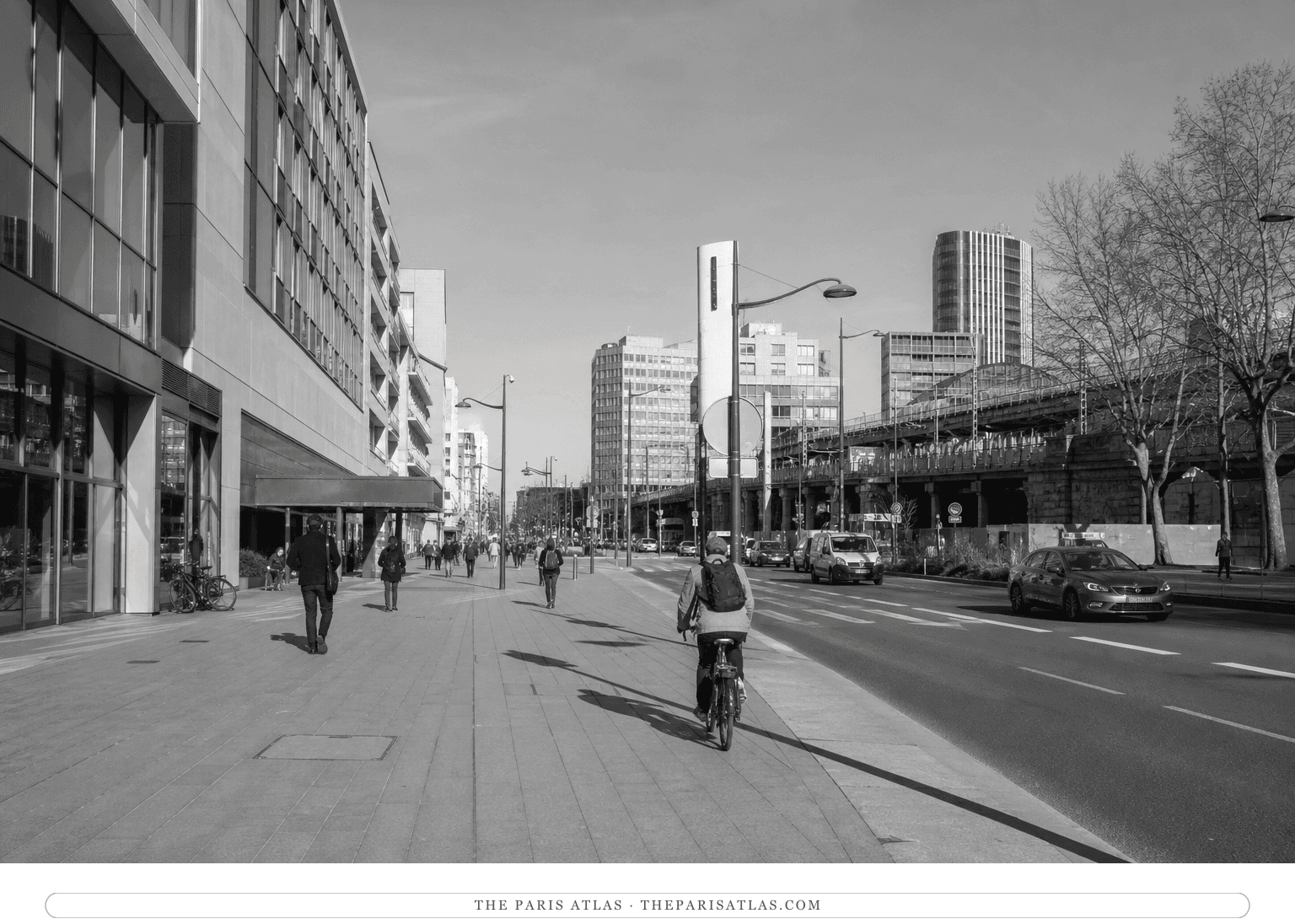
The demolished Montparnasse studio building where Diego Rivera and Angelina Beloff lived from 1912 to 1919 and Piet Mondrian worked before and after the First World War.
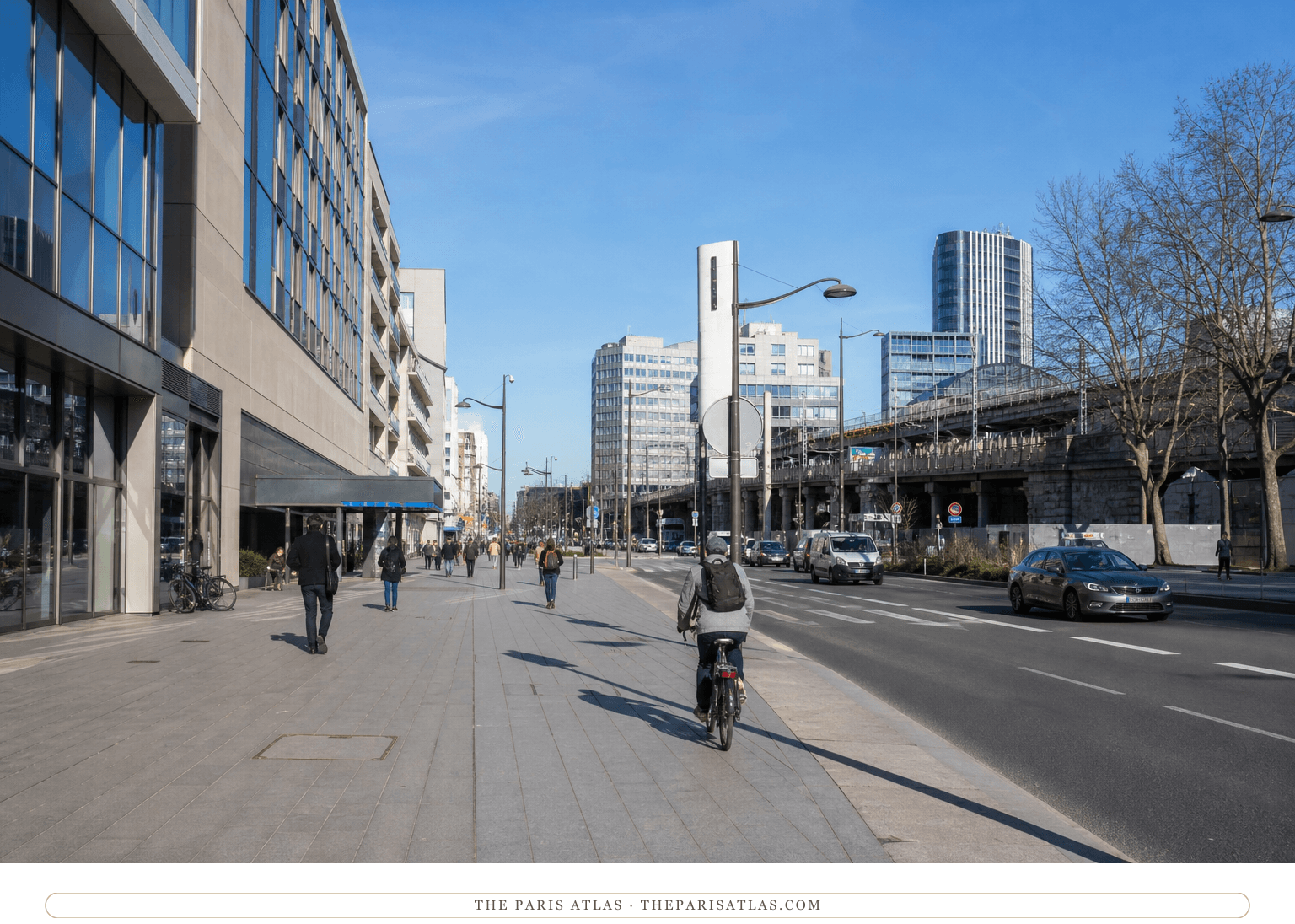
In autumn 1912, Diego Rivera and the Russian painter Angelina Beloff moved into a studio at 26 rue du Départ beside the old Gare Montparnasse. The trains rattled the windows; the high view opened over workshops and roofs toward the 1900 Ferris wheel. Rivera used that view in his portrait Adolfo Best Maugard and painted Dos Mujeres here in 1914 — the apartment and the city becoming part of the Cubist pictures rather than mere background.
The building held a small international colony. Piet Mondrian worked at the same address in 1912–14 and again from 1919 to 1936, eventually turning his white-walled studio into a three-dimensional composition of movable coloured rectangles. María Blanchard shared Rivera and Beloff’s rooms for a period; Modigliani came through and worked in Rivera’s studio. An address printed in the Salon catalogues became a compact map of the School of Paris.
Rivera’s years here were the hinge between Mexico and muralism. In the rue du Départ studio he absorbed the arguments of Picasso, Braque and the Montparnasse cafés, painted roughly two hundred Cubist works, and built Mexican objects and colours into the movement’s fractured space. He left the address and Paris by 1920; after studying Italian frescoes, he returned to Mexico in 1921 and moved from easel paintings for collectors to walls made for a public.
Nothing of the studios survives. The building was removed during the 1960s redevelopment that replaced the old station and remade this edge of Montparnasse. The rue du Départ still runs beside the rail complex, but the useful way to visit is imaginative: stand near the historic address and look back toward the tracks, the same infrastructure whose noise and geometry entered Rivera’s Paris canvases.
Rivera and Angelina Beloff move into the building; Mondrian takes a studio at the same address.
Rivera paints Adolfo Best Maugard with the Paris view from the studio and makes his decisive turn into Cubism.
Rivera paints Dos Mujeres here; the Salon des Indépendants helps establish him as a leading Cubist.
Mondrian returns after the war and resumes work at the rue du Départ studio.
The building is demolished during the redevelopment of Gare Montparnasse and its surroundings.
Rivera and Angelina Beloff moved to the Montparnasse studio in autumn 1912. The address appears in contemporary exhibition records and the view from its windows entered Rivera’s Paris paintings.
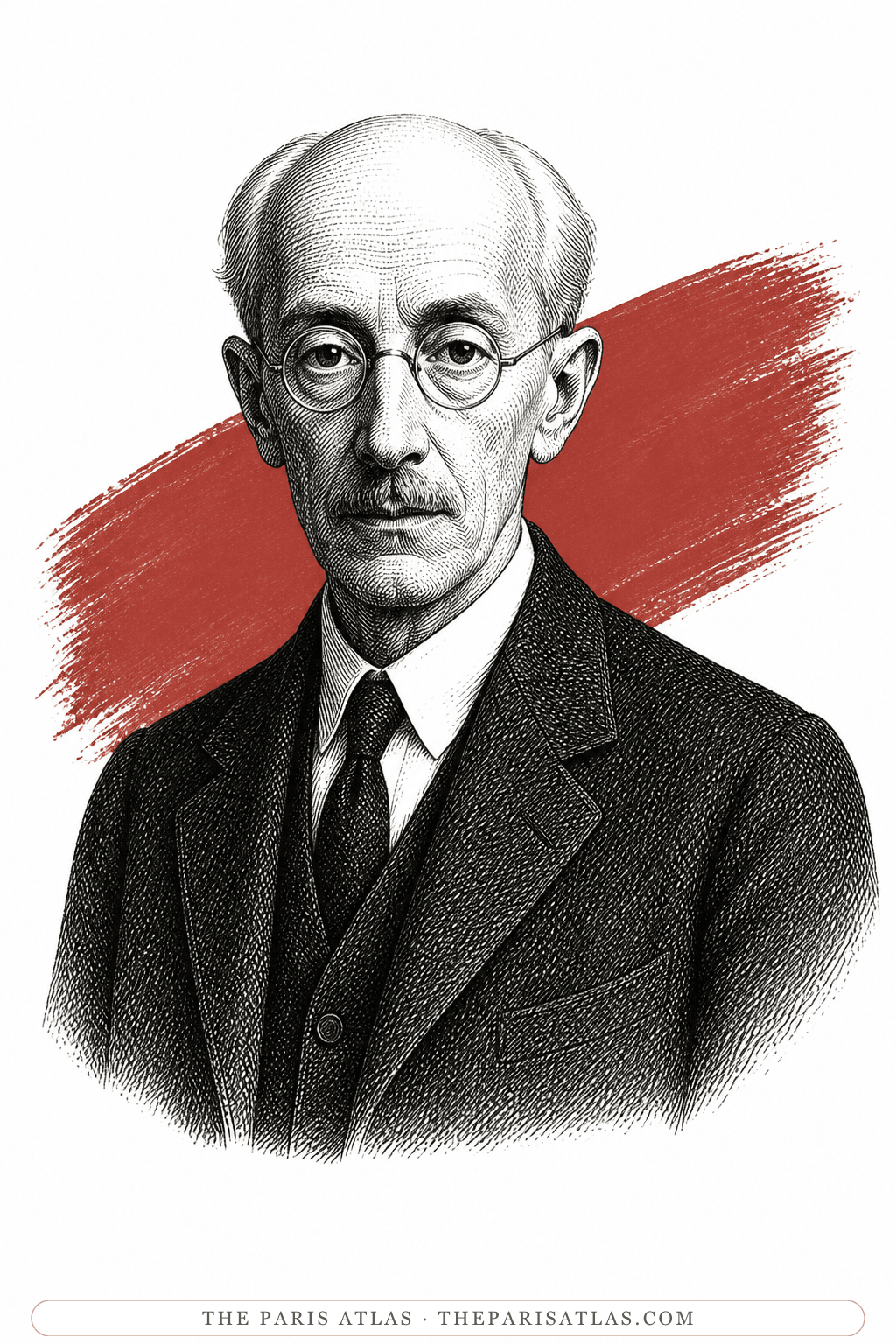
Mondrian used a studio at 26 rue du Départ in 1912–14 and again from 1919 to 1936. The date span includes the First World War interruption, when he was unable to return to Paris.

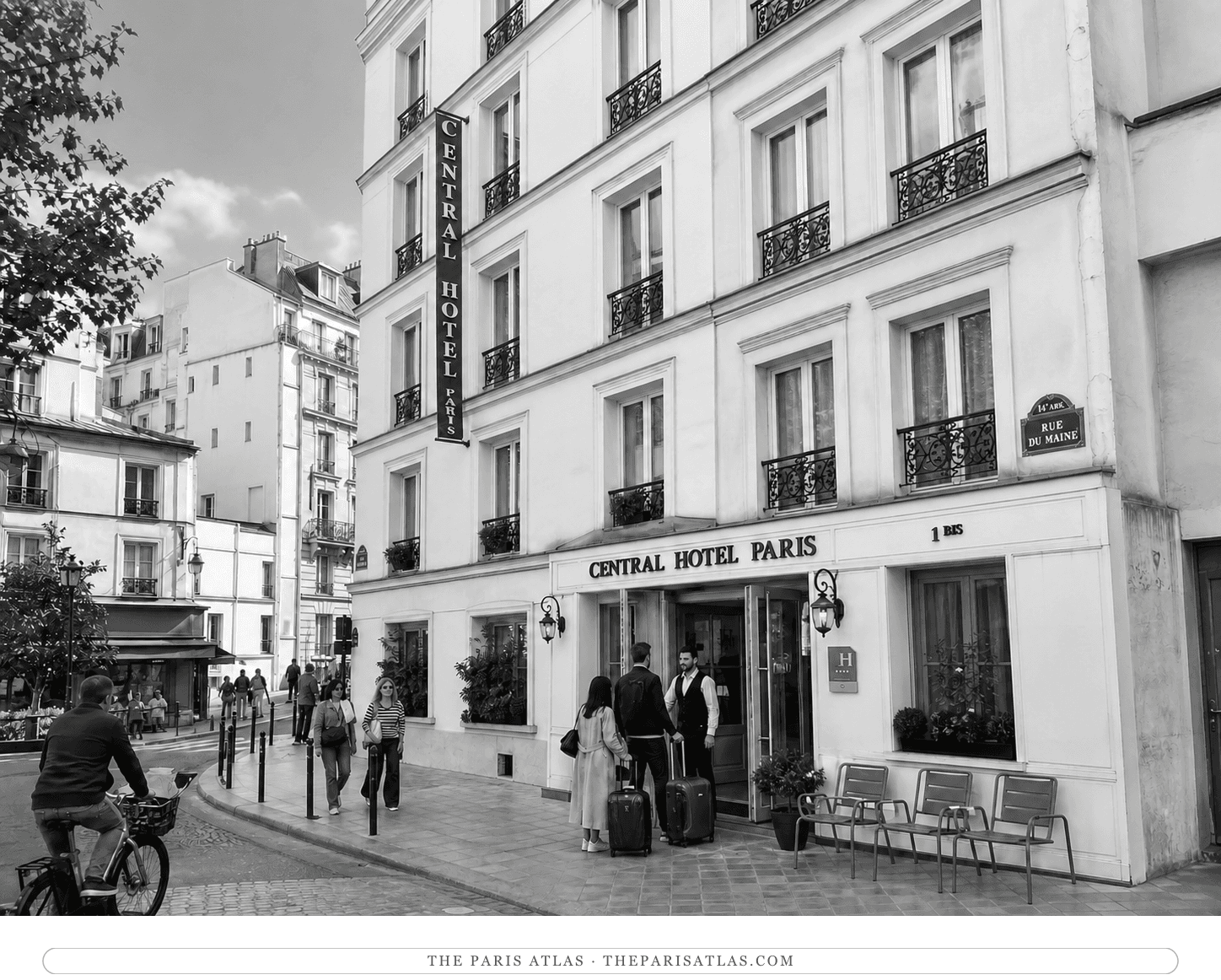
A small Montparnasse hotel where Henry Miller lodged during several stretches of 1931 and 1932, sharing a room with Alfred Perlès in the leanest part of his Paris decade. Still trading under the same name at the same address.
Visit the place
The Montparnasse hotel where D. H. Lawrence lived from 12 March to 7 April 1929 while he looked for a publisher willing to print Lady Chatterley's Lover cheaply enough to undercut the pirates. It is the only address in Paris that carries a plaque to him.
Visit the place
The lithography workshop where Marc Chagall spent decades after the war making colour prints — the same presses that printed for Picasso, Matisse, Braque and Miró.
Visit the place
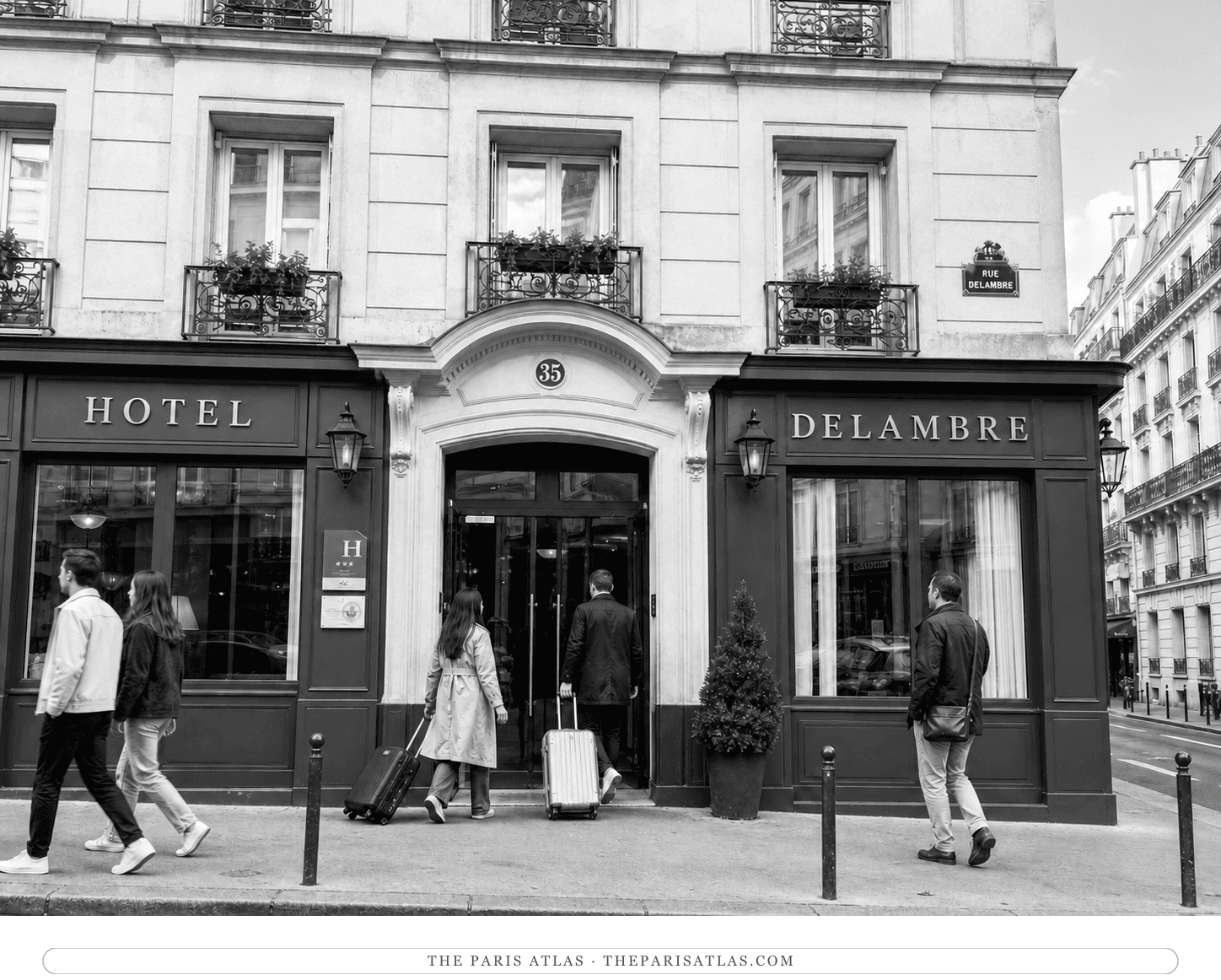
The Montparnasse hotel where Paul Gauguin stayed in 1891 in the weeks before he sailed for Tahiti — still trading, with a plaque inside the entrance recording it.
Visit the placeThe sources below include histories, archival materials, scholarly research, and official records that informed this page. They document 26 rue du Départ, the people connected to it, and its place in Paris.


Catalogue scholarship used to verify attribution, provenance, chronology, and interpretive context for 26 rue du Départ.
Catalogue scholarship used to verify attribution, provenance, chronology, and interpretive context for 26 rue du Départ.

Web source consulted for documented facts and historical context presented on the 26 rue du Départ page.
Web source consulted for documented facts and historical context presented on the 26 rue du Départ page.
Map data used to verify addresses, geographic coordinates, and the placement associated with 26 rue du Départ.
These references provide the documented foundation for this page's history and context. Claim-level citations remain attached to the specific claims they support.
 Explore more resources
Newsletter
The cafés, studios, and walk-up flats where the work was made — one story from the map in every letter.