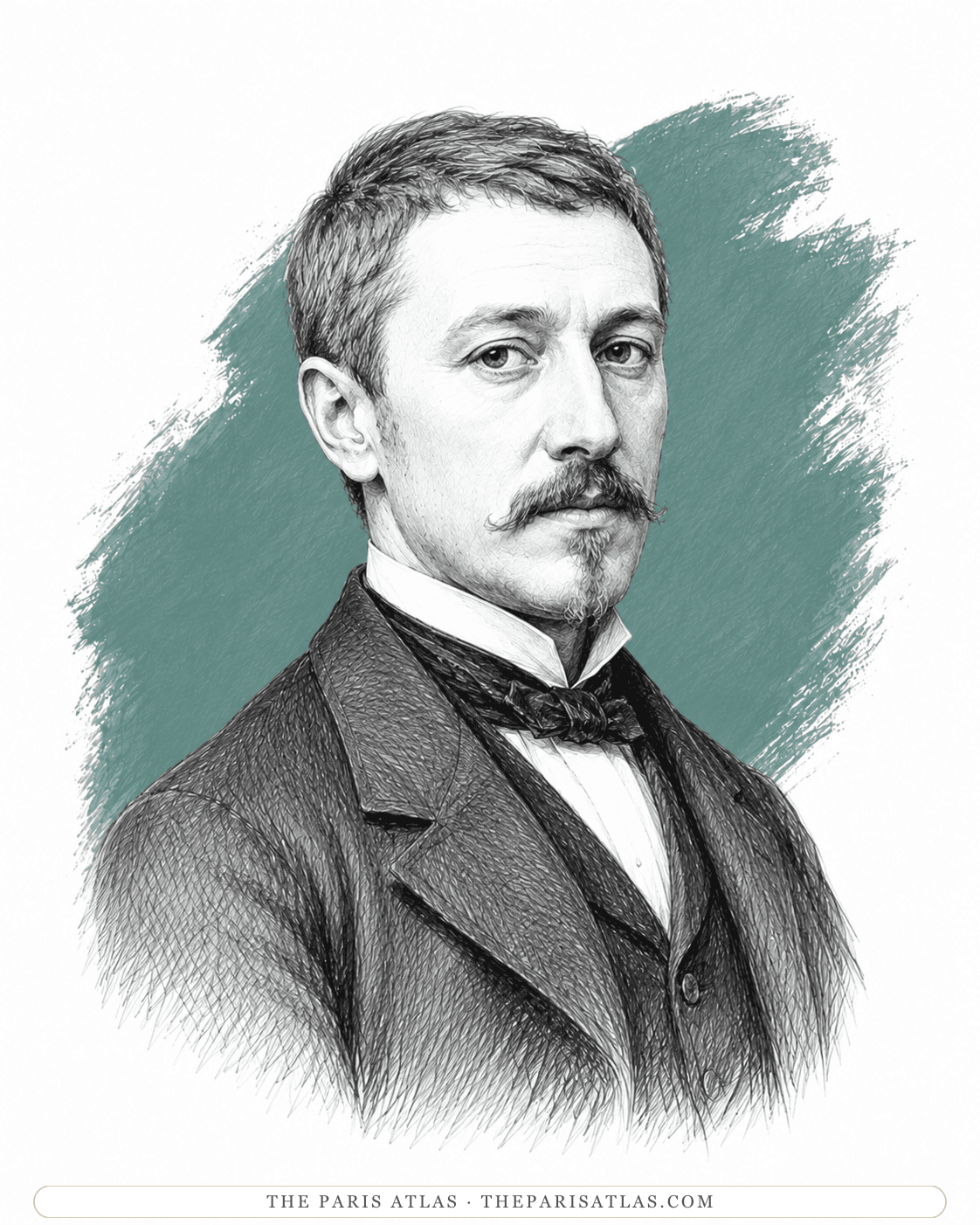
Gustave Caillebotte
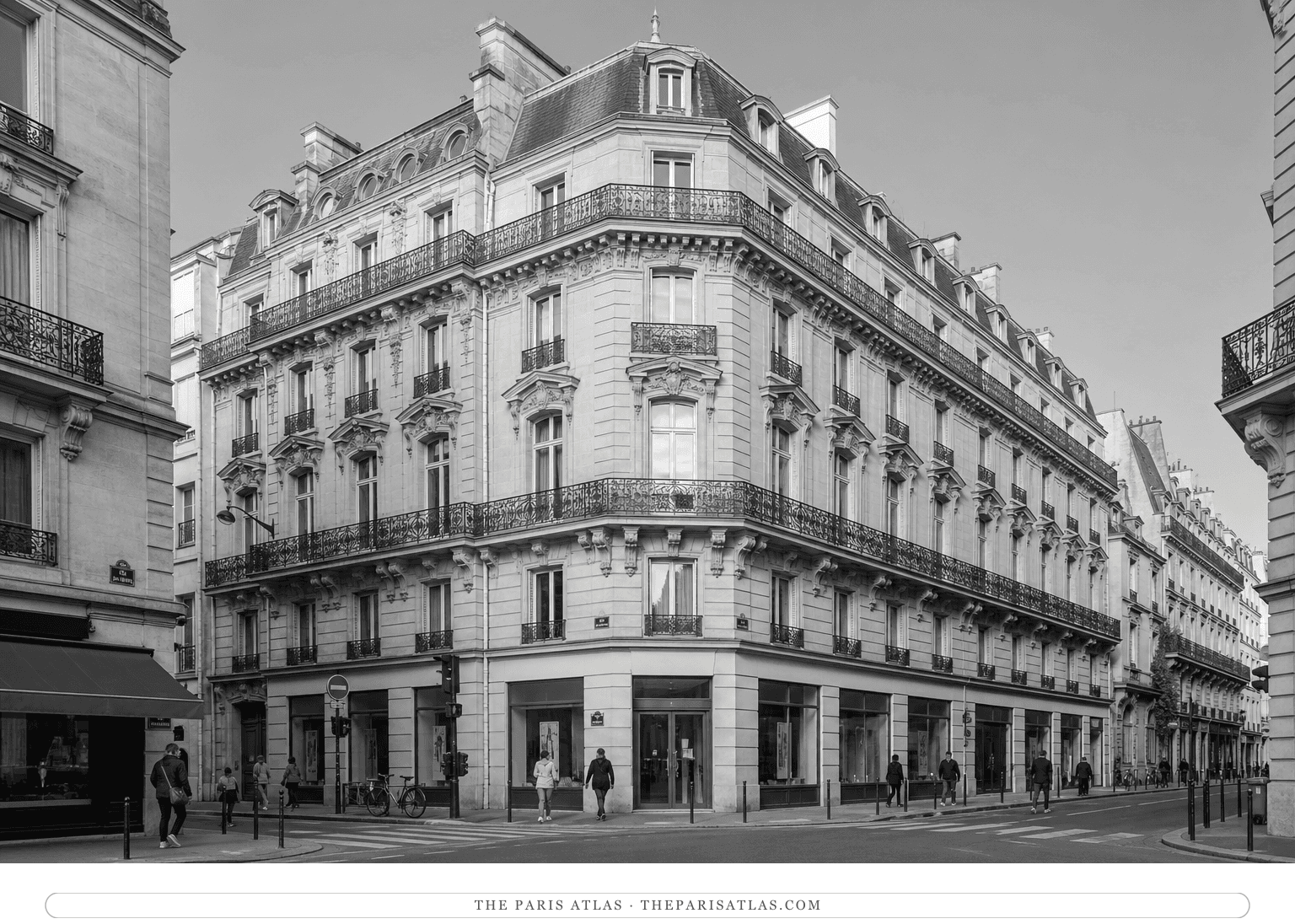
Caillebotte took rooms in an unfinished building on the avenue de l'Opera for the fourth Impressionist exhibition of 1879, organising, hanging and largely financing it, and exhibiting in it himself.
The unfinished building where Gustave Caillebotte organised, hung and largely paid for the fourth Impressionist exhibition in 1879 — the year the group nearly fell apart.

By 1879 the independent exhibitions were in trouble. Renoir had gone back to the Salon, Cézanne and Sisley had dropped out, Monet was wavering, and the group's finances were poor. The fourth exhibition happened largely because Gustave Caillebotte made it happen.
He took a set of rooms in an unfinished building on the newly cut avenue de l'Opéra, organised the logistics, curated the hang, and covered costs. He also exhibited his own interiors and boulevard views in it. Degas was the other driving force, and the two of them held the thing together against a group that was actively dissolving.
It worked commercially — the 1879 show turned a profit and drew large numbers — which is a useful corrective to the story of Impressionism as uninterrupted rejection.
The building stands on a busy commercial stretch and is unmarked.
Caillebotte organises and funds the fourth Impressionist exhibition here.
The 1879 group show, held in rooms at 28 avenue de l'Opéra. Caillebotte organised, hung and largely financed it while several of the original exhibitors were dropping away.
No — it drew crowds and turned a profit, which cuts against the usual account of the Impressionist exhibitions as uniformly rejected.
Caillebotte took rooms in an unfinished building on the avenue de l'Opera for the fourth Impressionist exhibition of 1879, organising, hanging and largely financing it, and exhibiting in it himself.

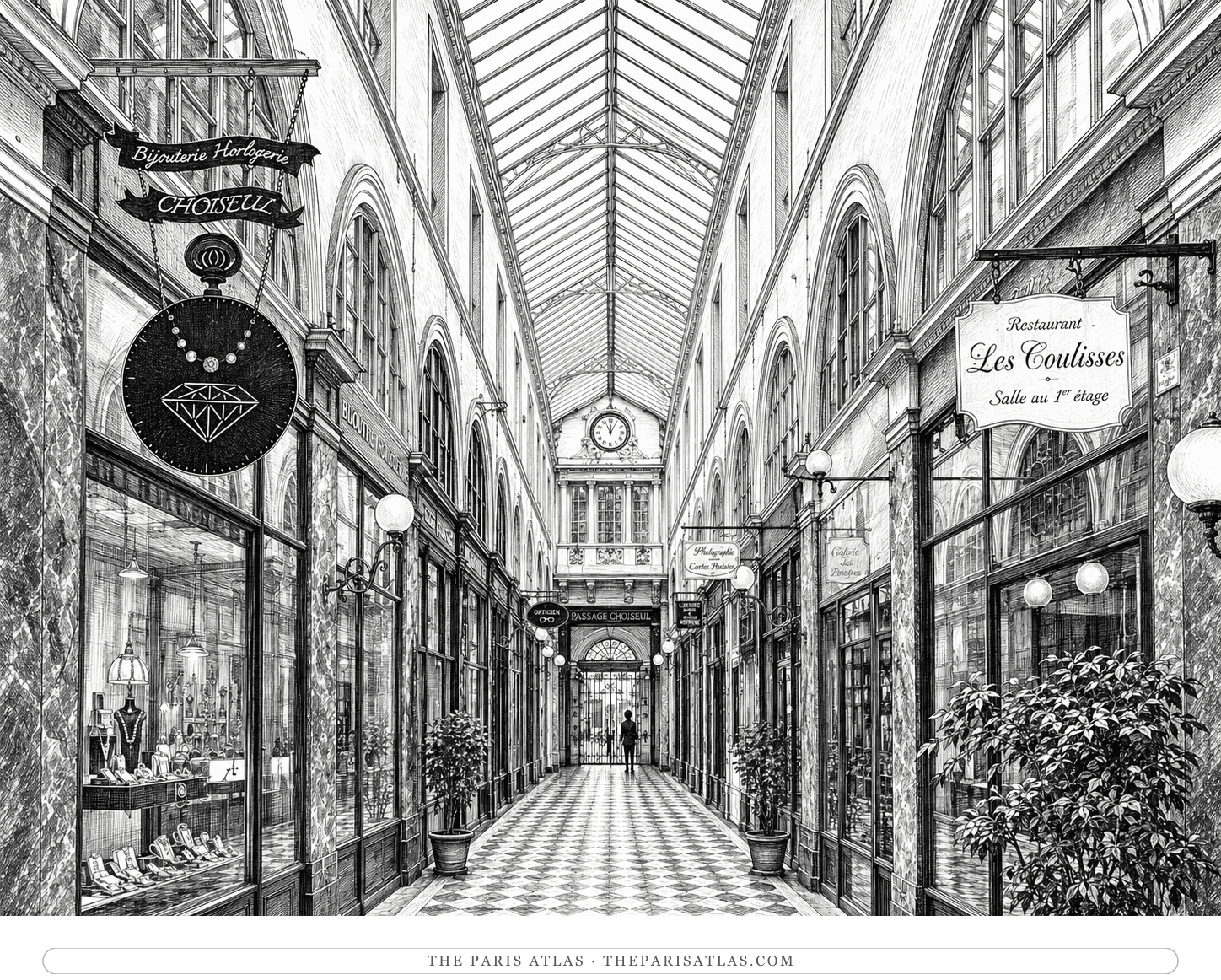
The covered arcade where Louis-Ferdinand Céline grew up over his mother's lace shop — reborn in his novel Death on the Installment Plan as the Passage des Bérésinas, the gaslit 'gas jar' of its narrator Ferdinand's childhood.
Visit the place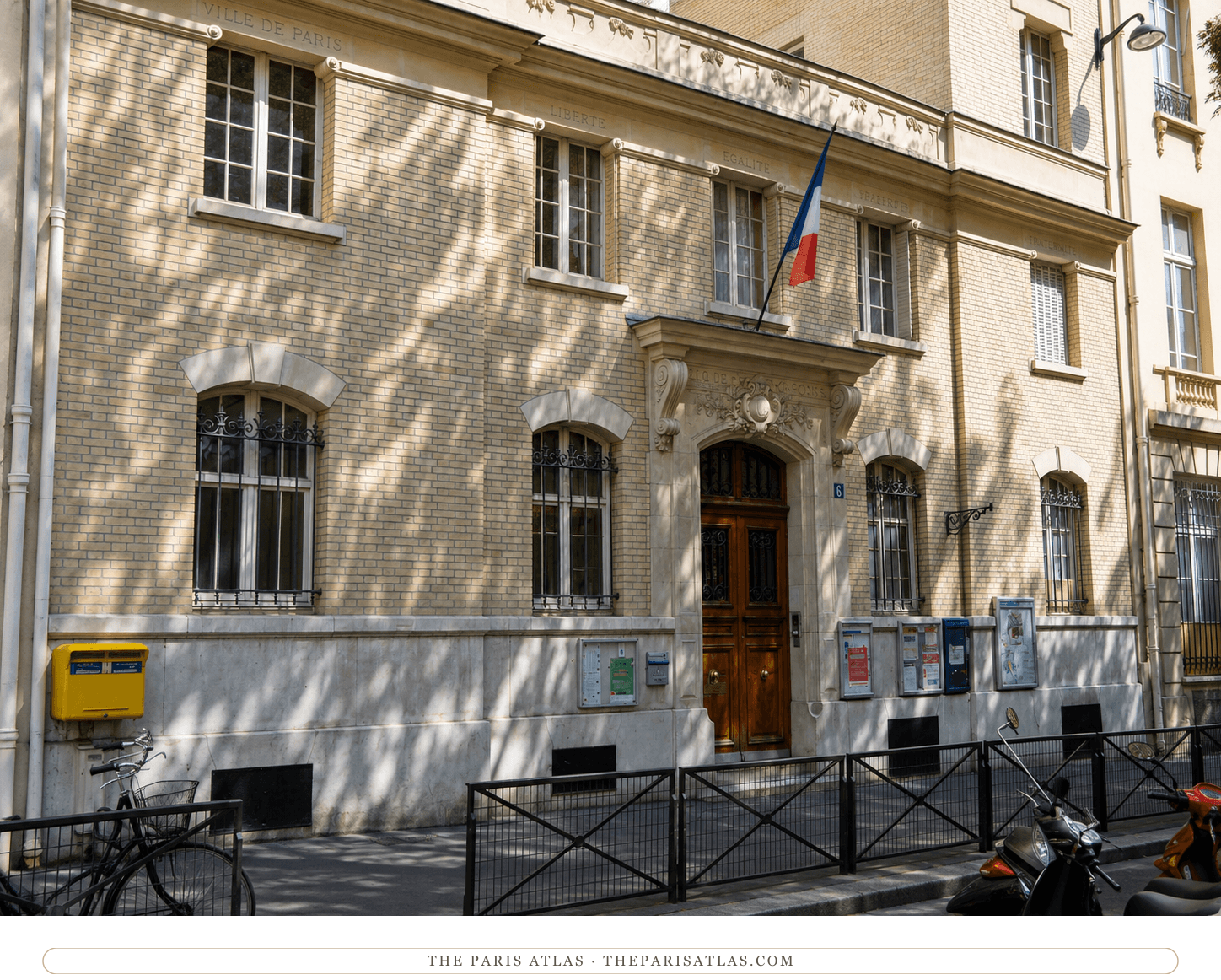
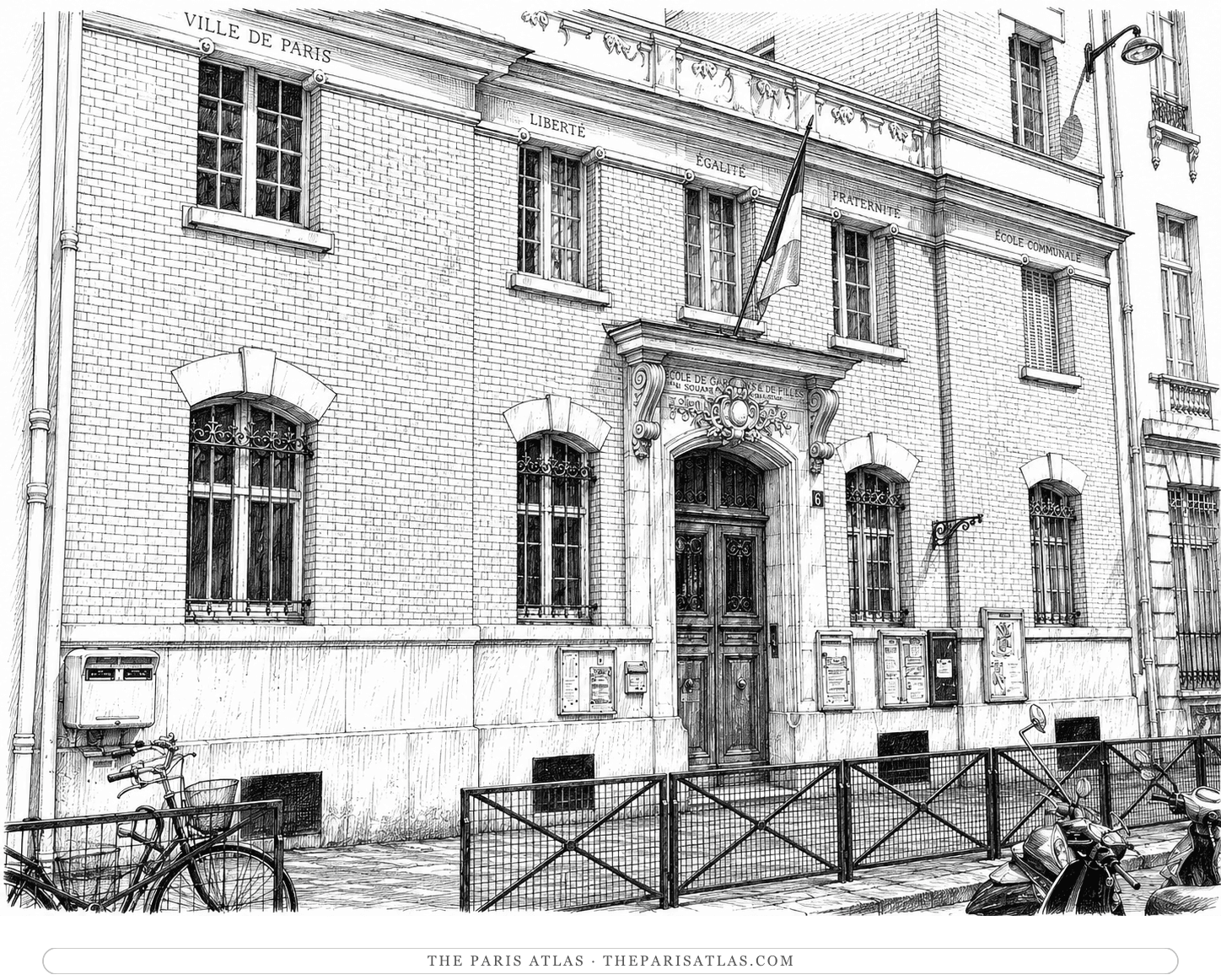
The municipal school Louis-Ferdinand Céline attended from 1900 to 1905, two minutes' walk from the family shop in the Passage Choiseul — the first classroom of the boy then registered as Louis-Ferdinand Destouches.
Visit the place
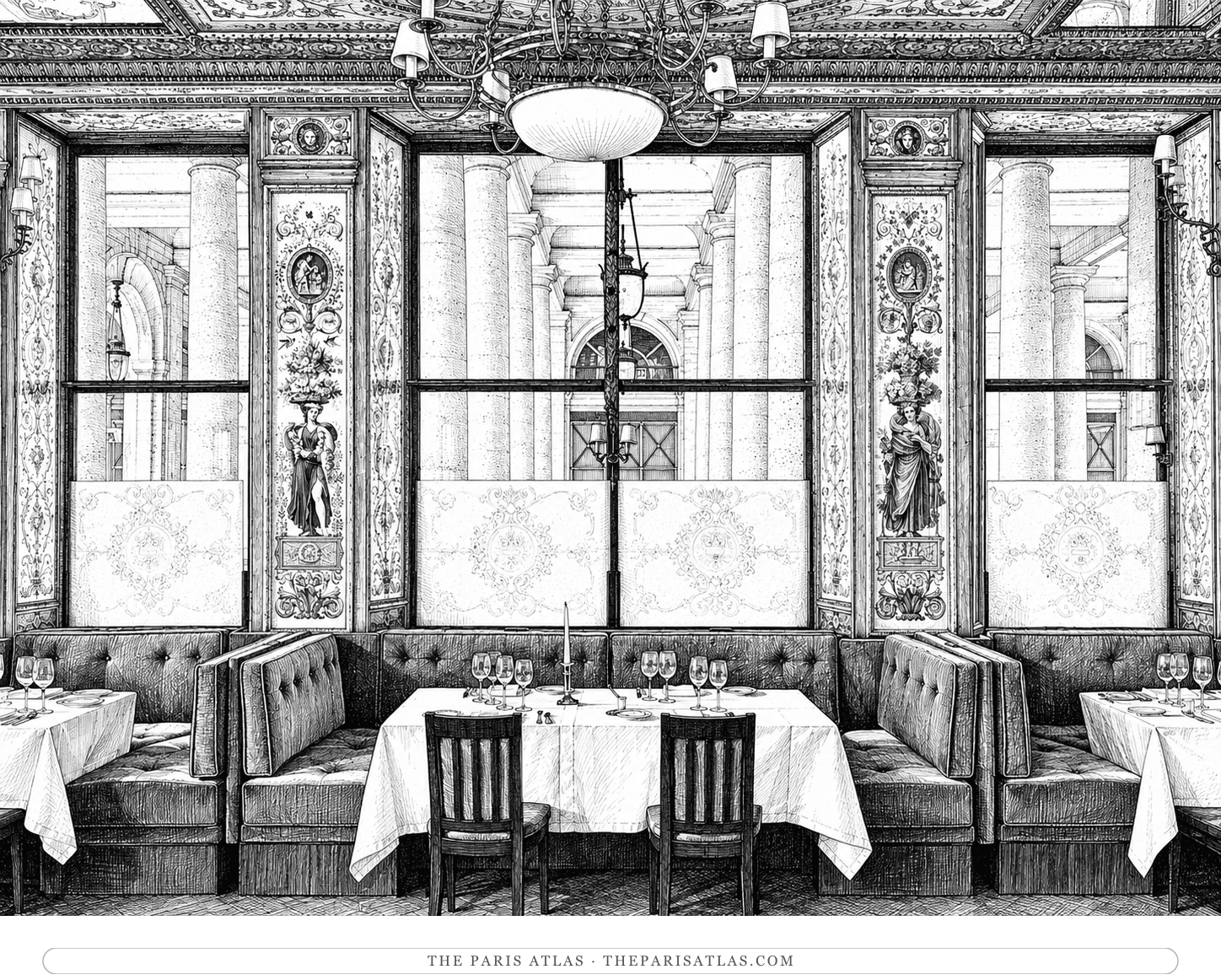
The Palais-Royal restaurant Colette favored in her last years, a few doors from her apartment. A brass plaque still marks her seat.
Visit the place
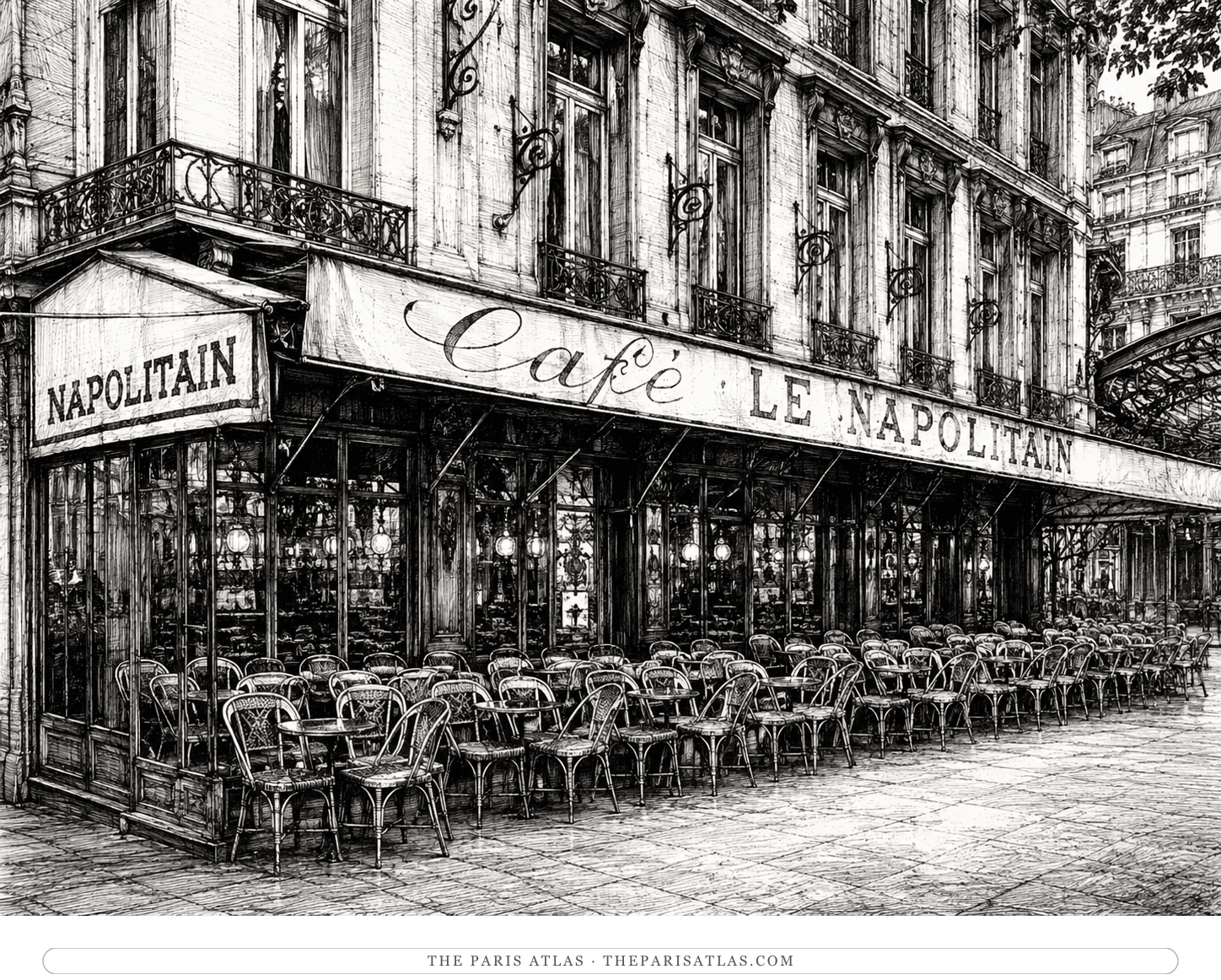
The boulevard terrace where the novel opens — an apéritif on the Right Bank, watching the evening crowd, the electric signs, and the last horse-cabs go by.
Visit the placeThe sources below include histories, archival materials, scholarly research, and official records that informed this page. They document 28 avenue de l'Opéra, the people connected to it, and its place in Paris.

Web source consulted for documented facts and historical context presented on the 28 avenue de l'Opéra page.
Web source consulted for documented facts and historical context presented on the 28 avenue de l'Opéra page.
Web source consulted for documented facts and historical context presented on the 28 avenue de l'Opéra page.
Web source consulted for documented facts and historical context presented on the 28 avenue de l'Opéra page.
These references provide the documented foundation for this page's history and context. Claim-level citations remain attached to the specific claims they support.
 Explore more resources
Newsletter
The cafés, studios, and walk-up flats where the work was made — one story from the map in every letter.