Claude Debussy
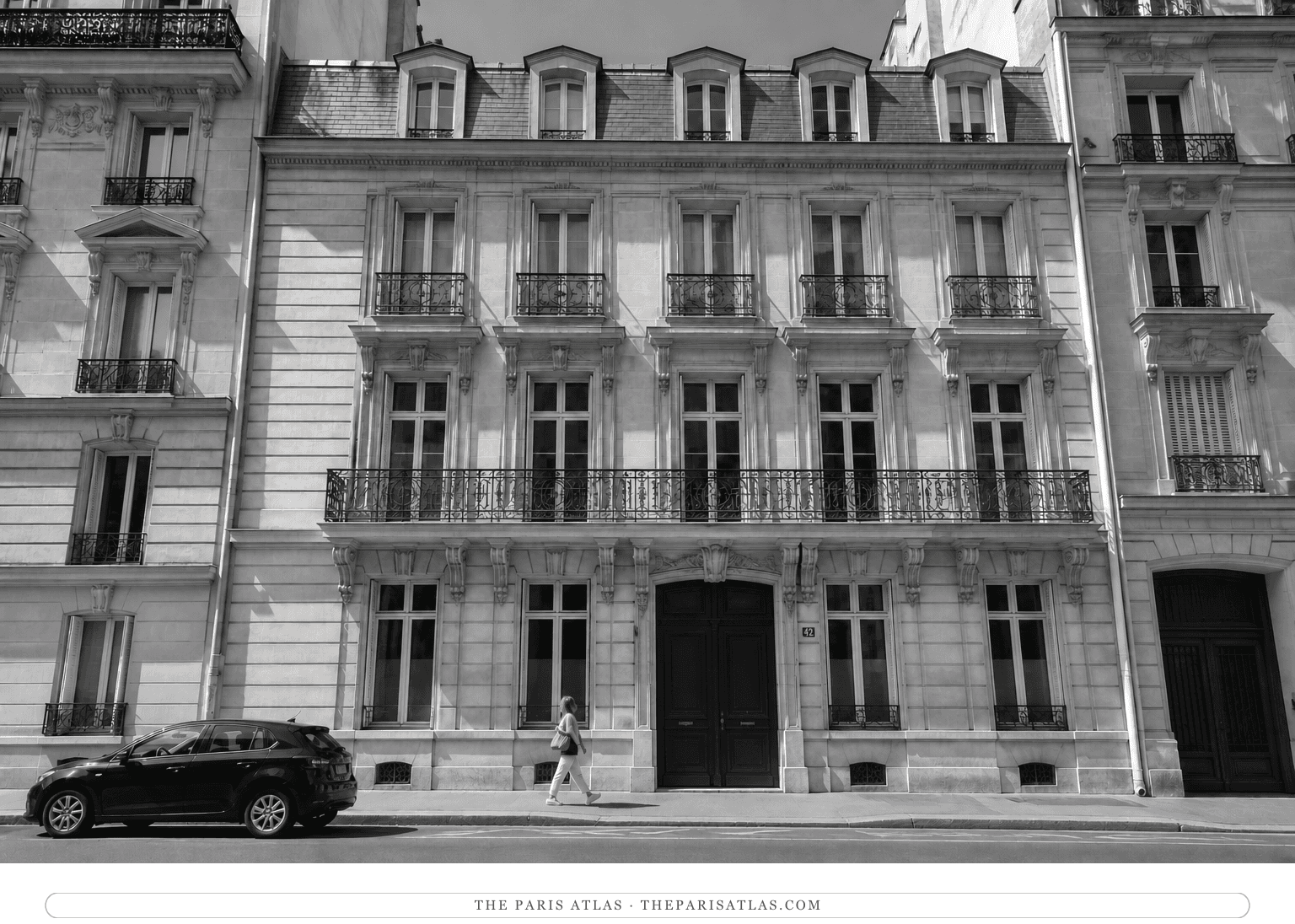
One of Debussy's documented Paris homes, his address until around 1894 - the years of the Prelude a l'apres-midi d'un faune and the first work on Pelleas et Melisande.
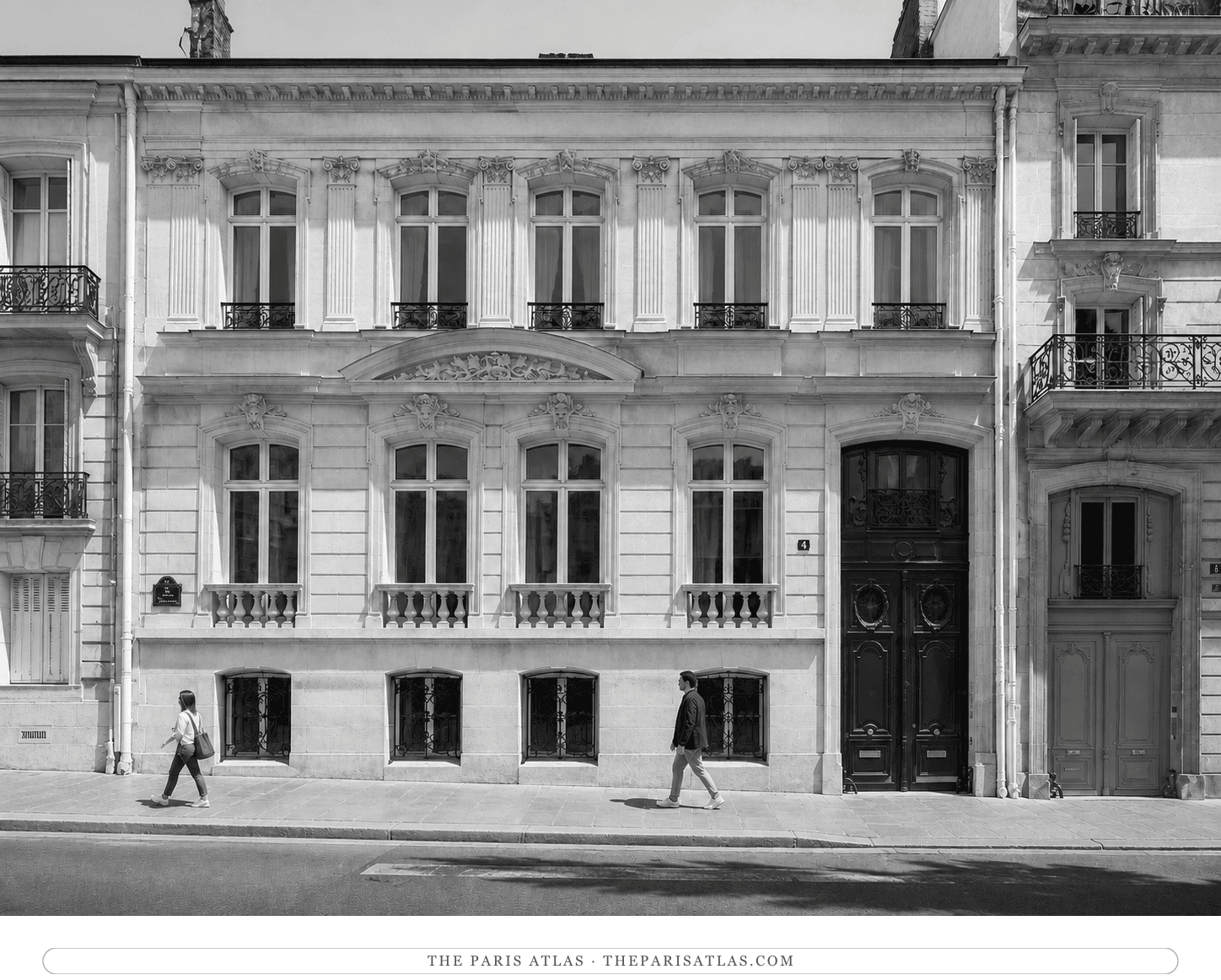
One of Claude Debussy's documented Paris homes, and his address until around 1894 — the years in which he wrote the Prélude à l'après-midi d'un faune and began Pelléas et Mélisande.

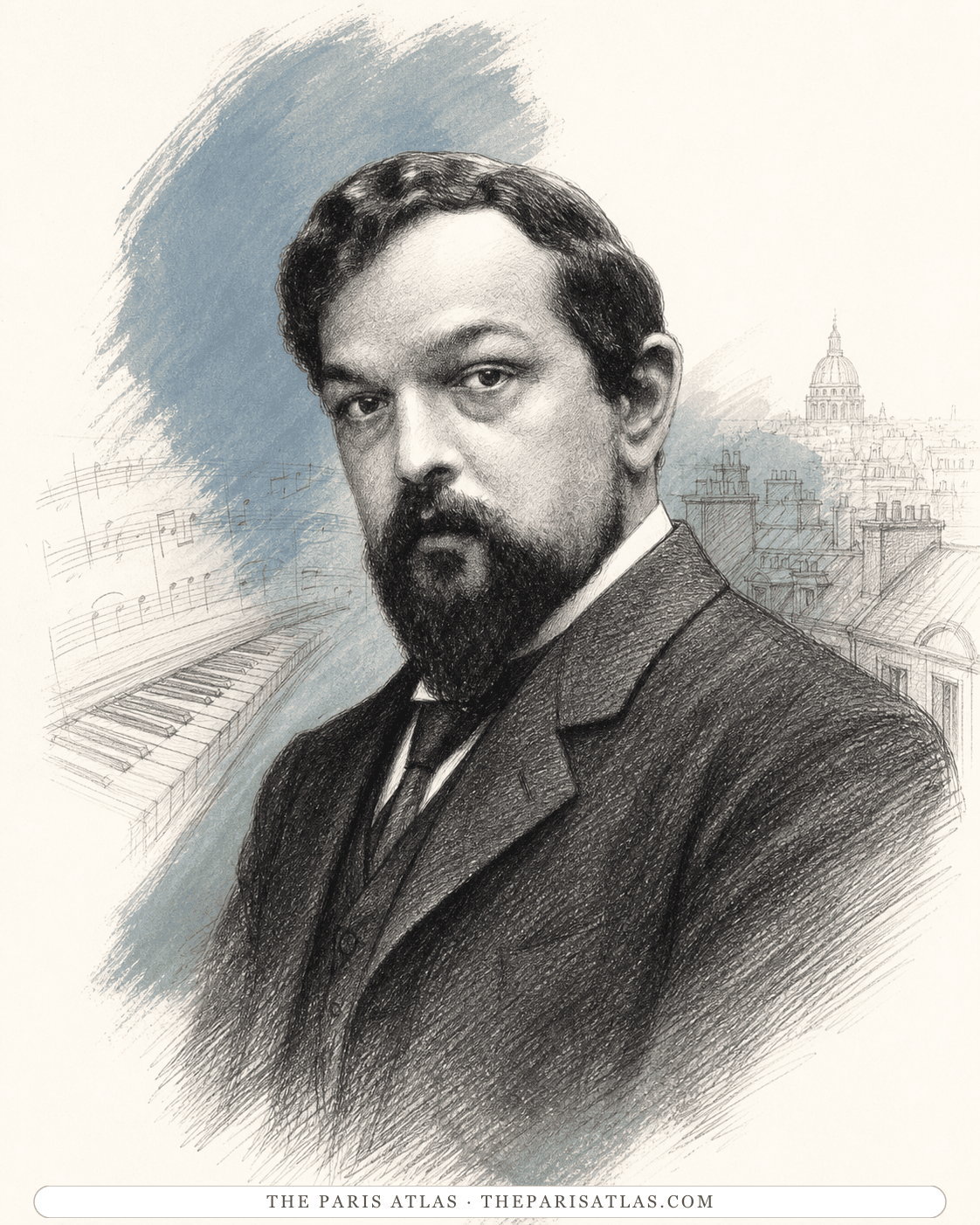
Claude Debussy lived at 42 rue de Londres until roughly 1894. He was in his early thirties, poor, and in the middle of the most decisive stretch of work in his life.
The Prélude à l'après-midi d'un faune was completed and first performed in 1894. He had also begun Pelléas et Mélisande, the opera that would take him the better part of a decade. Neither had yet made him any money: Debussy in these years was living on lessons, small commissions and credit, in a quarter of narrow streets behind the Gare Saint-Lazare.
The building is private and carries no marker.
The Prélude à l'après-midi d'un faune is first performed; Debussy is living at this address.
The years to around 1894 produced the Prélude à l'après-midi d'un faune and the earliest work on the opera Pelléas et Mélisande.
One of Debussy's documented Paris homes, his address until around 1894 - the years of the Prelude a l'apres-midi d'un faune and the first work on Pelleas et Melisande.

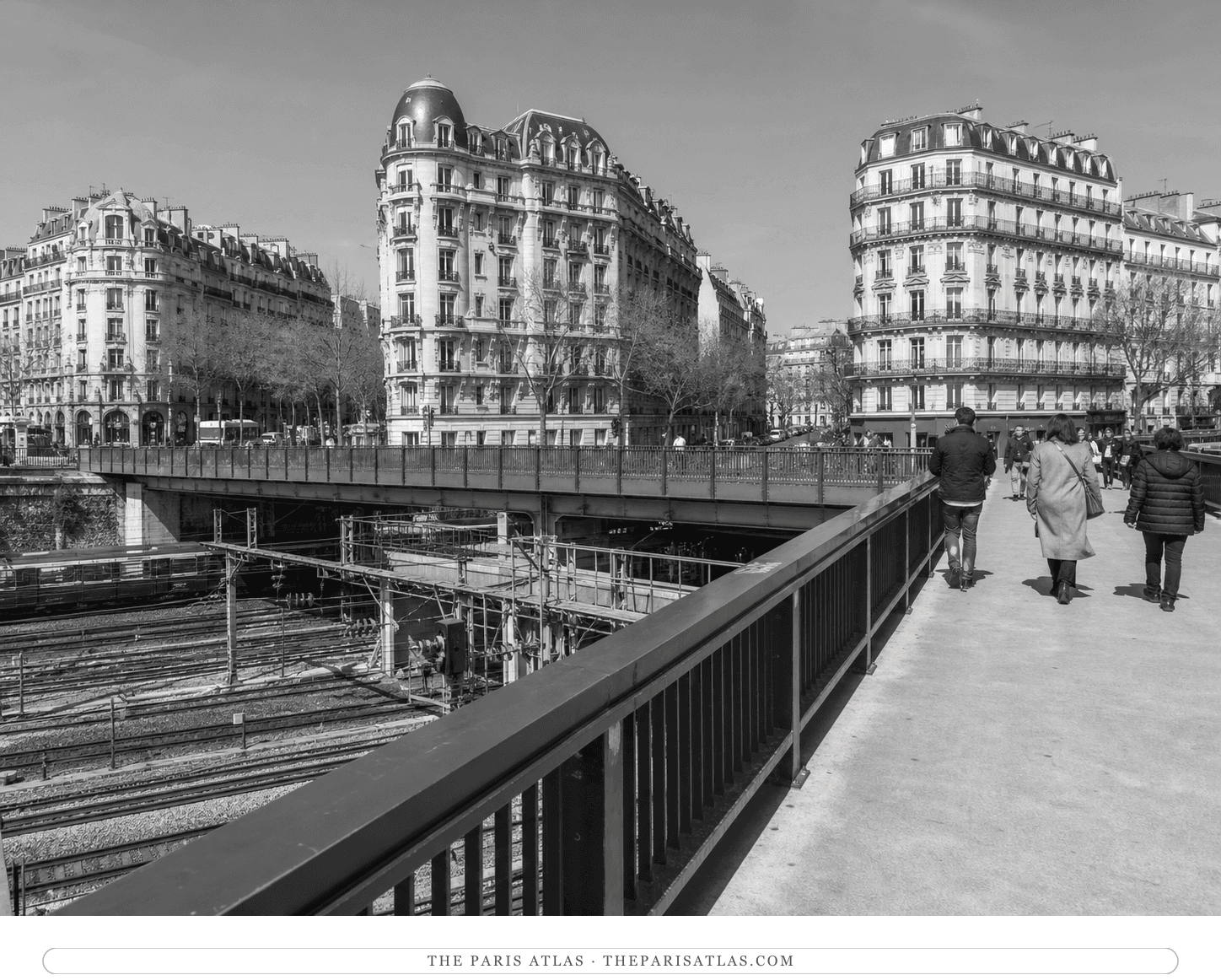
The iron bridge carrying six streets across the tracks behind Gare Saint-Lazare — the subject of Gustave Caillebotte's 1876 painting, and the spot where Impressionism looked hardest at industrial Paris.
Visit the place
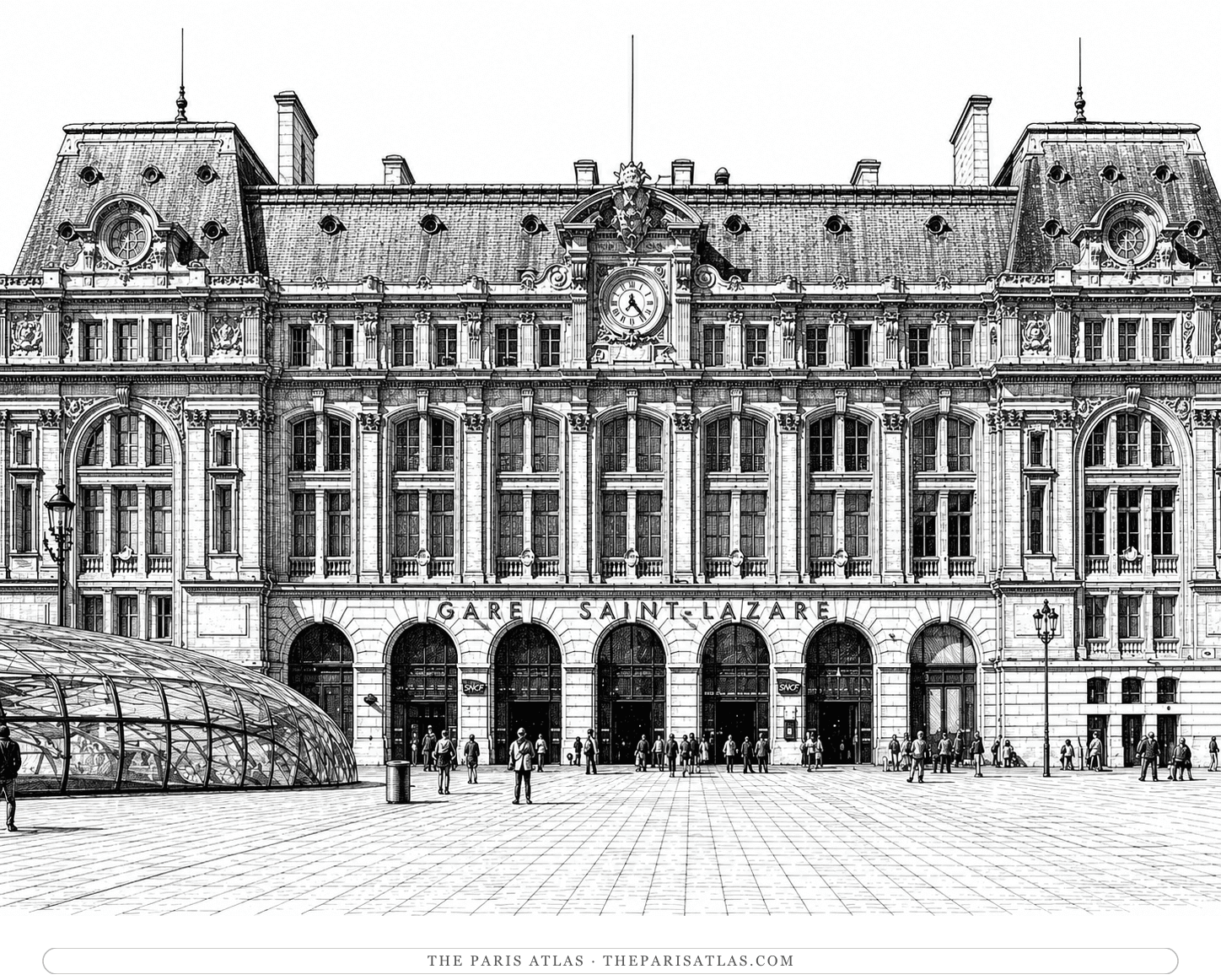
Paris's oldest terminus — Claude Monet's steam-filled train shed, the boat trains to the Atlantic liners, and the platform where the Paris chapters of F. Scott Fitzgerald's Tender Is the Night end in pistol shots.
Visit the place
Manet's studio through the 1870s, whose windows looked down on what was then the rue Mosnier — the street he painted repeatedly, flags and all, in the summer of 1878.
Visit the place
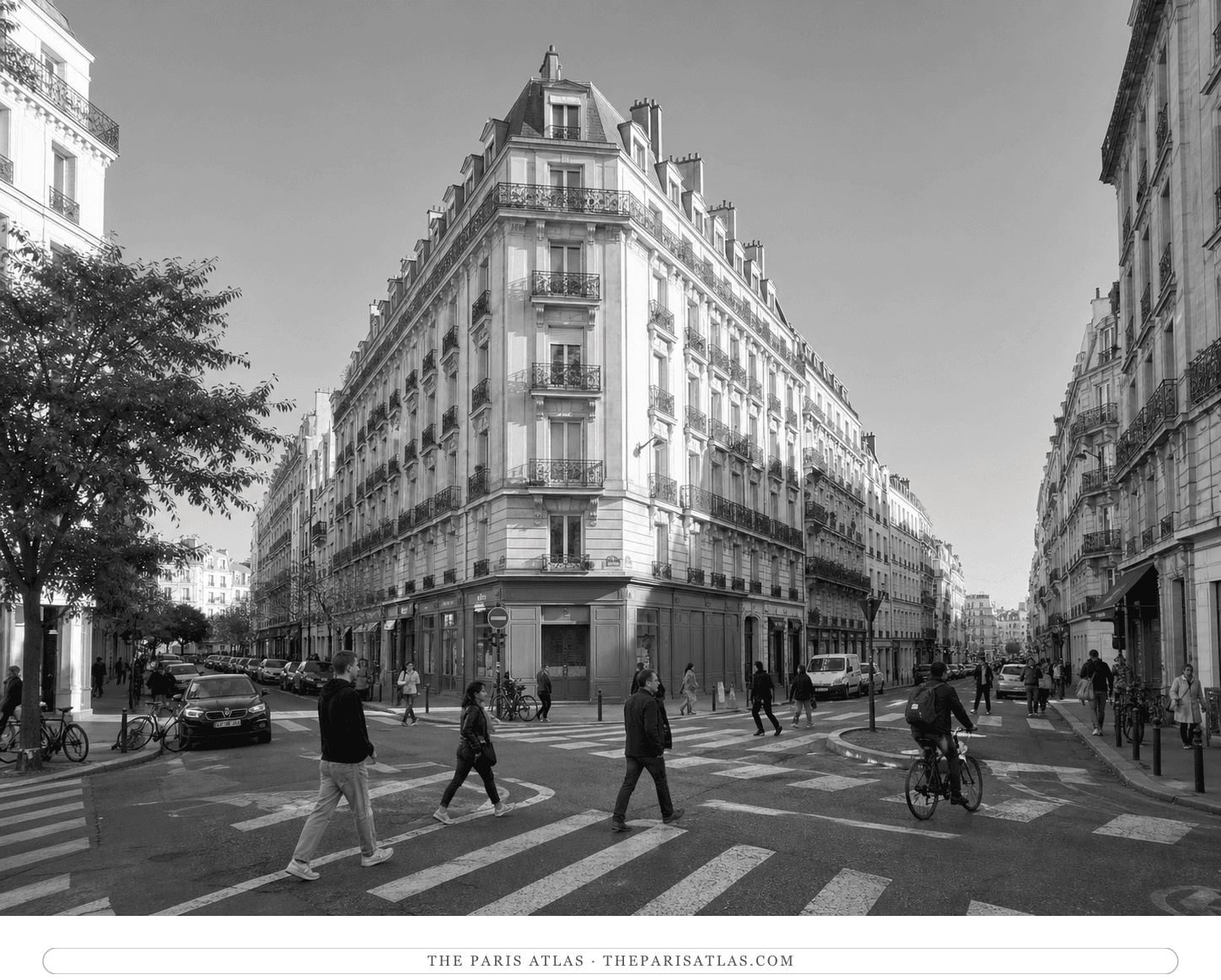
The star-shaped junction in the Quartier de l'Europe where Gustave Caillebotte set Paris Street; Rainy Day — and one of the few places in Paris where you can stand almost exactly where a famous painting was composed and recognise everything.
Visit the placeThe sources below include histories, archival materials, scholarly research, and official records that informed this page. They document 42 rue de Londres, the people connected to it, and its place in Paris.


Web source consulted for documented facts and historical context presented on the 42 rue de Londres page.
Web source consulted for documented facts and historical context presented on the 42 rue de Londres page.
Web source consulted for documented facts and historical context presented on the 42 rue de Londres page.

Contemporary reporting or criticism used to document the historical reception and context of 42 rue de Londres.
These references provide the documented foundation for this page's history and context. Claim-level citations remain attached to the specific claims they support.
 Explore more resources
Newsletter
The cafés, studios, and walk-up flats where the work was made — one story from the map in every letter.