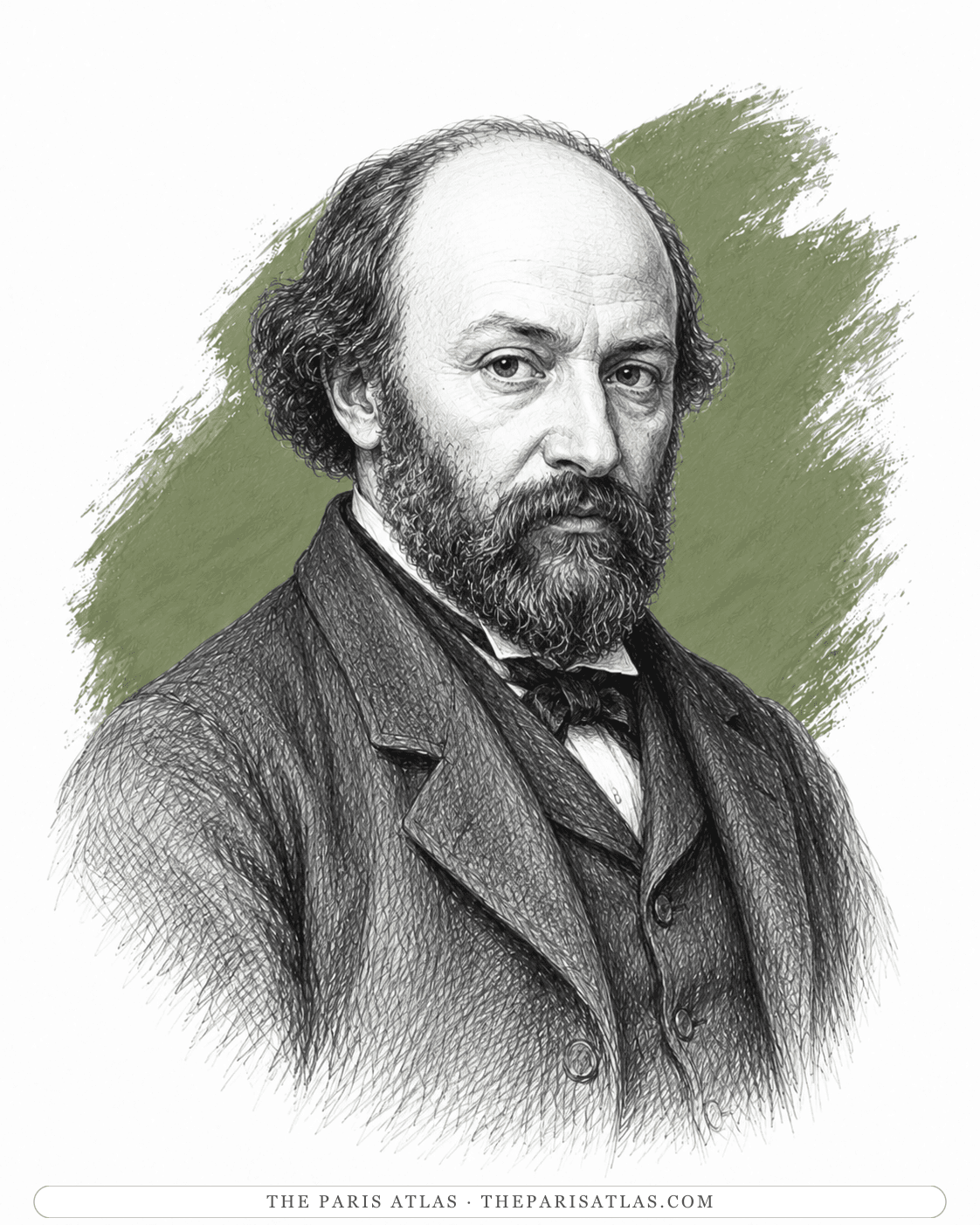
Paul Cézanne
Ambroise Vollard gave Cezanne his first solo exhibition at 6 rue Laffitte in 1895, hanging around 150 canvases. He was fifty-six, and the show remade his standing among younger painters.
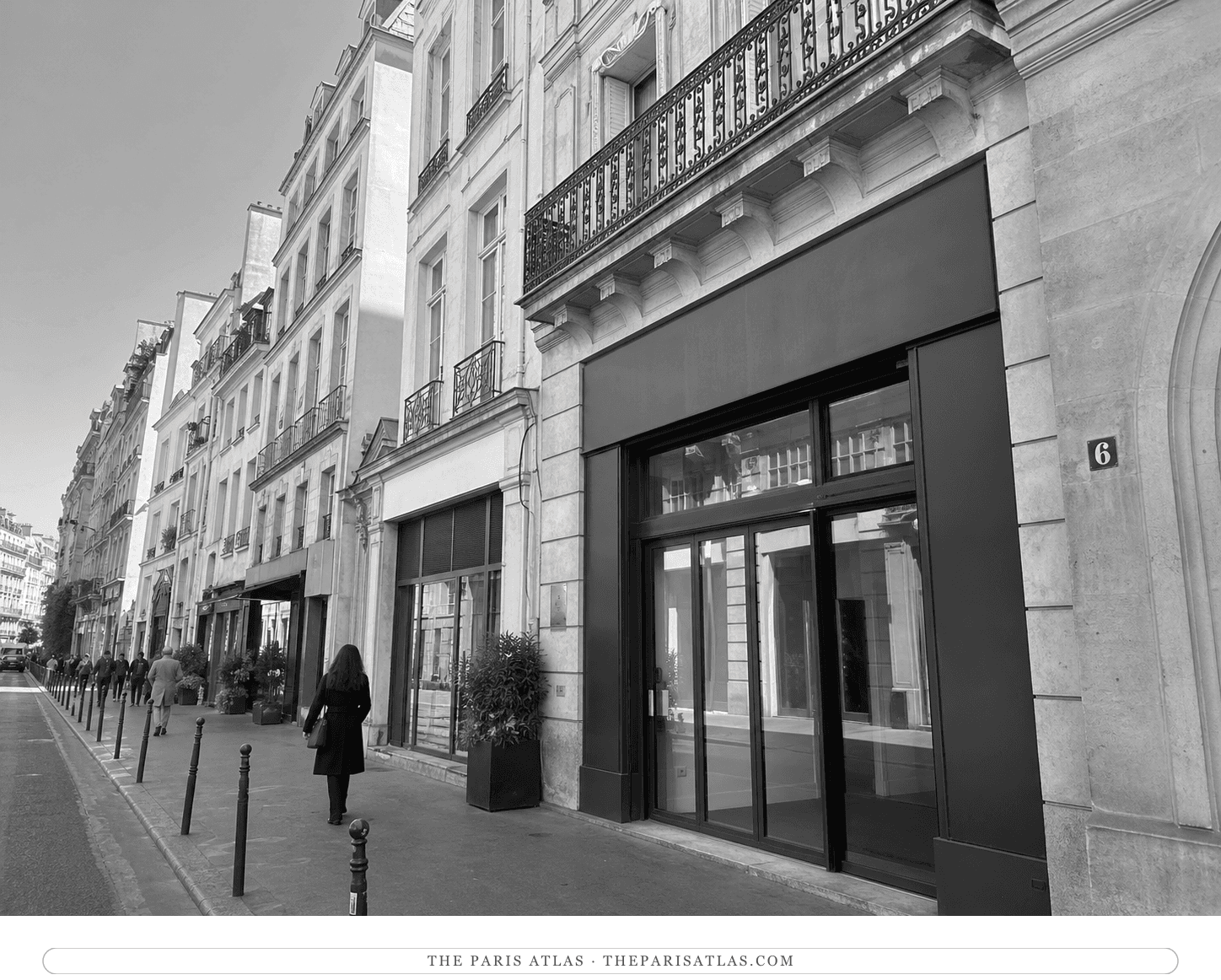
Ambroise Vollard's gallery, where in 1895 a young and untested dealer gave the fifty-six-year-old Paul Cézanne his first solo exhibition — and turned a painter most of Paris had written off into the most influential artist of the next generation.

By 1895 Paul Cézanne had not exhibited with a group for eighteen years, had never had a solo show, and was living mostly in Aix. Younger painters knew his work only through the canvases stacked in Père Tanguy's colour shop.[1]
Ambroise Vollard was in his twenties, had opened his gallery on the rue Laffitte, and had almost nothing to lose. He tracked Cézanne down through Tanguy's stock and his son, gathered around 150 canvases, and hung them here.[2]
The effect was not commercial so much as generational. Critics were divided and much of the public laughed, but the painters came, and what they saw reorganised what they thought painting could do. Matisse and Picasso both bought Cézannes; both spent years working through what the pictures implied. The line from this room to Cubism is short and direct.[3]
Vollard went on to give Picasso and Matisse their own first shows, and to sit for portraits by both. Cézanne painted him too — reportedly making him pose more than a hundred times, and still declaring the shirt-front unfinished.[4]
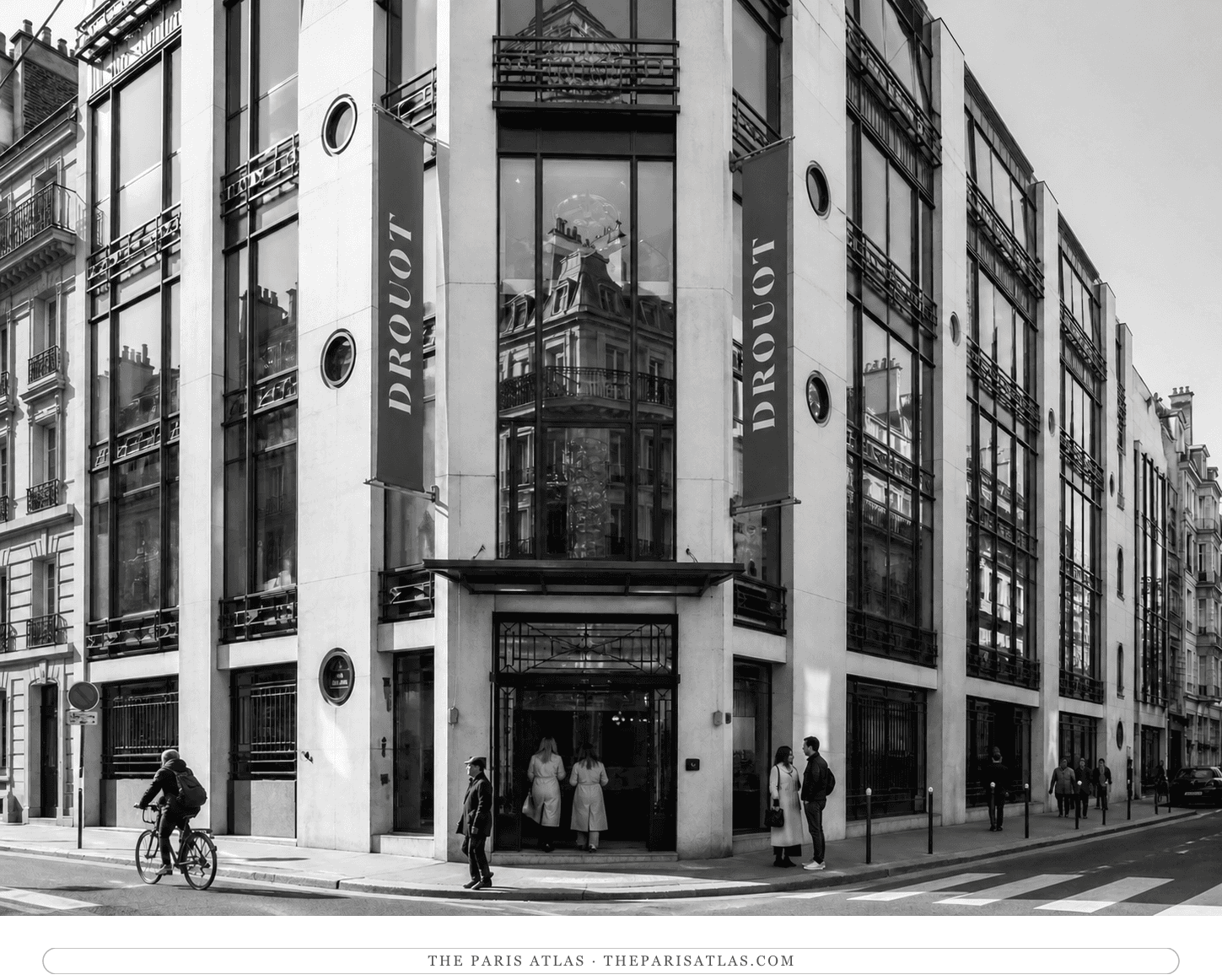
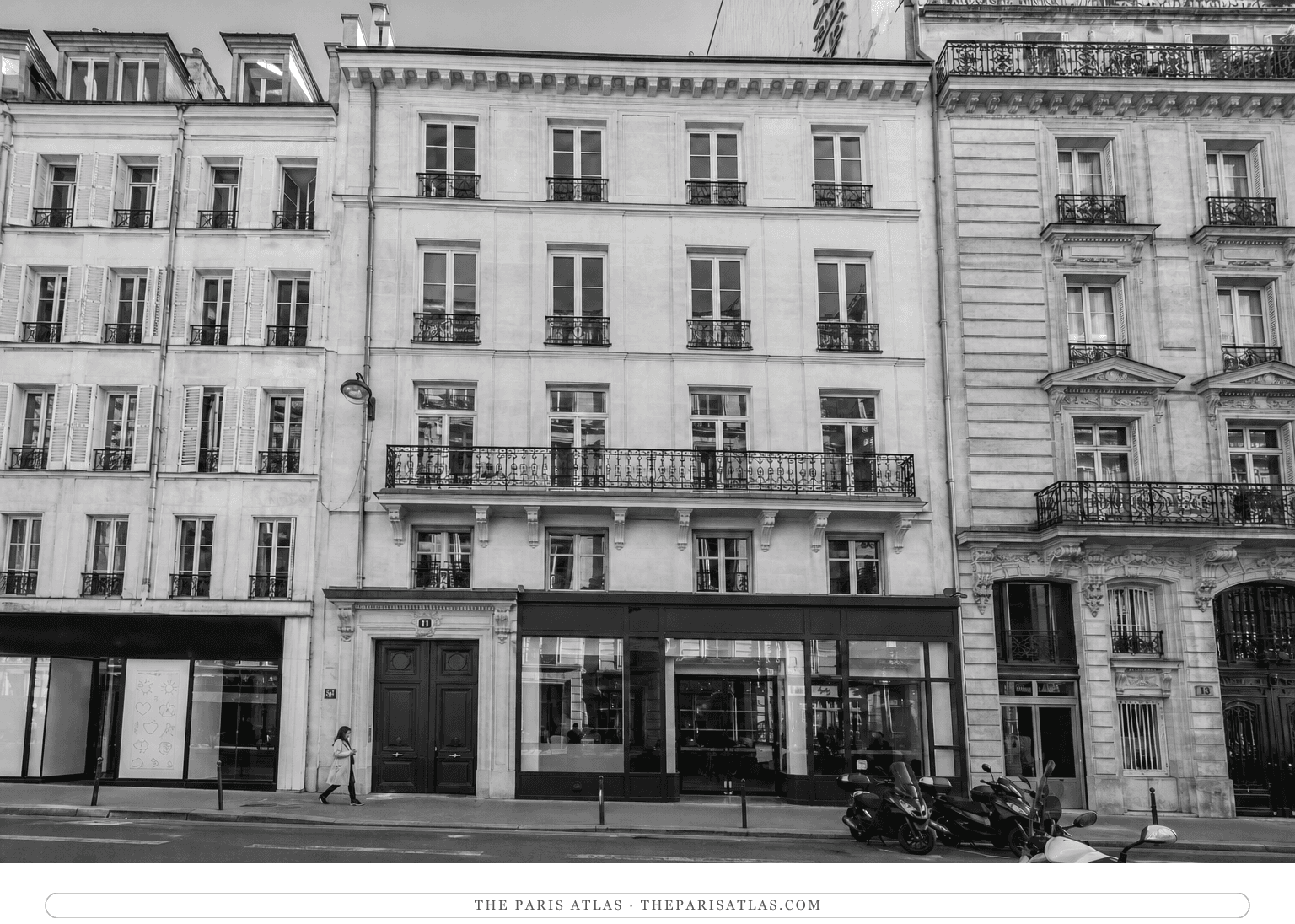
The gallery is gone. The building stands on a street that was the centre of the Paris art trade.
Rue Laffitte concentrated dealers near the financial district, linking speculation in pictures to the institutions and wealth of the surrounding neighbourhood. A new dealer could rent modest premises within that ecosystem and reach collectors, critics and artists already accustomed to visiting the street. Vollard's gamble was radical in selection but commercially located at the centre of the trade.[2]
Assembling roughly 150 canvases required persistence because Cézanne's work was dispersed and the artist did not maintain a polished Paris inventory. Père Tanguy's stock gave Vollard an entry point, while Cézanne's son helped connect dealer and painter. The exhibition therefore grew from relationships established before the market believed in the result.
The number of works changed the argument. One eccentric canvas could be dismissed; a room full of landscapes, bathers, portraits and still lifes revealed a sustained method. Viewers could see repetition across motifs and understand the tilting tables or shifting contours as deliberate investigation rather than isolated incompetence. A first retrospective scale supplied coherence that scattered pictures had lacked.
Younger artists were prepared to look because their own problems differed from those of Salon juries. Cézanne showed how colour could construct mass and how a painting could acknowledge a flat surface while still producing space. Matisse responded to colour and structure; Picasso and Braque later pushed the faceted organisation of objects toward Cubism. Influence did not mean copying one formula, but recognising a new set of permissible questions.
Vollard's role complicates the myth of Cézanne becoming famous entirely against commerce. The painter had worked in isolation and endured rejection, but a dealer's research, risk, installation and network made the work visible at the decisive scale. The relationship could be difficult and unequal, yet the 1895 exhibition shows that markets do not merely reward established taste; they can reorganise it.
The later portrait sessions turned dealer into subject and produced another test of duration. Vollard's stillness became part of Cézanne's slow construction, and the remaining bare areas show that completion was judged by internal relationships rather than by covering every inch. The anecdote is memorable because it joins the dealer's patience to the artist's refusal to fake certainty.
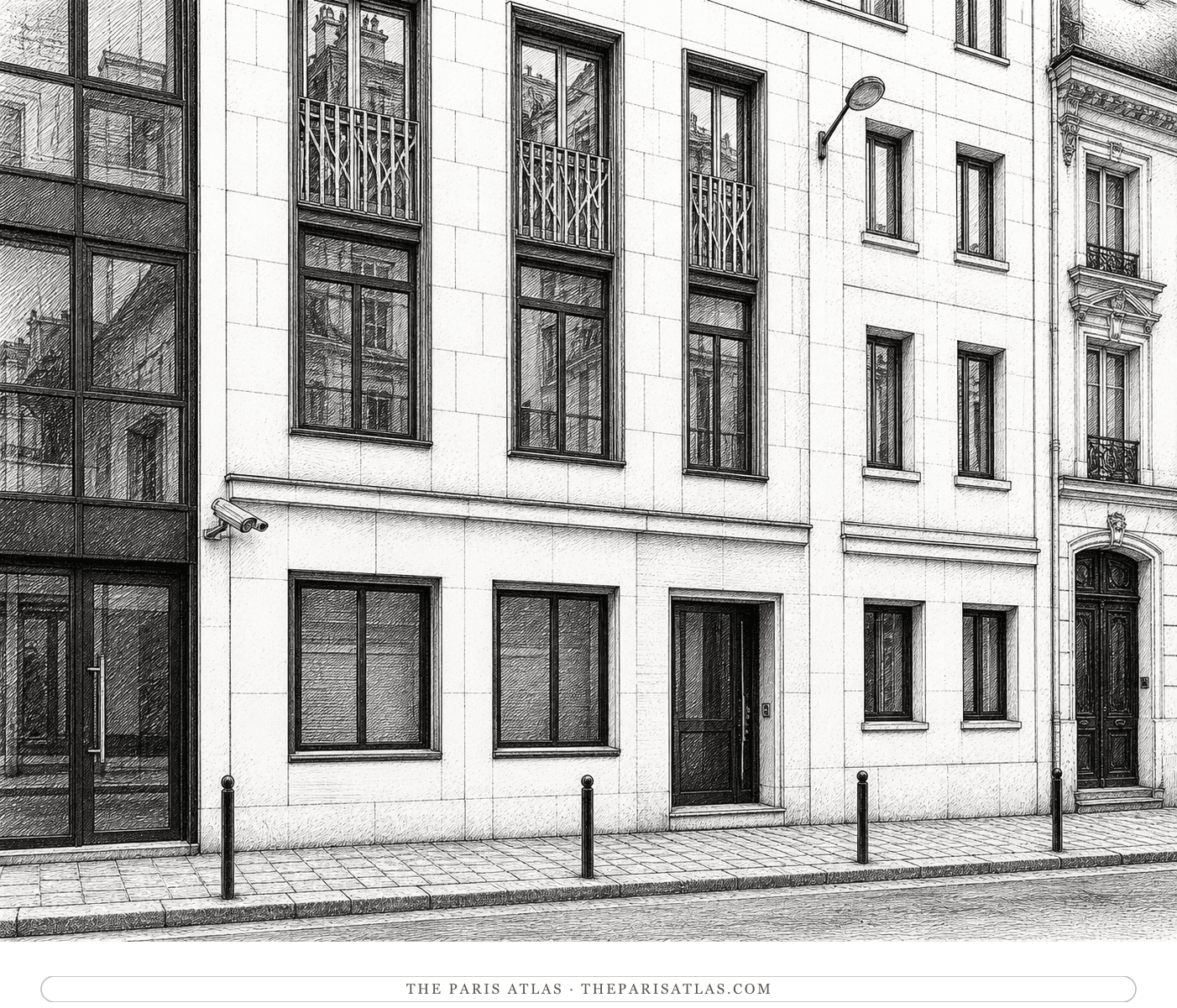
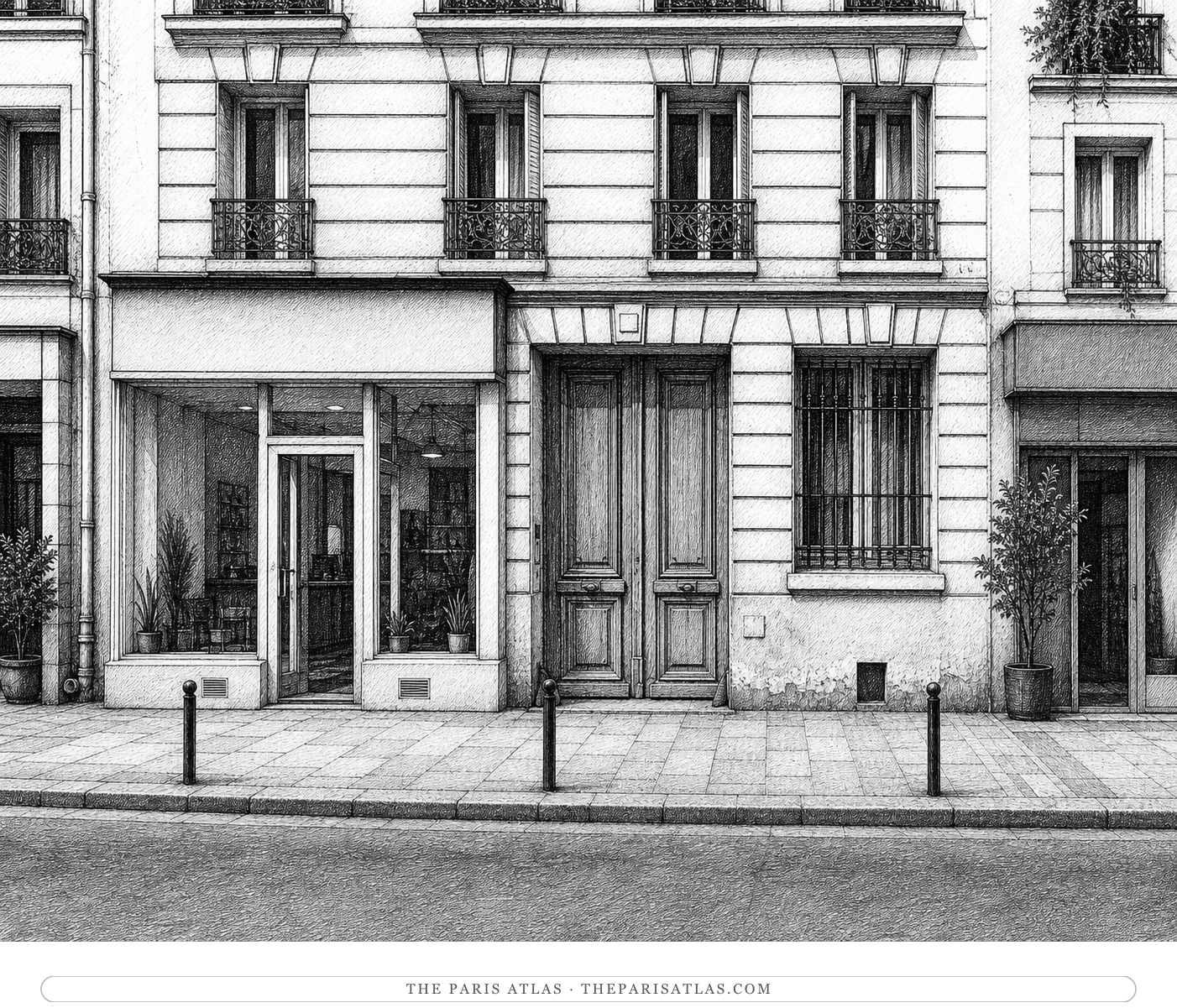
No 1895 gallery interior survives at number 6. The present site is a building on a public street whose historic commercial role has changed. Visitors can view the exterior and walk the former dealer district, but there is no exhibition room to enter. The paintings now distributed through museums are the surviving evidence of what Vollard assembled here.
The exhibition also changed Cézanne's relationship to time. Paintings made across many years entered one present-tense encounter, allowing young viewers to see development and recurring problems together. The artist's long isolation became a coherent body of work only because the gallery gathered it. Retrospection can therefore be an act of creation in reception: the canvases did not change, but the audience could finally perceive a career.
Recognition did not turn Cézanne into a Paris social figure. He remained suspicious of attention and increasingly worked in Aix, where motifs and routines could be controlled. Vollard and other intermediaries carried pictures back toward the capital. This separation between production in Provence and validation in Paris is central to the late career, and rue Laffitte is the hinge connecting them.
The show should not be described as instant universal triumph. Critics and visitors disagreed, sales and reputation developed unevenly, and Cézanne's importance expanded through subsequent exhibitions, ownership and discussion. Its decisive effect was to make enough work available that serious disagreement became possible. The next generation could respond directly rather than depend on rumours or a few canvases in Tanguy's shop.
That is why the lost gallery remains essential even though only a building stands there now.
Cézanne exhibits with the Impressionists for the last time.
Vollard gives him his first solo exhibition at 6 rue Laffitte.
Cézanne dies at Aix, by then the acknowledged model for the next generation.
1895, at Ambroise Vollard's gallery, 6 rue Laffitte. He was fifty-six and had never had one before.
It was seen by the younger painters. Matisse and Picasso both went on to own Cézannes and to work through what his pictures implied — the route from this room to Cubism is direct.
Ambroise Vollard gave Cezanne his first solo exhibition at 6 rue Laffitte in 1895, hanging around 150 canvases. He was fifty-six, and the show remade his standing among younger painters.

The house where Edgar Degas was born on 19 July 1834, on a quiet street in the 9th arrondissement — the district he would spend almost his entire life inside.
Visit the place
The Paris auction house where Gustave Caillebotte bid on his friends' unsellable pictures to keep prices up and money flowing — and where Paul Gauguin sold thirty of his own paintings to pay for Tahiti.
Visit the place
Paul Durand-Ruel's gallery, where the second Impressionist exhibition was held in 1876 — the dealer who kept buying the group's work through the years when almost nobody else would.
Visit the place
The theatre that housed the Paris Opera until it burned down in 1873. Its stage, rehearsal rooms and subscribers' foyer are the world behind Degas's dancers — and he went on painting it from memory long after it was ash.
Visit the placeThe sources below include histories, archival materials, scholarly research, and official records that informed this page. They document Galerie Ambroise Vollard, 6 rue Laffitte, the people connected to it, and its place in Paris.

Web source consulted for documented facts and historical context presented on the Galerie Ambroise Vollard, 6 rue Laffitte page.
Web source consulted for documented facts and historical context presented on the Galerie Ambroise Vollard, 6 rue Laffitte page.
Web source consulted for documented facts and historical context presented on the Galerie Ambroise Vollard, 6 rue Laffitte page.
These references provide the documented foundation for this page's history and context. Claim-level citations remain attached to the specific claims they support.
 Explore more resources
Newsletter
The cafés, studios, and walk-up flats where the work was made — one story from the map in every letter.