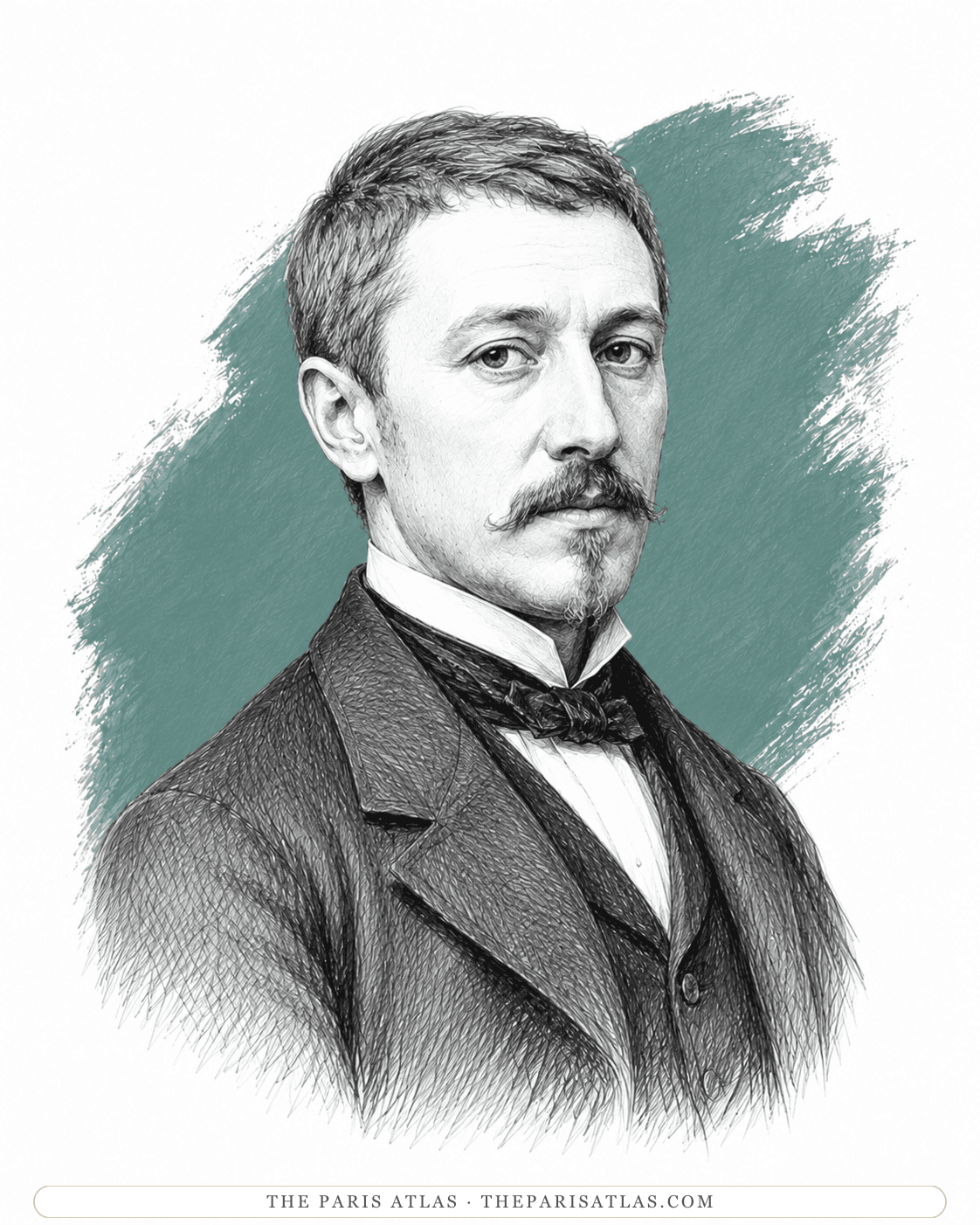
Gustave Caillebotte
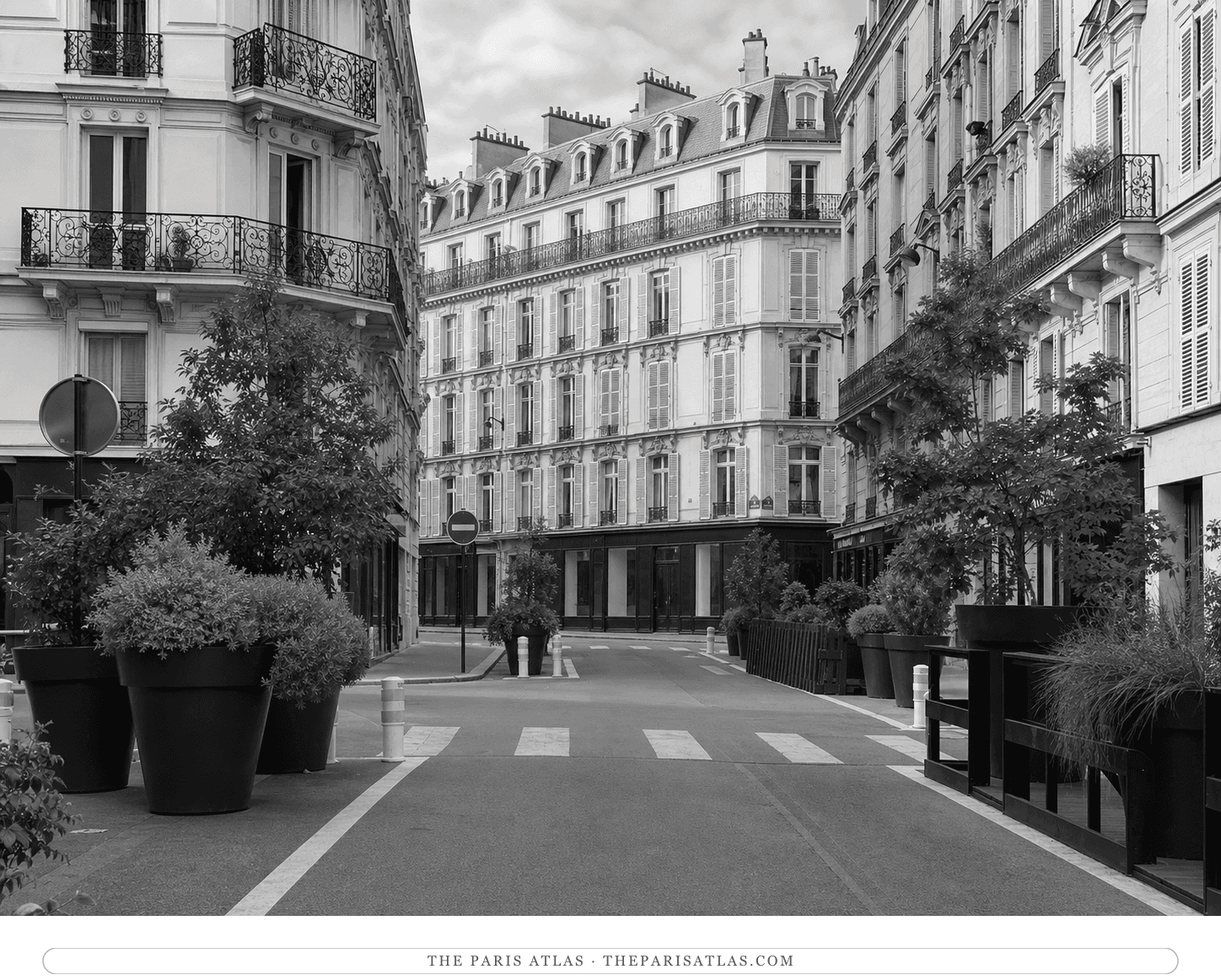
The family house Caillebotte's father built on the corner of the rue de Miromesnil and the rue de Lisbonne, and where he painted The Floor Scrapers and Young Man at His Window in 1875. The building carries both street numbers.
The corner house Gustave Caillebotte's father built, and the studio upstairs where he painted The Floor Scrapers and Young Man at His Window in 1875 — two pictures made by looking down at his own street.

Martial Caillebotte senior made a fortune supplying beds to the French army and then in property during Haussmann's rebuilding of Paris, and he built this house on the corner of the rue de Miromesnil and the rue de Lisbonne. His son Gustave Caillebotte had a studio in it.
Two of the pictures that made his name were painted here in 1875. The Floor Scrapers shows three workmen stripping a parquet floor in an upstairs room of this building, stripped to the waist, seen from above — a subject the Salon jury rejected, apparently finding manual labour an improper thing to paint at that scale. Young Man at His Window shows his brother René from behind, looking down into the street from these windows.
That downward angle is Caillebotte's signature and it comes from this address. He was a rich man painting from the windows of a house his father built with Haussmann money, looking down at the new boulevards and the men who laid their floors, and the vantage is never neutral.
The two-address business trips people up. The building is on a corner and is numbered on both streets, so accounts naming 77 rue de Miromesnil and accounts naming 13 rue de Lisbonne are describing the same house.
Caillebotte paints The Floor Scrapers and Young Man at His Window in the house.
The Floor Scrapers is shown at the second Impressionist exhibition after the Salon rejects it.
Because the house occupies a corner and is numbered on both streets. 77 rue de Miromesnil and 13 rue de Lisbonne are the same building.
In an upstairs room of this house, in 1875. The Salon rejected it; it was shown at the second Impressionist exhibition the following year and is now at the Musée d'Orsay.
The family house Caillebotte's father built on the corner of the rue de Miromesnil and the rue de Lisbonne, and where he painted The Floor Scrapers and Young Man at His Window in 1875. The building carries both street numbers.

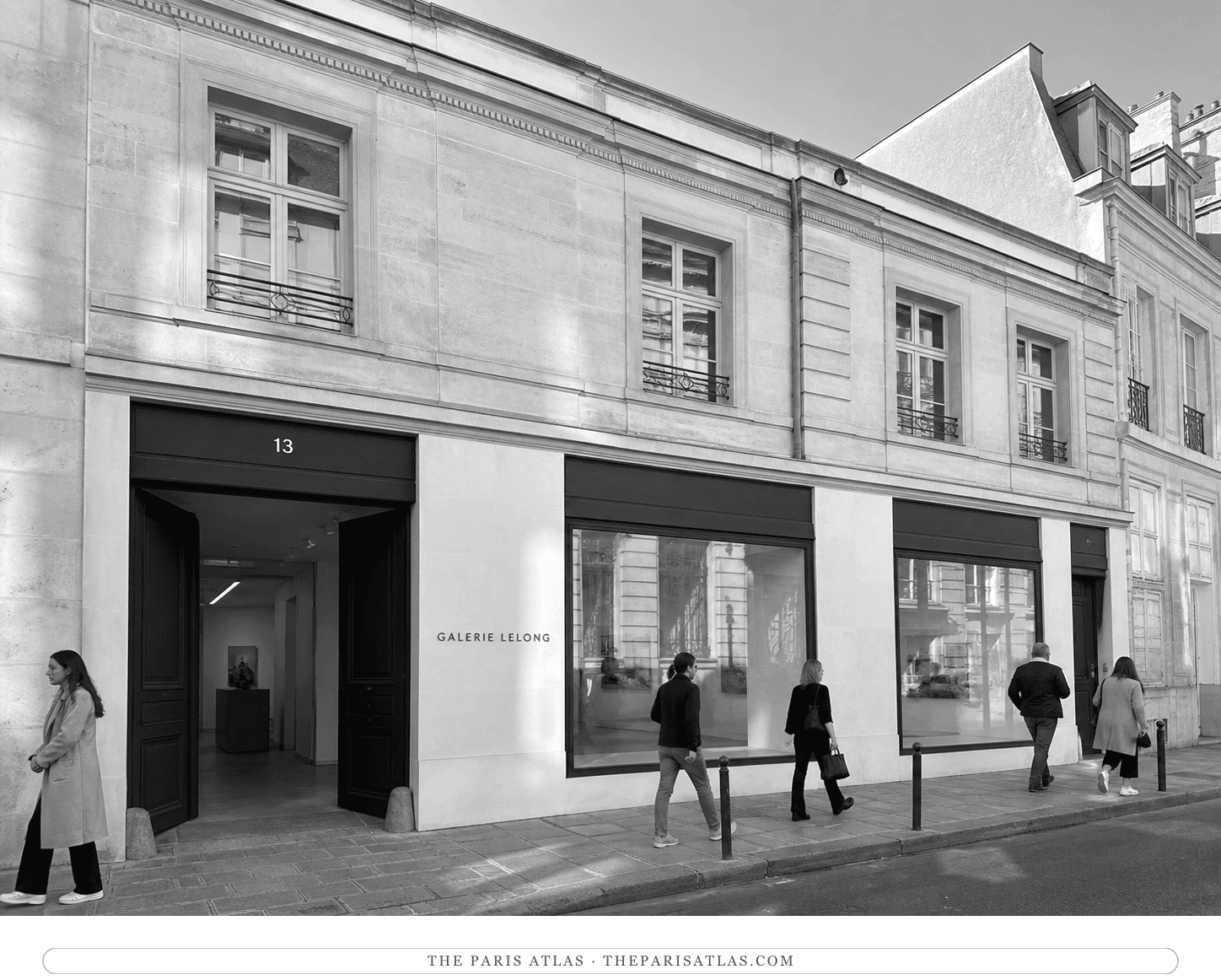
The gallery Aimé and Marguerite Maeght opened in 1945–46 and ran as one of the most important dealerships of post-war French art — Marc Chagall's Paris dealer for decades. The original firm later became Maeght-Lelong and then Galerie Lelong, the current occupant.
Visit the place
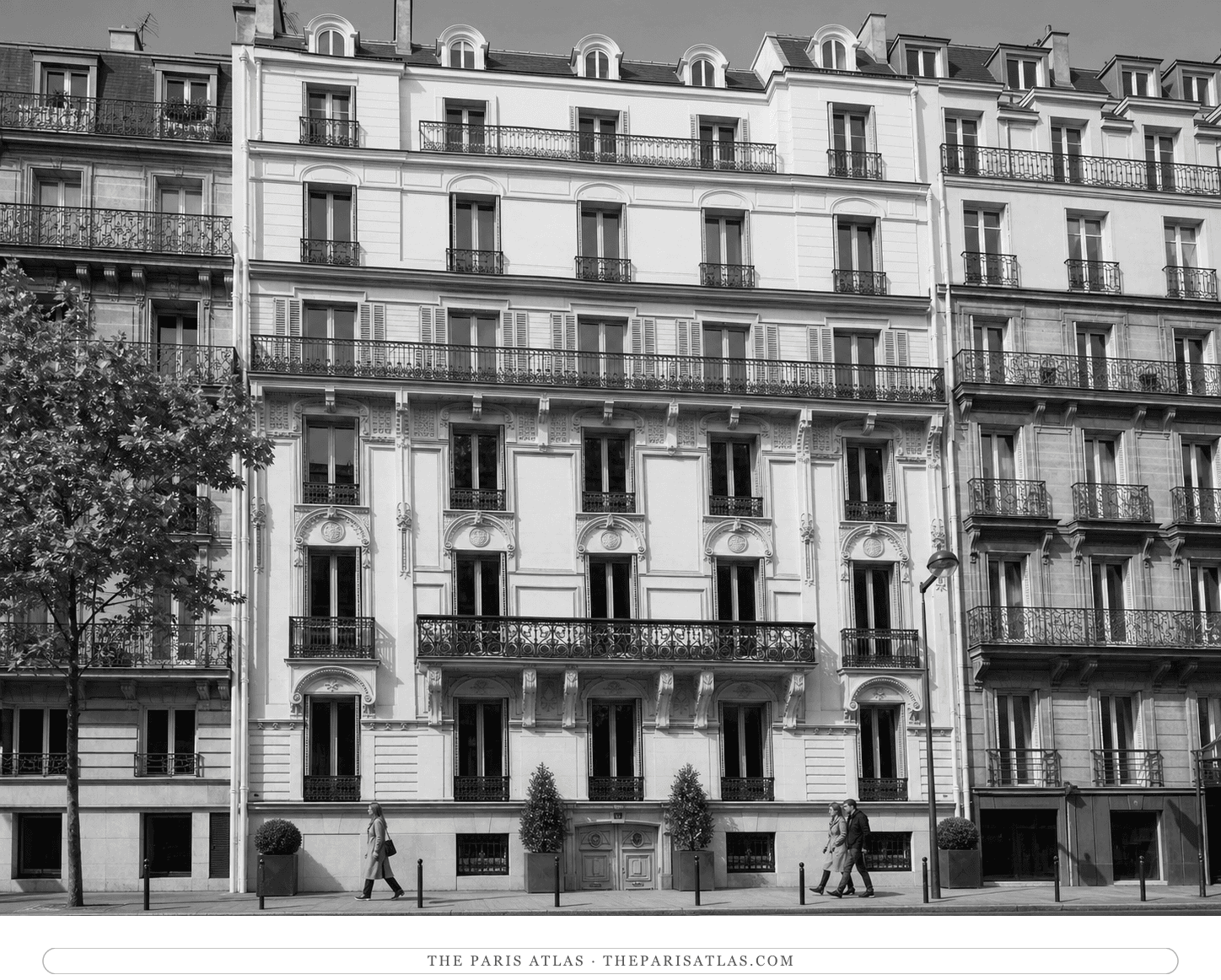
Where Pablo Picasso lived and worked from 1918 with Olga Khokhlova — the apartment in the gallery district that marks his arrival into wealth, with a cook, a chauffeur, a chambermaid and a nurse, and his dealer Paul Rosenberg two doors along.
Visit the place
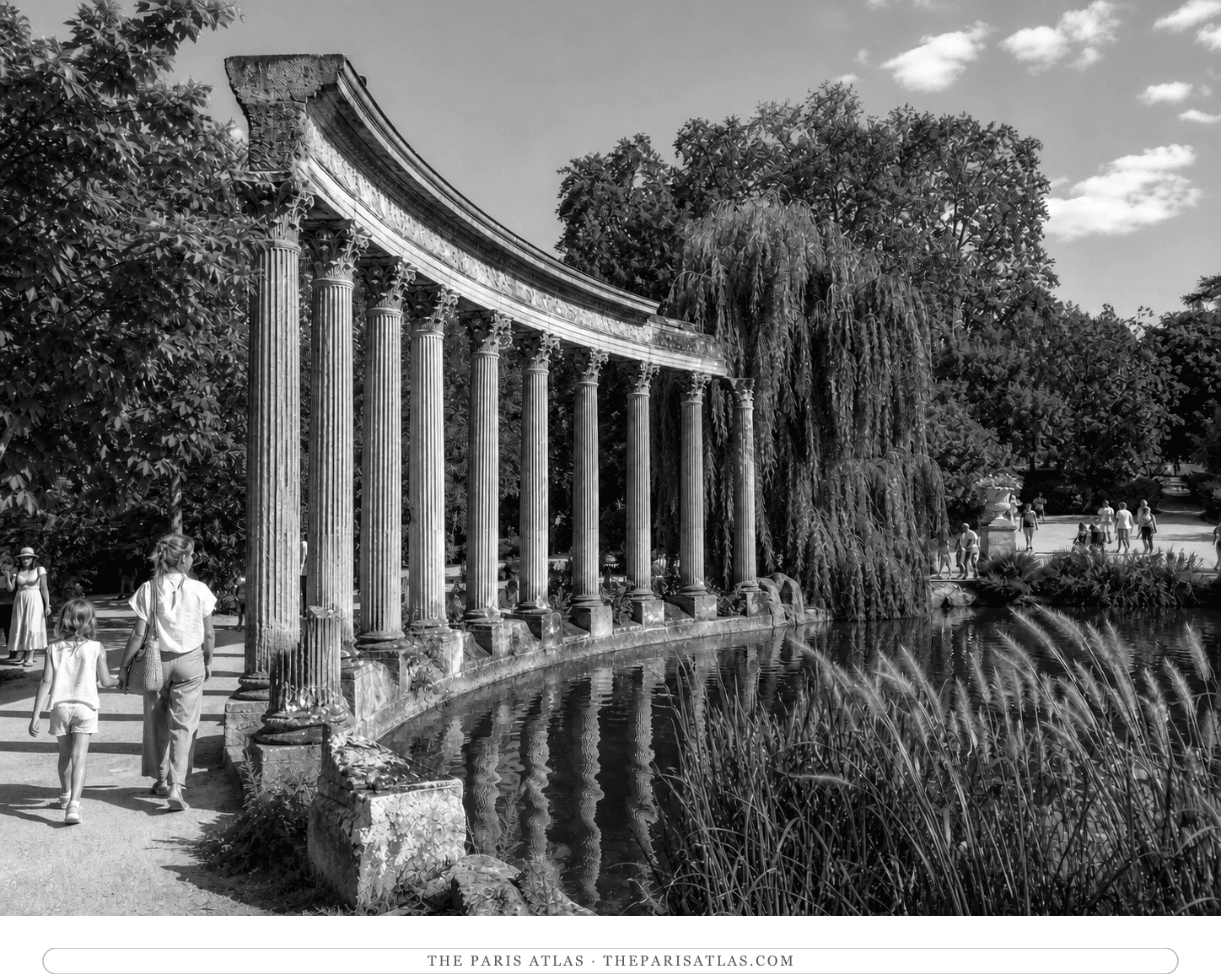
An unusually theatrical park in the 8th arrondissement, full of deliberate follies — a colonnade round a pond, a pyramid, fake ruins — laid out in the 1770s as a private garden and opened to the public in 1861. It is where the young Marcel Proust played, and where he met his first love in July 1886.
Visit the place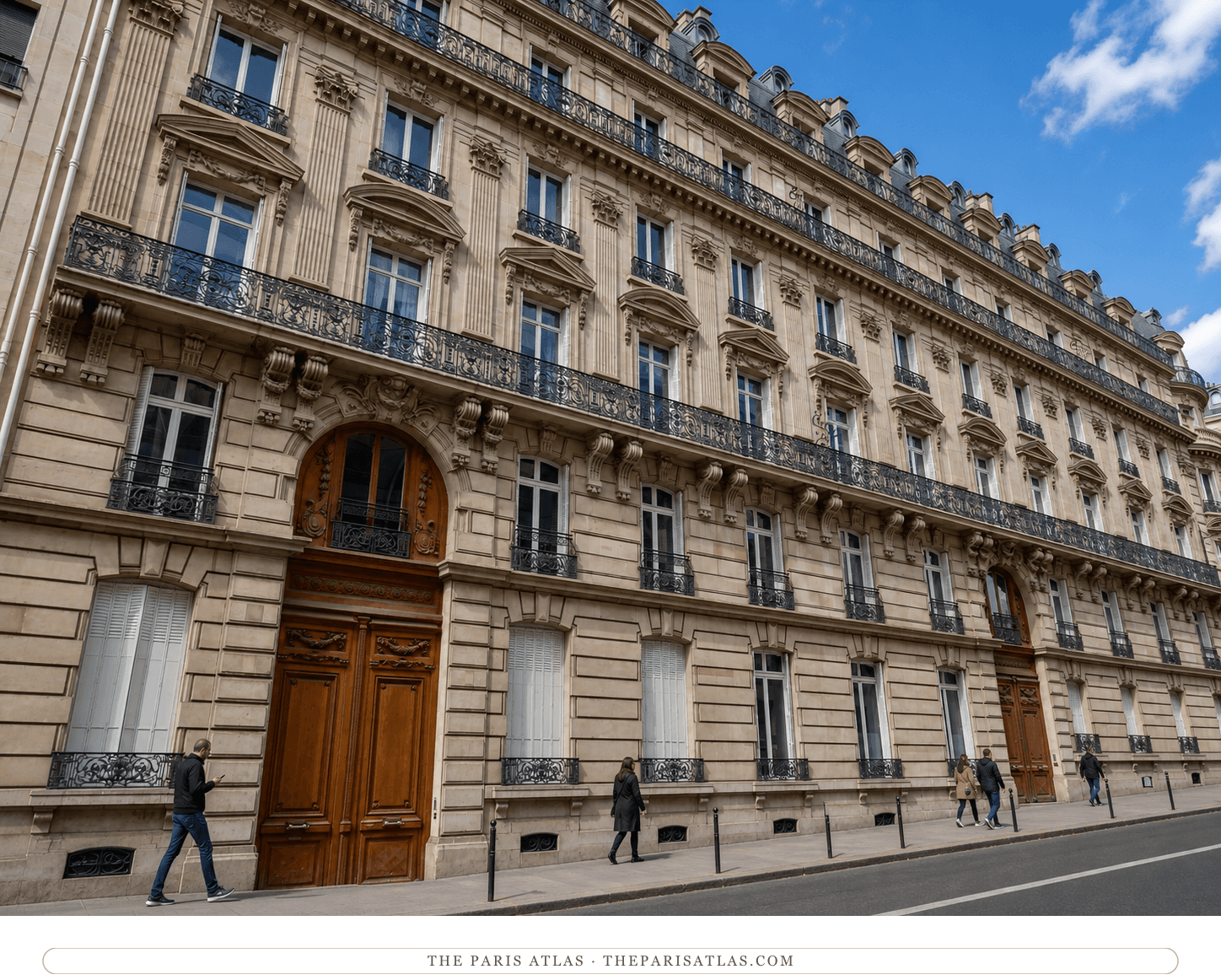
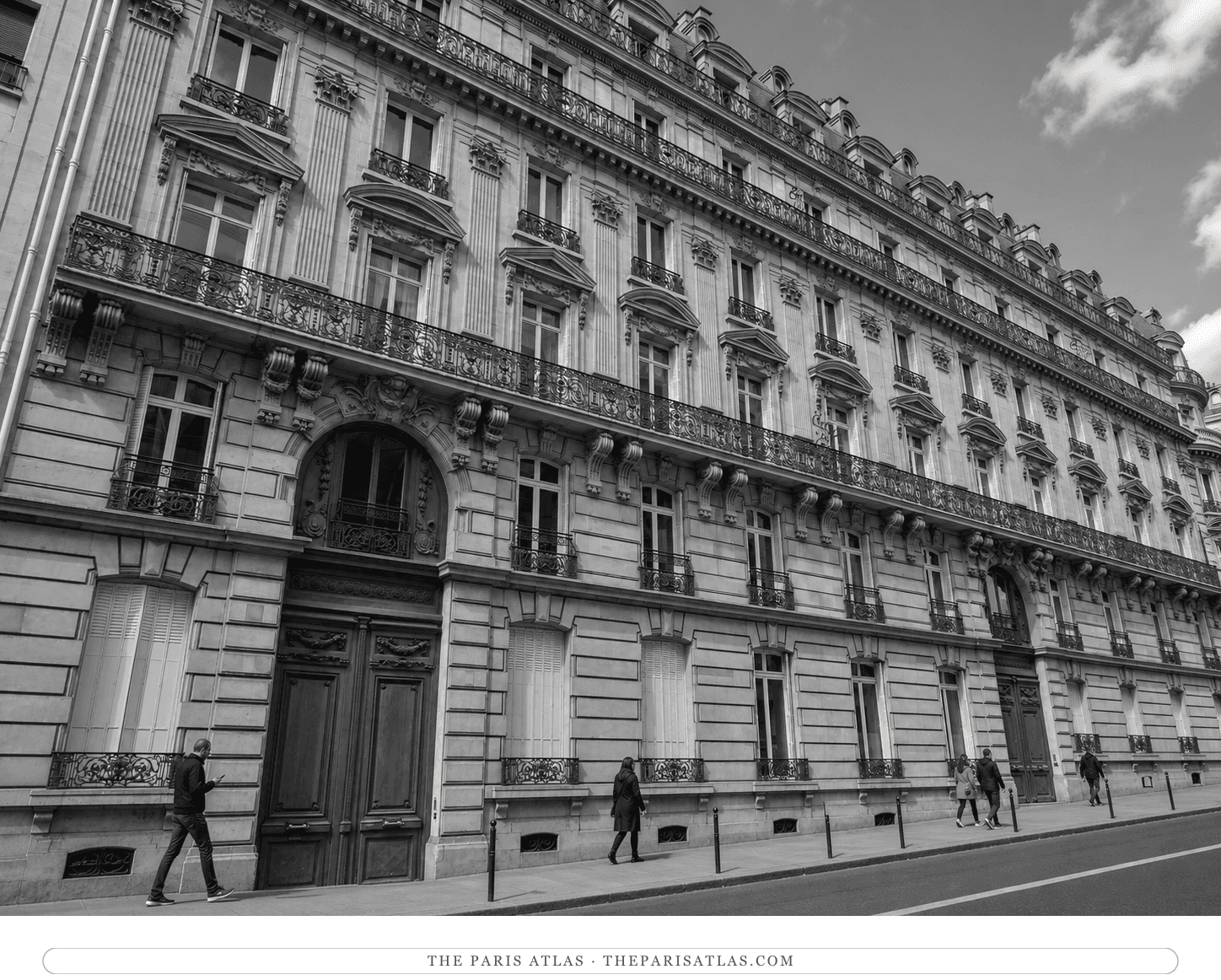
Where the Proust family moved in 1900, and where Marcel lived until 1906 — the most socially active stretch of his life, receiving writers, artists and journalists and giving dinners. A commemorative plaque was installed by the City of Paris in 2022.
Visit the placeThe sources below include histories, archival materials, scholarly research, and official records that informed this page. They document 77 rue de Miromesnil, the people connected to it, and its place in Paris.


Web source consulted for documented facts and historical context presented on the 77 rue de Miromesnil page.
Web source consulted for documented facts and historical context presented on the 77 rue de Miromesnil page.
Web source consulted for documented facts and historical context presented on the 77 rue de Miromesnil page.
Web source consulted for documented facts and historical context presented on the 77 rue de Miromesnil page.
These references provide the documented foundation for this page's history and context. Claim-level citations remain attached to the specific claims they support.
 Explore more resources
Newsletter
The cafés, studios, and walk-up flats where the work was made — one story from the map in every letter.