Henry Miller
Frequented by
A regular meeting point for Miller, Alfred Perlès and Michael Fraenkel in the 1930s — the arguments with Fraenkel fed the method behind Tropic of Cancer.
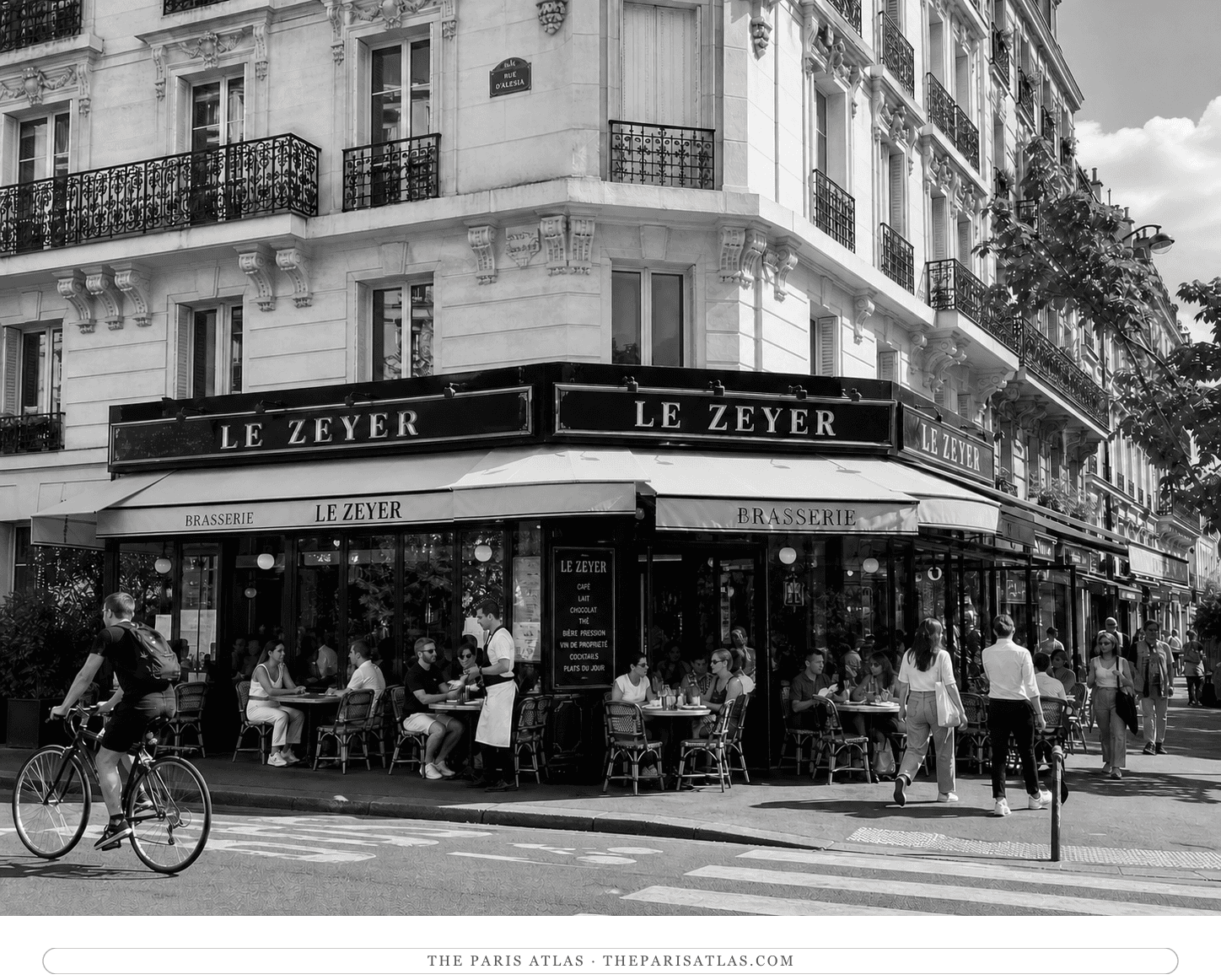
A corner café-brasserie in Alésia where Henry Miller met regularly with Alfred Perlès and Michael Fraenkel during the years that fed into Tropic of Cancer. Still trading on the same corner.

The Zeyer sits on the corner where the rue d'Alésia meets the avenue du Maine, in the fourteenth. Older accounts give its address as 230–234 avenue du Maine and current ones as 62 rue d'Alésia — the same building, entered from a different side, which is worth knowing if you are following a bibliography.
Henry Miller met here regularly with Alfred Perlès and Michael Fraenkel during the 1930s. Fraenkel matters more than his obscurity suggests: it was in argument with him that Miller worked out a good deal of what became his method, and their exchange later ran to a long published correspondence about Hamlet.
That is what this café is for on the map. The Dôme and the Rotonde are where Miller is pictured; the Zeyer is where three writers with no money sat for hours arguing about books, which is the activity the pictures leave out.
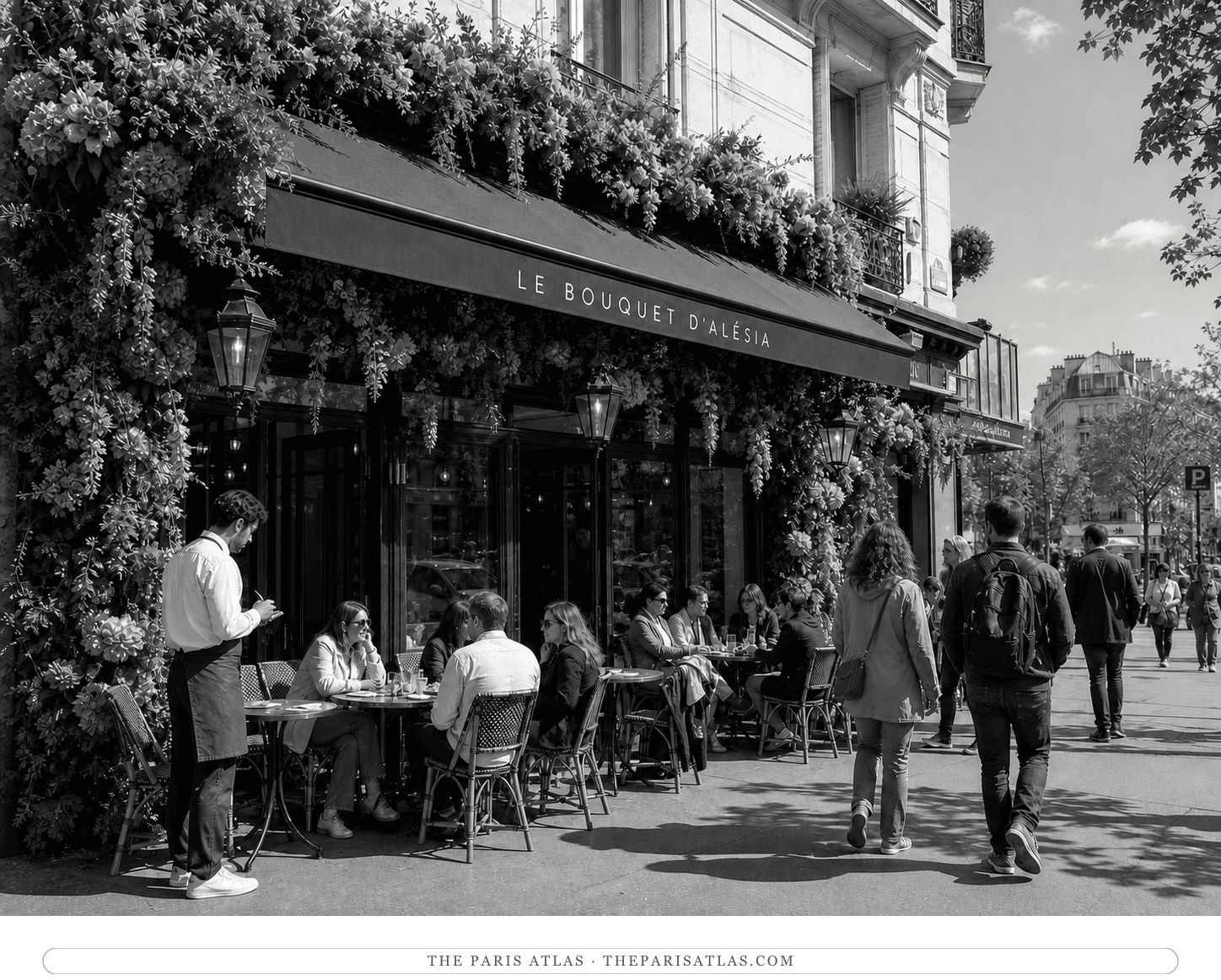
It is also, like the Bouquet d'Alésia a few hundred metres away, a long way south of the Montparnasse of the legend. The Alésia cafés are Miller's actual neighbourhood in the years around 18 villa Seurat.
Still open, and still a brasserie you can sit in.
Miller, Perlès and Fraenkel meet regularly at the Zeyer during the Tropic of Cancer years.
Tropic of Cancer is published in Paris.
Henry Miller, Alfred Perlès and Michael Fraenkel, regularly, through the 1930s. Fraenkel is the least famous of the three and the most consequential for Miller's thinking — much of his method was worked out in argument with him, and their exchange became a long published correspondence about Hamlet.
Both — it is a corner building. Older accounts give the address as 230–234 avenue du Maine; the public entrance today is at 62 rue d'Alésia. If you are following an older source, you are looking for the same place.
Yes, it is still a working café-brasserie. It pairs naturally with the Bouquet d'Alésia a few hundred metres away and with 18 villa Seurat — the three make a short Miller walk in the 14th, well away from the Montparnasse cafés he is usually associated with.
Frequented by
A regular meeting point for Miller, Alfred Perlès and Michael Fraenkel in the 1930s — the arguments with Fraenkel fed the method behind Tropic of Cancer.

A corner café-brasserie in the 14th, and one of the few Paris addresses Henry Miller names himself. In a manuscript dated 17 March 1937 he places himself here, examining a section of the café's marble counter with the painter David Edgar.
Visit the place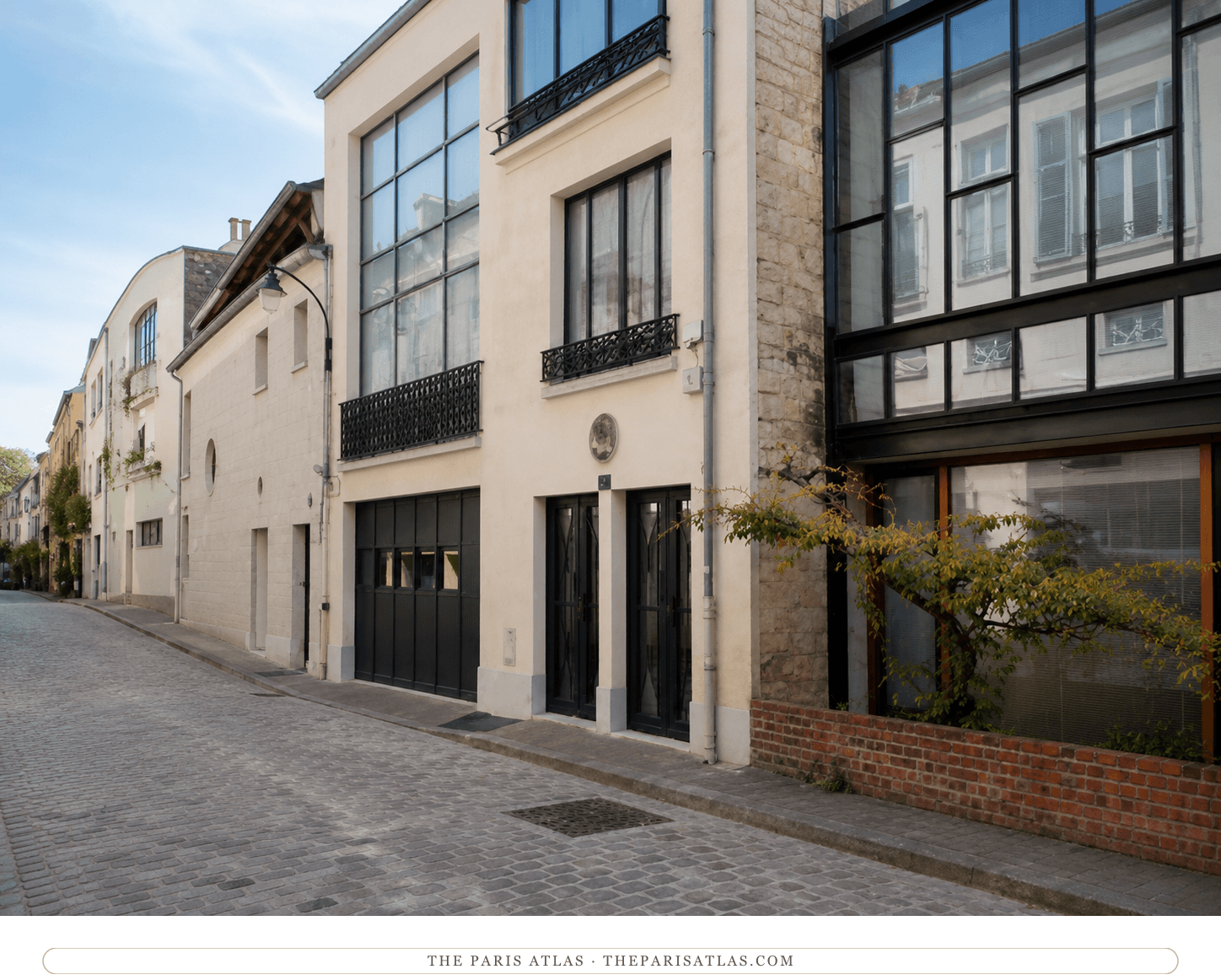
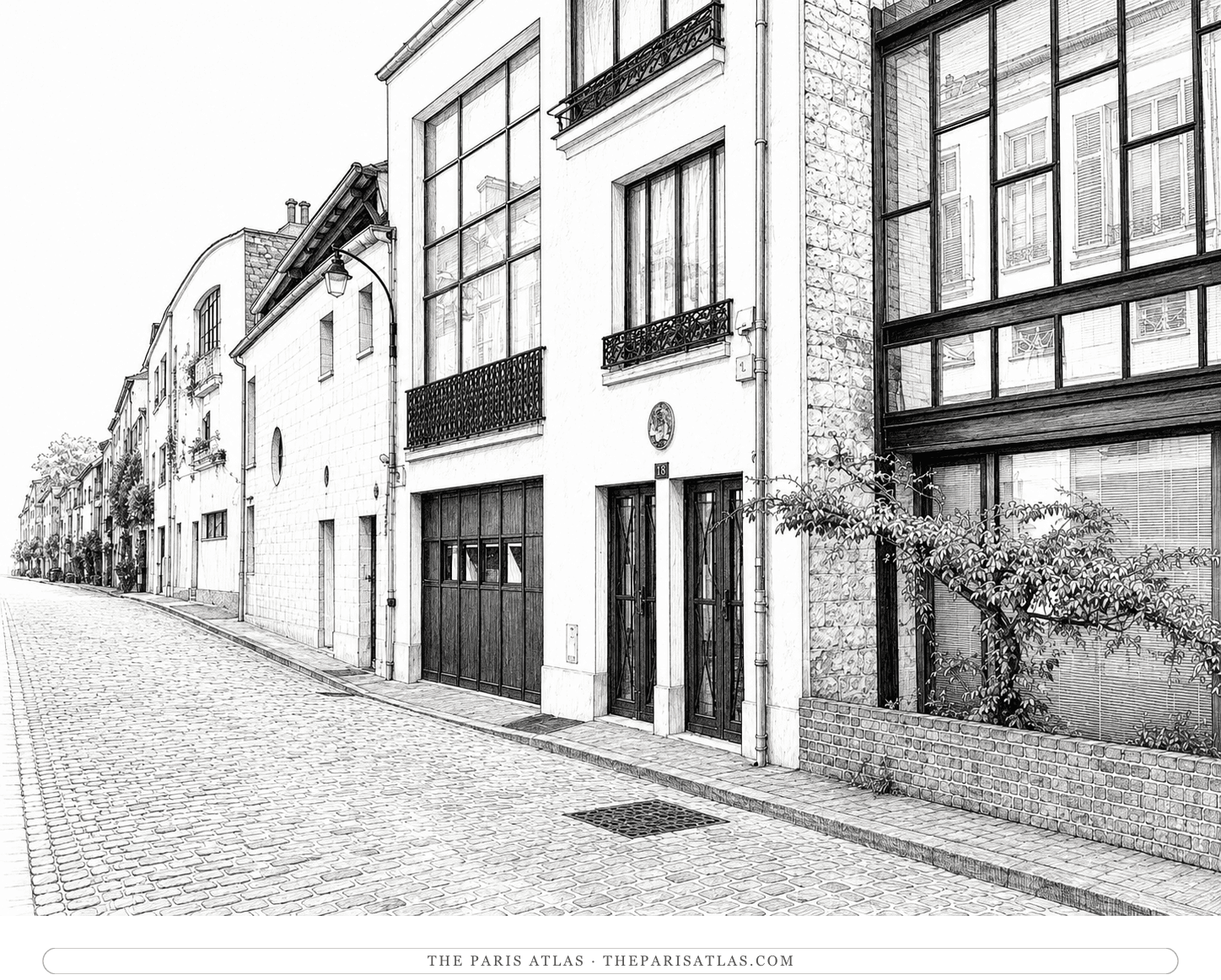
Henry Miller's studio flat from 1934 to 1939 — the headquarters of the Villa Seurat circle, and the address where Tropic of Cancer was delivered to the door the day he moved in.
Visit the place
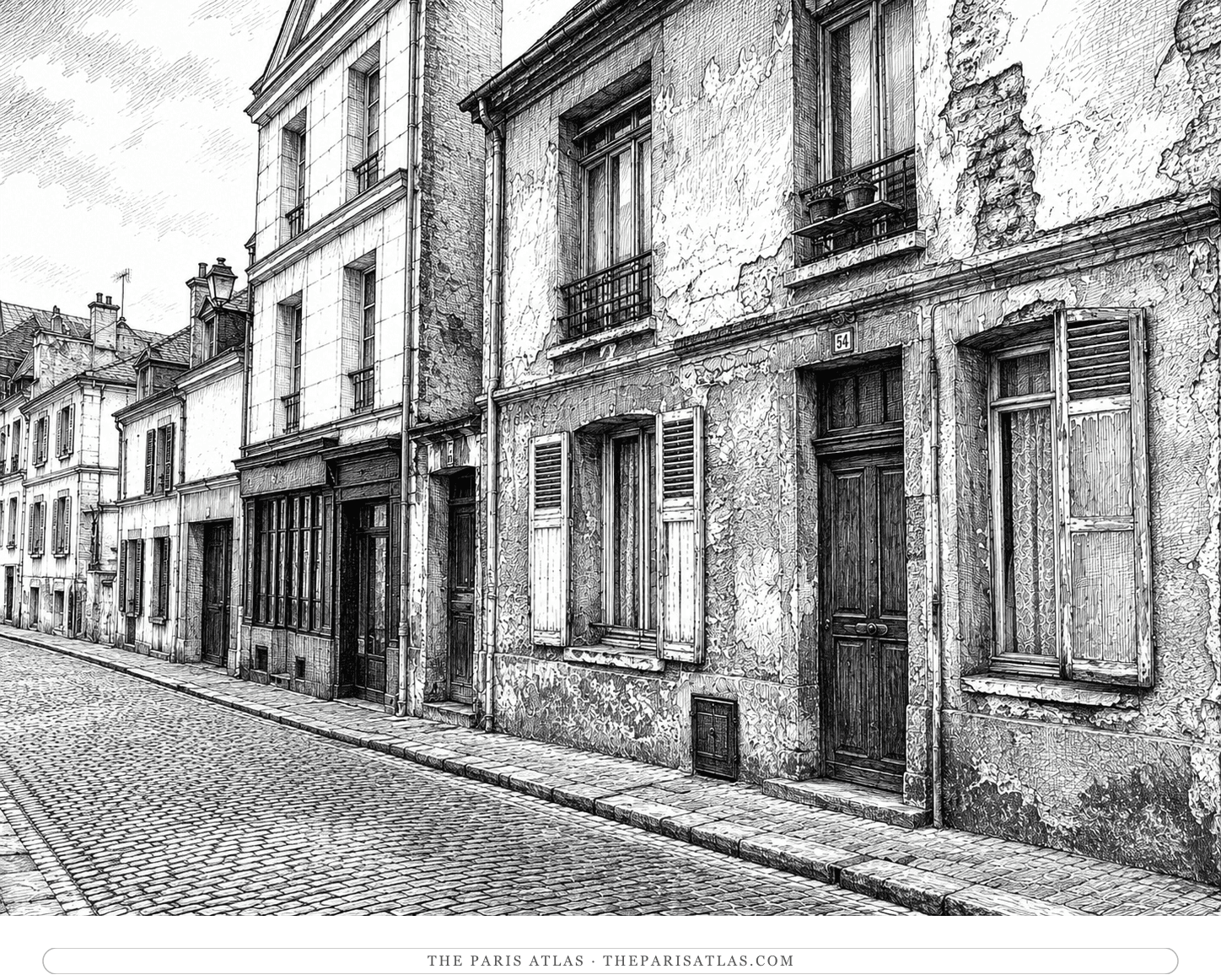
A workers' street behind the Montparnasse yards with two literary lives — the surrealists' communal house at No. 54, and Henry Miller's broke wanderings looking for a friend and a meal.
Visit the place
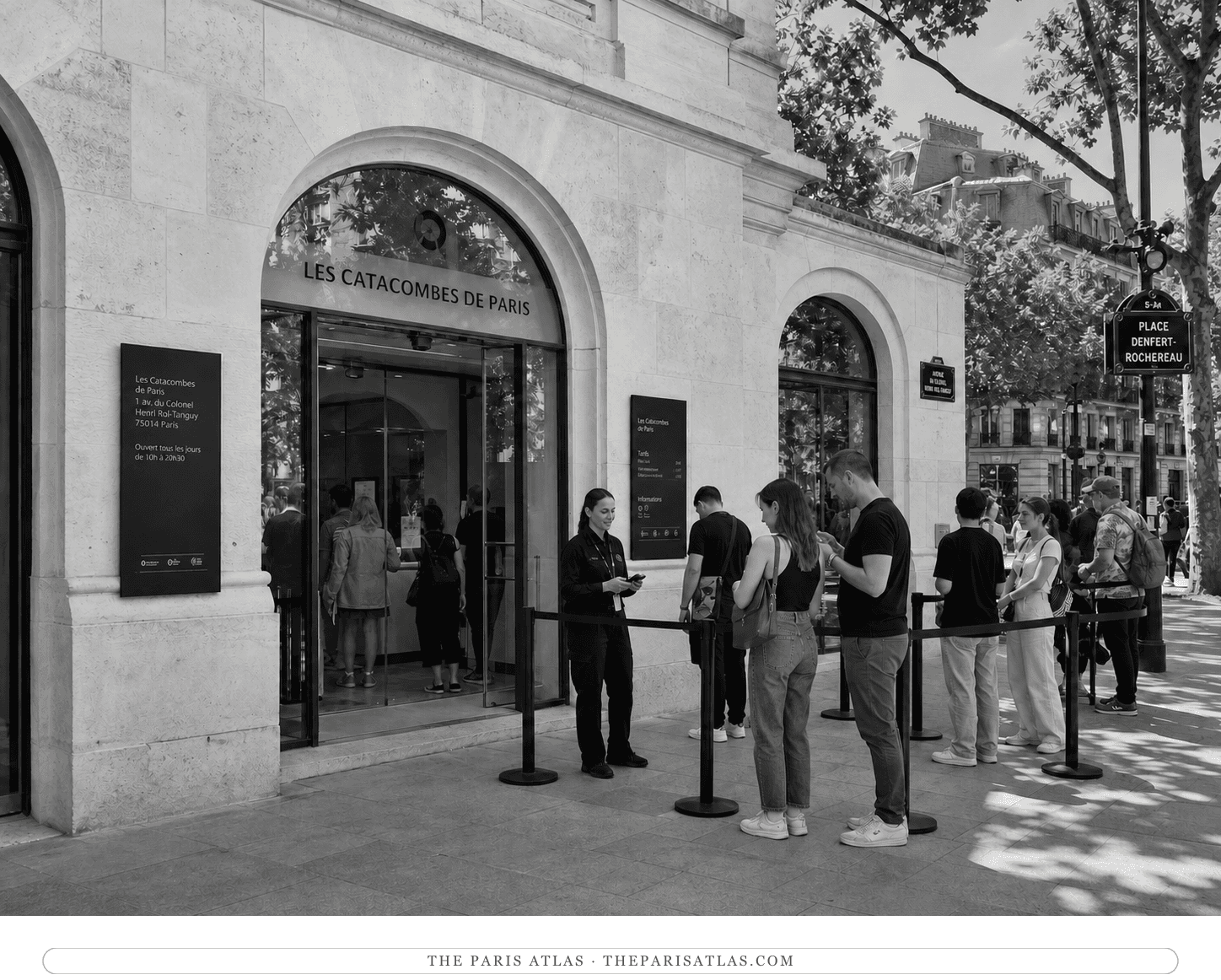
The Catacombs are a municipal ossuary in a disused limestone quarry twenty metres under the 14th arrondissement, holding the remains of several million Parisians moved out of the city's overflowing graveyards from 1786 onward. The visit is a 1.5 km one-way walk, 131 steps down and 112 up, at a constant 14°C. Open Tuesday to Sunday, 9.45 a.m.–8.30 p.m., last admission 7.30 p.m.; full rate €31.
Visit the placeThe sources below include histories, archival materials, scholarly research, and official records that informed this page. They document Le Zeyer, the people connected to it, and its place in Paris.


The scholarly account of the Miller–Fraenkel exchange, which places Miller and Perlès at the Zeyer in the Tropic of Cancer period.
On the Zeyer as a regular meeting point for Miller, Perlès and Fraenkel.

Map data used to verify addresses, geographic coordinates, and the placement associated with Le Zeyer.

Biographical evidence used to verify chronology, relationships, and historical context connected to Le Zeyer.
These references provide the documented foundation for this page's history and context. Claim-level citations remain attached to the specific claims they support.
 Explore more resources
Newsletter
The cafés, studios, and walk-up flats where the work was made — one story from the map in every letter.