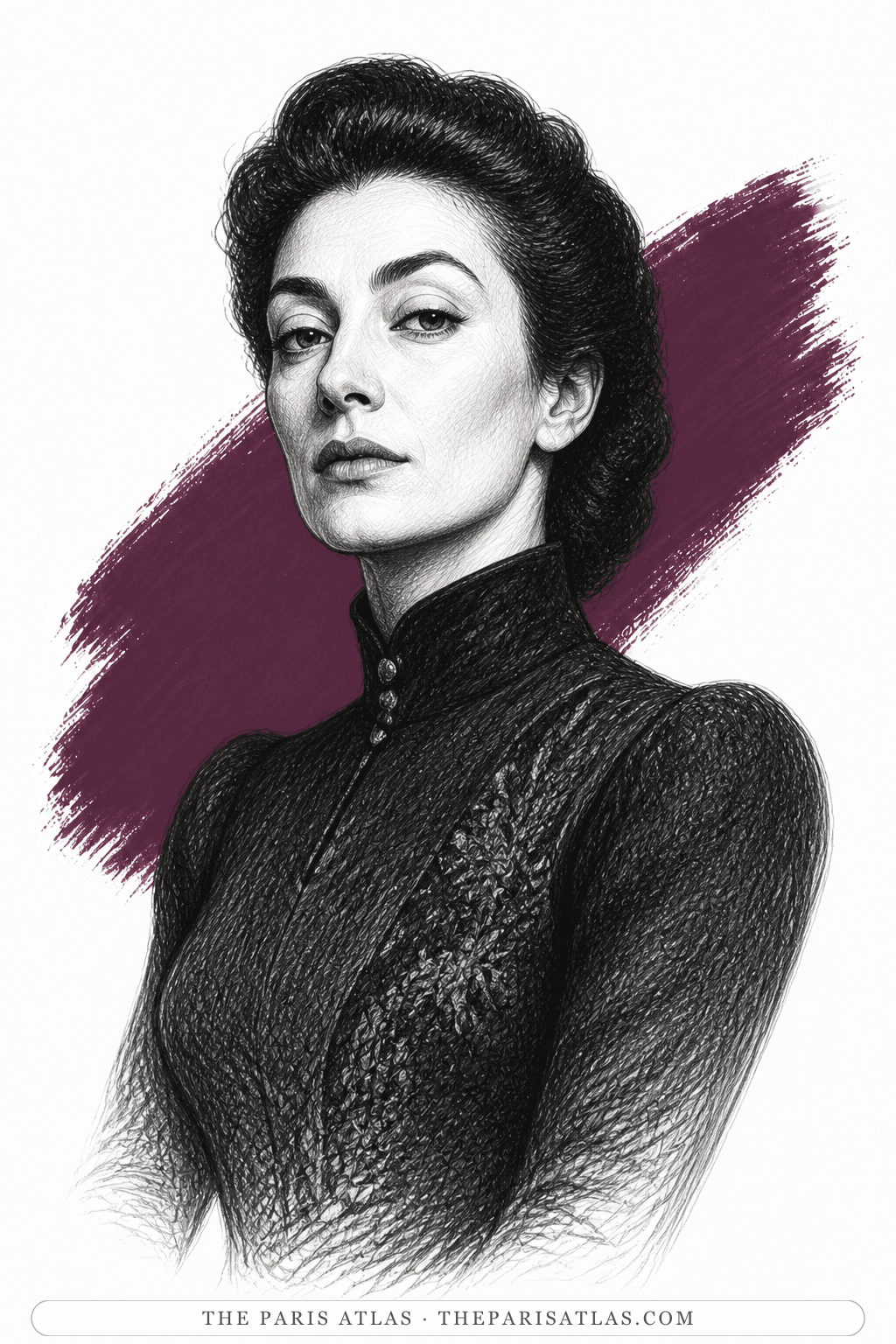
Leonor Fini
Worked here
Fini designed sets and costumes for stage productions at the Palais Garnier as part of her postwar work for opera and theatre.
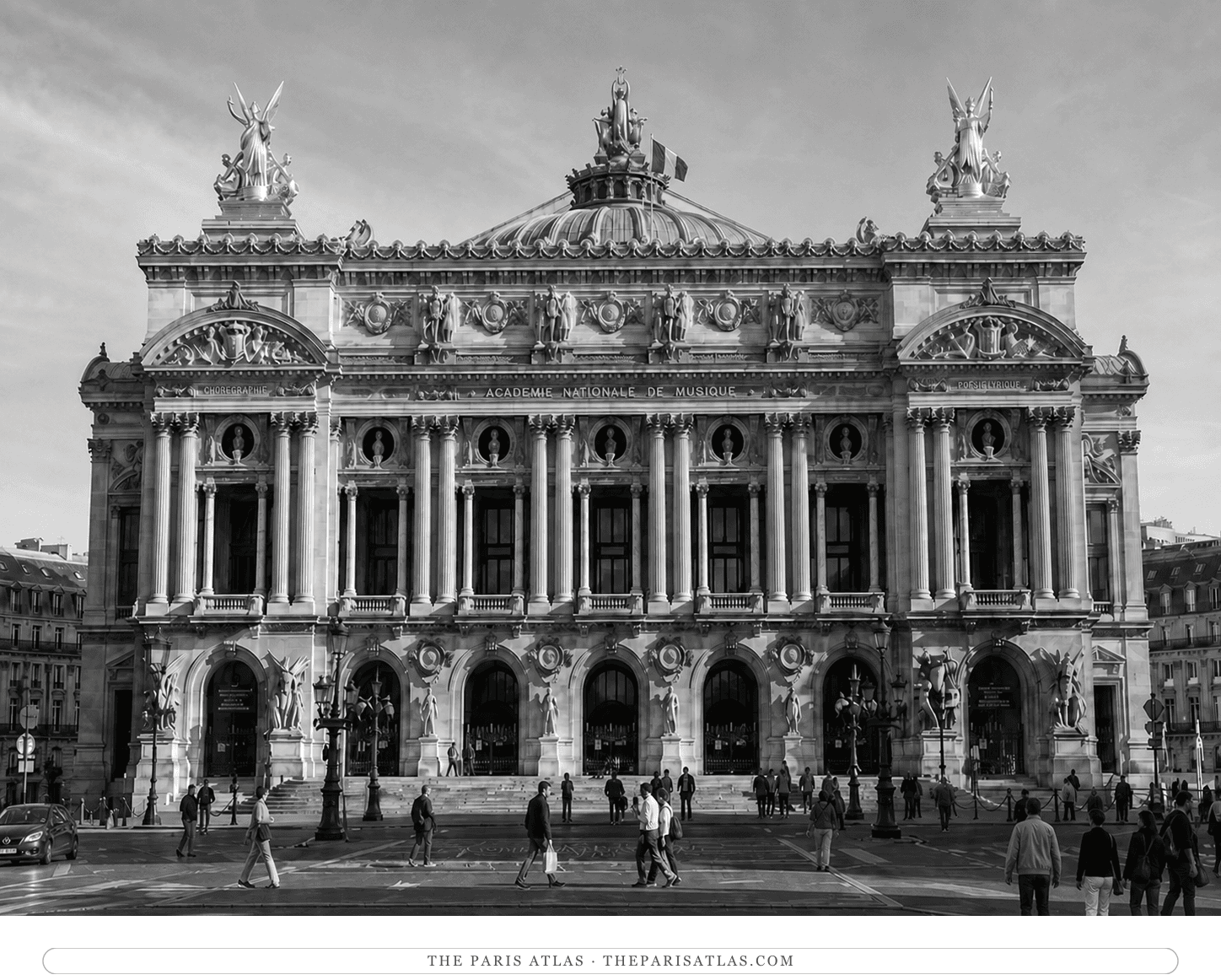
The Paris opera house — Charles Garnier's Second Empire palace on the place de l'Opéra, inaugurated on 5 January 1875 and the home of the Paris Opera ever since.

The building began with an assassination attempt. On 14 January 1858 an attempt was made on the lives of Emperor Napoleon III and the Empress Eugénie in front of the Salle Le Peletier, the hall the Paris Opera had used since 1821. A new house followed, and in 1860 an international competition was organised to design it. Of 171 projects submitted, the jury chose unanimously the one entered by a thirty-five-year-old, unknown winner of the Grand Prix de Rome: Charles Garnier.
Construction ran fifteen years and was interrupted by the Franco-Prussian War of 1870. Then, in 1873, fire destroyed the Le Peletier hall, and the company was left with no house at all until the new one opened. The Palais Garnier was inaugurated on 5 January 1875, under the presidency of Mac Mahon — by which point the Second Empire that commissioned it had fallen. It was made of stone, marble and gold, and by the Opera's own account it was the monument rather than the performances that the public rushed to see. Garnier, who had overseen the work for thirteen years, was obliged to pay 120 francs for his box in the second circle.
By the Belle Époque the Palais Garnier was, in the Opera's phrase, one of the major meeting and entertaining places of Paris — a building people went to in order to be seen in it. This is the house an English visitor of the period meant by "the Grand Opera", and it is almost certainly where Agatha Christie sat when her mother took her to the opera during her Paris finishing-school year of 1905–06 — her estate's biography records the visits without naming the building. The house stands a few minutes' walk from the American Express office at Opéra and the Olympia on the boulevard des Capucines. In 1910 Sergei Diaghilev's Ballets Russes premiered three Fokine ballets on its stage; in June 1911 it gave the complete Ring of the Nibelung.
Gaston Leroux set Le Fantôme de l'Opéra (1910) inside this building, which is why a great many people who have never seen an opera can describe its staircase and its cellars. What is actually up there is Marc Chagall's ceiling, painted over the auditorium. The Opera has played here since 1875; the Opéra Bastille was inaugurated on 13 July 1989 for the bicentenary of the Revolution, and in 1990 the two houses were gathered into a single public institution. The Palais Garnier still gives 172 performances a season and takes in over a million visitors a year.
An assassination attempt on Napoleon III and the Empress Eugénie outside the Salle Le Peletier, on 14 January, sets the search for a new opera house going.
An international competition draws 171 projects; the jury unanimously picks the entry of Charles Garnier, thirty-five and unknown.
Building work, already ten years old, is interrupted by the Franco-Prussian War.
Fire destroys the Salle Le Peletier, the company's house since 1821.
The Palais Garnier is inaugurated on 5 January, under the presidency of Mac Mahon.
Agatha Christie, at a Paris finishing school, is taken by her mother to what her estate's biography calls the Grand Opera. It does not name the building; the Paris Opera's house in those years was this one.
Diaghilev's Ballets Russes premiere three Fokine ballets here.
The complete Ring of the Nibelung is given in June.
The Opéra Bastille is inaugurated on 13 July for the bicentenary of the Revolution; the Palais Garnier keeps its season.
A single public institution is created to hold both houses.
172 performances a season and more than a million visitors a year, with guided and self-guided tours between rehearsals.
It was inaugurated on 5 January 1875, under the presidency of Mac Mahon. Building had taken fifteen years, interrupted by the Franco-Prussian War of 1870, and by the time it opened the Second Empire that ordered it no longer existed.
Charles Garnier, who was thirty-five and unknown — a winner of the Grand Prix de Rome — when the international competition of 1860 chose his project unanimously from 171 entries. Having overseen thirteen years of construction, he then had to pay 120 francs for his own box in the second circle on opening night.
On 14 January 1858 an assassination attempt was made on Napoleon III and the Empress Eugénie as they arrived at the Salle Le Peletier, where the Opera had played since 1821. The emperor's project for a new house followed. The Le Peletier hall itself burned down in 1873, two years before the Palais Garnier was ready.
Yes. Gaston Leroux set Le Fantôme de l'Opéra, published in 1910, inside this building — its staircase, its stage machinery and its cellars. Every stage and screen version since has been set in the same house.
Yes. Alongside its season of opera, ballet and concerts, the house opens for self-guided and guided tours, taking in the Grand Staircase, the auditorium under Marc Chagall's ceiling, and the foyers. Online booking is compulsory and rehearsals can close rooms at short notice.
They are the two houses of the same company. The Palais Garnier has been the Paris Opera's home since 1875; the Opéra Bastille, a 2,700-seat modern house, was inaugurated on 13 July 1989 for the bicentenary of the Revolution, and in 1990 both were gathered into a single public institution.
Worked here
Fini designed sets and costumes for stage productions at the Palais Garnier as part of her postwar work for opera and theatre.
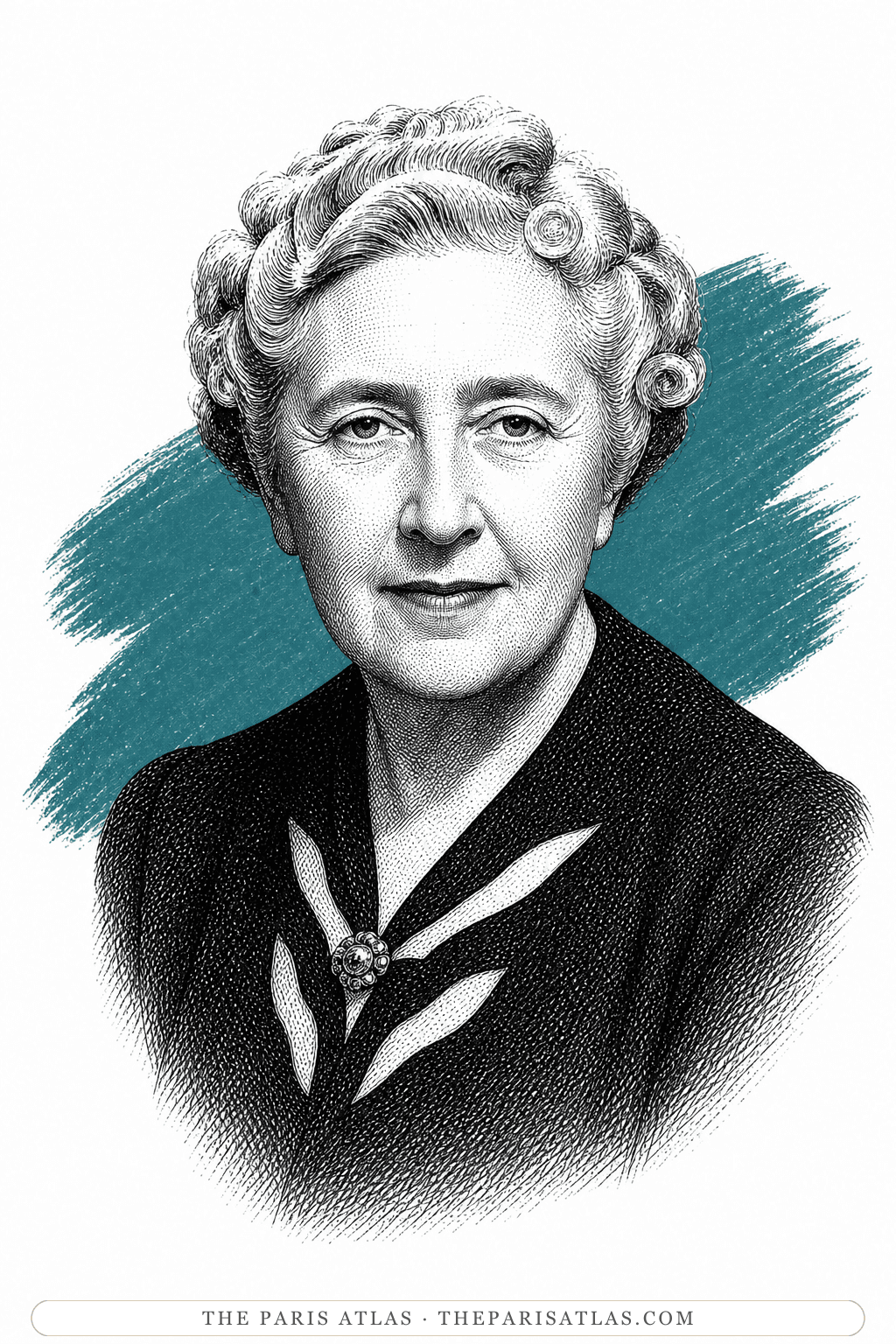
Visited by · 1905–1906
Christie's estate documents the outings but not the address. Its official biography, on the year she spent at Paris pensions from the age of fifteen, says that "much more to her tastes were the visits with her mother to the Grand Opera and excursions to Versailles, Fontainebleau and other historic places" — so that she went to the opera in Paris with Clara Miller in 1905–06 is stated directly. Which building is not. The identification rests on two things: "the Grand Opera" was the ordinary English name for the Paris Opera, as distinct from the Opéra-Comique, the city's other opera house; and the Paris Opera's house throughout those years was the Palais Garnier, which the company had occupied since 1875 and would occupy alone until the Opéra Bastille opened in 1989. The Opera's own history of the period describes the Palais Garnier as one of the major meeting and entertaining places of Paris in the Belle Époque, which is exactly the sort of evening the estate is describing. Recorded as probable rather than documented because no source in hand puts Christie inside this building by name.
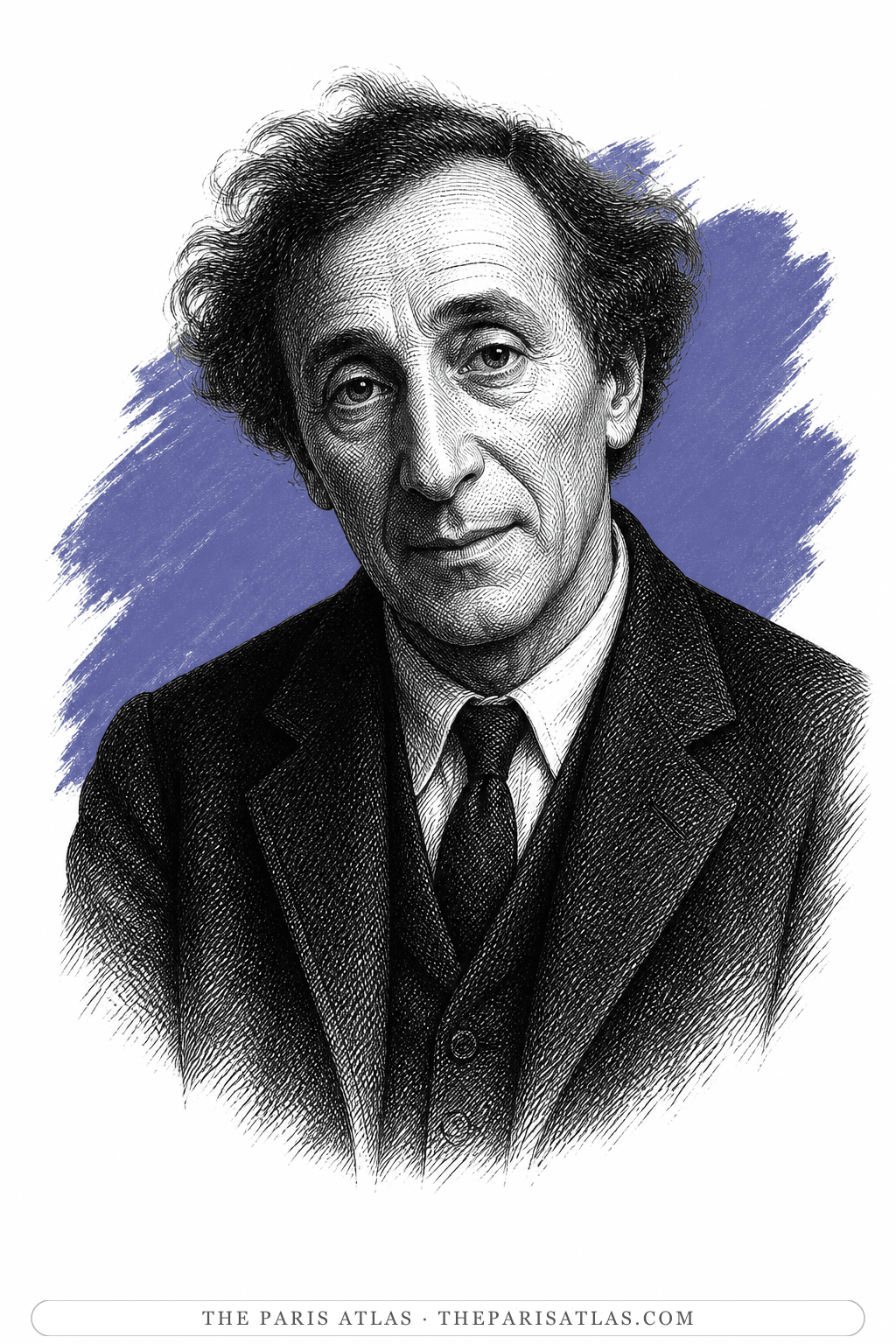
Andre Malraux commissioned Chagall to paint a new ceiling for the Palais Garnier auditorium, unveiled in 1964. He oversaw its installation over several months.
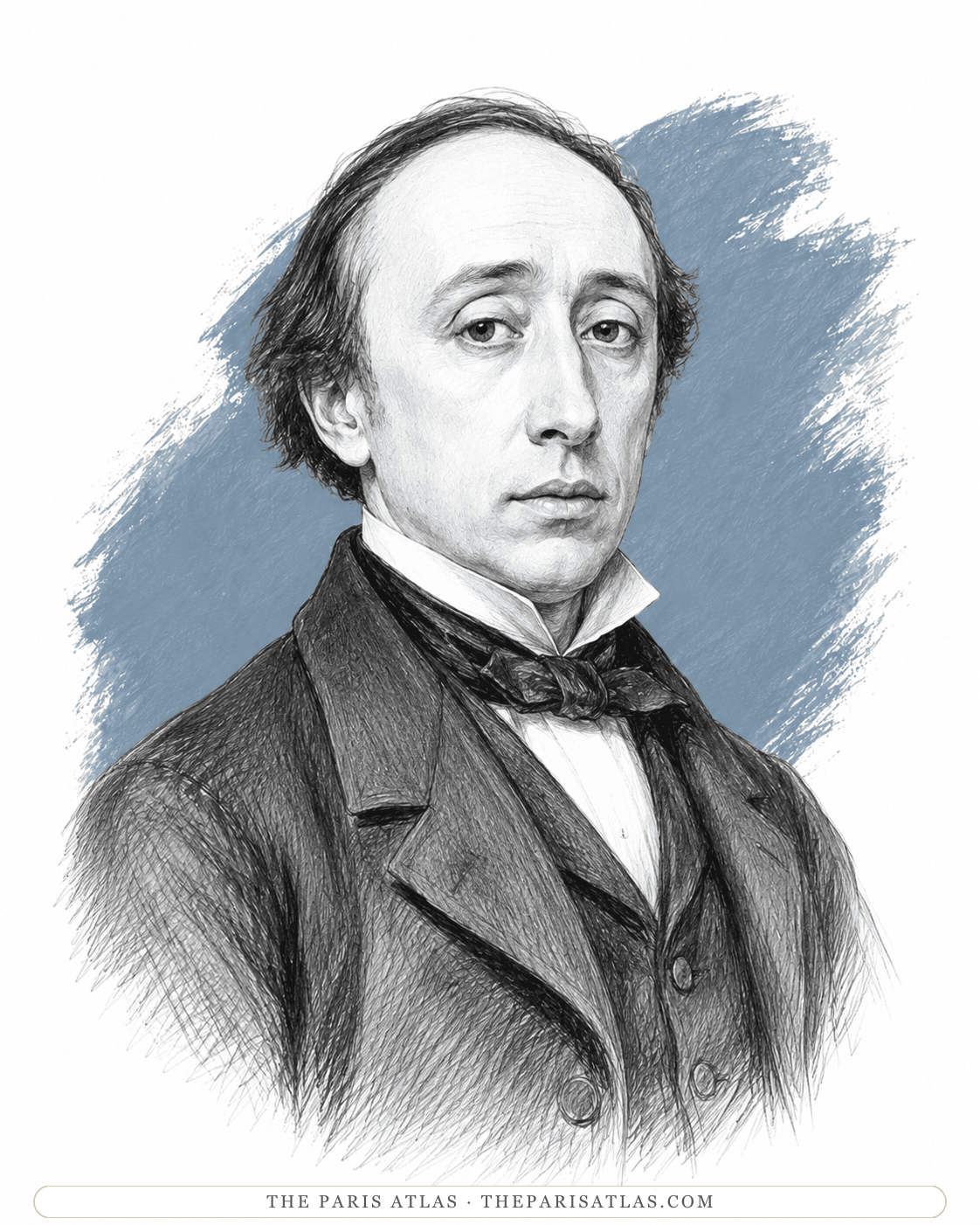
After the Palais Garnier opened in 1875 Degas attended the new Opera and went on studying its dancers and subscribers, although many of his compositions kept the rooms of the older Salle Le Peletier.

The office by the Opéra where American expatriates collected their mail and cashed their cheques, and where David goes to escape Giovanni's room in Baldwin's novel.
Visit the place
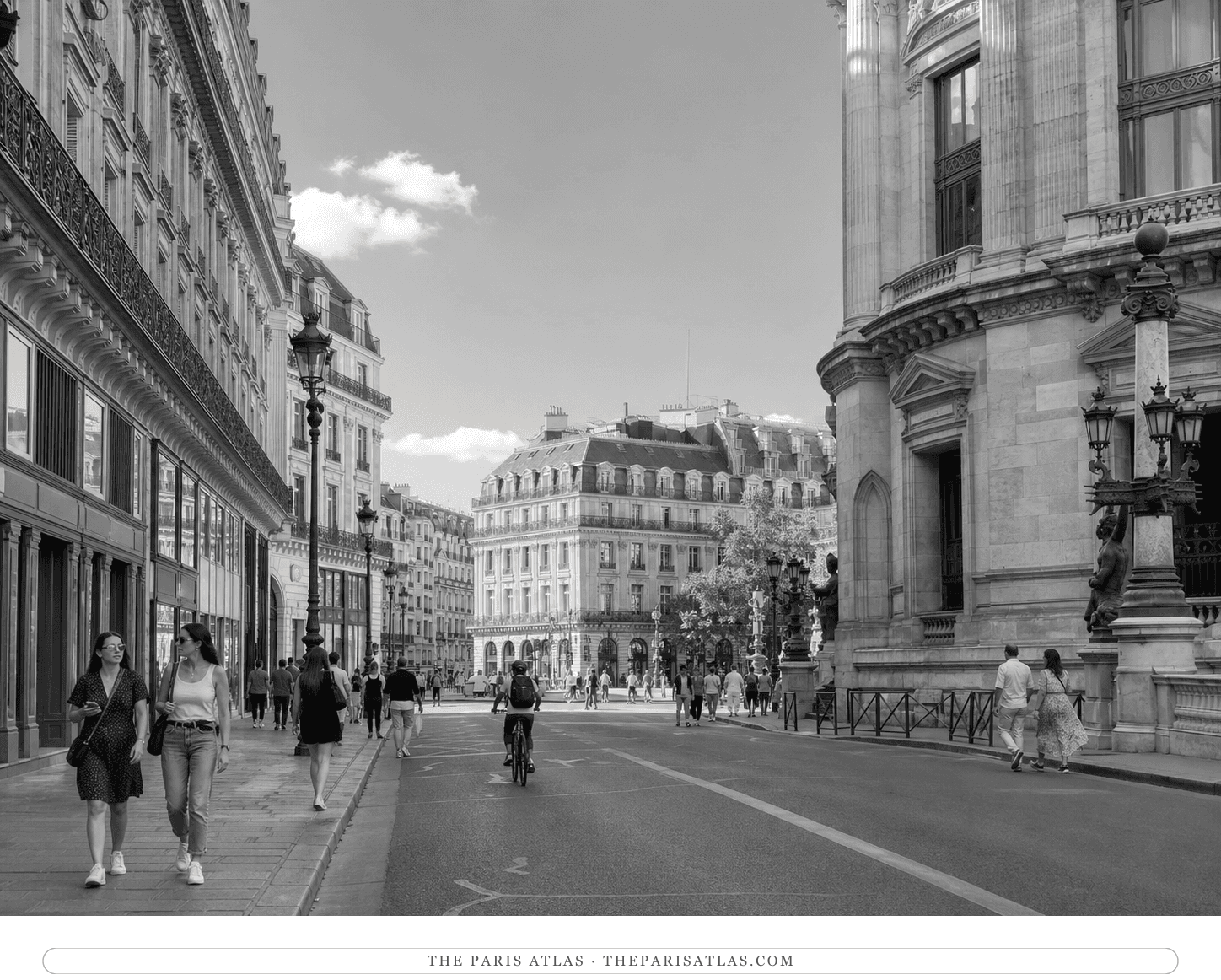
The short street running beside the Palais Garnier that Gustave Caillebotte painted in 1878, looking down from an upper window at the traffic and pedestrians below.
Visit the place
The sixth-floor apartment Gustave Caillebotte shared with his brother Martial after their mother's death — and the balcony from which he painted the boulevard looking almost straight down.
Visit the place
The boulevard terrace where the novel opens — an apéritif on the Right Bank, watching the evening crowd, the electric signs, and the last horse-cabs go by.
Visit the placeThe sources below include histories, archival materials, scholarly research, and official records that informed this page. They document Palais Garnier, the people connected to it, and its place in Paris.

The company's own history of the building: the 1858 attempt outside the Le Peletier hall, the competition of 1860 and its 171 projects, the fifteen years of work interrupted by the war of 1870, the 1873 fire, and the inauguration of 5 January 1875 under Mac Mahon.
The Opera's 150th-anniversary page: inaugurated on 5 January 1875, designed by Charles Garnier for a project initiated by Napoleon III, and the present-day figures — 172 performances a season, over a million visitors.
The Palais Garnier through the twentieth century: 'one of the major meeting and entertaining places of Paris' in the Belle Époque, the Ballets Russes premieres of 1910 and the complete Ring of June 1911, the inauguration of the Opéra Bastille on 13 July 1989, and the single institution created in 1990.
The visitor page: the postal address on the place de l'Opéra, entry at the corner of rue Scribe and rue Auber, the Grand Staircase and Chagall's ceiling, and compulsory online booking.
The Christie estate's official life, for the Paris finishing-school year of 1905–06 and 'the visits with her mother to the Grand Opera'. It does not name the opera house.

Map data used to verify addresses, geographic coordinates, and the placement associated with Palais Garnier.
These references provide the documented foundation for this page's history and context. Claim-level citations remain attached to the specific claims they support.
 Explore more resources
Newsletter
The cafés, studios, and walk-up flats where the work was made — one story from the map in every letter.