Gabriel García Márquez quotes
18 quotations, each verified against its source and credited to the work it comes from — the wording as Gabriel García Márquez wrote or said it, not as the internet passes it around.
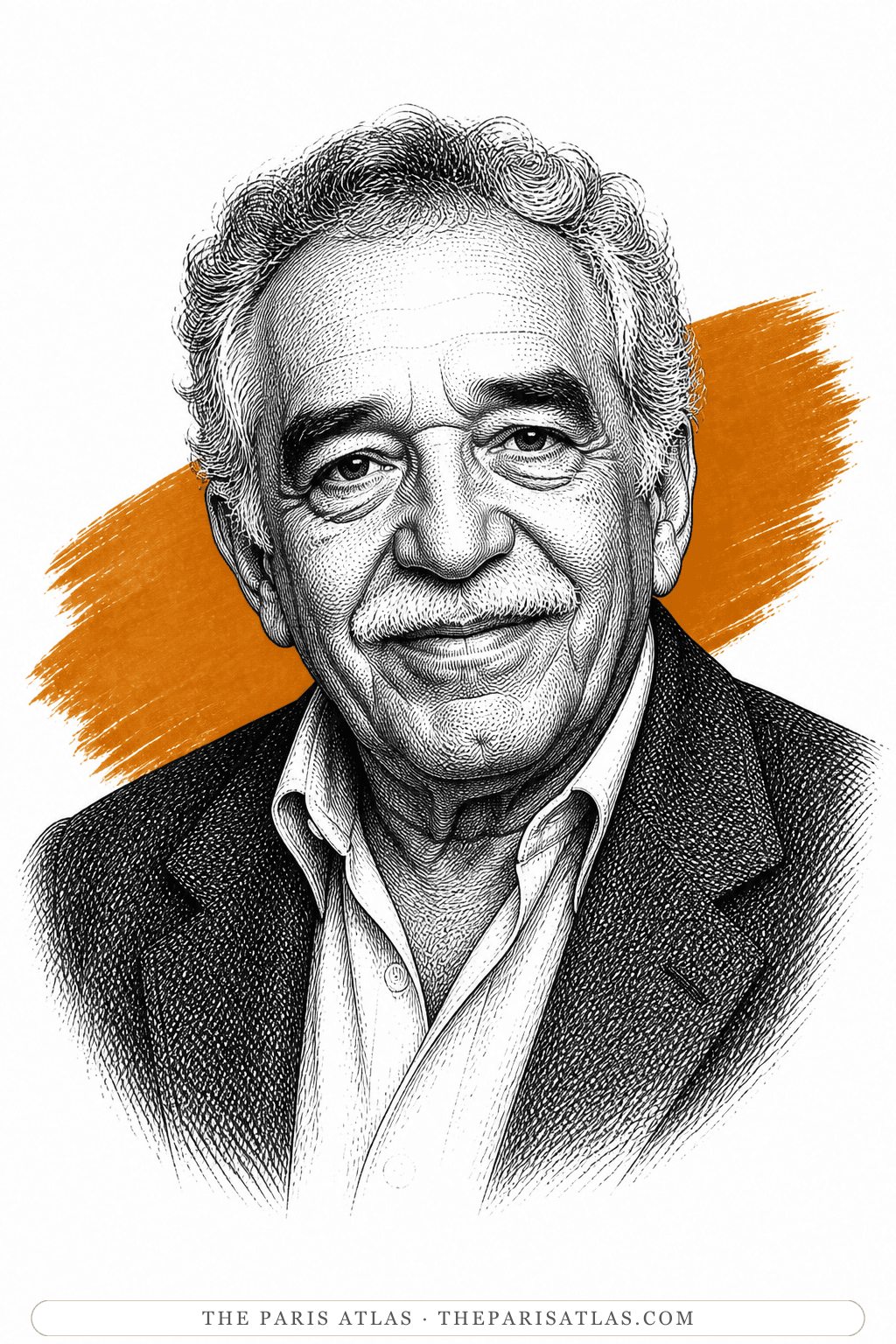

A new and sweeping utopia of life, where no one will be able to decide for others how they die, where love will prove true and happiness be possible, and where the races condemned to one hundred years of solitude will have, at last and forever, a second opportunity on earth.
Poets and beggars, musicians and prophets, warriors and scoundrels, all creatures of that unbridled reality, we have had to ask but little of imagination, for our crucial problem has been a lack of conventional means to render our lives believable. This, my friends, is the crux of our solitude.
A reality not of paper, but one that lives within us and determines each instant of our countless daily deaths, and that nourishes a source of insatiable creativity, full of sorrow and beauty.
In spite of this, to oppression, plundering and abandonment, we respond with life. Neither floods nor plagues, famines nor cataclysms, nor even the eternal wars of century upon century, have been able to subdue the persistent advantage of life over death.
The interpretation of our reality through patterns not our own, serves only to make us ever more unknown, ever less free, ever more solitary.
It was inevitable: the scent of bitter almonds always reminded him of the fate of unrequited love.
Damn fool. The worst was over.
And when you do find one, observe with care, they almost always have crystals in their heart.
without river navigation there is no love
The year I turned ninety, I wanted to give myself the gift of a night of wild love with an adolescent virgin.
Morality, too, is a question of time.
I don't have to say it because people can see it from leagues away: I'm ugly, shy, and anachronistic.
I never have thought about age as a leak in the roof indicating the quantity of life one has left to live.
I don't have to take it off to anyone.
Life is the best thing that's ever been invented.
You should realize that you can't eat dignity.
You can't eat it, but it sustains you.
Many years later, as he faced the firing squad, Colonel Aureliano Buendía was to remember that distant afternoon when his father took him to discover ice
Newsletter
Join our newsletter
New stories about art, literature and famous places around the world.