Trinidad-born American pianist, singer, actress and civil-rights activist whose virtuoso mixture of classical music and jazz made her a major star of the 1940s before political blacklisting pushed her toward a new life in Paris.
In images
Details
Lived
1920–1981
Born
11 June 1920
Birthplace
Port of Spain, Trinidad
Birth name
Hazel Dorothy Scott
Died
2 October 1981 · aged 61
Place of death
New York City
Nationality
Trinidadian-American
Profession
Pianist, singer, actress, television host, and civil-rights activist
Major works
Swinging the Classics (1940), The Hazel Scott Show (1950), Relaxed Piano Moods (1955), Café Society performances
Married
Adam Clayton Powell Jr. · 1945–1960Ezio Bedin · 1961–1964
Children
Adam Clayton Powell III
Roles
PianistSingerActor
About Hazel Scott
Hazel Scott could sit at a piano, begin with Bach, Chopin or Rachmaninoff, and gradually transform the piece until classical music seemed to turn into swing beneath her hands.
That ability made her famous.
But virtuosity alone does not explain why Scott's life remains so extraordinary. Before she was thirty, she had been a child prodigy at Juilliard, a Broadway performer, the star attraction at New York's first integrated nightclub, a bestselling recording artist, a Hollywood actress, one of America's highest-paid Black entertainers, the wife of a United States congressman, and the first Black woman to host her own television program.
She also repeatedly risked that success.
Scott refused to perform for segregated audiences. She rejected Hollywood roles that required her to play maids or servants. When Black female extras were given degrading costumes in one of her films, she stopped production until the costumes were changed. When the Red Scare reached television and her name appeared in Red Channels, she voluntarily went before the House Un-American Activities Committee and defended herself rather than disappear quietly.
The consequences were severe. Her television program vanished, bookings declined, and the enormous American career she had built began to collapse.[1]
Then Paris offered her another life.
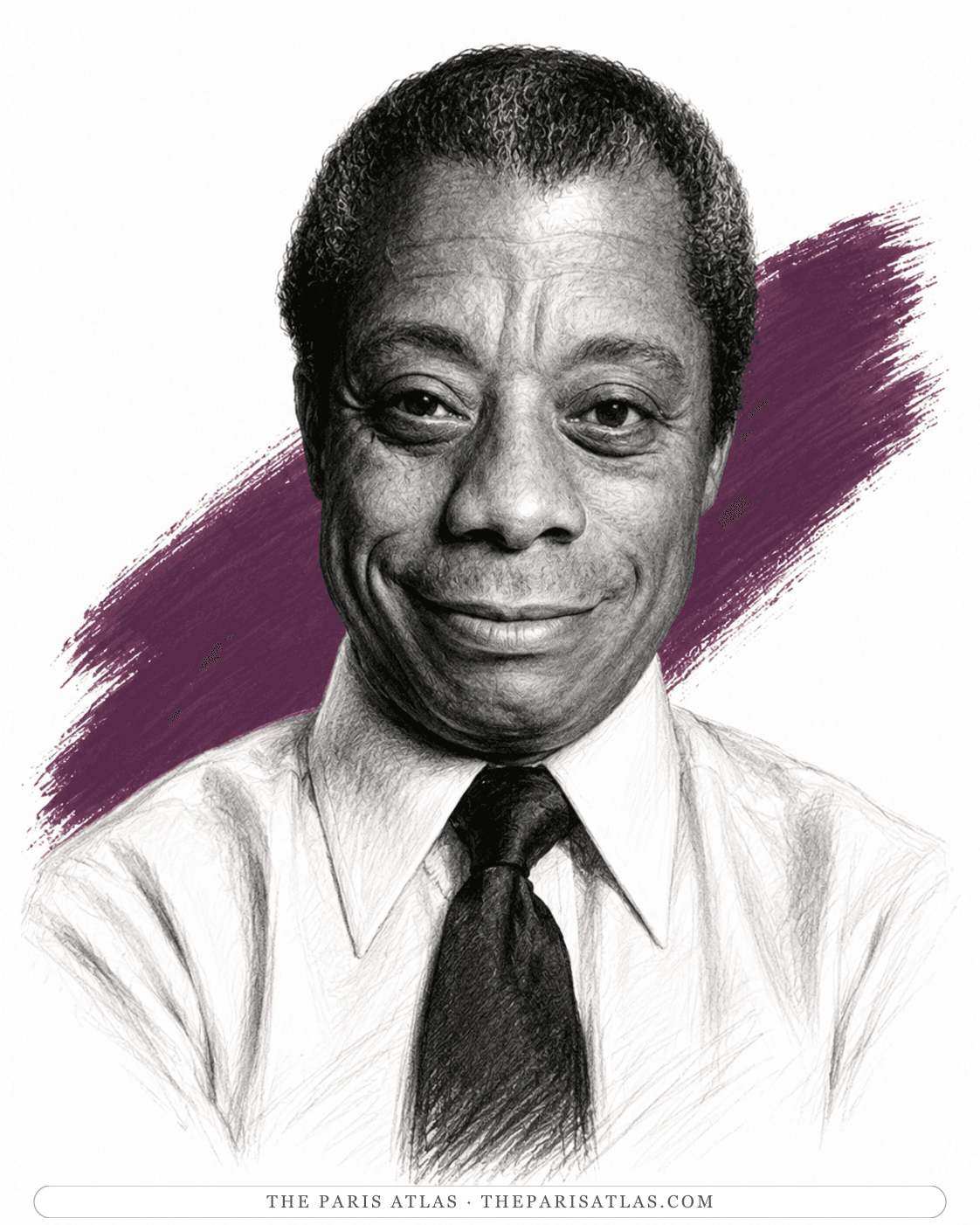
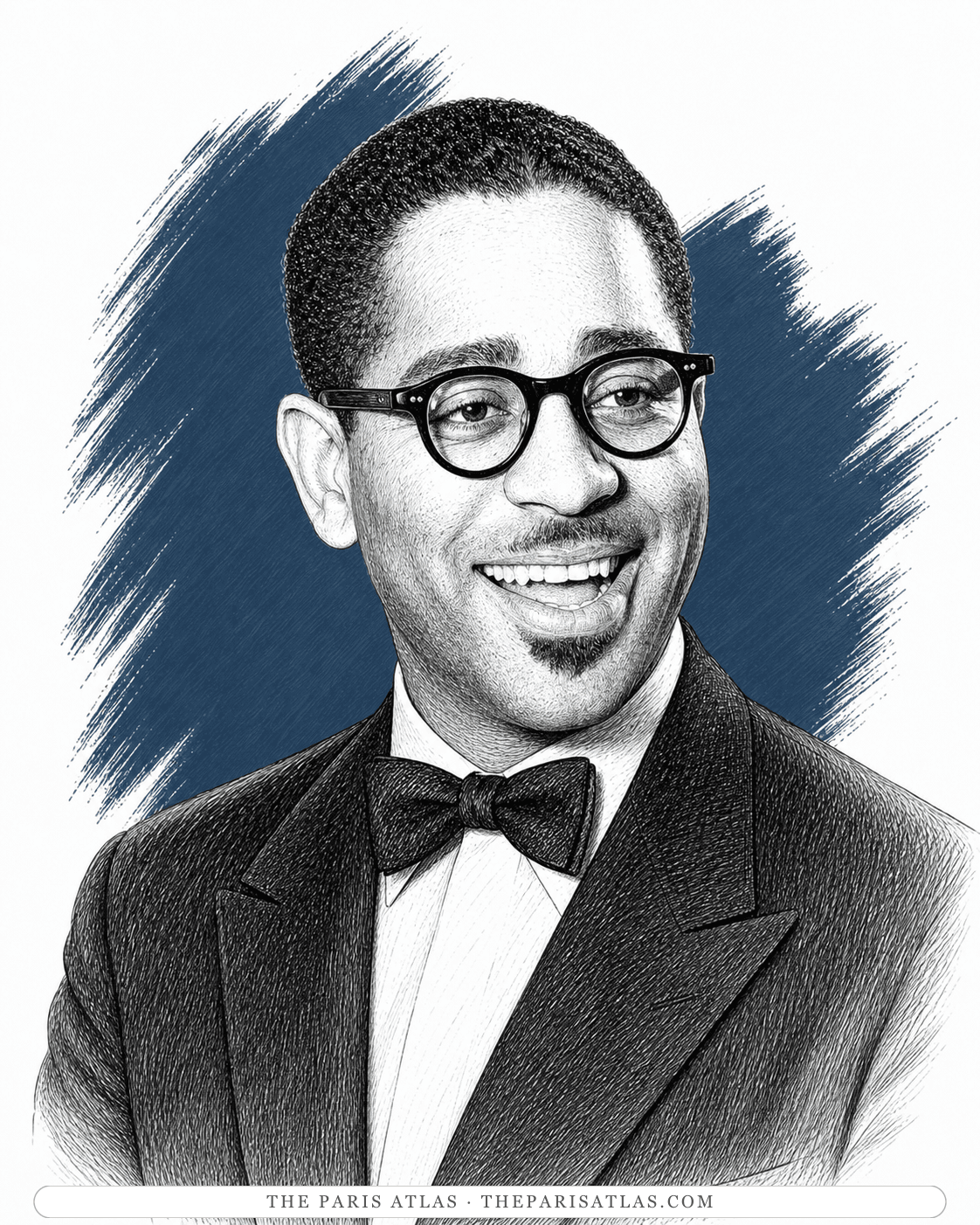
Scott moved there in 1957 with her son and remained for roughly a decade. Her apartment in the 8th arrondissement became a gathering place for an extraordinary circle of Black American writers and musicians. James Baldwin, Dizzy Gillespie, Lester Young, Mary Lou Williams, Max Roach and others passed through her world. She performed throughout Europe, appeared in French films, married again, and joined other Americans in Paris in a demonstration supporting the 1963 March on Washington.[2]
Paris therefore represents much more than a period of exile in Hazel Scott's biography. It became the place where an artist whose American career had been damaged by racism and Cold War politics attempted to reconstruct both her work and herself.
Born in Trinidad
Hazel Dorothy Scott was born in Port of Spain, Trinidad, on 11 June 1920.[3]
Her father, R. Thomas Scott, was a West African scholar from England. Her mother, Alma Long Scott, was a classically trained pianist and music teacher who later learned saxophone and performed professionally.
Music appeared almost immediately in Hazel's life.
According to accounts of her childhood, she could reproduce melodies on the piano by ear when she was about three. She was also so sensitive to pitch that mistakes made by her mother's piano students disturbed her.
Alma quickly realized that her daughter possessed unusual musical ability.
Hazel's parents separated when she was young. In 1924, Alma took four-year-old Hazel and Hazel's grandmother to the United States. They settled in Harlem.[4]
It was an extraordinary place for a musically gifted child to grow up.
The Harlem Renaissance had made the neighborhood one of the centers of Black American cultural life. Writers, musicians, actors and intellectuals circulated through clubs, theaters and private homes.
Alma Scott became part of that world.
She performed with women's bands and eventually organized her own group. Musicians visited the Scott household, giving Hazel access to people who would otherwise have seemed impossibly distant.
Fats Waller, Art Tatum, Lester Young and Billie Holiday became part of her extended musical environment. Scott later remembered some of them less as celebrities than as members of her musical family.
Juilliard at eight years old
In 1928, Alma arranged an audition for her eight-year-old daughter at the Juilliard School.[5]
Hazel was far younger than the normal admission age.
But after hearing her play, the school made an exception and allowed her to study there. The Library of Congress records her acceptance at eight and her piano study under Wagner; biographical accounts describe her receiving individual instruction after an audition in which she played Rachmaninoff.
The training mattered because Scott would never become simply a jazz pianist who happened to know classical music.
She learned both languages deeply.
The tension between them became her specialty.
She could play a classical composition according to its original structure and then begin manipulating the rhythm, harmony and phrasing until Bach or Rachmaninoff seemed to wander into Harlem.
Rather than treating classical music as sacred and jazz as entertainment, Scott placed them on the same keyboard.
That was both musically exciting and culturally provocative.
Becoming a professional musician
By thirteen, Scott was playing piano and trumpet with her mother's American Creolians.
At fifteen she appeared on a bill with Count Basie's orchestra at the Roseland Ballroom. Soon she was performing on radio.
In 1938, at eighteen, she made her Broadway debut in the musical revue *Sing Out the News*.
She was still a teenager.
The breakthrough that transformed her into a star arrived the following year.
Café Society
In 1939, Scott began performing at Café Society, the Greenwich Village nightclub founded by Barney Josephson.
Café Society was famous for deliberately rejecting the racial segregation that governed much of American nightlife. Black and white customers shared the same room, and Black performers appeared as featured artists rather than novelty entertainment.
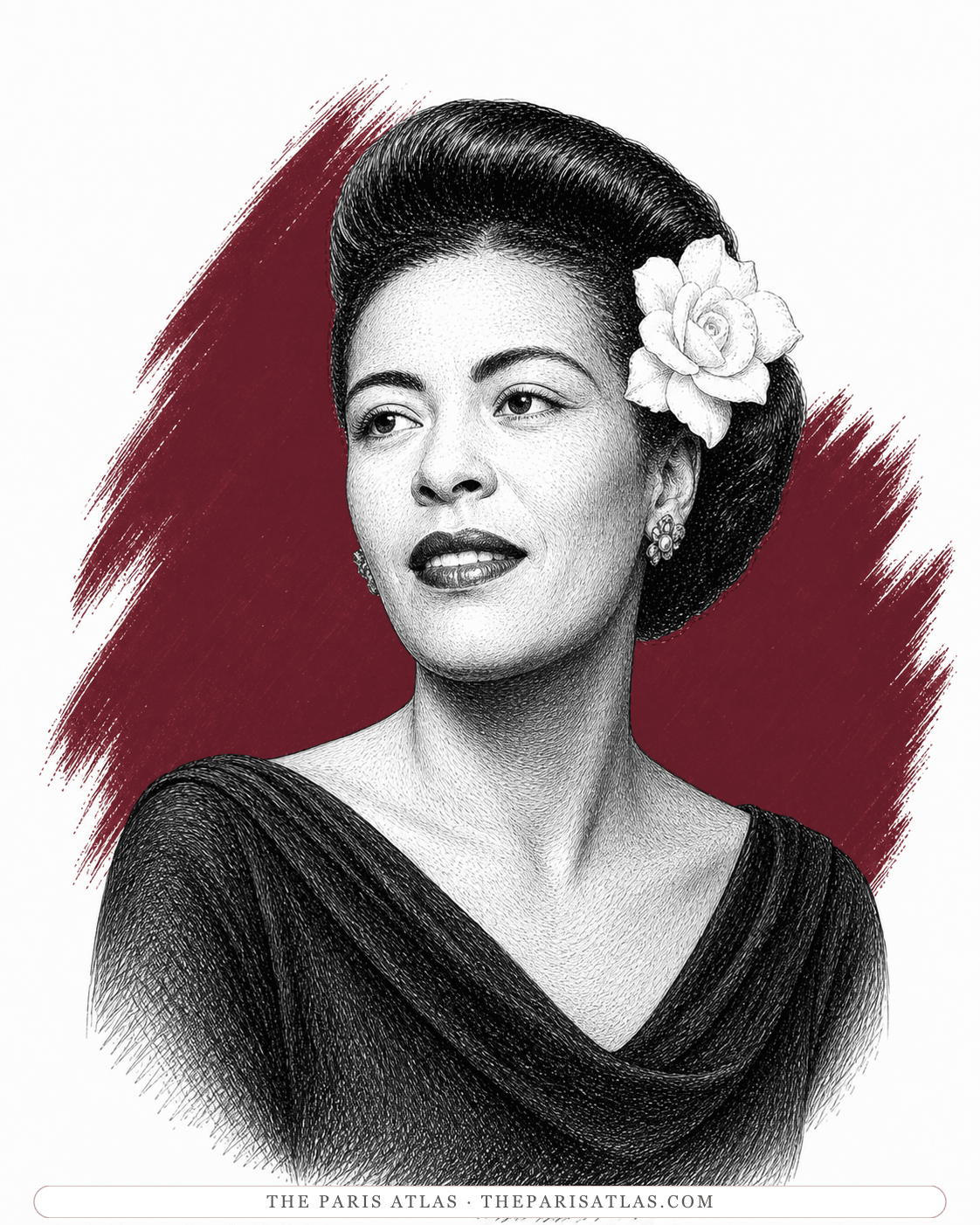
Billie Holiday had been one of its defining stars.
When Holiday left an engagement early, she recommended Hazel Scott as her replacement.
Scott took over and became a sensation.
She was soon being advertised as the “Darling of Café Society.”
The act that thrilled audiences was her transformation of classical repertoire into jazz. Bach, Chopin and Rachmaninoff might begin recognizably and then gradually acquire syncopation, swing and boogie-woogie.
It would have been easy for the performance to become a musical joke.
Scott was too accomplished for that.
Her classical technique was real, which meant she could alter the compositions knowingly rather than merely parody them.
Her first major recordings built upon the same idea. *Swinging the Classics* appeared in 1940, and similar recordings became commercially successful.
By her early twenties, Hazel Scott was famous.
Refusing segregated audiences
Fame gave Scott leverage, and she used it.
She refused to perform before segregated audiences.
This was not an occasional protest added to her career after she became politically active. It was built into the way she conducted business. Accounts of her career note that she required contracts to prevent venues from dividing audiences by race.
That position could cost a musician work.
Scott accepted the risk.
Her activism therefore differed from celebrity advocacy practiced at a safe distance. Her principles repeatedly interfered with her own ability to make money.
That pattern would become even clearer when Hollywood arrived.
Hollywood calls
During the early 1940s, Scott became famous enough to attract Hollywood.
But Black actresses still encountered an industry filled with stereotypes.
Studios commonly offered Black women roles as maids, cooks, servants or comic side characters.
Scott refused.
Instead, she negotiated appearances in which she essentially played Hazel Scott: an elegant, sophisticated professional musician performing at the piano.
Between 1943 and 1945, she appeared in five films:
Something to Shout AboutI Dood ItThe Heat's OnBroadway RhythmRhapsody in Blue
The Library of Congress notes that she appeared as herself in these movies rather than accepting the subservient roles normally offered to Black women.
The arrangement allowed Scott's movie image to resemble the woman audiences already knew from nightclubs: beautifully dressed, commanding a band or piano and visibly in control of the performance.
Two pianos
One of Scott's most spectacular surviving film performances appears in *The Heat's On*.
Two grand pianos stand opposite one another.
Scott sits between them on a rotating seat and plays both pianos, turning rapidly from one keyboard to the other.
The sequence is not camera trickery disguising weak musicianship.
The spectacle works because Scott really can play.
Decades later, Alicia Keys revived the image by performing between two pianos at the 2019 Grammy Awards and explicitly acknowledged Scott as an inspiration.
But The Heat's On also produced one of the most consequential confrontations of Scott's career.
Stopping a Hollywood production
During filming, Scott objected to the costumes assigned to Black women appearing in one sequence.
The women were dressed in clothing she considered degrading.
Scott refused to continue.
Production stopped for several days while she fought with the studio over the costumes. Eventually they were altered.
She had won the immediate argument.
But challenging the studio system had consequences. Her reputation within Hollywood became increasingly associated with being “difficult”—a label often applied to performers who refused to accept discrimination.
Her American movie career effectively ended in the mid-1940s.
Scott later summarized the contradiction of her personality well: speaking out caused trouble, but speaking out also gave her life meaning.
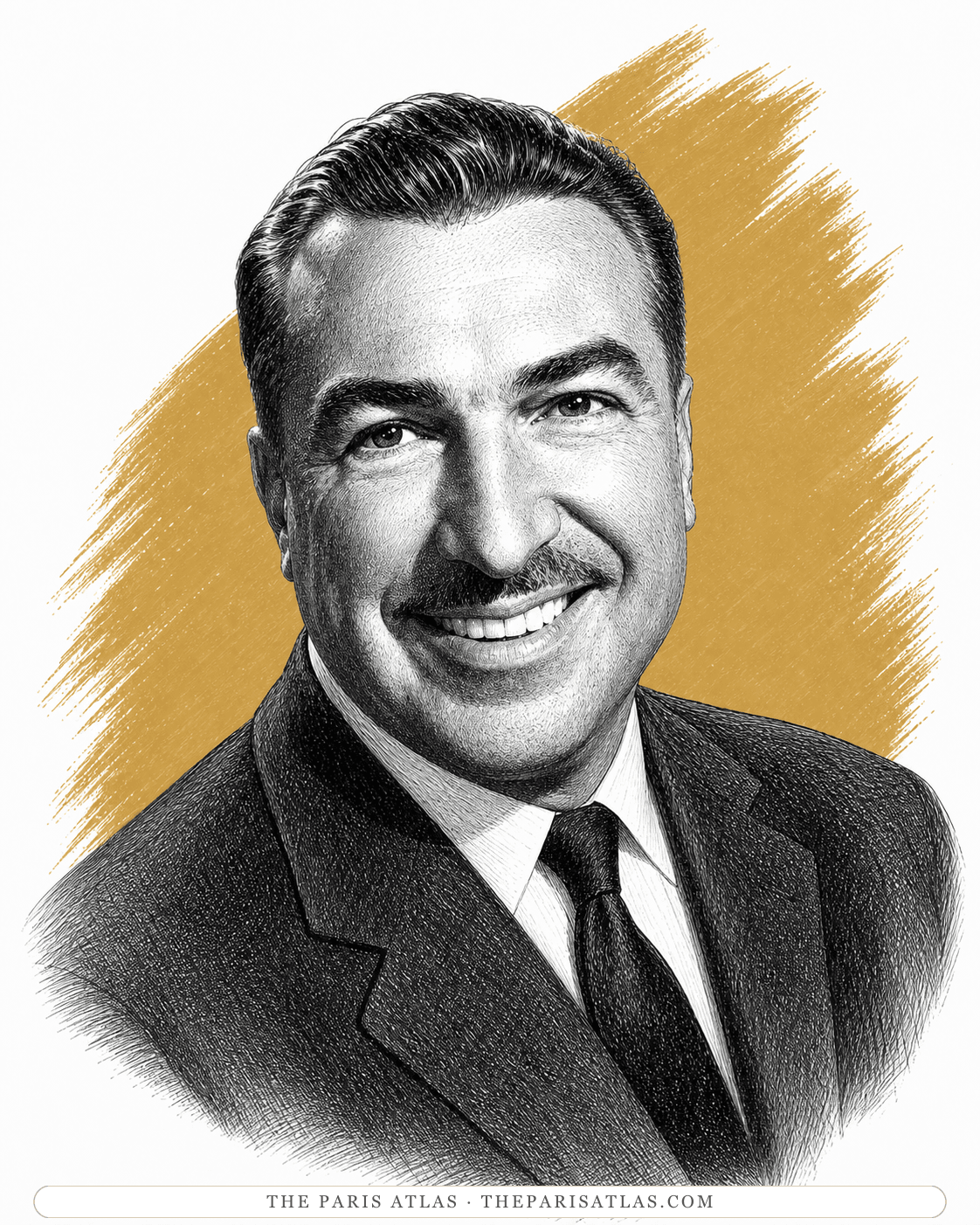
Adam Clayton Powell Jr.
By then Scott had become involved with Adam Clayton Powell Jr.
Powell was pastor of Harlem's powerful Abyssinian Baptist Church and an increasingly important political figure. In 1944 he became the first Black congressman elected from New York.
He and Scott were celebrities in overlapping worlds.
They married in 1945.
Their union attracted enormous press attention: one of America's leading Black entertainers had married one of its most visible Black politicians.
Their son, Adam Clayton Powell III, was born in 1946.
The couple's glamorous public image concealed a far more complicated private life.
But during the second half of the 1940s, Hazel Scott seemed almost impossibly successful.
She commanded large performance fees.
She appeared on magazine covers.
Her concerts sold out.
She moved between entertainment, politics and New York society with extraordinary ease.
And then television offered her another first.
The Hazel Scott Show
On 3 July 1950, *The Hazel Scott Show* began broadcasting.
Scott sat at the piano, sang and performed the mixture of classical music, popular standards and jazz that had made her famous.
The program was initially short—about fifteen minutes—but performed strongly enough to expand.
Scott had become the first Black woman to host a television show of her own. The Library of Congress describes the program as an immediate success.
Television was still young.
Scott could conceivably have built an entirely new phase of her career around the medium.
Instead, it lasted less than three months.
Red Channels
The Cold War had created an atmosphere of growing suspicion in American politics and entertainment.
In June 1950, a privately produced publication titled *Red Channels: The Report of Communist Influence in Radio and Television* named entertainers it claimed had associations with organizations connected to Communism.
Hazel Scott's name appeared in it.
She denied being a Communist.
Rather than hide, she did something unusually risky.
She requested an opportunity to appear before the House Committee on Un-American Activities, commonly known as HUAC.
On 22 September 1950, Scott went to Washington and testified.
She defended her political activities and challenged the system in which artists could have their reputations damaged by accusations based upon associations, performances or petitions.
Her plea ultimately did not save her career.
Five days later, on 27 September, The Hazel Scott Show broadcast for the final time.
Concert opportunities also diminished.
The blacklist did not need a formal court judgment to work.
Suspicion was enough.
Relaxed Piano Moods
Scott nevertheless continued making music.
One of the finest recordings associated with her later career came in 1955, when she recorded *Relaxed Piano Moods with two extraordinary musicians: bassist Charles Mingus and drummer Max Roach*.
The album reveals another side of Scott.
The spectacular “jazzing the classics” act had helped make her famous, but she did not need novelty to sustain a performance. On Relaxed Piano Moods, she sounds like what she had always been underneath the celebrity machinery: a serious jazz pianist.
The Library of Congress includes the album as a major point in its chronology of her career.
By then, however, Scott's American life was unraveling.
Her marriage to Powell was breaking down.
The professional consequences of the blacklist remained.
She began considering another country.
The combination of political pressure and a failing marriage narrowed her options in the United States. Scott moved to Paris with her son in 1957.
Paris, 1957
In November 1957, thirty-seven-year-old Hazel Scott moved to Paris.
Her son went with her.
The decision placed her within a much longer history of Black Americans seeking greater personal and artistic freedom in France.
Before Scott came Richard Wright, Josephine Baker and others. Around her were writers and musicians including James Baldwin and numerous jazz performers who found French audiences more receptive than many American ones.
Scott did not imagine Paris as an endless luxury vacation.
Her conception of the city was much more domestic: friends around a table, food, music and conversation.
She established herself in a top-floor apartment in the 8th arrondissement.
And the apartment quickly became a salon.
Hazel Scott's Paris salon
The names associated with Scott's Paris world are extraordinary.
Other visiting and expatriate writers, performers and musicians moved through the apartment as well.
Scott cooked.
People drank.
Musicians played.
Arguments and conversations ran late.
The difference between an official salon and a house full of friends hardly mattered.
Her apartment became part of the informal network through which Black expatriate culture operated in postwar Paris.
For Scott, that community was especially meaningful because America had transformed her political independence from an asset into a liability.
When a French interviewer later asked why she stayed in France, her answer was essentially freedom.
She pointed specifically to housing: in the United States, race could prevent her from renting where she wished; in France, she said the basic question was whether she could pay.
Paris did not eliminate racism.
Nor was exile economically effortless.
But Scott experienced a degree of personal freedom there that contrasted sharply with the America she had left.
Performing across Europe
Paris became her base rather than the boundary of her European career.
From France, Scott traveled widely and performed across Europe, North Africa and the Middle East.
She could speak French and adapted easily to international audiences.
Her musical style also changed.
The hyper-virtuosic boogie-woogie transformations associated with her Café Society years did not disappear entirely, but the Paris-era Scott increasingly explored a calmer and more intimate form of piano playing.
Her life was changing at the same time.
She and Adam Clayton Powell Jr. formally divorced in 1960.
The following year she married Ezio Bedin, a Swiss-Italian comedian.
The marriage was brief.
Hazel Scott in French cinema
Paris also returned Scott to film.
In 1958, she appeared in the French crime drama *Le Désordre et la nuit, directed by Gilles Grangier*.
This was no minor amateur production.
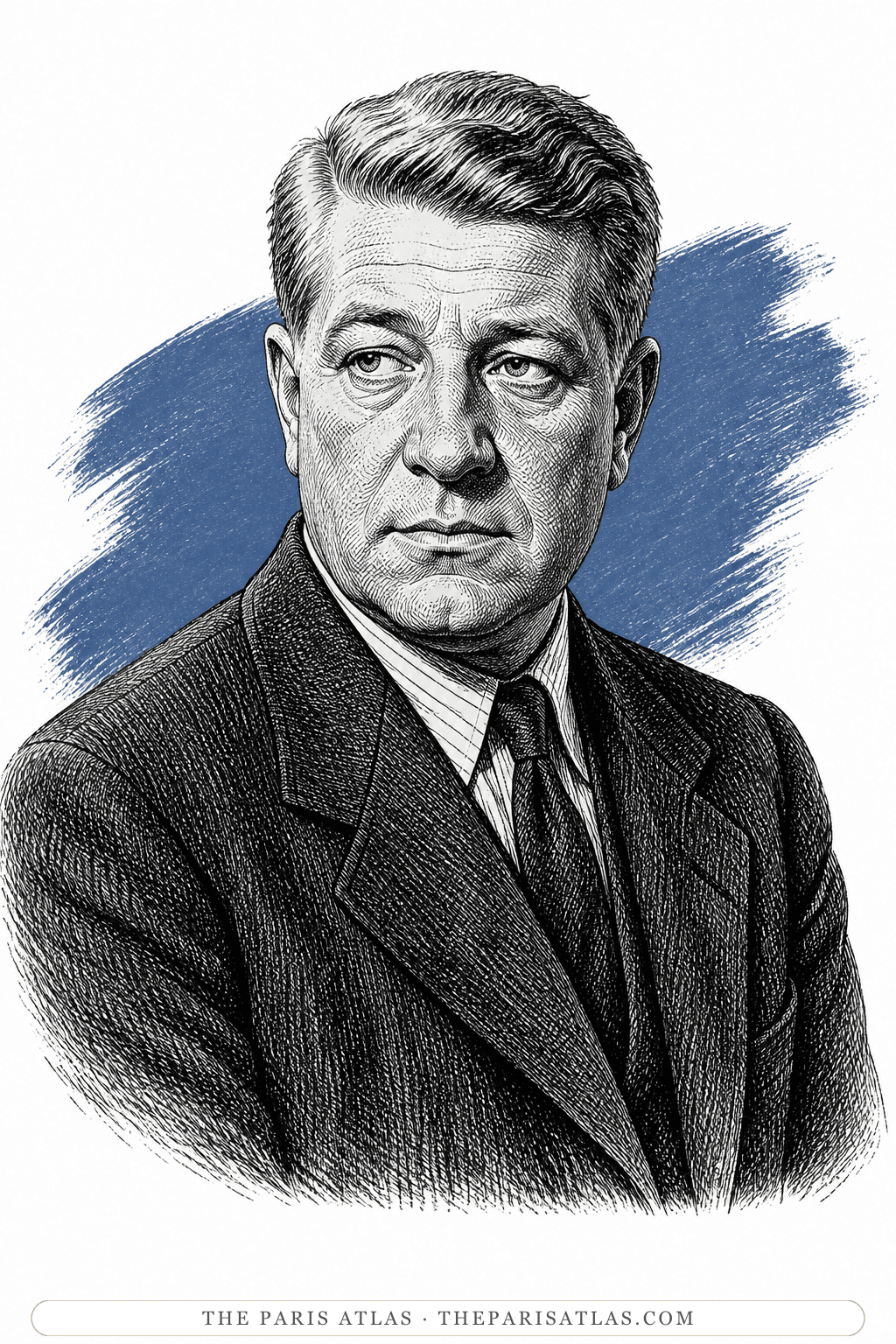
The cast included major French stars Jean Gabin and Danielle Darrieux, along with Nadja Tiller and Roger Hanin.
Scott played Valentine Horse.
That same year she also appeared as herself, playing piano, in *Une balle dans le canon*, an early film associated with Michel Deville and Charles Gérard.
The films provide an interesting reversal of her Hollywood experience.
The American studio system had effectively stopped using Hazel Scott.
France put her back on screen.
The Paris March on Washington
Scott's decision to live abroad did not mean she had stopped caring about American civil rights.
In August 1963, as organizers in the United States prepared for the historic March on Washington for Jobs and Freedom, Americans in Paris began organizing a parallel expression of support.
So were Hazel Scott, actor William Marshall, singer Mae Mercer, blues musician Memphis Slim, clarinetist Mezz Mezzrow and others.
The group gathered signatures and arranged to present a petition at the American Embassy in Paris.
Scott also sang “Amazing Grace” with Mae Mercer during a gathering at the American Church in Paris.
On 21 August 1963, days before Martin Luther King Jr. delivered “I Have a Dream” in Washington, the Paris group carried its message to the embassy.
Scott had left the United States partly because its racial and political climate had constricted her life.
From Paris, she was still fighting to change it.
Should she go home?
By the mid-1960s, Paris was becoming more complicated.
The initial freedom of expatriate life did not guarantee permanent financial security.
Musical tastes were changing.
Jazz itself no longer occupied precisely the same position in popular culture.
Scott sometimes struggled to obtain enough work.
Friends began encouraging her to return to the United States.
One of the most remarkable surviving documents from this period is a 1966 letter from Nina Simone urging Scott to come home and telling her about the energy surrounding the Civil Rights Movement. The Library of Congress preserves the letter in Scott's papers.
Scott listened.
Returning to America
In 1967, after approximately ten years based in Paris, Hazel Scott returned to the United States.
But she was returning to a completely different musical country.
When she had left, Scott's style belonged naturally to mainstream entertainment.
By 1967, rock music, soul, Motown and a new generation of jazz musicians had transformed American popular music.
Her old celebrity could not simply be restarted.
She continued performing.
She appeared on television, including Julia, The Bold Ones and later One Life to Live. She played clubs and made additional recordings.
But she never again reached the level of fame she had enjoyed before the blacklist.
That decline should not be mistaken for a disappearance of talent.
The audience had changed.
The industry had changed.
And Scott had lost crucial years at the exact moment when television was becoming the dominant American mass medium.
Rediscovering Hazel Scott
For decades, Scott occupied an uncomfortable position in cultural memory.
She was too accomplished to be dismissed as merely a novelty pianist.
She had been too famous to call entirely obscure.
Yet she rarely occupied the central place in histories of jazz, television or civil rights that her career seems to demand.
The preservation of the Hazel Scott Papers at the Library of Congress has helped change that.
The collection contains thousands of items: photographs, letters, contracts, diaries, musical materials, business papers and drafts of an autobiography Scott never completed.
In 2026, the Library of Congress selected Scott as the focus of research by Jazz Scholar Karen Chilton, whose biography of Scott had already helped revive scholarly attention to her career.
Modern musicians have also begun making her visible again.
Alicia Keys's two-piano Grammy performance sent viewers searching for the woman who had done it on film more than seventy years earlier.
Her final performance
Scott kept playing.
Even after receiving a diagnosis of pancreatic cancer, she continued performing.
Her final appearance came only weeks before her death.
Hazel Scott died at Mount Sinai Medical Center in Manhattan on 2 October 1981.
She was sixty-one.
Her longtime friend Dizzy Gillespie was there near the end and played muted trumpet for her.
The image forms an unusually fitting ending.
Scott's life had begun at a piano in Trinidad, expanded into the extraordinary jazz household of her Harlem childhood, crossed Broadway and Hollywood, collided with Washington politics, moved through a Paris apartment filled with expatriate artists, and finally returned to New York.
Music had run through all of it.
Hazel Scott and Paris
Paris deserves a central place in Scott's story.
She did not arrive there as a young artist looking for training, as so many Americans had.
She arrived as an established star whose own country had helped dismantle the career she had spent decades constructing.
That makes her Paris story different.
The city represented reinvention after success.
Her apartment in the 8th arrondissement became part home, part salon and part refuge. Paris connected her to James Baldwin and a larger Black expatriate community. French cinema put her back on screen. The city's position at the center of European travel allowed her to build tours across several continents.
And Paris did not detach her from the struggle taking place at home.
Her participation in the 1963 demonstration at the American Embassy shows the opposite. Scott could leave the United States without ceasing to consider herself responsible for what happened there.
Eventually Paris also taught her that exile had limits.
She went home.
Hazel Scott's place in cultural history
Hazel Scott's importance becomes clearer when her achievements are considered together.
She was a classically trained pianist who treated jazz as an equally sophisticated musical language.
She helped make integrated nightlife culturally fashionable at Café Society.
She demanded that Hollywood depict a Black woman as elegant, accomplished and professional.
She refused segregated audiences.
She became one of television's earliest Black stars.
She challenged HUAC publicly.
She rebuilt her career in Paris.
And she remained politically engaged from abroad.
Her career also demonstrates how easily cultural memory can be distorted.
If The Hazel Scott Show had continued through the 1950s, she might now be remembered as one of the foundational personalities of American television.
If Hollywood had offered her serious dramatic roles rather than stereotypes, her film career might have been far larger.
If the blacklist had not intervened, the most productive years of her life could have unfolded very differently.
Those possibilities cannot be recovered.
Her actual accomplishments do not need them.
Hazel Scott was already one of the most remarkable performers of her generation.
Life events
1920
Born Hazel Dorothy Scott in Port of Spain, Trinidad, on 11 June.
— Hazel Scott Papers: Finding Aid
1924
Moves with her mother Alma and grandmother to Harlem, New York.
— Hazel Scott Papers: Finding Aid
1928
At only eight years old, receives special permission to study piano at Juilliard.
— Hazel Scott Papers: Finding Aid
1933
Plays piano and trumpet with her mother's band, the American Creolians.
— Hazel Scott Papers: Finding Aid
1935–1936
Begins attracting attention as a professional teenager, appearing with major bands and performing on radio.
— Hazel Scott — biography; Hazel Scott Papers: Finding Aid
1938
Makes her Broadway debut in Sing Out the News.
— Hazel Scott Papers: Finding Aid
1939
Replaces Billie Holiday at Café Society and becomes one of the club's stars, earning the nickname “Darling of Café Society.”
— Hazel Scott, now playing!; Hazel Scott: The Gorgeous Face of Jazz at the Mid-Century
1940
Records *Swinging the Classics*, developing the fusion of classical repertoire, swing and boogie-woogie that becomes her signature.
— Hazel Scott, now playing!; Hazel Scott: The Gorgeous Face of Jazz at the Mid-Century
1943
Performs for American servicemen at Naval Station Great Lakes during the Second World War.
Scott playing for sailors at Naval Station Great Lakes in December 1943. (National Museum of the U.S. Navy)
— Hazel Scott, now playing!
1943–1945
Appears as herself in five Hollywood films: Something to Shout About, I Dood It, The Heat's On, Broadway Rhythm and Rhapsody in Blue.
— Hazel Scott Papers: Finding Aid
1943
Stops production of The Heat's On for several days while protesting degrading costumes assigned to Black female performers.
— Hazel Scott's Lifetime of High Notes; Hazel Scott: The Gorgeous Face of Jazz at the Mid-Century
1945
Marries Harlem minister and newly elected U.S. congressman Adam Clayton Powell Jr.
— Hazel Scott Papers: Finding Aid; Hazel Scott — biography
1946
Their son, Adam Clayton Powell III, is born.
— Hazel Scott Papers: Finding Aid
1950
*The Hazel Scott Show* begins broadcasting on 3 July, making Scott the first Black woman to host a television program of her own.
— Hazel Scott, now playing!; Hazel Scott Papers: Finding Aid
1950
Named in the anti-Communist publication Red Channels. Scott voluntarily testifies before the House Committee on Un-American Activities on 22 September.
— Hazel Scott Papers: Finding Aid; Hazel Scott and the Red Scare
1950
The Hazel Scott Show gives its final broadcast on 27 September, only days after her HUAC testimony.
— Hazel Scott Papers: Finding Aid
1955
Records *Relaxed Piano Moods with Charles Mingus and Max Roach*.
— Hazel Scott Papers: Finding Aid
1957
Moves with her son to Paris, establishing a home in the 8th arrondissement. Her apartment becomes a gathering place for expatriate and visiting artists and musicians.
— Hazel Scott Papers: Finding Aid; La Paix de Paris?
1958
Appears with Jean Gabin and Danielle Darrieux in the French film *Le Désordre et la nuit*.
— Le Désordre et la nuit (1958)
1958
Appears as herself, playing piano, in the French film *Une balle dans le canon*.
— Une balle dans le canon (1958)
1960
Divorces Adam Clayton Powell Jr.
— Hazel Scott Papers: Finding Aid
1961
Marries Swiss-Italian comedian Ezio Bedin. The marriage is short-lived.
— Hazel Scott Papers: Finding Aid
1962
Tours internationally from her Paris base, including a documented visit to Israel.
Scott during a 1962 visit to Israel, while she was living in Paris and touring internationally. (Fritz Cohen, Government Press Office of Israel)
— Hazel Scott Papers: Finding Aid
1963
Joins James Baldwin, Mae Mercer, Memphis Slim and other expatriates supporting the March on Washington movement in Paris. The group delivers a civil-rights petition to the American Embassy.
— The 1963 March on Washington: At Home and Abroad; Letter from Paris
1966
Receives a letter from Nina Simone urging her to return to the United States and become involved again in the changing American civil-rights movement.
— Letters Straight to Your Heart: The Library's Centuries of Correspondence
1967
Leaves Paris and moves back to the United States after approximately a decade abroad.
— Hazel Scott Papers: Finding Aid
Late 1960s–1970s
Continues performing and appears on American television, including Julia, The Bold Ones and One Life to Live.
— Hazel Scott Papers: Finding Aid
1981
Gives her final performances despite suffering from pancreatic cancer.
— Hazel Scott, Jazz Pianist, Singer Dies
1981
Dies at Mount Sinai Medical Center in Manhattan on 2 October, aged sixty-one.
— Hazel Scott Papers: Finding Aid; Hazel Scott, Jazz Pianist, Singer Dies
People Hazel Scott Knew
Relationships with other people, with sources for each connection.
Adam Clayton Powell Jr.
Politician
Religious leader
Activist
Married to · 1945–1960
Scott married the Harlem minister and congressman Adam Clayton Powell Jr. in 1945. Their son, Adam Clayton Powell III, was born the following year; the marriage ended in divorce in 1960.
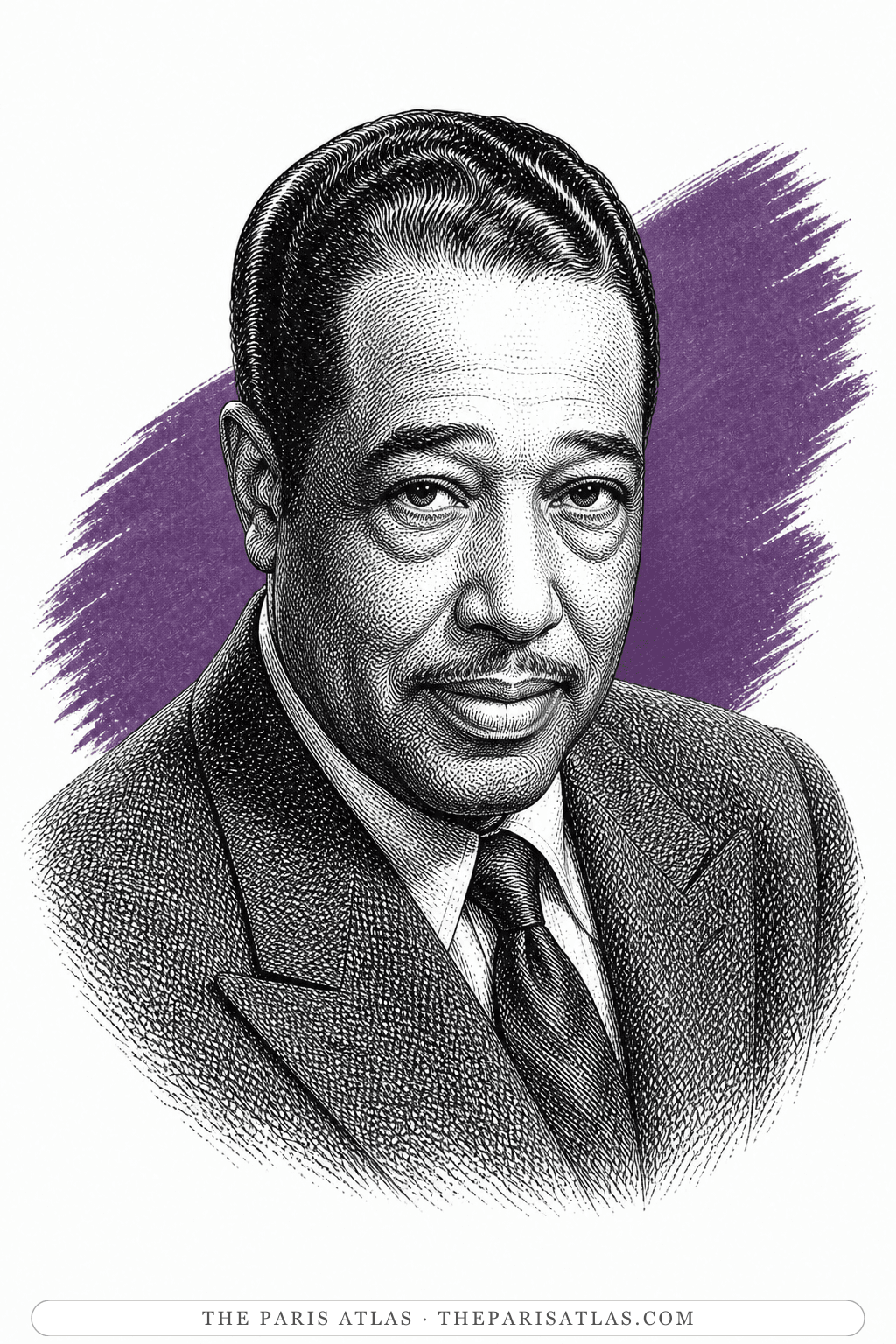
Duke Ellington belonged to the circle of musicians and artists associated with Scott's Paris home during her decade in France.
— La Paix de Paris?; About Hazel Scott
Connections and Sources
Hazel Scott’s connections to people, places, and works, with the sources behind each one.
Married to · 1945–1960
Adam Clayton Powell Jr.
Scott married the Harlem minister and congressman Adam Clayton Powell Jr. in 1945. Their son, Adam Clayton Powell III, was born the following year; the marriage ended in divorce in 1960.
Duke Ellington belonged to the circle of musicians and artists associated with Scott's Paris home during her decade in France.
— La Paix de Paris?; About Hazel Scott
References
References
The sources below include biographies, scholarly essays, interviews, and primary materials that informed this page. They reflect both the historical record and ongoing critical conversations about Hazel Scott and their work.
These references anchor the page in the documented record and in the scholarly conversations around Hazel Scott. Every claim on this page traces back to one or more of the works listed here.

 View source