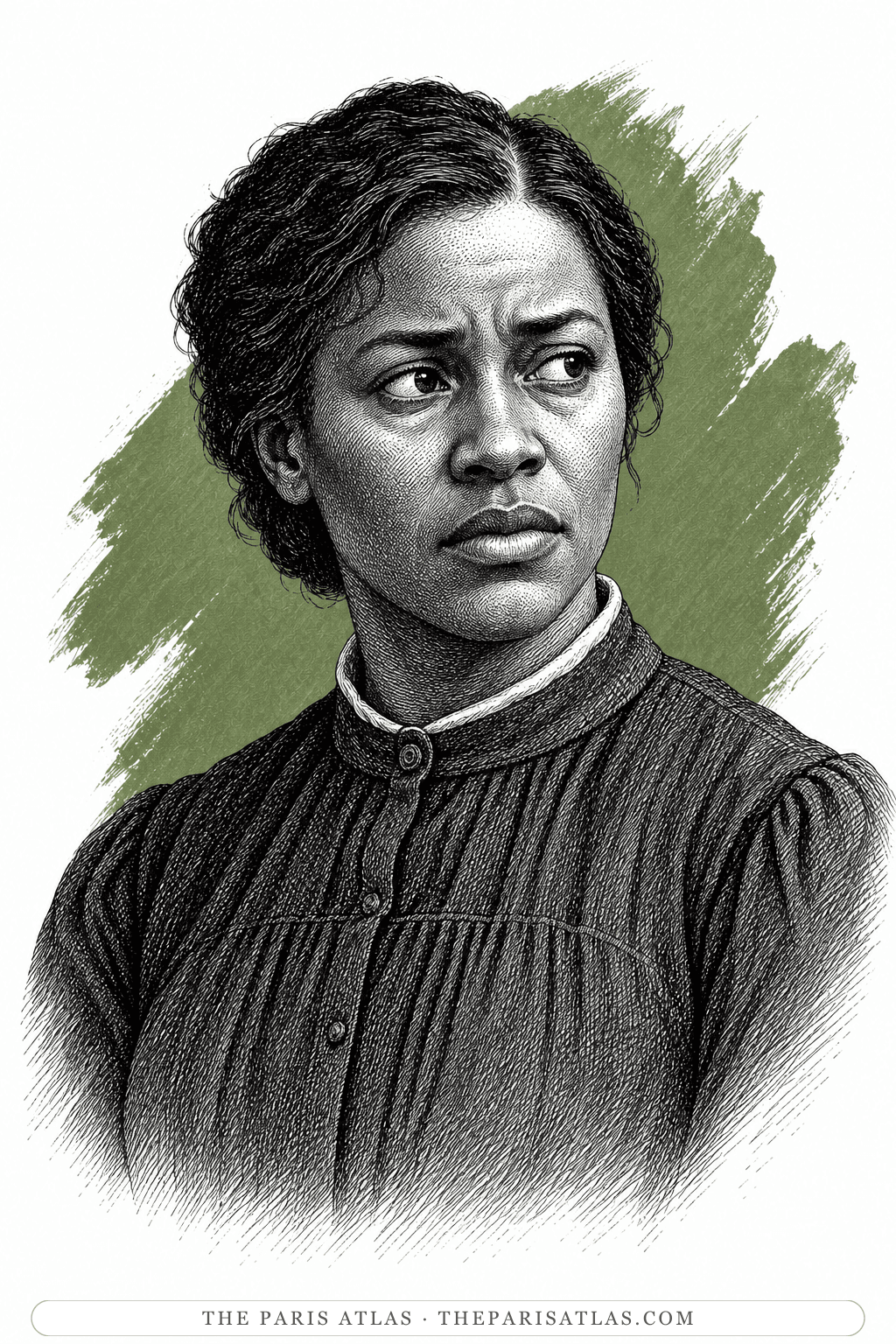
Sethe
Denver's mother, whose escape from slavery and later decisions shape the household.
She wants her children beyond the reach of enslavers and wants Beloved to understand what drove her actions.
The book

Who they are in the book
Spoiler-freeSethe's fierce attachment to her children grows from a world that denied her authority over her own body. Morrison gives that attachment both protective force and destructive possibilities.
How Sethe Is Portrayed
- Memory as workIn Part One's opening, Sethe resists recollection. Remembering becomes labor, suggesting that survival requires effort even during an apparently ordinary day.
- What her account emphasizesHer account of stolen breast milk centers a mother's violated relationship with her child. Paul D's questions reveal a different emphasis within the same remembered assault.
- Refusing another flightWhen Denver wants to leave 124, Sethe refuses. A home can represent hard-won permanence even when it offers little comfort.
- Stories offered to BelovedBeloved's questions about earrings draw out Sethe's memories. An attentive listener can make disclosure pleasurable before its consequences become apparent.
- Care without limitsIn Part Three, Sethe dwindles as Beloved's demands grow. Morrison makes their changing bodies a measure of care that leaves no room for the caregiver.
- A self beyond motherhoodPaul D's final reassurance values Sethe herself. Her questioning response keeps that possibility open without pretending that a single conversation repairs the damage.
If you like Beloved


If you like Toni Morrison
Explore authors with a similar voice, perspective, and influence.
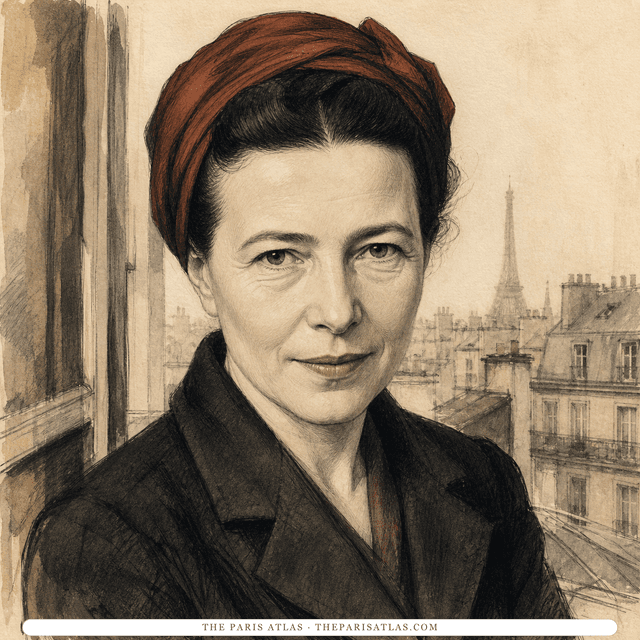
Simone de Beauvoir
French writer and philosopher whose novels, memoirs, and social analysis examined freedom, gender, responsibility, aging, and the material conditions that shape a life.
View author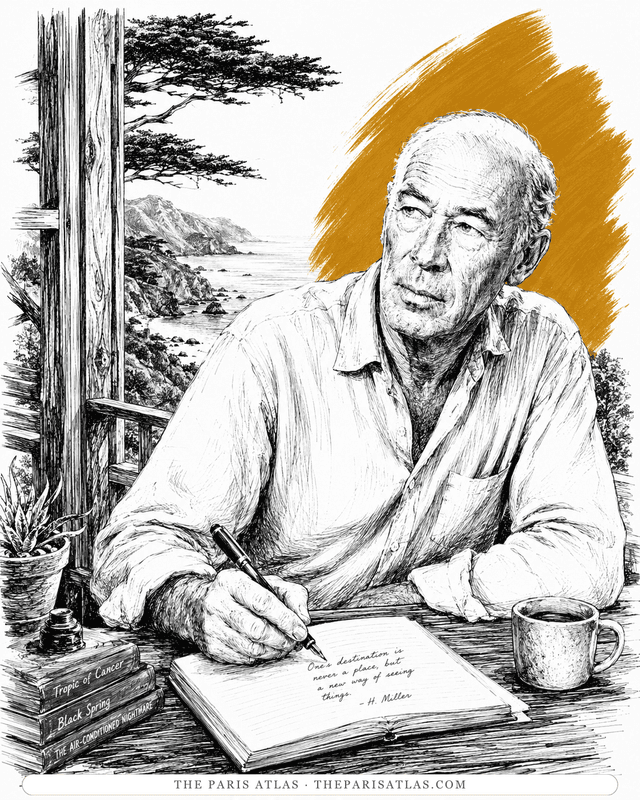
Henry Miller
The Brooklyn dropout who arrived in Paris broke at thirty-eight and wrote the exuberant, banned books that ended American censorship.
View author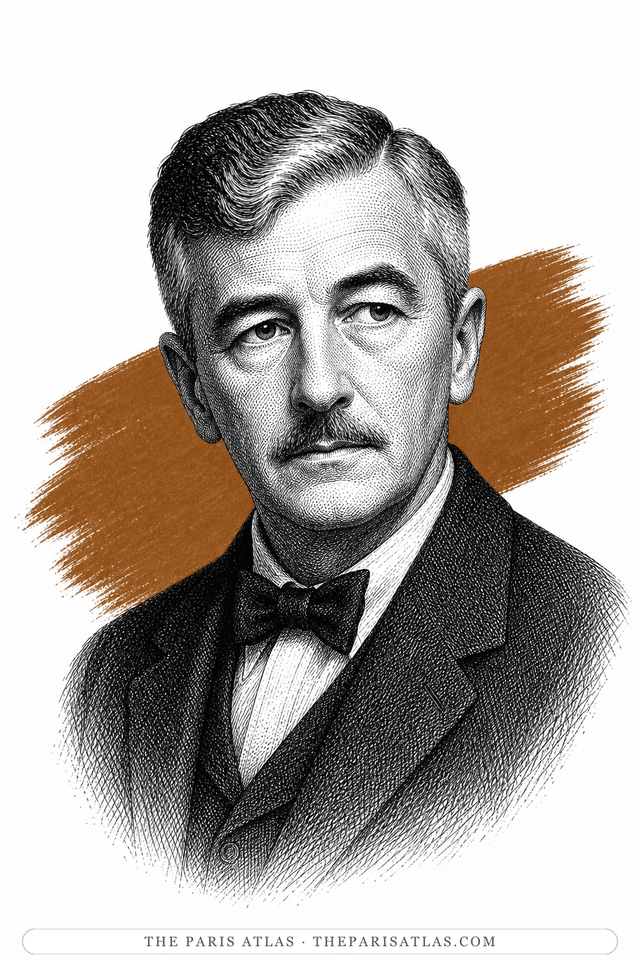
William Faulkner
The American novelist who invented Yoknapatawpha County, the imaginary Mississippi county he called himself sole owner and proprietor of, and who spent the autumn of 1925 in a room at 26 rue Servandoni beside the Luxembourg Gardens — all but unpublished, calling himself a tramp, and walking to the café used by the Irish novelist James Joyce simply to look at him.
View author