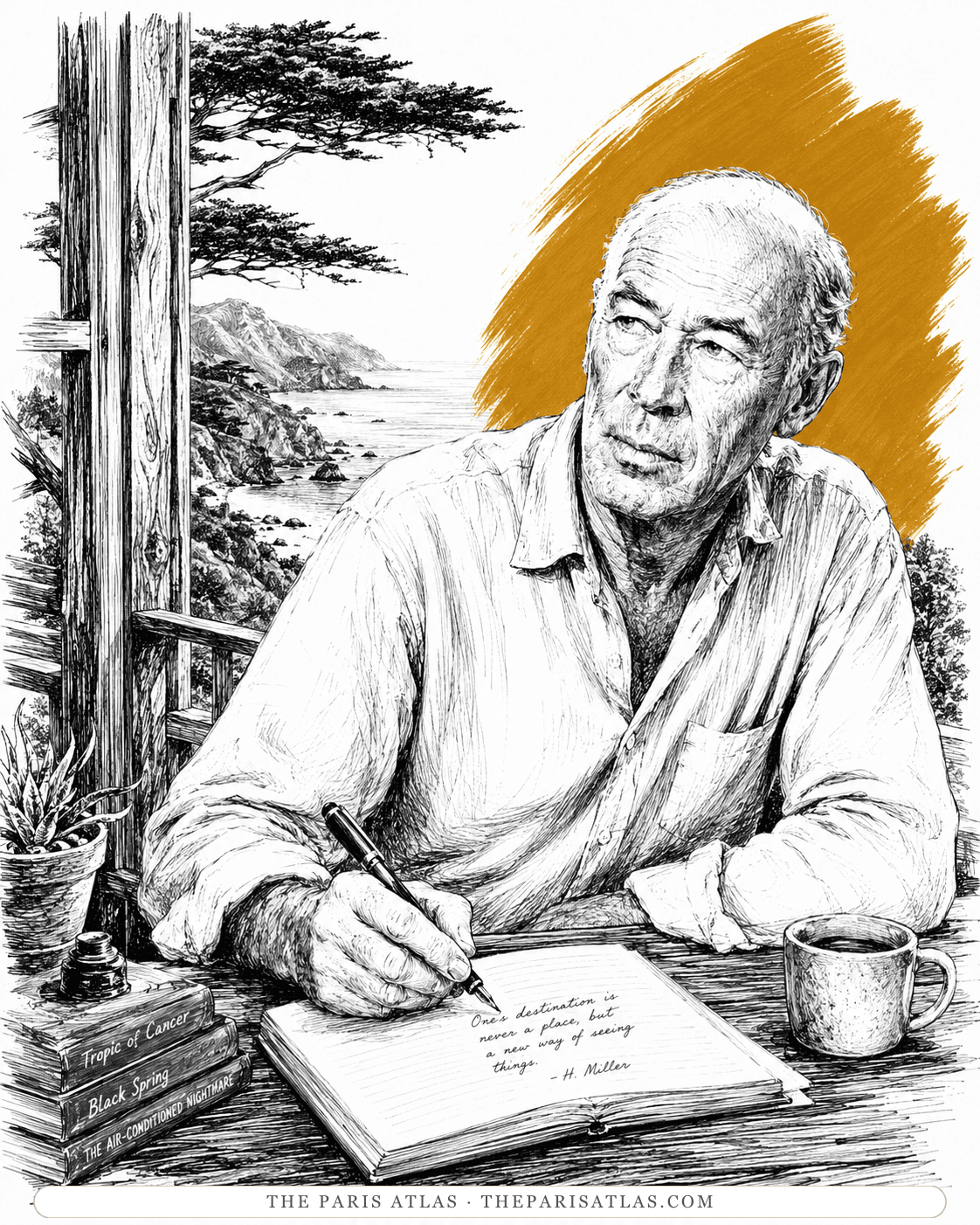


Face to Face with Henry Miller
by Henry Miller
Georges Belmont’s Paris conversations draw Miller into direct speech about Brooklyn, France, sex, censorship, painting, and the making of a public self.
- 1971
- 103
About Henry Miller
The story, briefly
Spoiler-freeFace to Face with Henry Miller is the English edition of Georges Belmont’s book-length conversations with Miller. The interviews first appeared in French as Henry Miller—Entretiens de Paris in 1970, with photographs by Tony Miller. Sidgwick & Jackson published the 1971 English translation by Antony Macnabb and Harry Scott; a 1972 American edition used the title Henry Miller in Conversation. These titles belong to the same interview project.
The story, in more detail
Belmont’s questions organize Miller’s spoken autobiography without making it linear. Brooklyn, Paris, banned books, relationships, travel, and painting recur as Miller revises familiar stories in the pressure of conversation.
Translation and retitling are part of the publication history. The French original, British Face to Face, and American Henry Miller in Conversation present substantially the same encounter to different readerships.
Themes and analysis
A writer responding to another voice
Georges Belmont’s conversations let Miller revisit his life and ideas in response to questions. The interview format creates a different kind of self-portrait from the extended performance of an autobiographical novel. Belmont helps determine the subjects and the occasions on which an answer develops.
The discussions range across the writing process, personal experience, and religious or philosophical questions. They belong to Miller’s spoken self-presentation. A recollection offered in conversation should be distinguished from an independently verified event, just as the narrator of a novel should not automatically stand in for the historical author.
Two remarks reproduced by Radio France alongside its edition of Belmont’s recordings show how Miller’s talk becomes an appeal to the listener. His list of Shakespeare, Dante, Homer and Christ casts unrealized potential as something we destroy within ourselves. Another remark allows spiritual life to begin at eighteen or forty-seven, separating renewal from a fixed age. The first image makes delay sound culpable; the second refuses a deadline. Together they give his encouragement an impatient edge: beginning again remains possible, but postponement is not presented as harmless. This is the speaker’s rhetoric, not a universal rule about creative achievement.
The French book and the English editions
Stock published the French Entretiens de Paris in 1970. Antony Macnabb and Harry Scott translated the conversations for the 1971 British edition, Face to Face with Henry Miller. Quadrangle’s 1972 American book appeared as Henry Miller in Conversation with Georges Belmont.
These titles describe the same interview project in different markets. The translators’ contribution matters because English readers encounter a published English rendering of the French book, not a transparent reproduction of a live conversation with its pauses and vocal inflections.
Distinct from the Pacific Palisades conversations
Christian de Bartillat’s Flash Back is a later, separate project associated with Miller’s California home. Its interviewer, publication history, and editorial construction differ from Belmont’s. The two should be compared as distinct encounters rather than combined because both contain retrospective talk.
Belmont’s book is useful beside Miller’s own longer accounts of his literary development. It shows what he chooses to emphasize when prompted by a listener, but does not replace those works or provide a final authoritative key to all their characters and episodes.
Why we recommend it
The voice unbuttoned
Conversation preserves digression, contradiction, timing, and humor that polished memoir can remove.
A clean edition map
The publication history keeps three national titles from being mistaken for separate interview books.
The interviewer’s part in autobiography
Belmont’s questions provide a way to examine how another person helps shape Miller’s account of himself.
What this book explores
The people in its pages
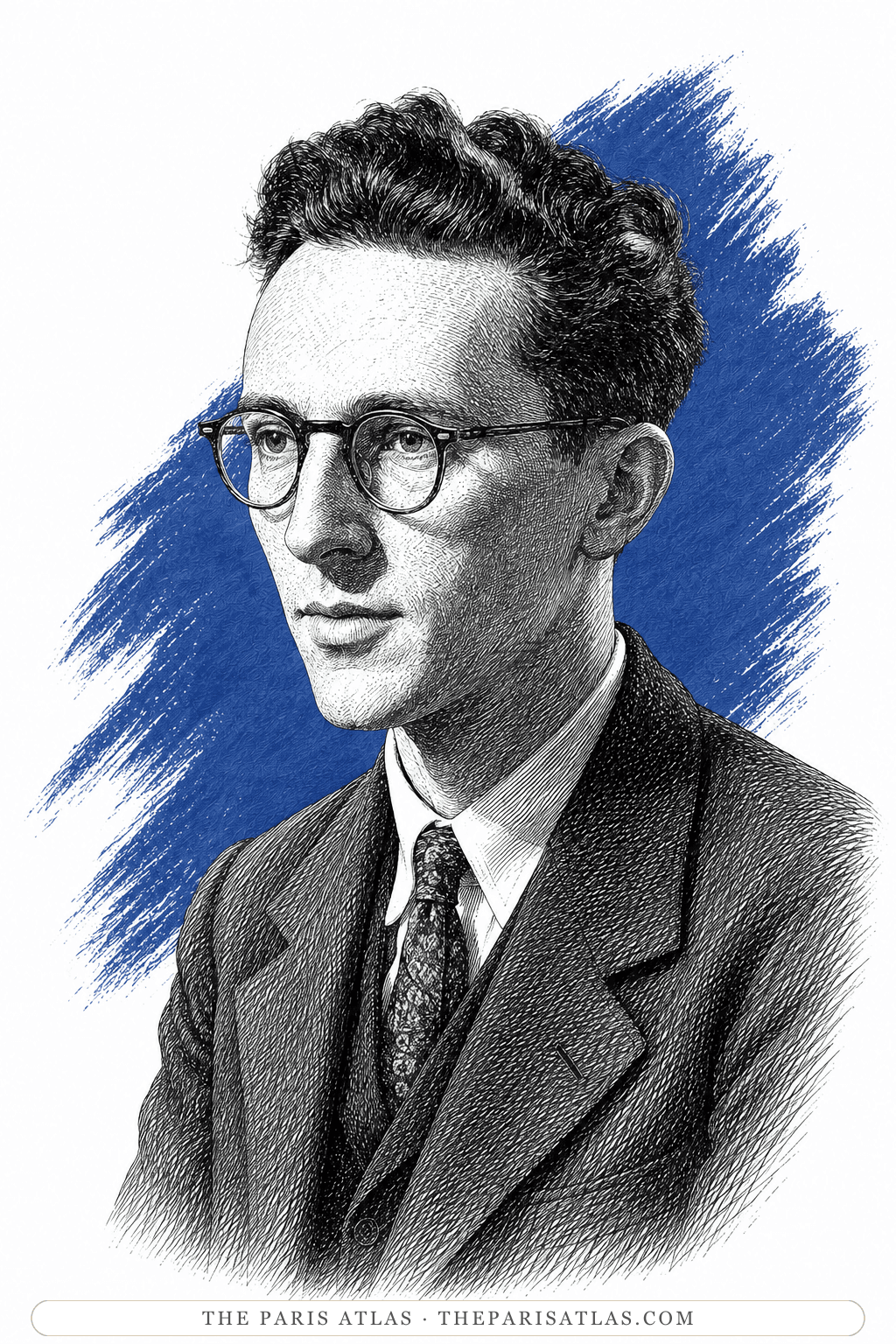
Georges Belmont
French journalist and translator whose questions shape Miller’s spoken autobiography.
Timeline
1970
Stock publishes the French conversations with Tony Miller’s photographs.
1971
Sidgwick & Jackson publishes Face to Face in English.
1972
Quadrangle issues the American edition as Henry Miller in Conversation.
Book editions
Paperback
- Paperback
- Stock
- 1970
Hardcover
- Hardcover
- Sidgwick & Jackson
- 1971
Hardcover
- Hardcover
- Quadrangle
- 1972
Reader reviews
Readers may also like


The Books in My Life
Miller’s sustained account of reading and influence, recurrent interview subjects here.
Read our takeFace to Face with Henry Miller: frequently asked questions
What was the original French title?
Henry Miller—Entretiens de Paris, published by Stock in 1970.
Who translated the British edition?
Antony Macnabb and Harry Scott.
Is Henry Miller in Conversation a different book?
No. It is the 1972 American title for Belmont’s interview project.
Who conducted the conversations?
Georges Belmont conducted the conversations with Miller.
Is this the same interview book as Flash Back?
No. Flash Back is the later French-language book associated with Christian de Bartillat.
If you like Henry Miller
Explore authors with a similar voice, perspective, and influence.
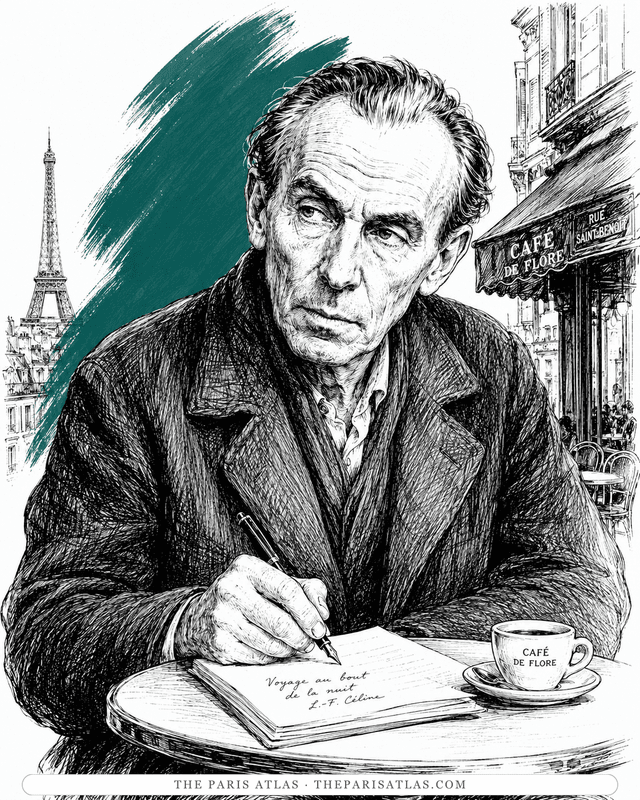
Louis-Ferdinand Céline
Miller's acknowledged master at making literature out of the gutter. Journey gave him permission; Cancer is what he did with it.
View author
Ezra Pound
Pound read Cancer and sent Miller a famously backhanded postcard. Both believed literature's job was to wake the reader by any means necessary.
View author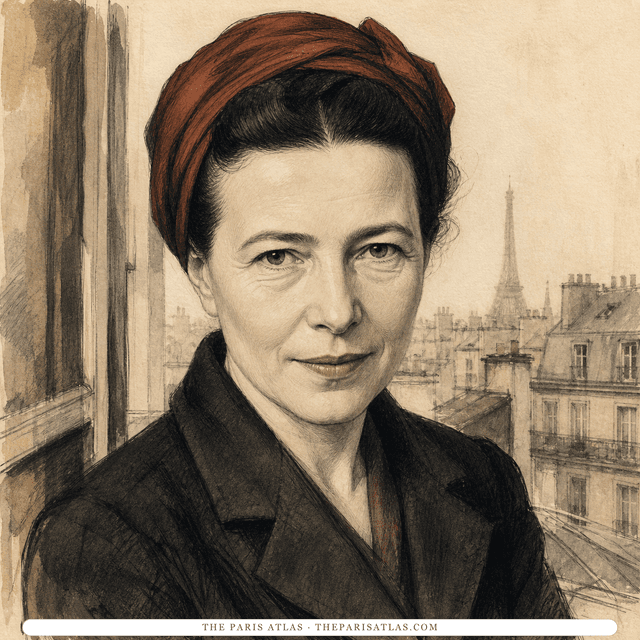
Simone de Beauvoir
French writer and philosopher whose novels, memoirs, and social analysis examined freedom, gender, responsibility, aging, and the material conditions that shape a life.
View author
References
References
The sources below include the primary text, editions, scholarship, archival materials, and other records that informed this page. They document Face to Face with Henry Miller, its publication, and its place in literary history.


1Face to Face with Henry Miller
MemoirHenry Miller, 1971Used forThe primary text represented by this page, used for descriptions of the work’s contents and for any quoted passages shown here.
2Henry Miller. Les entretiens de Paris — audio edition and quoted remarks
WebsiteRadio FranceUsed forThe new reading uses two French remarks printed on Radio France’s page for Belmont’s recorded conversations, not an inspected transcript, audio performance or passage in the British translation.
3Henry — Miller’s autobiographical chronology
WebsiteThe Henry Miller Memorial LibraryUsed forWeb source consulted for documented facts and historical context presented on the Face to Face with Henry Miller page.
4Henry Miller in Conversation with Georges Belmont — Quadrangle edition
WebsiteGoogle Books / Quadrangle BooksUsed forWeb source consulted for documented facts and historical context presented on the Face to Face with Henry Miller page.

5Face to Face with Henry Miller — bibliographic record
Official recordOpen British National BibliographyUsed forOfficial record used to verify names, dates, institutional details, or other factual information on this page.
6The Happiest Man Alive: A Biography of Henry Miller
BiographySimon & Schuster, 1991Used forBiographical evidence used to verify chronology, relationships, and historical context connected to Face to Face with Henry Miller.
7Henry Miller: A Life
BiographyW. W. Norton, 1991Used forBiographical evidence used to verify chronology, relationships, and historical context connected to Face to Face with Henry Miller.
8Henry Miller: An Inventory of His Collection
ArchiveHarry Ransom Center, The University of Texas at AustinUsed forArchival evidence used to document the historical record connected to Face to Face with Henry Miller.
i
Why these sources are here
The primary text is the baseline reference for every book page. Additional references document publication history, interpretation, and historical context where that evidence is available.
 Explore more resources