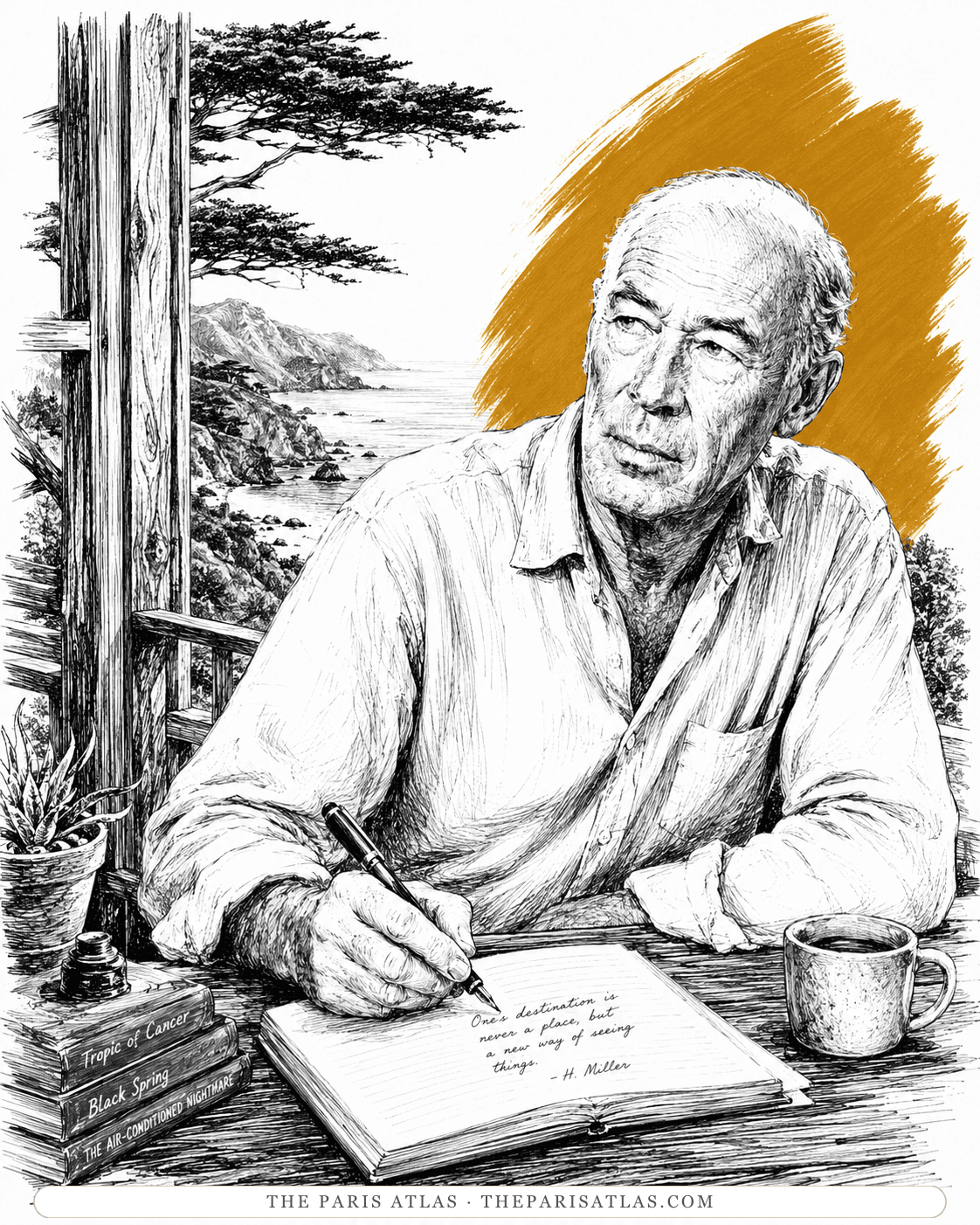


Henry Miller Miscellanea
by Henry Miller
A five-hundred-copy Berkeley cabinet of corrected typescripts, a work schedule, a Black Spring epilogue, circus memory, art, and publisher intervention.
- 1945
- 45
- Wry
- Melancholy
- experimental
- autobiographical
- voice-driven
About Henry Miller
The story, briefly
Spoiler-freeBern Porter published Henry Miller Miscellanea in California in 1945, in an edition limited to five hundred copies. The surviving production archive shows that “miscellanea” is exact rather than casual: corrected typescripts include “Cirque Medrano,” an “Epilogue to Black Spring,” an address to the reader of an excerpt beginning “Once I passed through…,” and Miller’s work schedule. Porter’s corrections and printer’s marks remain part of the archival story, making the booklet a record of collaboration as well as a gathering of fragments.
The story, in more detail
This is not a conventional essay collection with a stable subject. It assembles peripheral and working material: prose around Black Spring, circus recollection, a direct address to a reader, and the daily commandments and timetable Miller used to discipline his writing. The small volume turns the margin of the career into its subject.
The UCLA Henry Miller papers preserve two groups of Miscellanea drafts from about 1945, some heavily corrected by Miller and Bern Porter and carrying printer’s instructions. That evidence anchors both the contents and the publisher’s active role. The original boards also reproduced Miller artwork, while many copies included a handwritten postcard from him.
Themes and analysis
Writing around the larger works
The material associated with Miscellanea includes an epilogue to Black Spring, a circus piece, an address to the reader of an excerpt, and a work schedule. These different forms move between literary performance and documents about making or presenting literature.
An epilogue speaks from the edge of another book; an address to an excerpt’s reader manages a fragment’s new context. A work schedule has a different purpose again. The juxtaposition lets readers see more than the finished autobiographical voice for which Miller was already becoming known.
The second writing commandment names Black Spring and tells Miller to stop adding material to it. That proper name interrupts any impression of timeless advice addressed to all writers: this is a note directed at a particular author and an unfinished task. The later instruction to concentrate on the current book rather than imagined future books sharpens the same problem. New possibilities can become a way of avoiding completion. Read through the commandments reproduced by Maria Popova, the schedule is therefore more personal and more impatient than a neutral timetable.
The schedule and the image of improvisation
The presence of a work schedule complicates the impression that Miller’s writing arose without discipline. A document organizing work is not proof that he followed it every day, but it shows an effort to give time and attention a deliberate form.
Set beside prose fragments, this practical material changes the reading experience. The book invites attention to the circumstances of composition as well as to its products. It should not be reorganized in description into a continuous memoir that the miscellany does not provide.
The sixth commandment makes its point through two competing images: cement and fertilizer. One binds material already present; the other encourages further growth. Miller gives priority to the first, turning a small daily act of consolidation into an alternative to multiplying ideas. The afternoon program makes that distinction practical by asking for the completion of the section in hand. Together, metaphor and timetable challenge the assumption that more material always means progress. The target is an ever-expanding manuscript, not a shortage of things to say.
Porter’s collaboration and the surviving drafts
The UCLA archive preserves typescripts corrected by both Miller and Bern Porter, with printer’s markings. Its descriptions identify material prepared for the publication rather than furnishing a definitive table of contents for every surviving copy. The distinction matters when using an archive to describe a printed book.
The 1945 edition was limited to 500 copies. Its combination of literary material, working documents, and Miller artwork makes it part of Porter’s broader effort to publish the writer through small, varied objects. It is a companion to the major books, not an otherwise unknown full-length novel.
Why we recommend it
The work schedule in context
Miller’s famous writing commandments appear here as part of a physical cabinet of working material.
A publisher-visible object
The archive preserves the editorial and printing hands that helped turn the fragments into a book.
Writing habits alongside finished prose
The work schedule and commandments let readers compare Miller’s practical writing rules with the freedom of his published voice.
What this book explores
Timeline
1932–1933
Miller writes the work schedule and commandments later preserved in the collection.
1945
Bern Porter issues Henry Miller Miscellanea in a five-hundred-copy edition.
1964
The writing commandments and schedule reach a wider audience through Henry Miller on Writing, selected with Miller’s collaboration.
Book editions
Hardcover
- Hardcover
- Bern Porter
- 1945
Reader reviews
Readers may also like

Henry Miller on Writing
The later anthology that brought the Miscellanea work schedule to a wider audience.
Read our take
Henry Miller Miscellanea: frequently asked questions
What is in Henry Miller Miscellanea?
Archival drafts identify “Cirque Medrano,” an “Epilogue to Black Spring,” an address to a reader, and Miller’s work schedule among its assorted pieces.
Who published it?
Bern Porter published it in California in 1945; the first edition was limited to five hundred copies.
Is it a novel?
No. It is a small mixed gathering of fragments, essays, paratext, and working material.
Does Henry Miller Miscellanea include advice about writing?
Yes. It preserves Miller’s work schedule and commandments from 1932–1933.
How large was the first printing?
Bern Porter issued five hundred copies in 1945, printed at the Greenwood Press in San Mateo.
If you like Henry Miller
Explore authors with a similar voice, perspective, and influence.
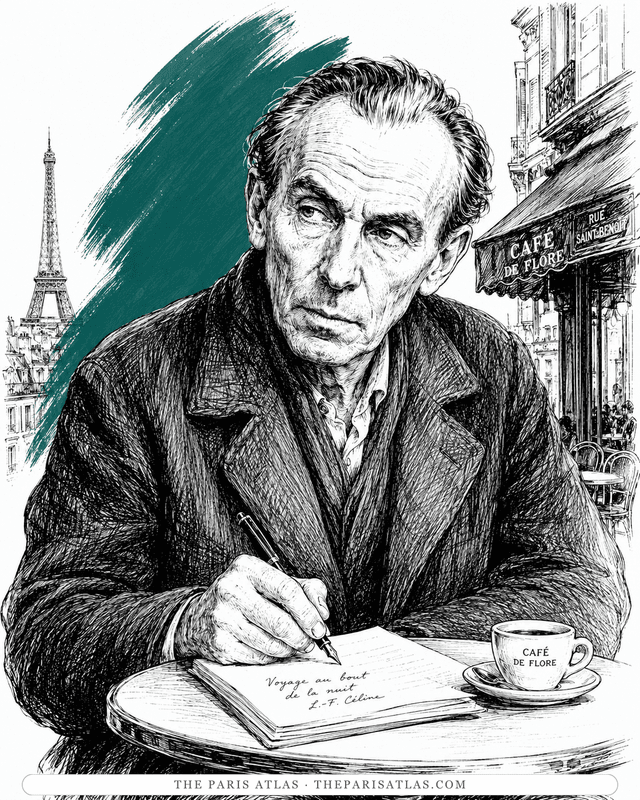
Louis-Ferdinand Céline
Miller's acknowledged master at making literature out of the gutter. Journey gave him permission; Cancer is what he did with it.
View author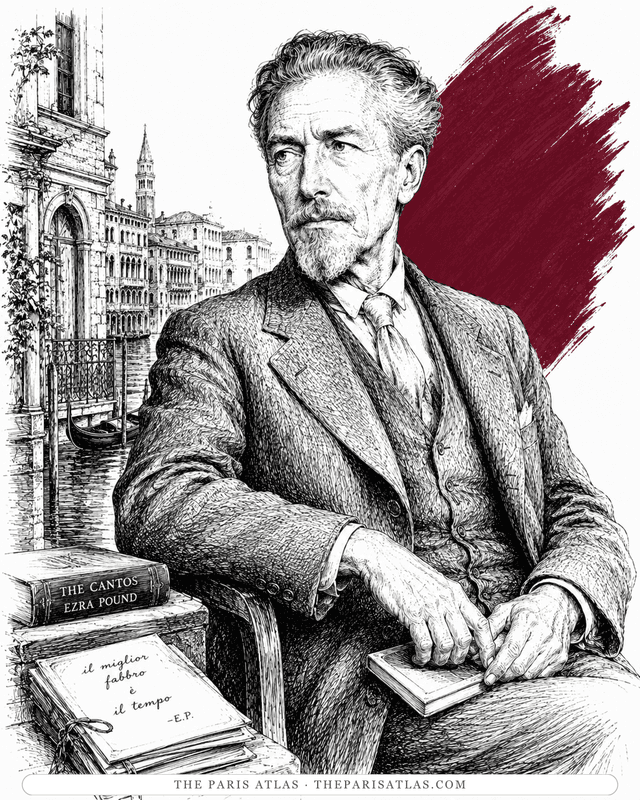
Ezra Pound
Pound read Cancer and sent Miller a famously backhanded postcard. Both believed literature's job was to wake the reader by any means necessary.
View author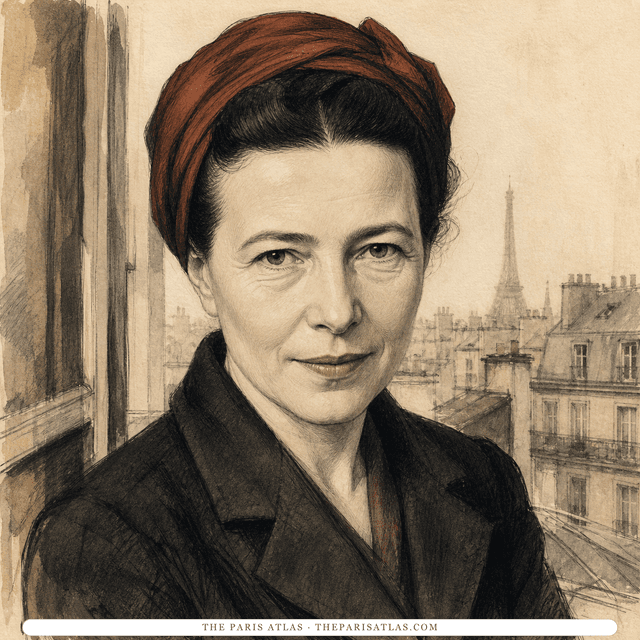
Simone de Beauvoir
French writer and philosopher whose novels, memoirs, and social analysis examined freedom, gender, responsibility, aging, and the material conditions that shape a life.
View author
References
References
The sources below include the primary text, editions, scholarship, archival materials, and other records that informed this page. They document Henry Miller Miscellanea, its publication, and its place in literary history.


1Henry Miller Miscellanea
EssaysHenry Miller, 1945Used forThe primary text represented by this page, used for descriptions of the work’s contents and for any quoted passages shown here.
2Finding Aid for the Henry Miller Manuscripts, 1896–1980
ArchiveUCLA Library Special CollectionsUsed forArchival evidence used to document the historical record connected to Henry Miller Miscellanea.
3Henry Miller Miscellanea — bibliographic record
Official recordWorldCatUsed forOfficial record used to verify names, dates, institutional details, or other factual information on this page.
4Henry Miller: A Chronology and Bibliography
ArchiveBern Porter, 1945Used forArchival evidence used to document the historical record connected to Henry Miller Miscellanea.

5The Happiest Man Alive: A Biography of Henry Miller
BiographySimon & Schuster, 1991Used forBiographical evidence used to verify chronology, relationships, and historical context connected to Henry Miller Miscellanea.
6Henry Miller: A Life
BiographyW. W. Norton, 1991Used forBiographical evidence used to verify chronology, relationships, and historical context connected to Henry Miller Miscellanea.
7New Directions — Henry Miller on Writing
WebsiteUsed forWeb source consulted for documented facts and historical context presented on the Henry Miller Miscellanea page.
8The writing commandments — Miscellanea and its later reprint
WebsiteUsed forWeb source consulted for documented facts and historical context presented on the Henry Miller Miscellanea page.
9Henry Miller's 11 Commandments of Writing and His Daily Creative Routine
EssaysThe Marginalian, 2012Used forPublished analysis and historical context used in preparing the Henry Miller Miscellanea page.
i
Why these sources are here
The primary text is the baseline reference for every book page. Additional references document publication history, interpretation, and historical context where that evidence is available.
 Explore more resources