
The Colossus of Maroussi
For Miller’s actual Greek journey, rather than this response to Nash’s art.
Read our take
by Henry Miller
Bob Nash’s art prompts an imaginative journey in a brief illustrated essay from Miller’s Big Sur circle.
Journey to an Antique Land is Miller’s short response to the art of Bob Nash, published by Ben Ben Press in Big Sur in 1962 with Nash’s illustrations. Despite its travel-like title, the essay is chiefly commentary on an artist’s work, not an account of a journey through Greece. Its images of distance and antiquity describe Miller’s imaginative encounter with Nash’s pictures. The essay later appeared in On Turning Eighty.
Miller approaches Nash’s visual work through imaginative description, treating its mysterious signs as messages from an unfamiliar world. The title describes that response rather than a documented travel itinerary.
Nash participates as both the artist under discussion and the book’s illustrator. The small-press edition brings the pictures and Miller’s response together, giving the collaboration a form distinct from the essay’s later collected appearance.
The title can mislead readers expecting another Greek travel narrative. Bibliographic descriptions identify the essay chiefly as Miller’s commentary on Bob Nash’s work. Its journey is through the suggestive world of an artist’s images, rather than a documented itinerary through ancient Mediterranean sites.
A contemporary Big Sur account quotes Miller describing Nash’s pictures as enigmatic messages and imagining their origins far beyond ordinary surroundings. That response makes antiquity and remoteness metaphors for the encounter with unfamiliar visual signs. It does not establish that the two men undertook an archaeological expedition.
Fitzpatrick-Grimm’s profile reproduces Miller’s image of drawings arriving from the “hidden face of the moon,” followed by his reference to earthly “lunacy.” The echo turns apparent strangeness back on the observer: the pictures seem alien, but ordinary human ambitions become the questionable things. His next move dismisses measurement, calculation and effort together. Looking at Nash’s art thus becomes a temporary release from the standards by which people usually judge achievement, rather than a puzzle whose code the critic has to solve.
Nash is both the artist Miller discusses and the illustrator associated with the original book. This gives the collaboration a different structure from an illustrator decorating an already complete travel story. Readers are offered a visual practice and a writer’s response to it in the same small publication.
Miller’s role is that of an enthusiastic interpreter. His imaginative associations need not be taken as Nash’s own explanation of every mark. Keeping artist and commentator distinct allows the pictures to remain more than examples of Miller’s prose.
The profile’s next quotation makes damage and recognition coexist: missing pieces do not prevent Miller from remembering a whole. Nash’s response shifts the emphasis. His interrupted lines belong to living nature, not chiefly to the remains of a vanished civilization. Read together, the two explanations make the same gaps do different work: Miller associates them with memory, while Nash treats discontinuity as part of how a living whole exists. Neither reading requires the drawing’s gaps to be filled in.
Ben Ben Press published the illustrated book in Big Sur in 1962. The essay later appeared with On Turning Eighty, and Village Press issued a short edition in 1973. Those settings place the same text beside different companions: an artist’s work in one case, Miller’s late reflections in another.
It belongs most naturally with Miller’s writing about painters and making art. Varda, the Master Builder and To Paint Is to Love Again offer closer comparisons than a conventional guide to Greece. Readers seeking Miller’s actual Greek travels should begin with The Colossus of Maroussi.
Miller’s prose offers an imaginative encounter with Bob Nash’s work.
The collaboration brings artist, writer, and independent publisher into one brief volume.
Miller responds to the suggestive signs in Bob Nash’s pictures, showing how a writer can interpret images without turning them into a travel story.
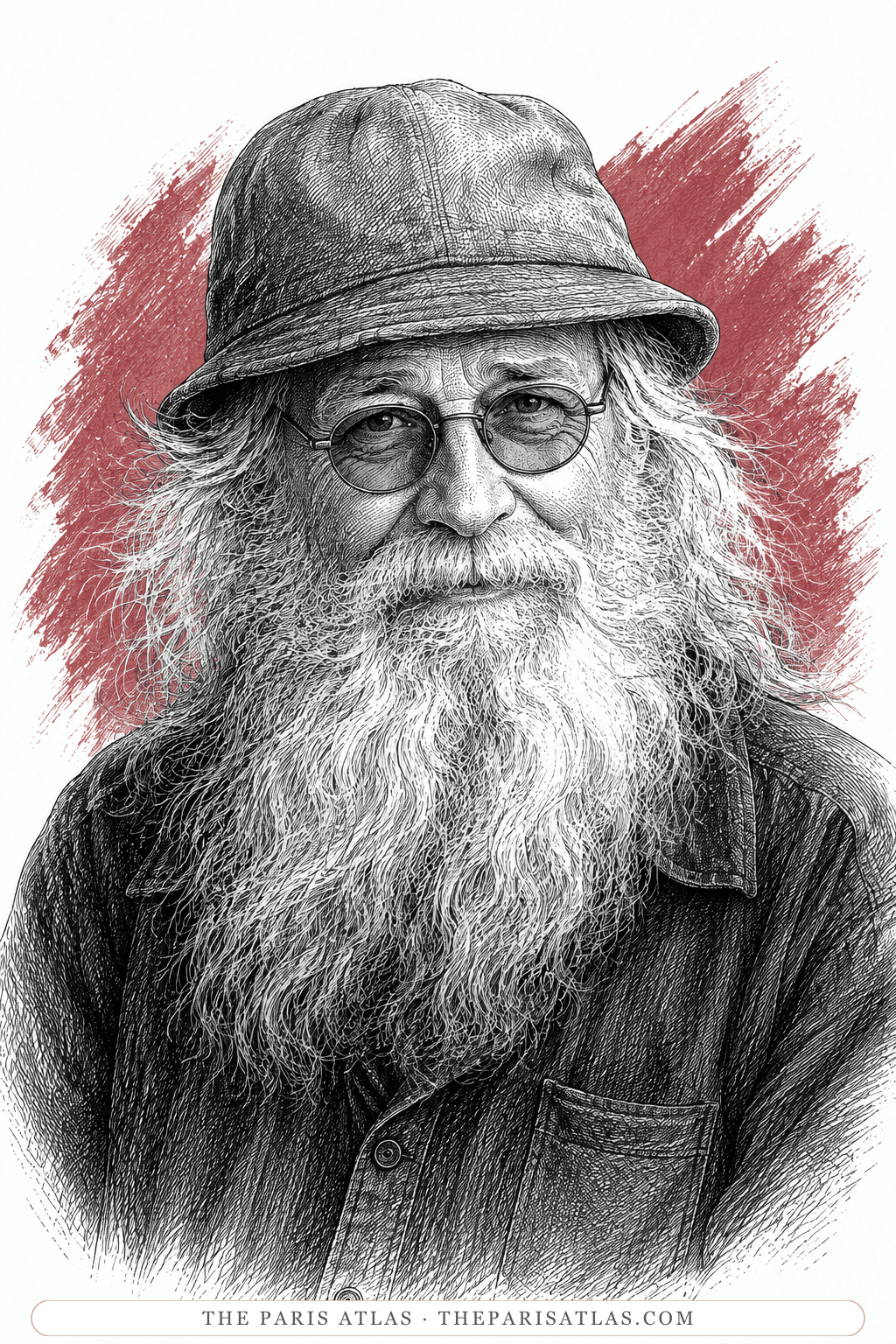
The illustrator whose drawings make the first edition a text-and-image collaboration.
1962
Ben Ben Press publishes the illustrated first edition in Big Sur.
1972
The essay is collected in On Turning Eighty.
1973
Village Press issues the essay separately in a short London edition.
For Miller’s actual Greek journey, rather than this response to Nash’s art.
Read our take

Bob Nash illustrated the 1962 Ben Ben Press edition.
Ben Ben Press printed 2,000 copies.
Yes. It later appeared in On Turning Eighty.
No. The essay is chiefly Miller’s response to Bob Nash’s art; the journey in the title is imaginative.
Ben Ben Press published the illustrated book in Big Sur in 1962.
Explore authors with a similar voice, perspective, and influence.

Miller's acknowledged master at making literature out of the gutter. Journey gave him permission; Cancer is what he did with it.
View author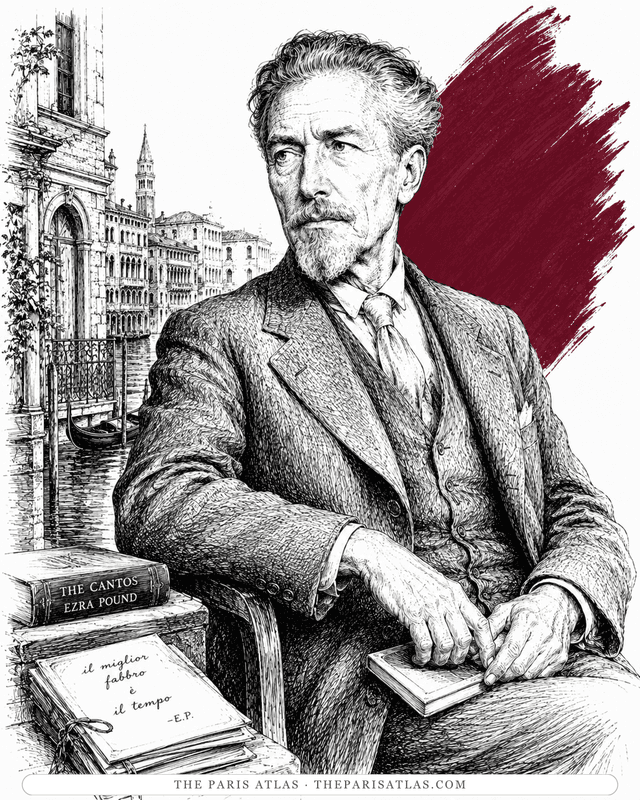
Pound read Cancer and sent Miller a famously backhanded postcard. Both believed literature's job was to wake the reader by any means necessary.
View author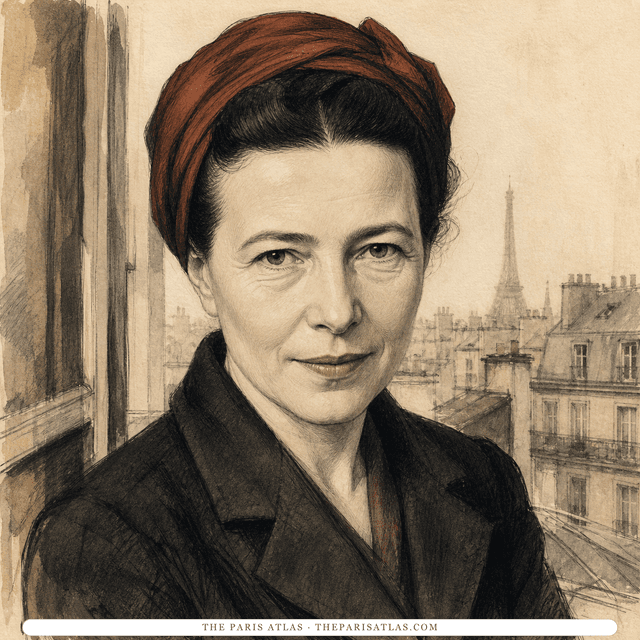
French writer and philosopher whose novels, memoirs, and social analysis examined freedom, gender, responsibility, aging, and the material conditions that shape a life.
View authorThe sources below include the primary text, editions, scholarship, archival materials, and other records that informed this page. They document Journey to an Antique Land, its publication, and its place in literary history.


The primary text represented by this page, used for descriptions of the work’s contents and for any quoted passages shown here.

Web source consulted for documented facts and historical context presented on the Journey to an Antique Land page.
Web source consulted for documented facts and historical context presented on the Journey to an Antique Land page.
Official record used to verify names, dates, institutional details, or other factual information on this page.
Biographical evidence used to verify chronology, relationships, and historical context connected to Journey to an Antique Land.
Biographical evidence used to verify chronology, relationships, and historical context connected to Journey to an Antique Land.
Archival evidence used to document the historical record connected to Journey to an Antique Land.
The primary text is the baseline reference for every book page. Additional references document publication history, interpretation, and historical context where that evidence is available.
 Explore more resources