


Selected Prose
by Henry Miller
Two British volumes gather Miller’s major prose modes—Paris, America, travel, art, friendship, and the essayistic voice between them.
- 1965
About Henry Miller
The story, briefly
Spoiler-freeSelected Prose is a two-volume British selection published by MacGibbon & Kee in 1965. Volumes I and II form one editorial project rather than two separate books. The two-volume set draws across Miller’s fiction, autobiography, travel writing, portraits, and essays, offering a mid-career map of the prose then available to British readers. Its division across volumes is editorial, not a sequence of new works.
The story, in more detail
The two volumes establish breadth through juxtaposition. Paris episodes sit beside American criticism, travel, artist portraits, and reflections on writing, showing how often Miller crossed the boundaries later imposed by genre labels.
The 1965 date matters: this is a retrospective assembled just after the legal breakthrough of Tropic of Cancer in the English-speaking world, when publishers could present Miller as a substantial body of prose rather than a single scandalous title.
Themes and analysis
A two-volume project
MacGibbon & Kee published Selected Prose in London in 1965 as two volumes. The Morgan Library catalogues both volumes together. The Roman numerals identify portions of that selection, not successive novels or volumes of The Rosy Crucifixion.
The first volume’s publisher’s description emphasizes shorter biographical, critical, and recollective pieces alongside Miller’s better-known achievement in novels and travel writing. The set broadens the view of a writer too often represented by a few controversial titles.
Essays with different kinds of work to do
Scholarly references locate such pieces as Good News! God Is Love! and When I Reach for My Revolver in the first volume. They also cite Murder the Murderer and artist-related writing in the second. These examples establish the selection’s range without supplying an unverified complete contents list.
The differences are substantial. An antiwar polemic asks readers to follow and challenge an argument; an artist portrait depends on an encounter and the writer’s evaluation of a person. Gathering them together highlights Miller’s voice across forms without making the pieces share a single plot.
Harold T. McCarthy quotes a revealing image from A Bodhisattva Artist: the European artist belongs to an old oak that has survived repeated storms. Miller concedes that earning a living can be harder there; the tree supplies a sense of belonging, not a guarantee of income. Even its strength is conditional, since the artist falls if the whole tree falls. This image complicates the familiar picture of Miller’s solitary rebel. Here artistic independence needs a shared history that can sustain it, though that history remains vulnerable. It is Miller’s idealized contrast, not a description of every European artist’s circumstances.
What the edition preserves—and what it does not
The 1965 set captures a particular stage in Miller’s publication history. It cannot include the many late chapbooks and posthumously published manuscripts that appeared afterward. Selected does not mean complete, and the date is part of the selection’s meaning.
The set is also distinct from The Henry Miller Reader, published in Britain as The Best of Henry Miller. That alternate title belongs to the Reader’s history; it is not an alias for every volume of selected Miller prose. Readers comparing editions should match publisher, date, volume number, and contents rather than relying on the word selected alone.
Why we recommend it
Breadth without a single genre
The set places fiction, travel, memoir, portraits, and criticism in direct conversation.
A 1965 perspective
It captures the moment Miller’s English-language reputation broadened after decades of censorship.
Selections that invite further reading
The set lets readers compare short examples of Miller’s prose before choosing which complete books to explore.
What this book explores
Timeline
1944
Murder the Murderer appears separately under Bern Porter’s imprint. The polemic is among the earlier works later represented in Selected Prose.
1965
MacGibbon & Kee publishes Selected Prose in two volumes.
1974
Harold T. McCarthy’s Henry Miller’s Democratic Vistas appears in American Writers in Paris, citing both volumes as sources for Miller’s ideas about America and art.
Book editions
Hardcover
- Hardcover
- MacGibbon & Kee
- 1965
Reader reviews
Readers may also like

The Intimate Henry Miller
A shorter American introduction centered on personality and autobiography.
Read our take
Nights of Love and Laughter
A later retrospective collection drawn from Miller’s shorter prose.
Read our takeSelected Prose: frequently asked questions
How many volumes are in Selected Prose?
MacGibbon & Kee published the selection in two volumes.
Are the volumes separate works?
No. They are two parts of one editorial selection and are covered together here.
When was the set published?
Both volumes appeared in Britain in 1965.
Is Selected Prose a newly written novel?
No. It is an editorial selection from Miller’s existing prose.
Who published Selected Prose?
MacGibbon & Kee published the two-volume British selection in 1965.
If you like Henry Miller
Explore authors with a similar voice, perspective, and influence.

Louis-Ferdinand Céline
Miller's acknowledged master at making literature out of the gutter. Journey gave him permission; Cancer is what he did with it.
View author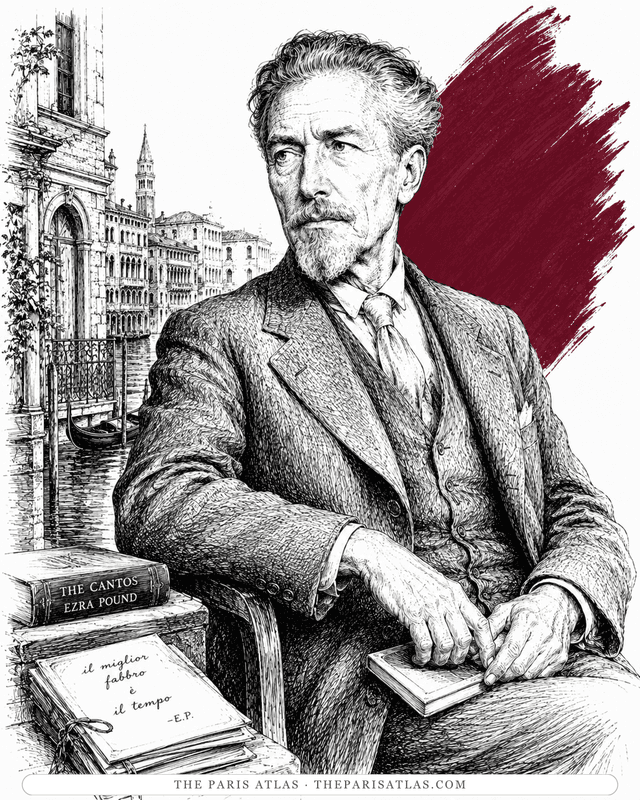
Ezra Pound
Pound read Cancer and sent Miller a famously backhanded postcard. Both believed literature's job was to wake the reader by any means necessary.
View author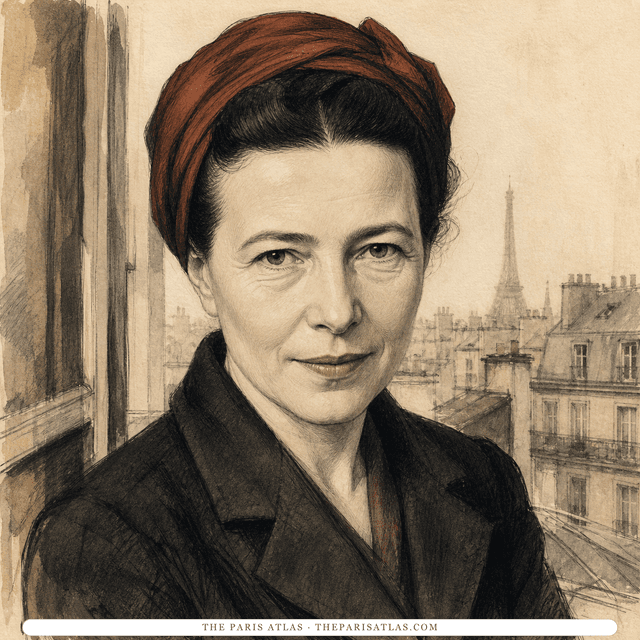
Simone de Beauvoir
French writer and philosopher whose novels, memoirs, and social analysis examined freedom, gender, responsibility, aging, and the material conditions that shape a life.
View author
References
References
The sources below include the primary text, editions, scholarship, archival materials, and other records that informed this page. They document Selected Prose, its publication, and its place in literary history.


1Selected Prose
NonfictionHenry Miller, 1965Used forThe primary text represented by this page, used for descriptions of the work’s contents and for any quoted passages shown here.

2Henry Miller’s Democratic Vistas — 1974 essay and edition references
WebsiteHarold T. McCarthy / eNotesUsed forWeb source consulted for documented facts and historical context presented on the Selected Prose page.
3Selected Prose, volume I — first-edition jacket description
WebsiteLeopolisUsed forWeb source consulted for documented facts and historical context presented on the Selected Prose page.

4Selected Prose — printed-book record
Official recordThe Morgan Library & MuseumUsed forOfficial record used to verify names, dates, institutional details, or other factual information on this page.
5The Happiest Man Alive: A Biography of Henry Miller
BiographySimon & Schuster, 1991Used forBiographical evidence used to verify chronology, relationships, and historical context connected to Selected Prose.
6Henry Miller: A Life
BiographyW. W. Norton, 1991Used forBiographical evidence used to verify chronology, relationships, and historical context connected to Selected Prose.
7Henry Miller: An Inventory of His Collection
ArchiveHarry Ransom Center, The University of Texas at AustinUsed forArchival evidence used to document the historical record connected to Selected Prose.
8Colby College — Bern Porter publication chronology
WebsiteUsed forWeb source consulted for documented facts and historical context presented on the Selected Prose page.
i
Why these sources are here
The primary text is the baseline reference for every book page. Additional references document publication history, interpretation, and historical context where that evidence is available.
 Explore more resources