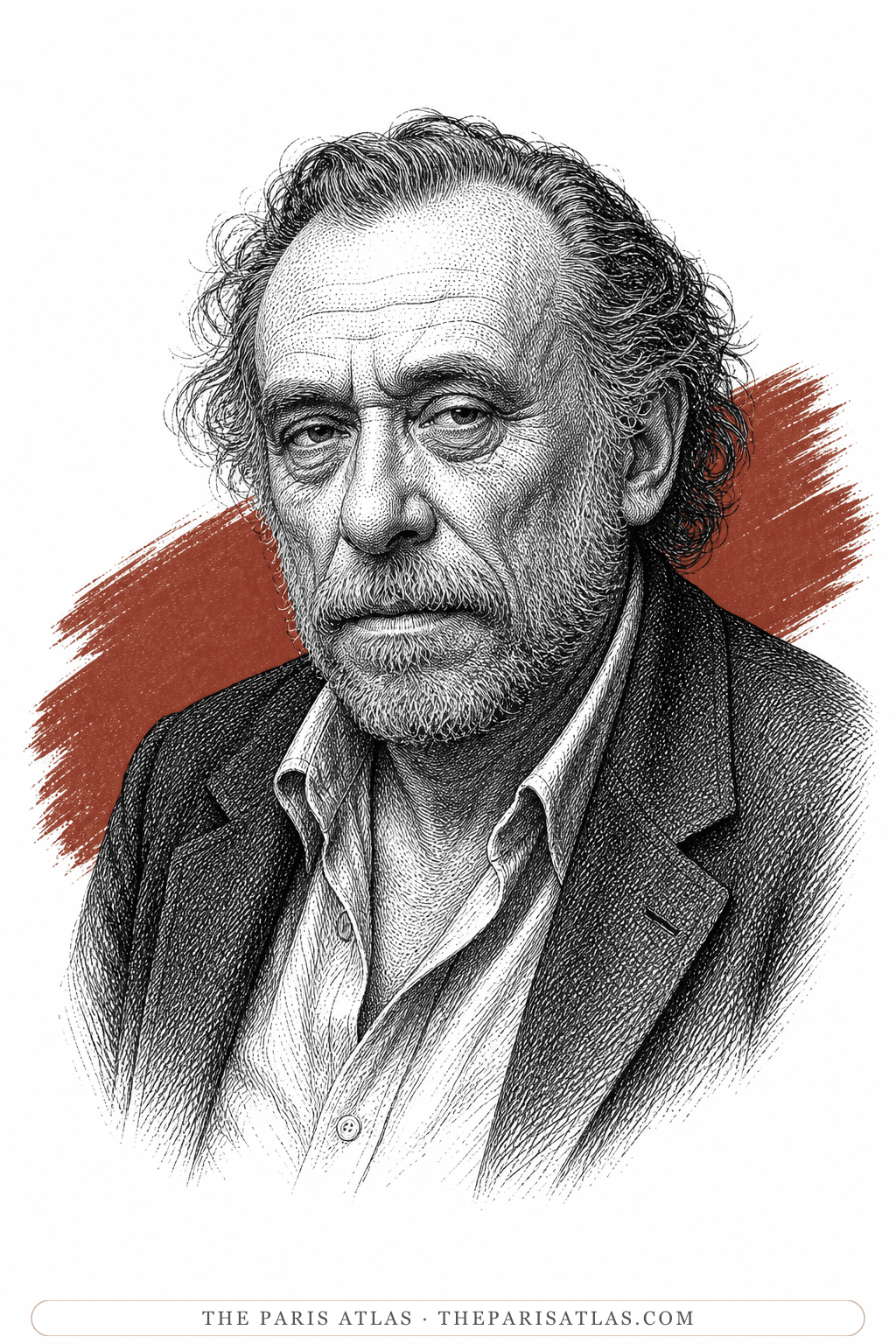

Notes of a Dirty Old Man
The column in which Bukowski built the same public character he performs in these interviews.
Read our take
Thirty-four interviews across thirty years, from an unknown in a Hollywood apartment to a famous man beside a San Pedro pool.
Sunlight Here I Am, published by Sun Dog Press in 2003 and edited by David Stephen Calonne, collects thirty-four interviews and encounters with Charles Bukowski between 1963 and 1993. The span is the whole arc of the career. It opens with him answering questions from the Literary Times of Chicago in a one-bedroom Hollywood apartment, when almost nobody had heard of him, and closes beside a swimming pool in San Pedro in August 1993, talking to a German journalist seven months before he died. Read in order, the interviews show the public character being built, then maintained, and in the last of them sometimes dropped.
Interviews are the form in which Bukowski's public character was assembled, which makes a chronological collection of them unusually revealing. The early ones are a man with nothing to lose talking to tiny magazines. The middle ones are a famous drunk performing for people who came to see a famous drunk. The late ones, conducted when he was in his seventies and settled in San Pedro, are quieter and talk about the work more directly than the reputation would predict.
Asked by Arnold Kaye about writing in Los Angeles, Bukowski answers with an impossible alternative: even a volcanic crater would suffice. The exaggeration rejects the prestige of a particular literary setting, but his answer still requires basic shelter and writing materials. He immediately follows it with a proposed small contribution from fellow poets to keep him out of jail. That abrupt move from independence to financial help complicates the solitary-writer pose. The exchange presents artistic freedom as a boast made amid practical needs, not a claim that writers can actually dispense with support.
In the Alden Mills interview, Bukowski recalls beginning Post Office each evening at the exact hour his postal shift had started. Leaving employment does not abolish routine: its timetable is redirected toward a chosen task. The pages found on the couch turn an indistinct night's effort into something countable and visible. His battle imagery makes the episode a story of commitment under pressure, rather than simply effortless inspiration. This is retrospective self-presentation, not an independently verified writing log. His later answer that he can write without alcohol also prevents the anecdote from becoming a prescription for how others should work.
From an unknown answering a Chicago magazine to a famous man beside a pool, thirty years apart.
Chronological order shows the character being built rather than presented finished.
Interviews from different stages show how the interests of interviewers shift as Bukowski becomes better known.
1963
The first interview, with the Literary Times of Chicago.
August 1993
The last, beside a pool in San Pedro, seven months before his death.
2003
Sun Dog Press publishes the collection, edited by David Stephen Calonne.

The column in which Bukowski built the same public character he performs in these interviews.
Read our take

The 1979 travel book covering the European trip and its famous television appearance.
Read our takeA collection of thirty-four interviews and encounters with Charles Bukowski between 1963 and 1993, published by Sun Dog Press in 2003 and edited by David Stephen Calonne.
From 1963, when Bukowski answered questions from the Literary Times of Chicago in a one-bedroom Hollywood apartment, years before he was widely known.
August 1993, beside a swimming pool in San Pedro, with a German journalist — seven months before he died.
Because the public Bukowski was largely built in them. Read in order, they show the character being assembled and maintained across thirty years.
David Stephen Calonne, who also edited the volumes of uncollected prose and wrote a critical biography of Bukowski.
Explore authors with a similar voice, perspective, and influence.
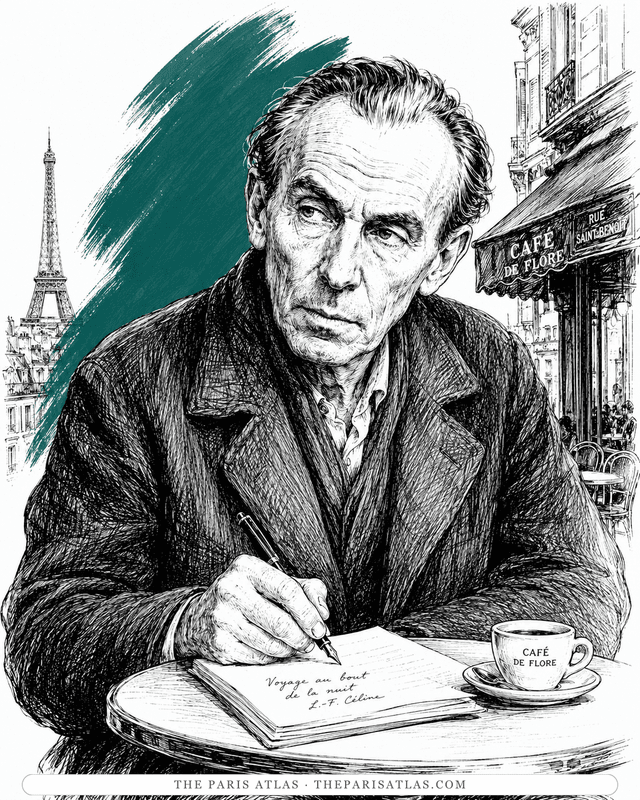
The doctor of the Paris slums who wrote the century's blackest, funniest novel — and changed the sound of French prose.
View author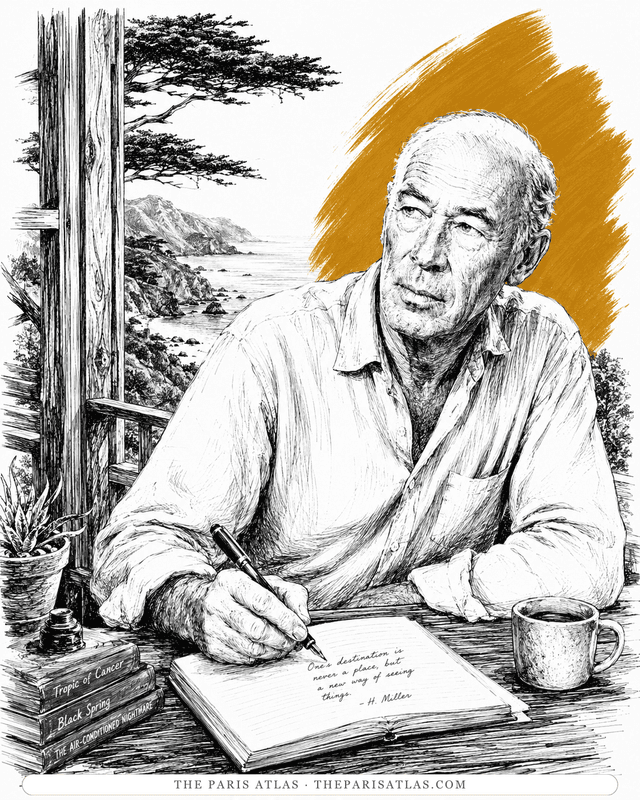
The Brooklyn dropout who arrived in Paris broke at thirty-eight and wrote the exuberant, banned books that ended American censorship.
View author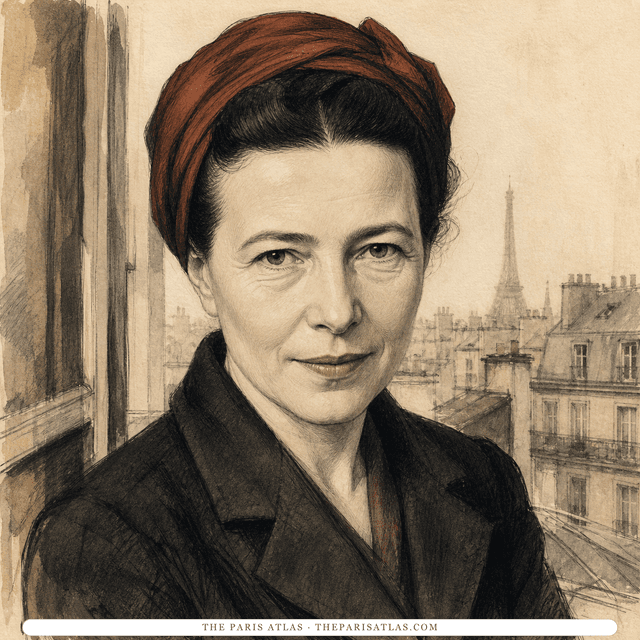
French writer and philosopher whose novels, memoirs, and social analysis examined freedom, gender, responsibility, aging, and the material conditions that shape a life.
View authorThe sources below include the primary text, editions, scholarship, archival materials, and other records that informed this page. They document Sunlight Here I Am, its publication, and its place in literary history.


The primary text represented by this page, used for descriptions of the work’s contents and for any quoted passages shown here.

The editor's critical biography and the interview record.
Publication details and the span of the interviews.
Bibliographic details checked against the checklist.
Complete displayed Kaye (1963, pp. 19–23) and Mills (1989, pp. 240–244) interviews in a public HTML transcription of the collection. The transcription has OCR errors; no original-magazine, manuscript or complete-volume collation is claimed. Recollections remain attributed to the interviewee.
The primary text is the baseline reference for every book page. Additional references document publication history, interpretation, and historical context where that evidence is available.
 Explore more resources