
A Farewell to Arms
An American ambulance driver, an English nurse, and the Italian front — the Great War's great love story.
Read our take
by Vera Brittain
The real love, hospitals, waiting, and loss behind the First World War.
Brittain recounts nursing during the First World War and losing the young men she loved to it.
Roland sends the brooch before his death, yet its memorial inscription and blood-coloured reflection let bereavement enter the scene in advance. The gift promises a continuing bond while its appearance suggests the danger threatening that bond. Brittain’s account holds these meanings together instead of choosing between reassurance and dread. A small domestic object becomes a way to register the instability of waiting: the loved person is still alive, but the imagined future can no longer be taken for granted.
The memoir’s narrator also writes from a life beyond that waiting. Biographer Mark Bostridge describes the difficult work of composing the book in 1929–1933, when Brittain was raising a family while trying to preserve the people she had lost. Remembering is therefore an activity undertaken by a survivor, not simply an emotion frozen in 1915. The remembered gift can belong both to the young woman’s uncertain present and to the later writer’s effort to give the dead a lasting place.
The primrose collection separates the public appearance of useful service from the private experience of fear. Acquaintances congratulate Brittain on interrupting her studies, while she worries about Roland and drops their pennies noisily into the tin. That sound gives her anger an outlet within an activity others read as cheerful patriotism. Nearby reflections on delayed letters make the mismatch sharper: news can confirm that someone was alive when writing without establishing that he is alive now. Waiting becomes work that the approving spectators cannot see.
Bostridge connects Brittain’s purpose as a memoirist with explaining how opposition to war grew out of wartime experience. That retrospective purpose does not require her younger self to possess a finished political position. One way to read the Buxton scene is as evidence of how public language begins to fail her. Familiar praise for service cannot contain what service and separation actually feel like. The book makes room for the discontent from which later convictions can develop.
The real love, hospitals, waiting, and loss behind the First World War.
Hospital work gives Brittain a perspective distinct from a soldier’s account of battle.
The memoir connects the scale of the war with the particular people and futures it takes away.
1933
Brittain publishes her memoir of the First World War and its lasting personal losses.
1979
The BBC broadcasts its television adaptation, starring Cheryl Campbell.
2014
James Kent’s feature-film adaptation premieres at the London Film Festival.
An American ambulance driver, an English nurse, and the Italian front — the Great War's great love story.
Read our takeNo. It is Vera Brittain’s memoir of her youth and the First World War. It presents her experience as a participant looking back.
She works as a nurse. That experience brings her into sustained contact with the suffering created by the war.
No. Personal relationships, bereavement, and the destruction of youthful expectations are central. Nursing is one part of the life the memoir follows.
Brittain writes from nursing and personal loss rather than from service as a combatant. Her perspective connects the care of wounded men with the grief of those who survive them.
It can be. The memoir deals directly with wartime suffering and the deaths of people Brittain loved. Readers should expect an account shaped by bereavement.
Explore authors with a similar voice, perspective, and influence.
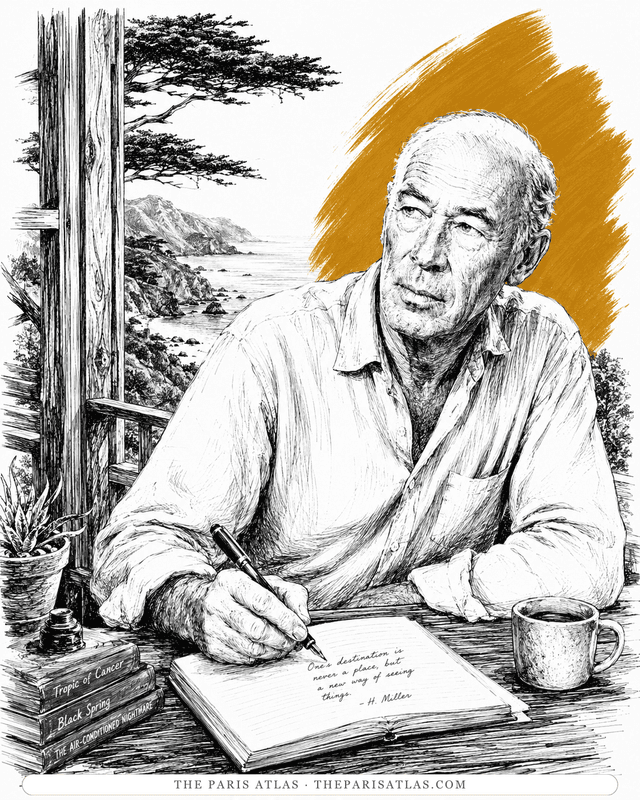
The Brooklyn dropout who arrived in Paris broke at thirty-eight and wrote the exuberant, banned books that ended American censorship.
View author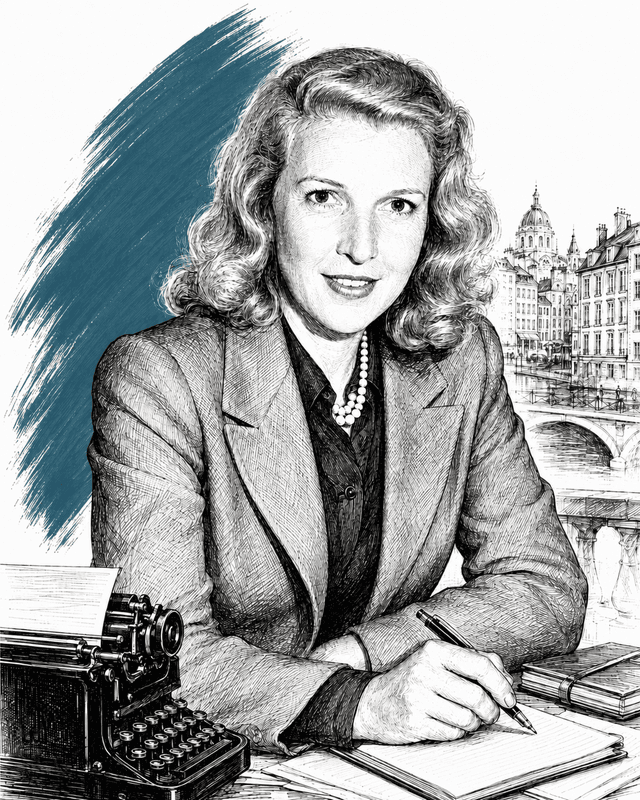
War correspondent who covered the Spanish Civil War, D-Day, and conflicts across five more decades; Hemingway's third wife, 1940–1945.
View author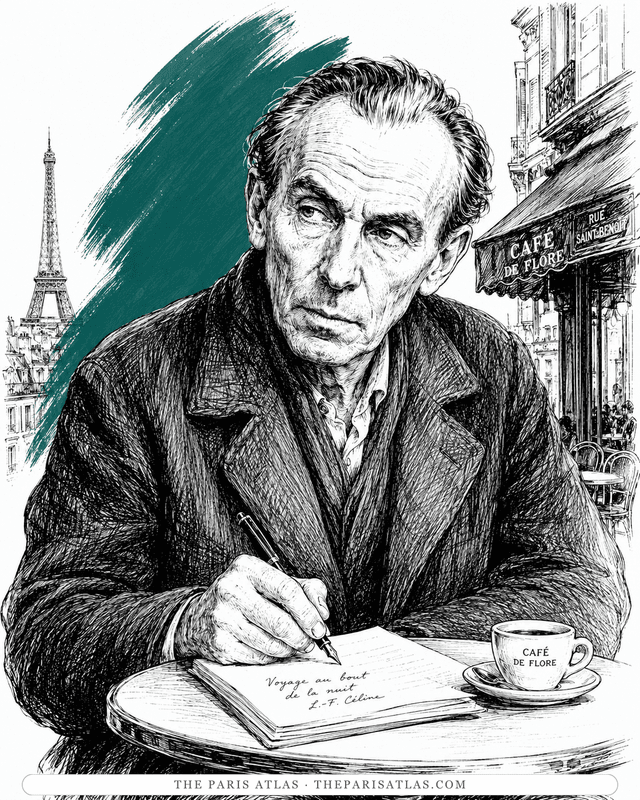
The doctor of the Paris slums who wrote the century's blackest, funniest novel — and changed the sound of French prose.
View authorThe sources below include the primary text, editions, scholarship, archival materials, and other records that informed this page. They document Testament of Youth, its publication, and its place in literary history.


First-person evidence and historical context used in preparing the Testament of Youth page.
Biographer on the memoir’s composition and political purpose, not evidence from the film’s invented scenes.

Open Library ISBN catalogue used to verify the title, ISBN, and publication metadata.
Google Books catalogue record used to cross-check the title and edition metadata.
Internet Archive ISBN catalogue used to cross-check the edition and its availability in library holdings.
Library of Congress books catalogue used to cross-check the bibliographic record by ISBN.
Web source consulted for documented facts and historical context presented on the Testament of Youth page.
Web source consulted for documented facts and historical context presented on the Testament of Youth page.
The primary text is the baseline reference for every book page. Additional references document publication history, interpretation, and historical context where that evidence is available.
 Explore more resources