
A Moveable Feast
The memoir that prompted McLain to investigate the marriage and imagine Hadley’s side of it.
Read our take
by Paula McLain
Paula McLain’s historical novel retells Ernest and Hadley Hemingway’s Paris marriage from Hadley’s imagined perspective.
The Paris Wife begins with Hadley Richardson meeting Ernest Hemingway in Chicago and follows their marriage into the apartments, cafés, friendships, travels, and literary ambitions of 1920s Paris. McLain builds the novel from the documented outline of their lives while inventing Hadley’s interior voice. It is a companion to A Moveable Feast, not a firsthand account.
Hadley Richardson meets the young Ernest Hemingway in Chicago, marries him, and moves with him to Paris. As Hemingway works toward becoming a major writer, the couple enter the expatriate circle around Gertrude Stein, Ezra Pound, F. Scott Fitzgerald, and the trips that will feed The Sun Also Rises.
The novel stays close to Hadley as artistic ambition, drinking, social pressure, and another relationship begin to change the marriage. McLain uses historical events and real people but writes the private thoughts and scenes as fiction.
The prologue places Ernest’s writing inside a household rhythm. Hadley hears the typewriter, describes his departures to work elsewhere, and measures their later companionship against how the writing has gone. Her account makes authorship audible and consequential even when she is not reading the pages. McLain shifts attention from the finished work to the arrangements that surround it: mornings apart, childcare and the possibility of a good evening together. Literary ambition is experienced here through the shape it gives another person’s day.
The same prologue sets Hadley’s remembered confidence against her knowledge of what followed. After describing the marriage as a source of safety, she rejects the idea of a detective story and announces the arrival of the woman who will threaten it. Suspense no longer depends on discovering a rival. Instead, readers watch how an apparently secure world can contain dangers its inhabitants do not yet recognize. The older narrator’s warning leaves the younger woman’s trust visible, making that gap in knowledge a source of sadness.
McLain built the novel on historical research, including biographies, Hemingway’s writing, and archival material connected to Hadley Richardson. The documented chronology gives the story its frame; Hadley’s private thoughts, dialogue, and interior experience remain the novelist’s creation.
That distinction makes The Paris Wife a useful companion to A Moveable Feast, but not a replacement for it or for the surviving letters. Reading the fiction beside those primary sources reveals how the same marriage changes when Hadley becomes the imagined center of the narrative.
The novel places Hemingway’s first wife at the center of the Paris marriage he later remembered in A Moveable Feast.
The apartments, friendships, travels, and writing life overlap directly with Hemingway’s memoir.
McLain writes the feelings and conflicts that Hemingway often keeps outside the sentence.
1921
Ernest Hemingway and Hadley Richardson marry and move to Paris, beginning the historical period reimagined by the novel.
1964
A Moveable Feast is published posthumously, providing a major primary-source counterpart to the novel.
2011
Ballantine Books publishes The Paris Wife in hardcover.
2012
Ballantine Books publishes the paperback edition listed on this page.


The memoir that prompted McLain to investigate the marriage and imagine Hadley’s side of it.
Read our take
The novel Hemingway was writing while the marriage and Paris circle in The Paris Wife were changing.
Read our take
The surviving letters provide nonfiction context for the relationships the novel imagines from within.
Read our takeIt is historical fiction. The novel follows the documented outline of Ernest and Hadley Hemingway’s marriage, but McLain invents private scenes, dialogue, and Hadley’s interior voice.
McLain’s reader’s guide describes research in biographies, Hemingway’s work, and archival material associated with Hadley, including letters held by the John F. Kennedy Presidential Library.
Both revisit the Hemingways’ 1920s Paris marriage. Hemingway’s memoir is a firsthand literary account; McLain’s novel reimagines the period from Hadley’s perspective.
The novel presents the marriage through Hadley Richardson’s perspective. That voice is Paula McLain’s fictional reconstruction, not a transcription of Hadley’s own narration.
No. The novel stands on its own. Reading A Moveable Feast alongside it gives you a second, very different account of the marriage and its Paris setting.
Explore authors with a similar voice, perspective, and influence.
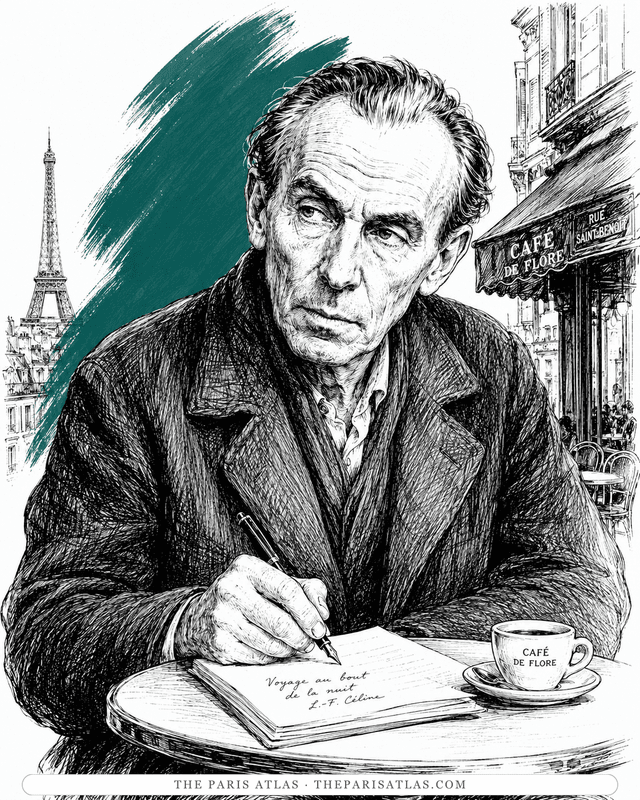
The doctor of the Paris slums who wrote the century's blackest, funniest novel — and changed the sound of French prose.
View author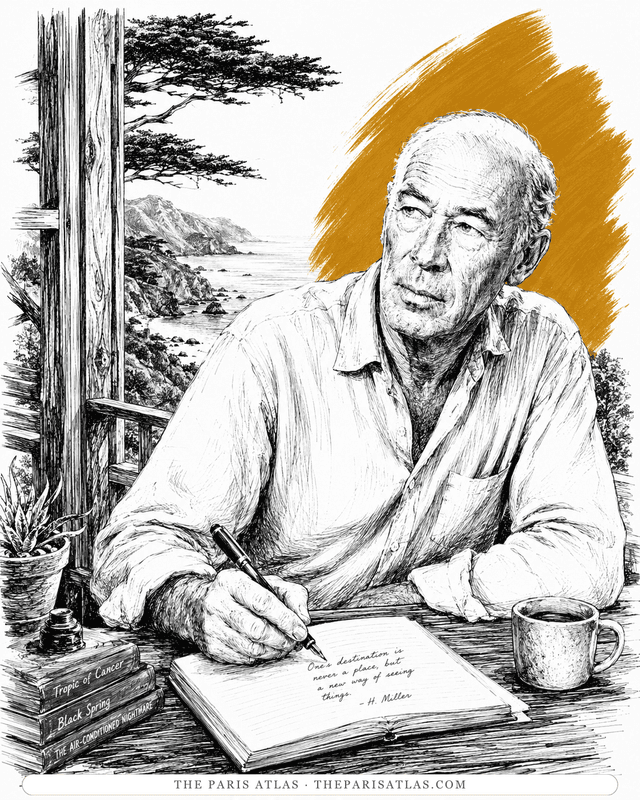
The Brooklyn dropout who arrived in Paris broke at thirty-eight and wrote the exuberant, banned books that ended American censorship.
View author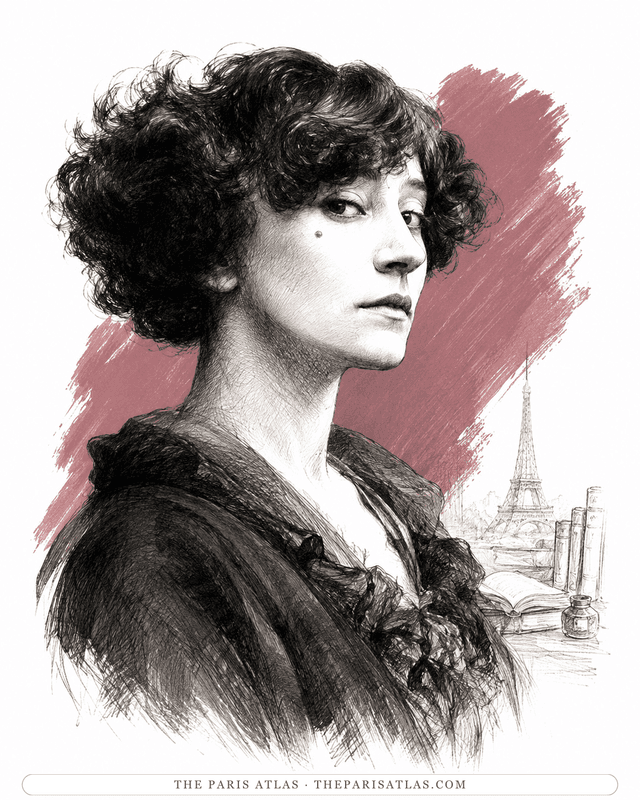
The French novelist who wrote the Claudine books under Willy’s name, earned her independence on the music-hall stage, and made women’s private lives a serious literary subject.
View authorThe sources below include the primary text, editions, scholarship, archival materials, and other records that informed this page. They document The Paris Wife, its publication, and its place in literary history.


Primary excerpt supporting the two added readings of daily routine and retrospective narration.
The primary text is the source for the novel’s plot, characterization, and imagined perspective on Hadley Hemingway.
Used to verify the Ballantine editions, ISBNs, publication dates, and publisher description.
McLain’s reader’s guide documents her research in biographies, Hemingway’s work, and the JFK Library archive.
Hemingway’s memoir supplies the principal primary-source counterpart for the Paris marriage and circle the novel reimagines.
The primary text is the baseline reference for every book page. Additional references document publication history, interpretation, and historical context where that evidence is available.
 Explore more resources