
A Farewell to Arms
Both move in restrained first-person toward an ending marked by fatalism.
Read our take
by Horace McCoy
A Depression-era dance marathon turns hunger and exhaustion into paid entertainment.
Robert Syverten and Gloria Beatty meet in Hollywood while both are looking for film work. Gloria persuades Robert to become her partner in a dance marathon because contestants receive meals and may win prize money. Inside a crowded amusement pier, couples dance for weeks while promoters turn exhaustion, illness, romance, and humiliation into a show. The novel begins with Robert's murder trial, so the question is not what he did but how two desperate strangers reached that ending.
The marathon is both competition and spectacle. Couples must keep moving for almost every hour of the day. Elimination races called derbies create crashes and injuries for the audience, while promoter Rocky Gravo invents publicity stories that can sell tickets.
Robert remains observant and comparatively hopeful. Gloria is sharper, angrier, and convinced that every promised opportunity is another fraud. Their fellow dancers include a pregnant woman, an aging sailor, aspiring performers, and people who entered because meals and a bed are otherwise uncertain.
As the contest continues, exhaustion shrinks life to food, sleep, pain, and the next whistle. McCoy links the marathon to the Depression economy: people without work must make their suffering entertaining before anyone will pay to watch them survive.
Courtroom fragments reveal Robert's death sentence before the main story explains why he killed Gloria.
Robert and Gloria meet after she fails to get an extra role. She suggests the marathon; he agrees because it promises meals, shelter, publicity, and prize money.
At the pier they meet promoter Rocky Gravo and other couples. Socks Donald becomes Robert's friend. Ruby dances while pregnant beside her husband James. Alice LeBlanc hopes to be discovered.
The dancers move almost continuously, resting only during brief breaks. Medical staff patch damaged feet and collapsing bodies so contestants can return to the floor.
Rocky stages elimination derbies. Exhausted couples race, falls cause pileups, and danger increases attendance. Gloria sees the system clearly and becomes more hopeless.
Harry Kline dies during the event, yet the show continues. Moral reformers Mrs. Higby and Mrs. Witcher use the marathon for their own publicity. Rocky proposes a staged wedding for Ruby and James.
Socks is disqualified after intervening in a conflict. Alice has a breakdown after her dress is ruined and her hope of being discovered collapses.
Rocky tells Robert and Gloria that charges for meals, medicine, laundry, and other expenses will consume the advertised prize. Even winning will not provide an escape.
A stray bullet kills wealthy spectator Mrs. Layden. After 879 hours, with twenty couples still dancing, officials close the marathon. The contestants are exhausted, injured, and effectively unpaid.
Outside the closed marathon, Gloria says she cannot continue living and asks Robert to shoot her. She has tried to die before and believes she cannot do it herself.
Robert remembers seeing an injured horse put down when he was a child. He shoots Gloria because he accepts her comparison between her suffering and the animal's. Police arrest him immediately.
At trial Robert offers no persuasive defense. Asked why he killed her, he answers with the title: injured horses are shot, aren't they? The judge sentences him to death. The judgment closes a story that has shown society treating desperate people as disposable entertainment.
The contestants do not merely sell labor. They sell the sight of their bodies being worn down. Meals and shelter draw them in; ticket sales depend on making exhaustion dramatic enough to watch.
Rocky packages suffering as opportunity. Film contracts, prize money, publicity, and romance are always about to arrive, but the organizers control the rules and subtract expenses. Contestants are told to see exploitation as a lucky break.
As sleep disappears, ambitions collapse into immediate needs: a chair, dry shoes, food, a few minutes without music. McCoy makes clear how hard it is to imagine a future when the present never stops.
Gloria understands that the marathon, Hollywood, and public sympathy are rigged. Her intelligence protects her from false hope but offers no usable plan. Robert's quieter optimism keeps him moving and makes him slow to recognize how final her despair has become.
Chapter three gives Robert's optimism a visual form. After being refused studio work, he imagines himself riding past admirers as a celebrated director. Later, in the park, he pictures the palms as guards around a private island and describes making the surrounding buildings seem farther away by staring at them. These retreats change what he sees without changing his circumstances. His imagination can shelter him briefly where Gloria's anger cannot, but the passage also exposes how easily comfort can depend on keeping the outside world at a distance.
Robert calls killing Gloria mercy by recalling an injured horse. The comparison exposes both compassion and failure: it converts a person into a suffering body for which death seems the only practical answer. The novel asks why society found no other form of care.
McCoy writes in Robert's plain first-person voice. The vocabulary is direct, dialogue is quick, and physical details—feet, sweat, sleep, food, whistles—keep the social argument tied to bodies.
Short courtroom fragments interrupt the marathon story. Because the verdict arrives before its cause, ordinary scenes carry dread: every humiliation moves toward an ending the reader already knows.
Repetition does much of the work. Music starts again, couples circle again, and promoters invent another attraction. The structure makes the reader understand monotony without describing all 879 hours.
The opening separates Robert's private argument from what he can say in court. He repeatedly asks how Gloria could have died without a friend when he was there, but that reasoning never confronts the fact that the friend is also her killer. In chapter two, his silent headshake replaces those insistent questions, and his lawyer's attempt to describe the killing as a favor ends with the judge banging the desk. The shift makes his story a defense the reader must evaluate, not a verdict the novel asks us to accept.
Sydney Pollack's film stars Jane Fonda, Michael Sarrazin, Susannah York, Gig Young, Red Buttons, and Bonnie Bedelia. It expands the ensemble while keeping the marathon's central cruelty. Gig Young won the Academy Award for Supporting Actor.
Its stripped-down prose refuses to sentimentalize suffering.
The outcome is disclosed immediately, yet the route to it stays tense.
The dance marathon exposes how promoters turn contestants’ need for food and work into a public spectacle.
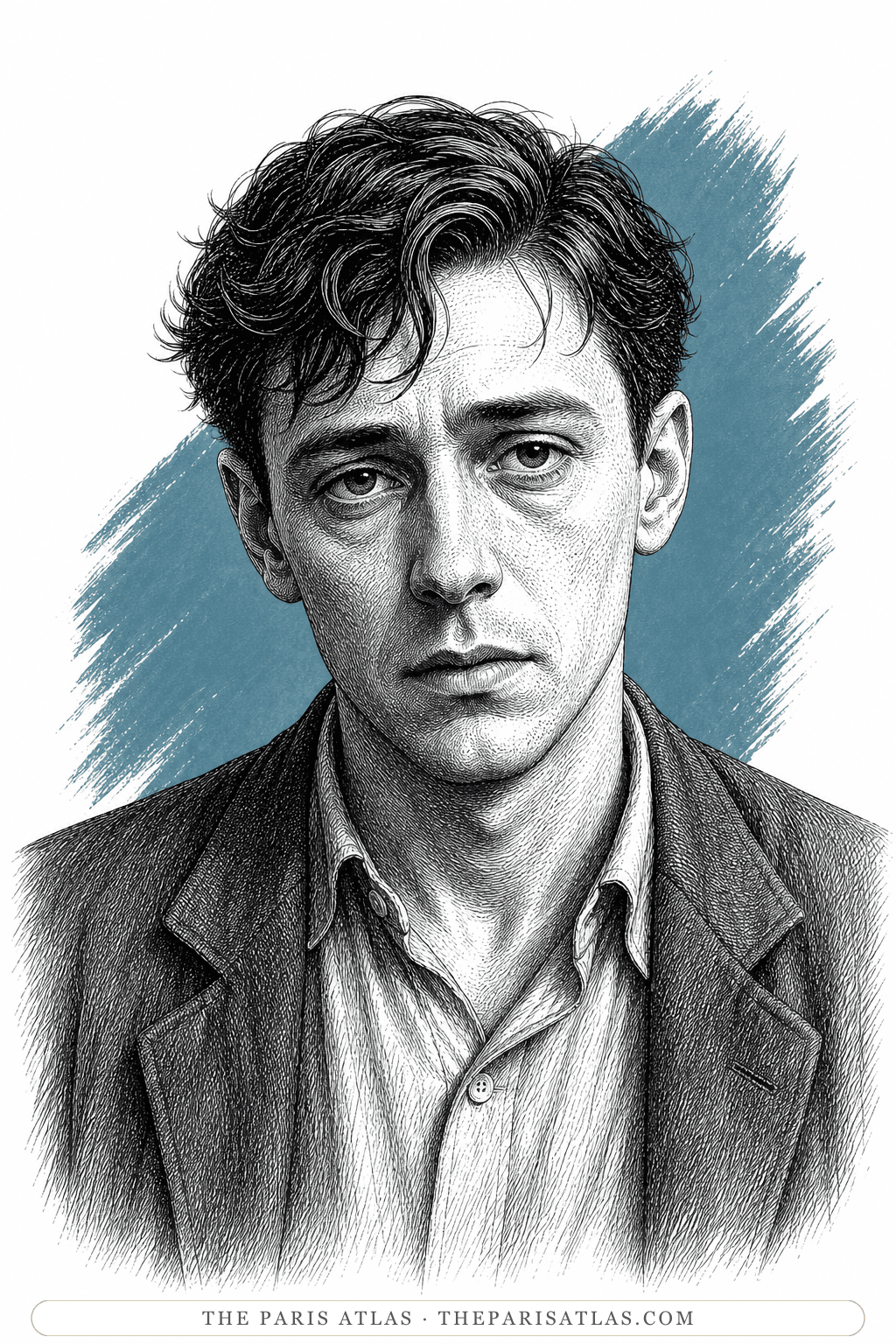
The aspiring director who narrates the marathon and Gloria's death.
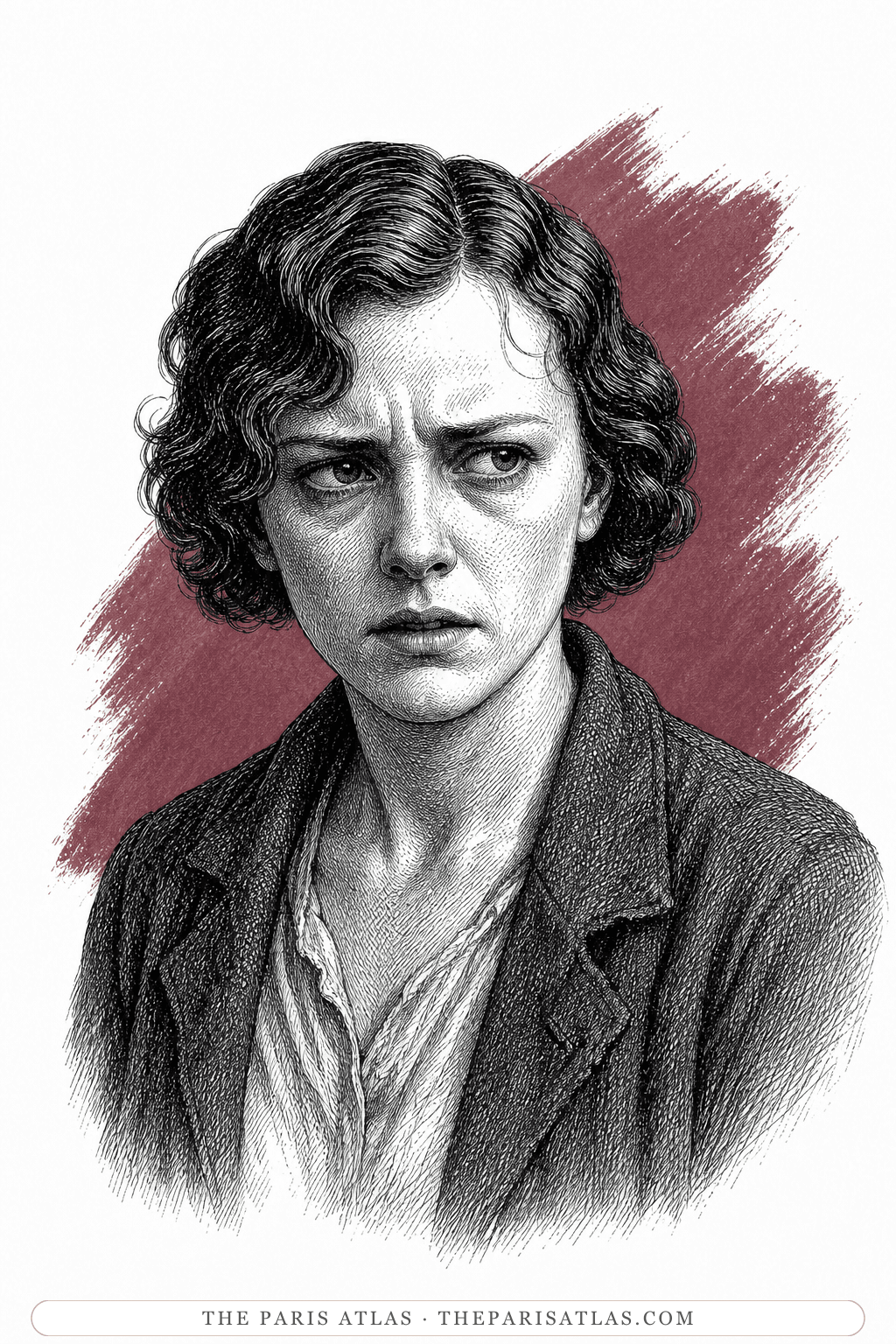
A failed actress who sees the contest's promises as fraud.
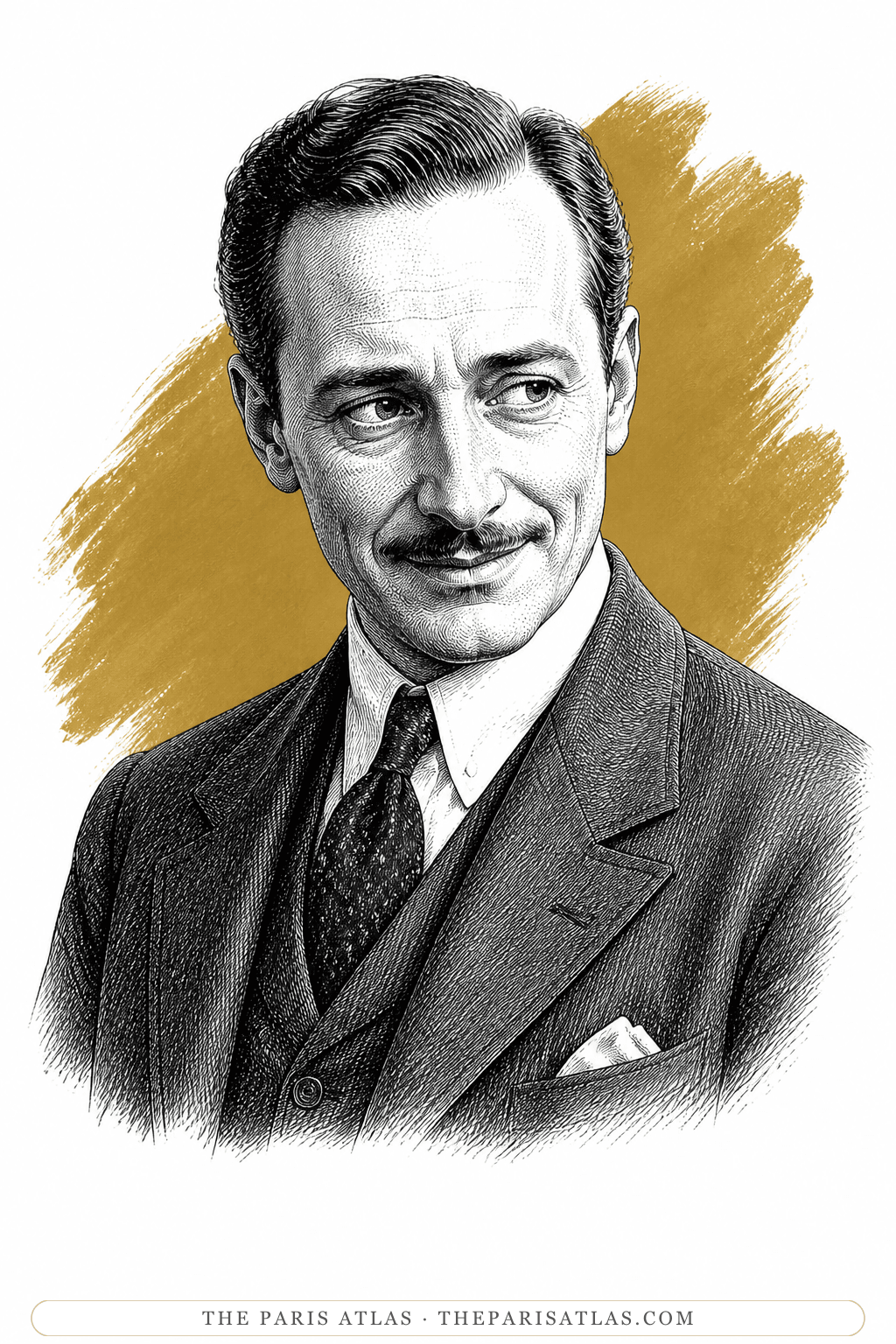
The emcee who turns the contestants' pain into publicity.

A sailor and aspiring actor who becomes Robert's friend.

A wealthy regular spectator fascinated by the dancers.

A pregnant contestant trying to protect a future beyond the floor.

Ruby's husband, trying to keep them together through the contest.

An aspiring performer whose self-presentation collapses under pressure.

An older contestant whose death is absorbed into the show.

A reformer who uses the marathon as a public platform.

Mrs. Higby's ally in the campaign around the marathon.
1935
Simon and Schuster publishes the novel.
1969
Sydney Pollack directs the major film adaptation.
1970
Gig Young wins the Academy Award for Supporting Actor.
2011
Serpent's Tail publishes a modern paperback.
2018
Penguin Classics issues a new American paperback.


Both move in restrained first-person toward an ending marked by fatalism.
Read our take
Both examine the American promise of reinvention from the perspective of people it abandons.
Read our takeThey need food, shelter, prize money, and a route into Hollywood work.
It is stopped after 879 hours, with twenty couples still competing.
Yes. Courtroom fragments announce Robert's conviction before the full reason is known.
Rocky Gravo is the promoter and emcee seen by contestants.
Mrs. Layden is killed by a stray bullet amid growing official pressure.
She asks him to end her life, and he accepts her comparison to an injured horse.
He is arrested, convicted, and sentenced to death.
The dance is the mechanism for a novel about poverty, spectacle, exhaustion, and disposable lives.
Explore authors with a similar voice, perspective, and influence.
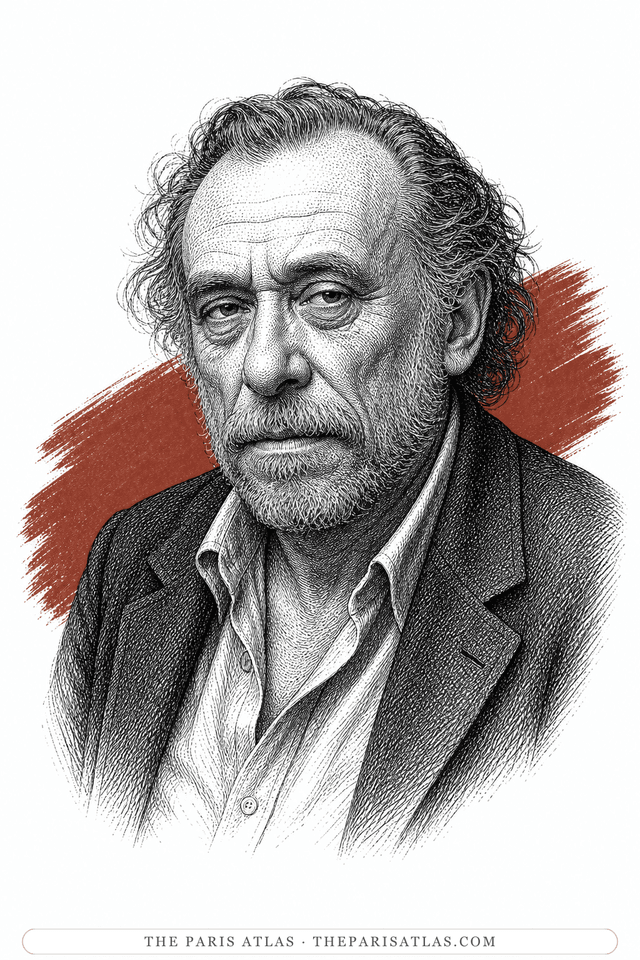
American poet and novelist of Los Angeles rooming houses, racetracks and the post office, who quit his job to write when a publisher offered him a hundred dollars a month. He came to Paris once, in September 1978, drank his way through a live television book programme and walked off the set — and French television has been replaying it ever since.
View author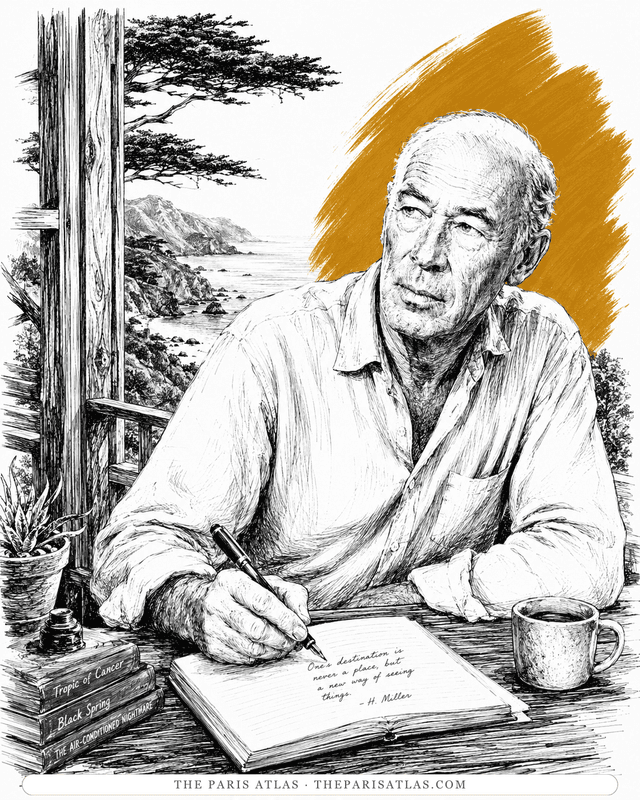
The Brooklyn dropout who arrived in Paris broke at thirty-eight and wrote the exuberant, banned books that ended American censorship.
View author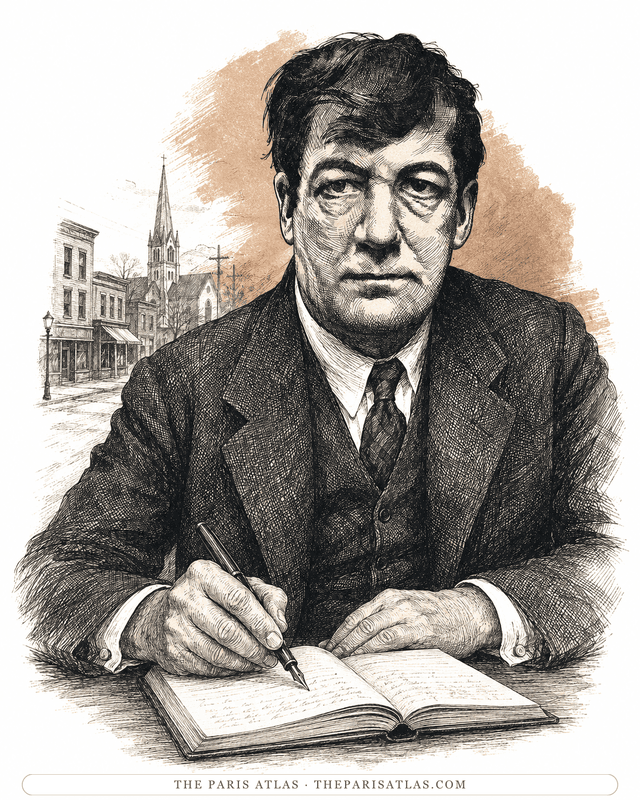
The Ohio ad man who walked out of his office, wrote Winesburg, Ohio, and sent the young Hemingway to Paris with letters of introduction.
View authorThe sources below include the primary text, editions, scholarship, archival materials, and other records that informed this page. They document They Shoot Horses, Don’t They?, its publication, and its place in literary history.


Authorized public preview of the 2011 Serpent’s Tail ebook; primary text for the added readings of Robert’s imagined refuge and courtroom narration.

Publisher synopsis and edition details.
Historical and critical context.
Film credits.
Award record.
Edition cross-check.
Edition cross-check.
Library availability cross-check.
Bibliographic cross-check.
The primary text is the baseline reference for every book page. Additional references document publication history, interpretation, and historical context where that evidence is available.
 Explore more resources