The Paris AtlasCharting the artists, works, and places worth returning to.

Restaurant · Grands Boulevards (9th) · 9e arrondissement

Maison Dorée

The buildingStanding, much changed
Getting inOutside only
What's there nowModern offices behind the historic façade

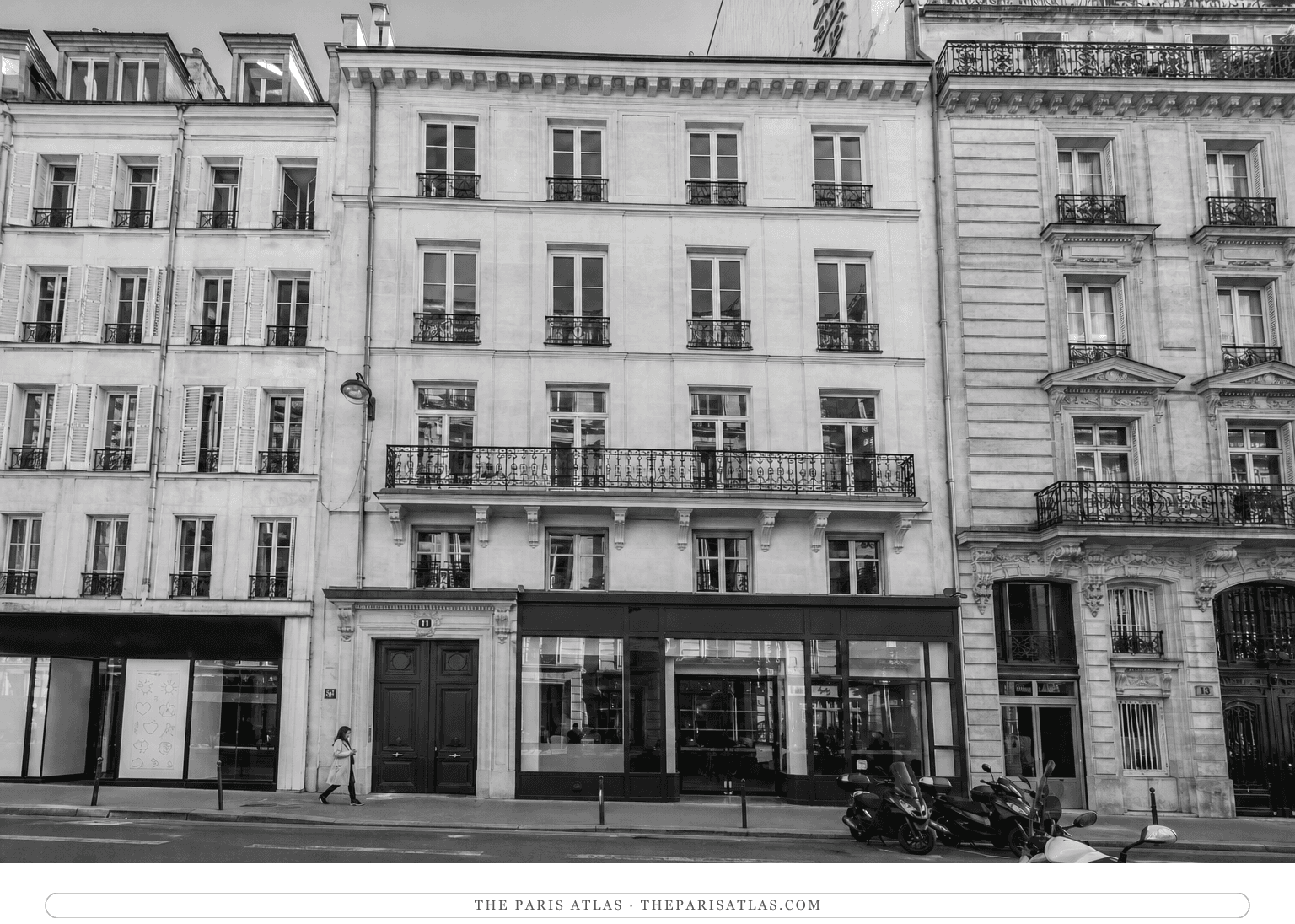
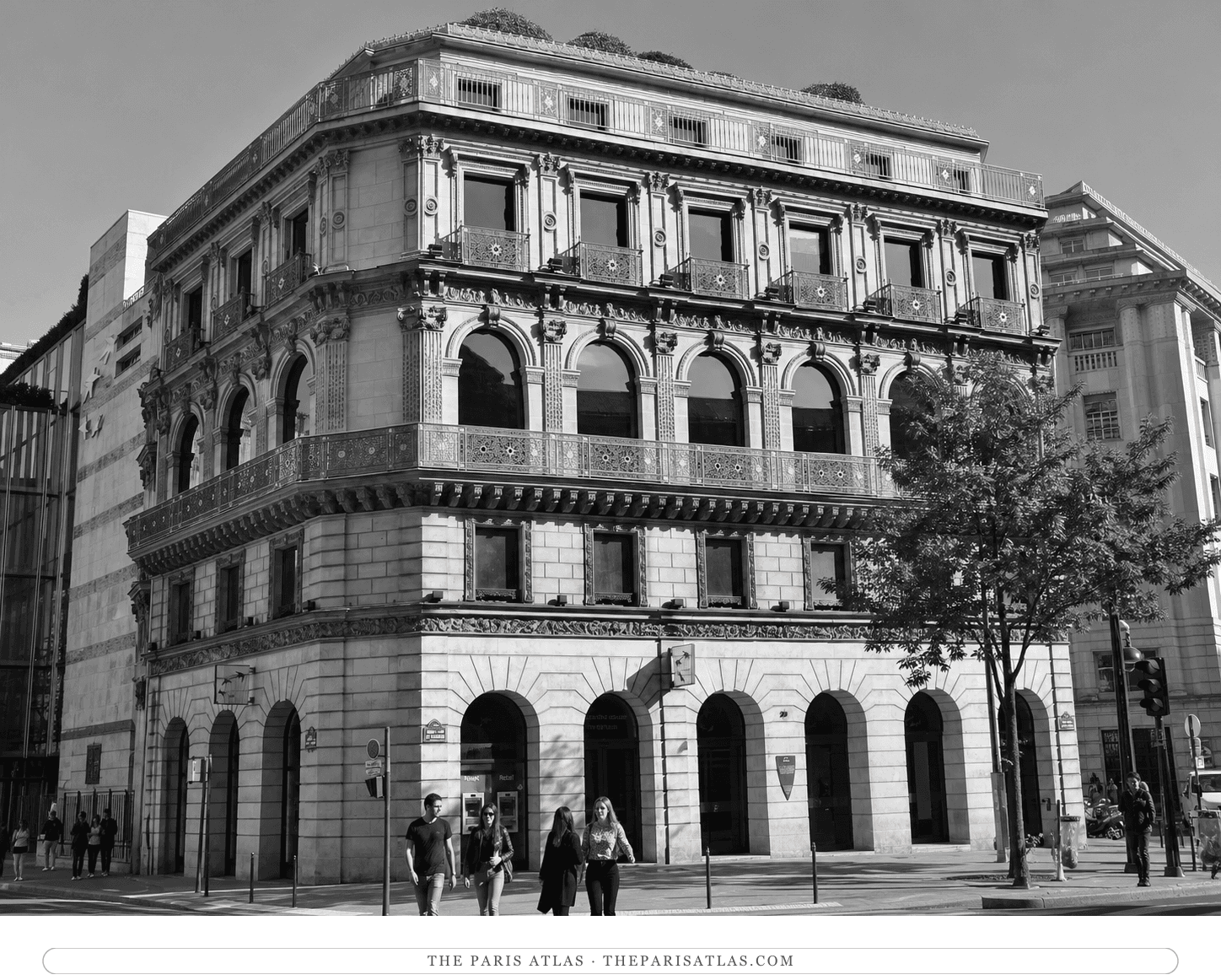
The restaurant and its upper rooms are gone. When the site was redeveloped for a bank, the Ministry of Culture required three historic façades to be kept, so the nineteenth-century exterior survives in front of a modern office interior.

The luxury restaurant on the boulevard des Italiens whose upper rooms housed the eighth and last Impressionist exhibition in 1886 — the one Camille Pissarro helped organise, and where he brought the Neo-Impressionists into the group.

Address
20 boulevard des Italiens, 75009 Paris
Years
A grand boulevard restaurant; site of the eighth and final Impressionist exhibition in 1886
IllustrationSunlit present-day view of the Maison Dorée's pale stone and gilded balconies

A bright current reconstruction of the restored exterior; modern offices occupy the site behind it.

Editorial illustration

The place, briefly

The Maison Dorée was one of the great restaurants of the Grands Boulevards, a byword for Second Empire luxury. In 1886 its first floor was rented for an art exhibition, and what went up there ended an era.

The eighth Impressionist exhibition ran from 15 May to 15 June 1886, and Camille Pissarro was central to it. He helped secure and organise the show, and he insisted on bringing in the younger Neo-Impressionists — Seurat, whose Sunday Afternoon on the Island of La Grande Jatte was shown there, and Signac, along with his own son Lucien. That insistence split the group. Monet, Renoir and Sisley stayed away.

It was the last of the eight. Pissarro is the only artist who exhibited in every one, from Nadar's studio on the boulevard des Capucines in 1874 to this room twelve years later — which is a fair measure of how much of Impressionism as an organised project was his doing rather than anyone else's.

The restaurant is long gone. When the site was redeveloped, three of the historic façades were preserved by requirement, so the boulevard frontage still reads as the nineteenth century even though there is a bank behind it.

Key facts

What it was
A luxury restaurant on the Grands Boulevards
The exhibition
The eighth and final Impressionist exhibition, 15 May – 15 June 1886
Pissarro's role
Helped secure and organise it, and brought in the Neo-Impressionists
What was shown
Seurat's Grande Jatte, among others
Who stayed away
Monet, Renoir and Sisley
His record
The only artist to exhibit in all eight Impressionist exhibitions
Today
Three historic façades preserved in front of a modern bank interior
The preserved Neo-Renaissance corner façade at 20 boulevard des Italiens today.Editorial illustration
A bright current reconstruction of the restored exterior; modern offices occupy the site behind it.Editorial illustration
Historically informed reconstruction of the boulevard restaurant in May 1886, when its upper rooms held the eighth Impressionist exhibition.Artistic reconstruction
The documented historic façade and boulevard setting in natural color; the anonymous patrons, vehicles and exact colors are interpretive.Artistic reconstruction
The retained boulevard façade, including its arched bays and long worked-iron balcony.Editorial illustration
Carved stonework and restrained gilded details on the restored corner exterior.Editorial illustration
The historic corner façade in its present-day Grands Boulevards setting.Editorial illustration

Timeline

  1. 1874

    Pissarro exhibits in the first Impressionist exhibition at Nadar's studio.

  2. 1886

    The eighth and last exhibition opens at the Maison Dorée on 15 May, closing 15 June.

On the map

Questions before you go

Where was the last Impressionist exhibition held?

On the first floor of the Maison Dorée restaurant, 1 rue Laffitte on the boulevard des Italiens, from 15 May to 15 June 1886.

Why did the group split over it?

Pissarro insisted on including the Neo-Impressionists — Seurat, Signac and his own son Lucien. Monet, Renoir and Sisley declined to take part.

Is anything left of the Maison Dorée?

Three historic façades, preserved by requirement when the site was redeveloped for a bank. The restaurant and the exhibition rooms are gone.

People who knew this place

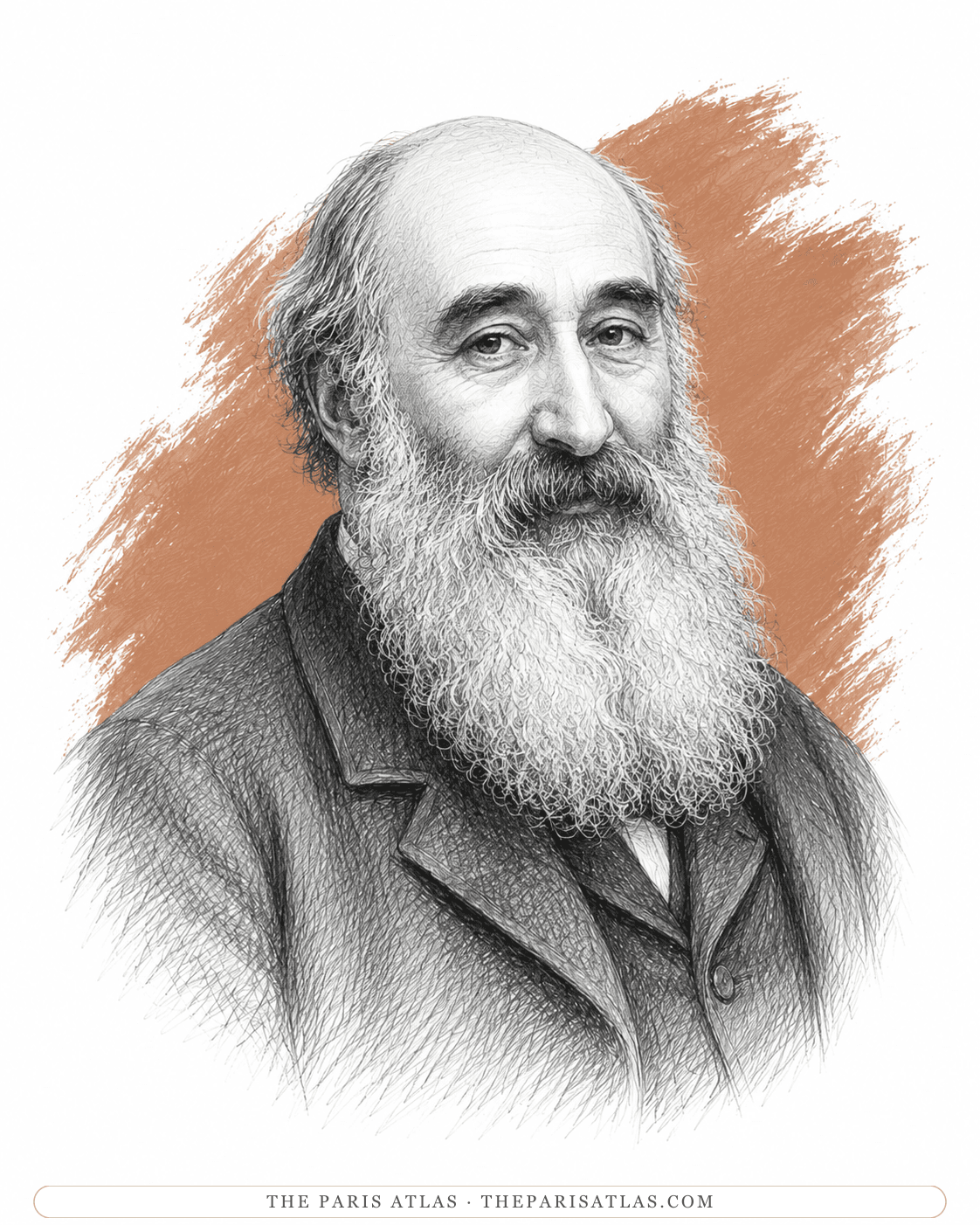
Illustrated portrait of Camille Pissarro

Camille Pissarro

French · Painter

Pissarro helped secure and organise the eighth and final Impressionist exhibition, held above the Maison Doree from 15 May to 15 June 1886, and insisted on including the Neo-Impressionists. He is the only artist who exhibited in all eight.

Within walking distance

References

References

The sources below include histories, archival materials, scholarly research, and official records that informed this page. They document Maison Dorée, the people connected to it, and its place in Paris.

  1. 11886: la huitième exposition impressionniste

    Official record
    Ministère de la Culture
    Used for

    Official record used to verify names, dates, institutional details, or other factual information on this page.

    View source
  2. 2La Maison Dorée: from a meeting place for Parisian society to an international bank

    Website
    BNP Paribas — Histoire
    Used for

    Web source consulted for documented facts and historical context presented on the Maison Dorée page.

    View source
  1. 3Camille Pissarro — artist biography

    Website
    Museo Nacional Thyssen-Bornemisza
    Used for

    Web source consulted for documented facts and historical context presented on the Maison Dorée page.

    View source
  2. 4Camille Pissarro — artist record

    Website
    Musée d'Orsay
    Used for

    Web source consulted for documented facts and historical context presented on the Maison Dorée page.

    View source
i
Why these sources are here

These references provide the documented foundation for this page's history and context. Claim-level citations remain attached to the specific claims they support.

Explore more resources

Newsletter

Paris, one address at a time.

The cafés, studios, and walk-up flats where the work was made — one story from the map in every letter.

Unsubscribe anytime.