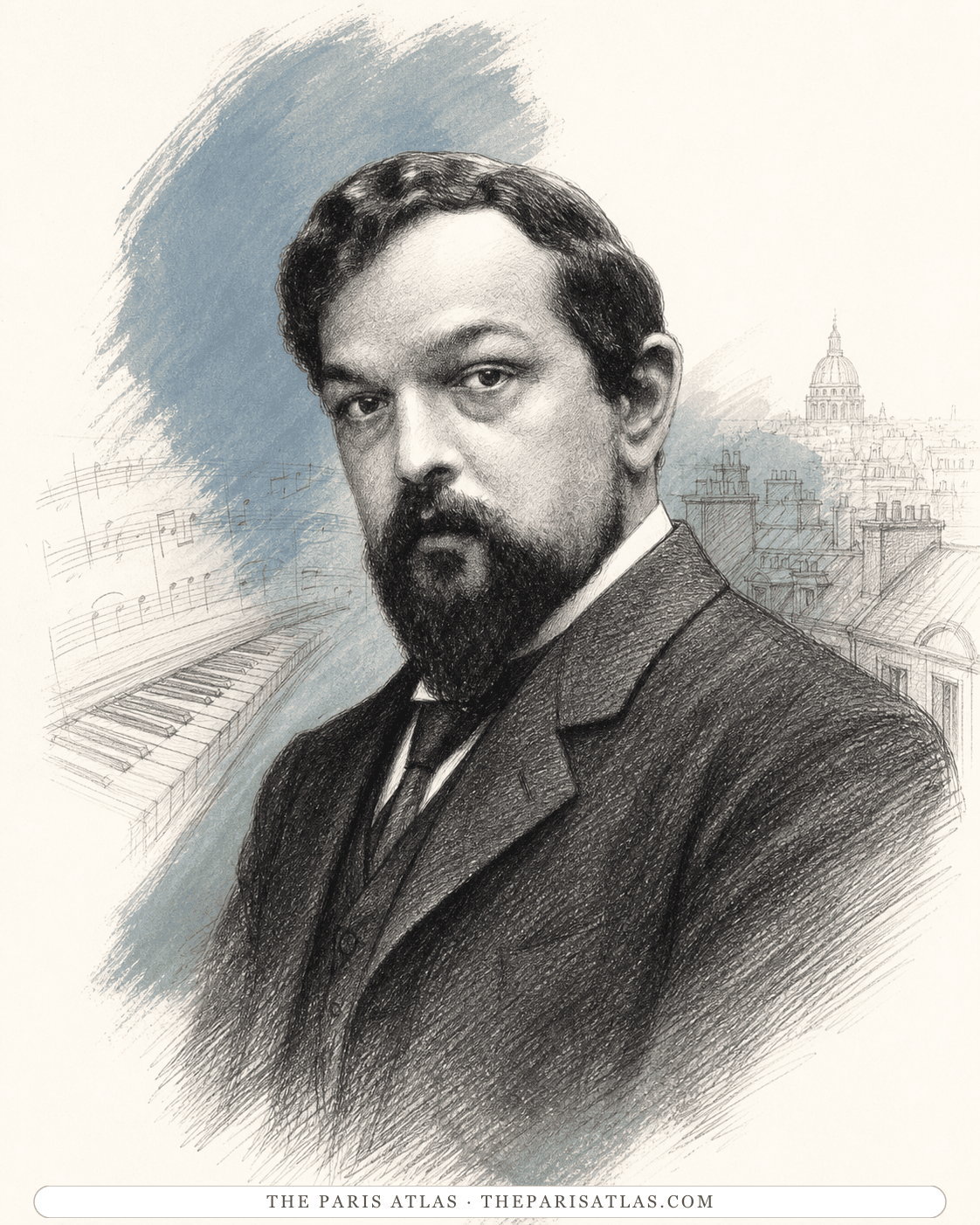
Claude Debussy
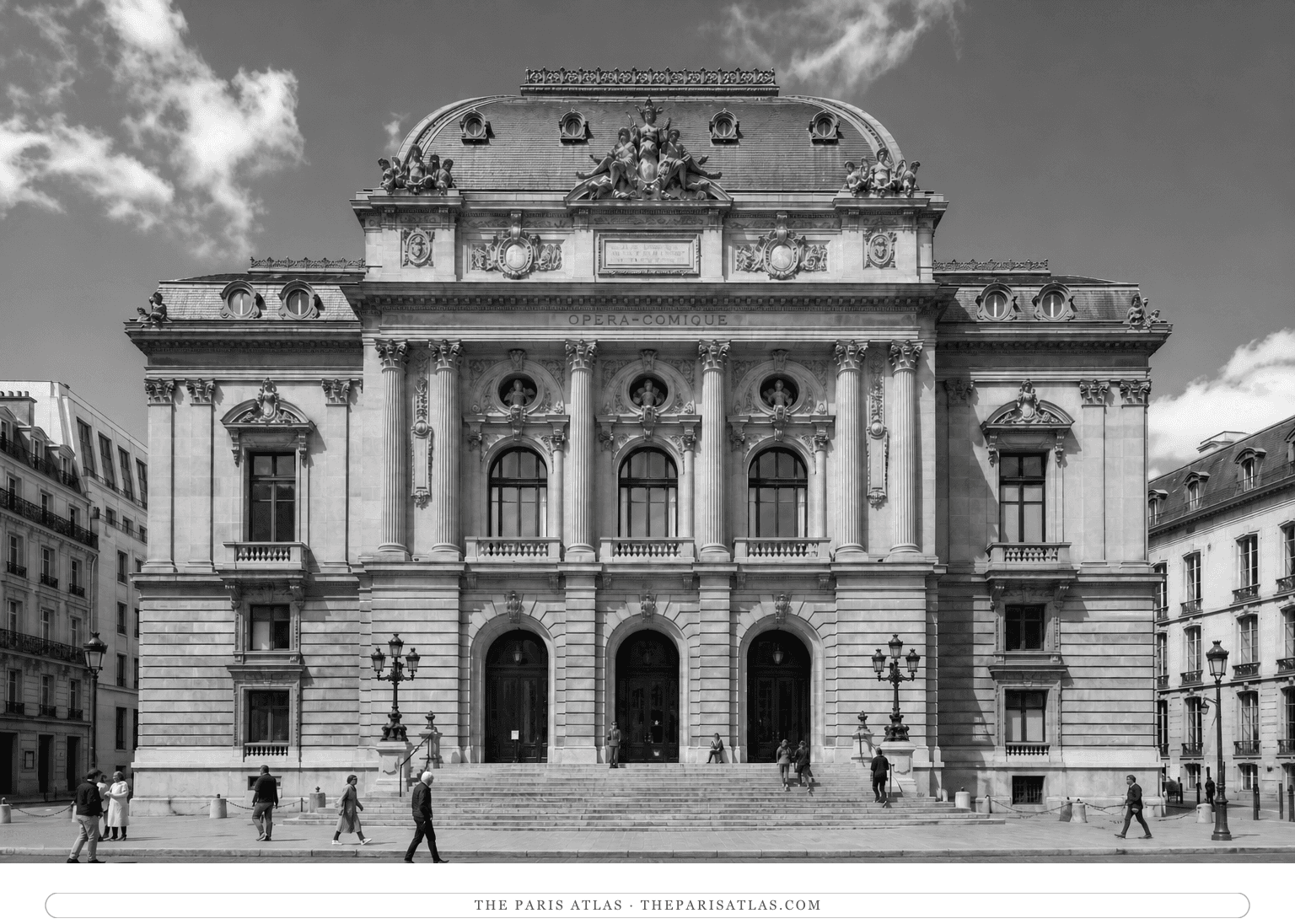
Debussy's opera Pelleas et Melisande received its first performance at the Opera-Comique, the Salle Favart, on 30 April 1902.
The Salle Favart, where Debussy's only completed opera, Pelléas et Mélisande, was first performed on 30 April 1902 — after nearly a decade of work and a dress rehearsal that turned into a public row.

The Opéra-Comique is the smaller and more adventurous of the two great Paris opera houses, and its house name — the Salle Favart — belongs to the building on the place Boieldieu. The current theatre is the third on the site; the two before it burned down, the second catastrophically in 1887. The present hall opened in 1898.
On 30 April 1902 it gave the first performance of Claude Debussy's Pelléas et Mélisande, which he had been working at for the better part of ten years. It is an opera that deliberately refuses almost everything opera audiences expected: no arias to speak of, no set pieces, a vocal line that follows the contours of spoken French, and an orchestra that suggests rather than declares.
It did not arrive quietly. Maurice Maeterlinck, whose play the libretto came from, had wanted his partner cast in the title role and was furious when Mary Garden got it instead; he attacked the production publicly before it opened. The dress rehearsal was disrupted, and the early reviews split hard between people who thought the work incomprehensible and people who understood immediately that it had changed what an opera could be.
The theatre is in full working use and the ordinary way to see it is to buy a ticket for a performance.
The present Salle Favart opens after its predecessor burned.
Pelléas et Mélisande receives its first performance on 30 April.
At the Opéra-Comique, the Salle Favart on the place Boieldieu in the 2nd arrondissement, on 30 April 1902.
Yes — it is a working national opera house. Buying a ticket for a performance is the usual way in.
Pelléas et Mélisande is his only completed opera. He began several others and finished none of them.
Debussy's opera Pelleas et Melisande received its first performance at the Opera-Comique, the Salle Favart, on 30 April 1902.

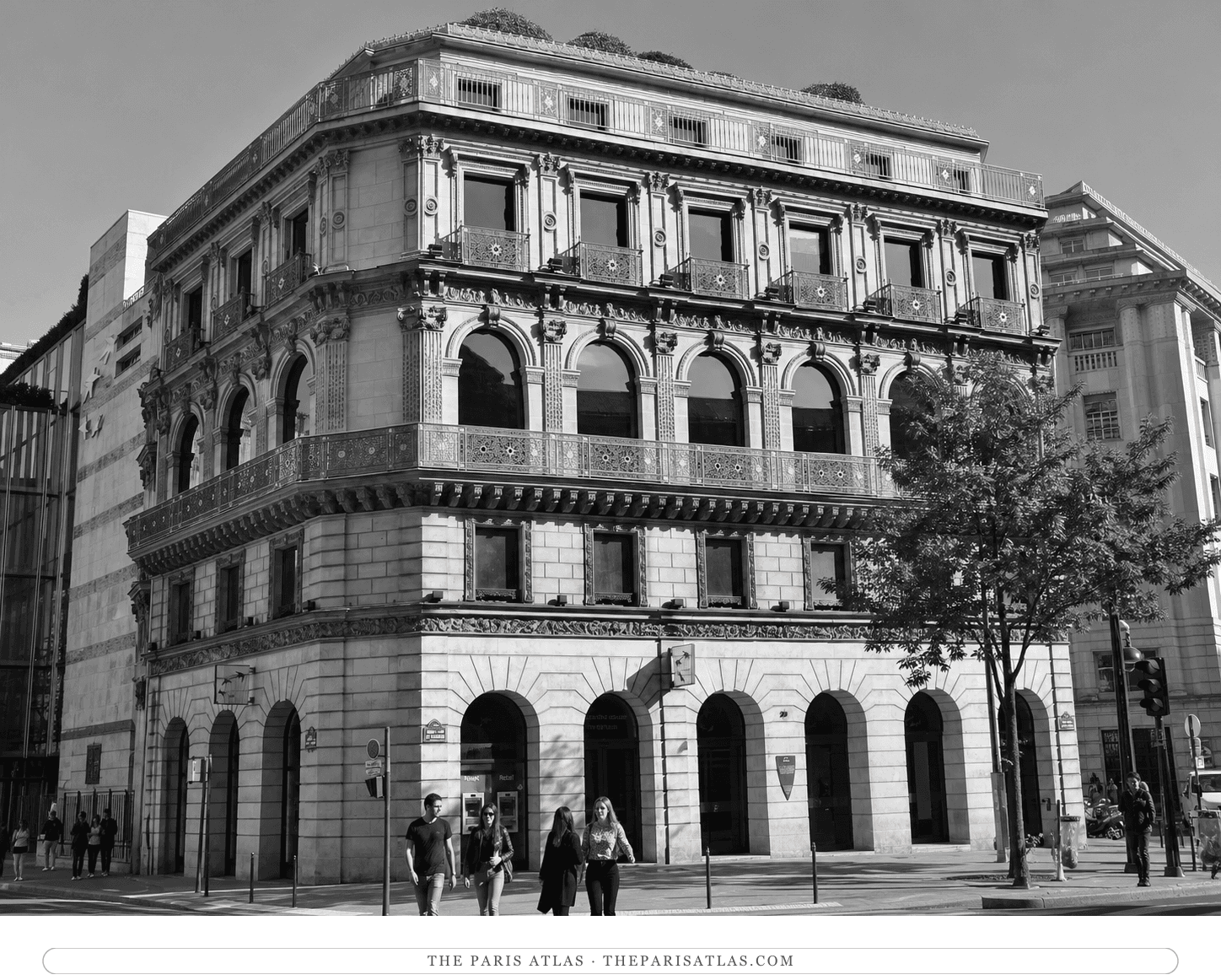
The luxury restaurant on the boulevard des Italiens whose upper rooms housed the eighth and last Impressionist exhibition in 1886 — the one Camille Pissarro helped organise, and where he brought the Neo-Impressionists into the group.
Visit the place
The theatre that housed the Paris Opera until it burned down in 1873. Its stage, rehearsal rooms and subscribers' foyer are the world behind Degas's dancers — and he went on painting it from memory long after it was ash.
Visit the place
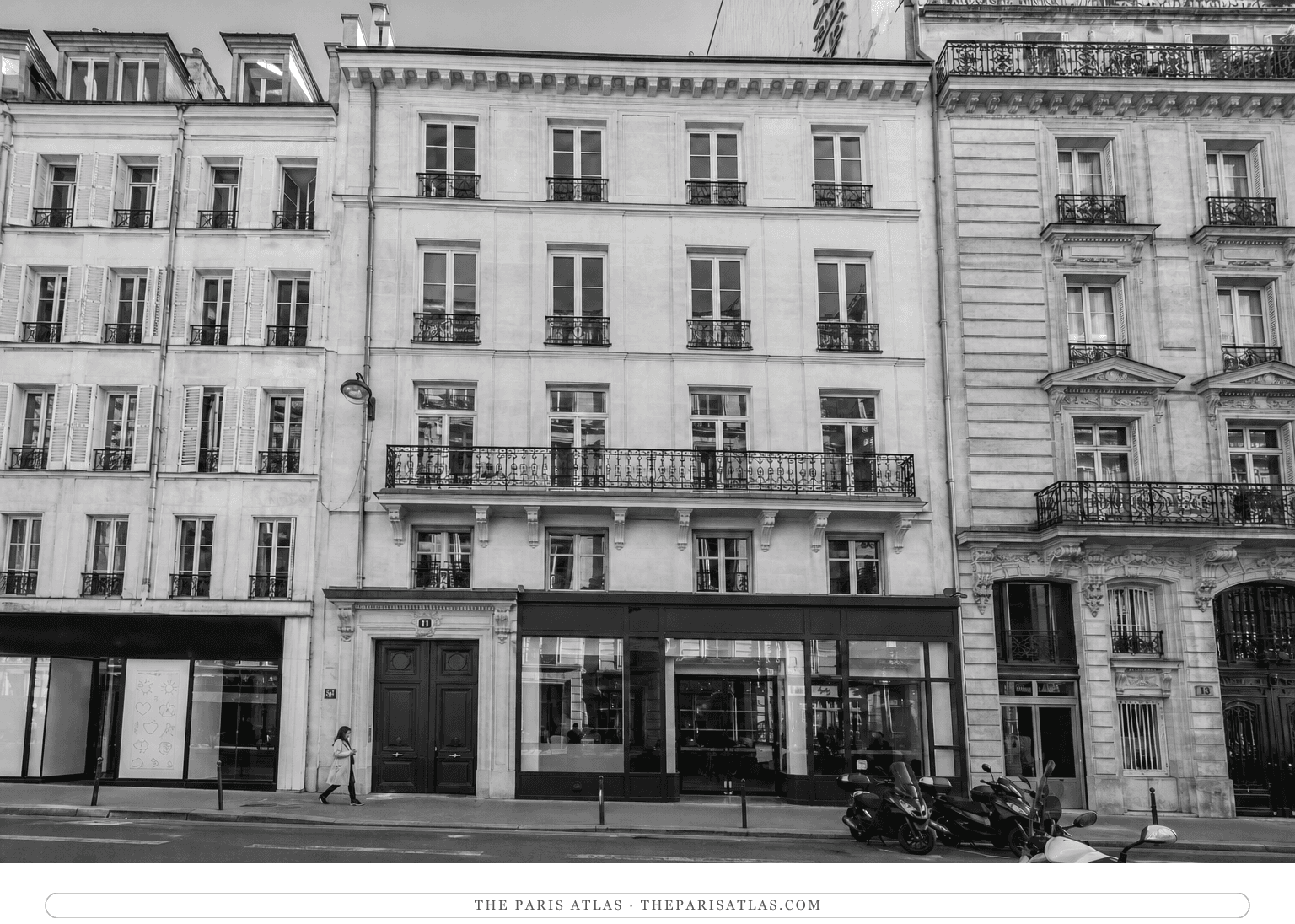
Paul Durand-Ruel's gallery, where the second Impressionist exhibition was held in 1876 — the dealer who kept buying the group's work through the years when almost nobody else would.
Visit the place
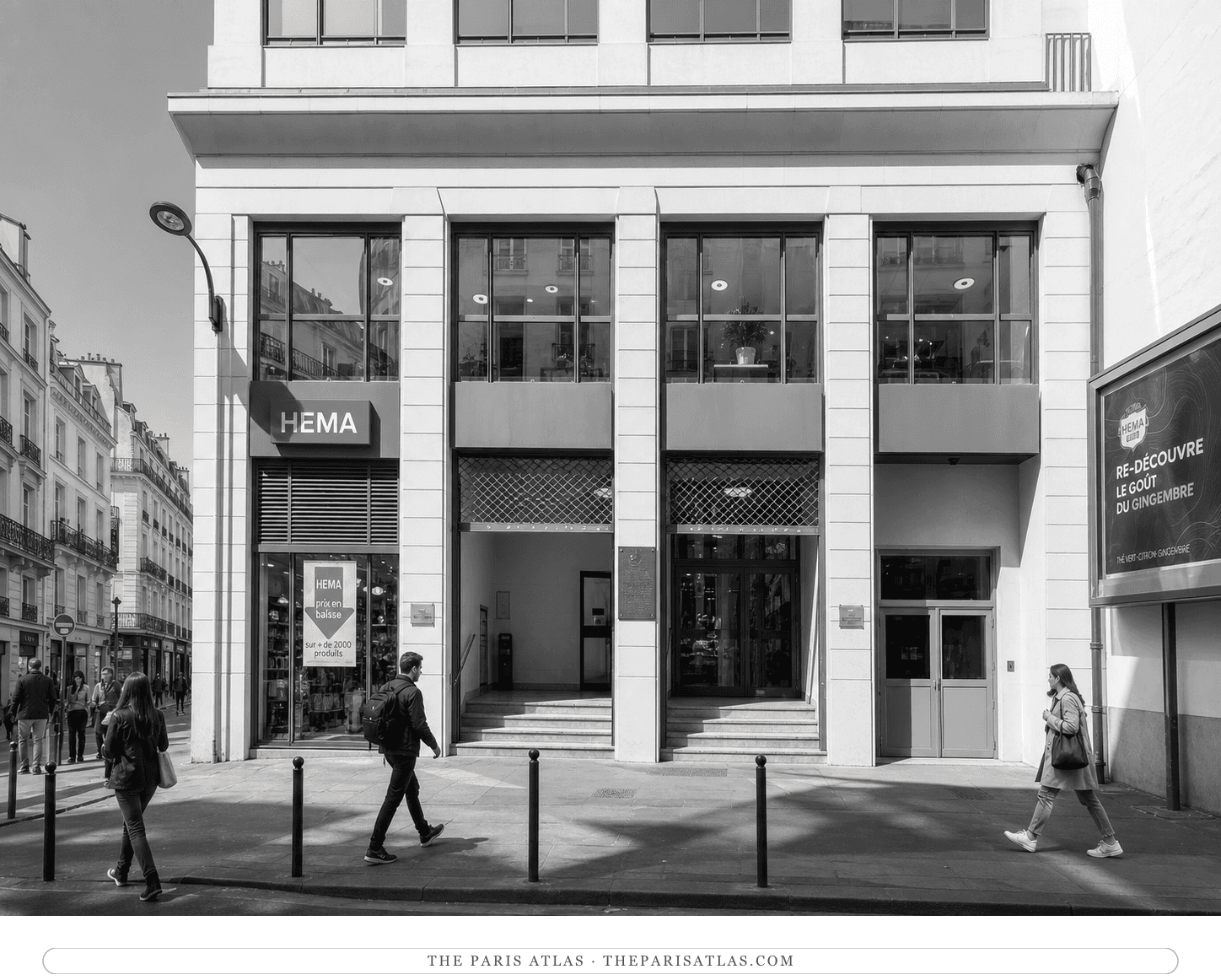
The vanished hotel on the corner of the rue Drouot and the Grands Boulevards where Camille Pissarro took a large room in February 1897 and painted sixteen canvases of the boulevards below without moving.
Visit the placeThe sources below include histories, archival materials, scholarly research, and official records that informed this page. They document Opéra-Comique (Salle Favart), the people connected to it, and its place in Paris.


Web source consulted for documented facts and historical context presented on the Opéra-Comique (Salle Favart) page.
Web source consulted for documented facts and historical context presented on the Opéra-Comique (Salle Favart) page.
Web source consulted for documented facts and historical context presented on the Opéra-Comique (Salle Favart) page.
Web source consulted for documented facts and historical context presented on the Opéra-Comique (Salle Favart) page.
These references provide the documented foundation for this page's history and context. Claim-level citations remain attached to the specific claims they support.
 Explore more resources
Newsletter
The cafés, studios, and walk-up flats where the work was made — one story from the map in every letter.