

Screams from the Balcony
The selected letters covering the same decade, mostly to editors and publishers.
Read our take
Seven years of letters with the artist Sheri Martinelli — one of the few people Bukowski argued with about art rather than performing for.
Beerspit Night and Cursing, published by Black Sparrow Press in 2001 and edited by Steven Moore, prints the correspondence between Charles Bukowski and the artist Sheri Martinelli from 1960 to 1967. Martinelli was a painter who had lived in the orbit of Ezra Pound, who wrote an introduction to a book of her work, and she is one of the few correspondents with whom Bukowski dropped the persona and argued seriously about literature and painting. The letters cover exactly the years he was moving from little-magazine obscurity toward his first full-length books, and they show him thinking aloud about art rather than performing indifference to it. The limited issue of 526 numbered copies was hand-bound by Earle Gray and carries an original serigraph by Bukowski.
Most published Bukowski correspondence is with editors and publishers, which produces letters about submissions, money and print runs. This is different: two artists arguing. Martinelli pushed back, knew the modernist canon from inside it, and was not impressed by the pose, and the letters are sharper for it. They stop in 1967, the year before Black Sparrow began publishing him.
The June 1960 exchange begins with Martinelli returning poems and urging Bukowski to learn from older writers. His reply resists the instruction without entirely rejecting her criticism. Near its close, fingers at the typewriter, a drooping leaf and the passing ice-cream truck turn that dispute into a demonstration: experience is happening as the letter is being made. Yet his appeal to immediate life invokes Chopin and Chinese poetry. The passage therefore complicates his own attack on tradition; inherited art supplies part of the language with which he declares independence.
In the early-July letter, the scattered portfolio tests another route to artistic legitimacy. Bukowski recalls proving he was a writer by showing bar patrons a lavish publication containing his work beside famous names. The names mean little to this audience, but the printed object earns recognition. Wind and rain then undo that material proof. His decision to abandon the pages converts humiliation into a defiant performance, ending in a drink for Lorca. The anecdote questions prestige while still seeking a listener who can appreciate the literary company he has lost.
Most of the published correspondence is with editors. This is a painter who pushed back.
1960 to 1967, ending the year before Black Sparrow began publishing him.
Sheri Martinelli’s work as an artist brings visual art into the exchange alongside arguments about literature.
1960
The correspondence begins, the year Bukowski's first chapbook appears.
1967
The letters stop, a year before Black Sparrow begins publishing him.
2001
Black Sparrow publishes the correspondence, edited by Steven Moore.


The selected letters covering the same decade, mostly to editors and publishers.
Read our take
The 1963 Loujon collection, published in the middle of this correspondence.
Read our take
The correspondence between Charles Bukowski and the artist Sheri Martinelli, 1960 to 1967, published by Black Sparrow Press in 2001 and edited by Steven Moore.
A painter who had lived in Ezra Pound's orbit — Pound wrote the introduction to a book of her work published in Milan in 1956.
Those are mostly to editors and publishers, and are about submissions, money and print runs. These are two artists arguing about literature and painting.
1960 to 1967 — ending the year before John Martin began publishing Bukowski at Black Sparrow Press.
Yes: 526 numbered and lettered copies hand-bound by Earle Gray, each with an original Bukowski serigraph.
Explore authors with a similar voice, perspective, and influence.
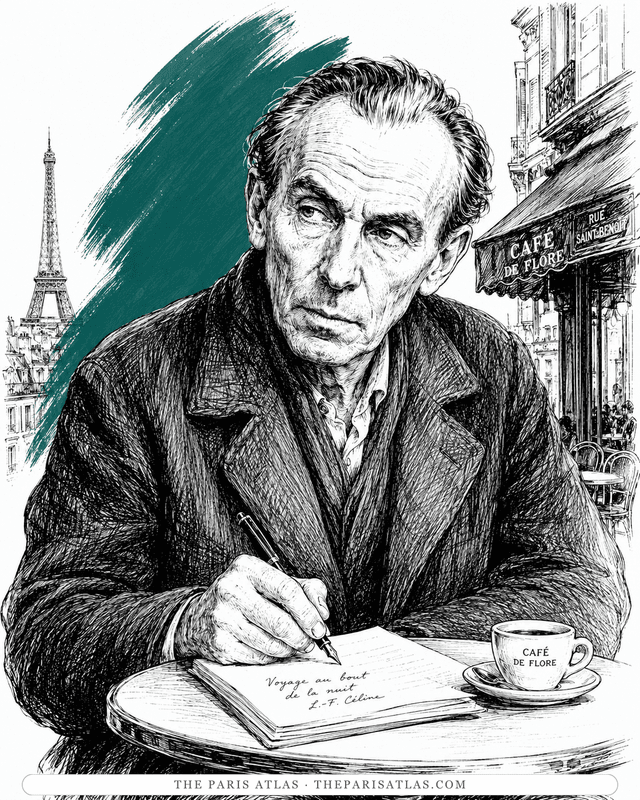
The doctor of the Paris slums who wrote the century's blackest, funniest novel — and changed the sound of French prose.
View author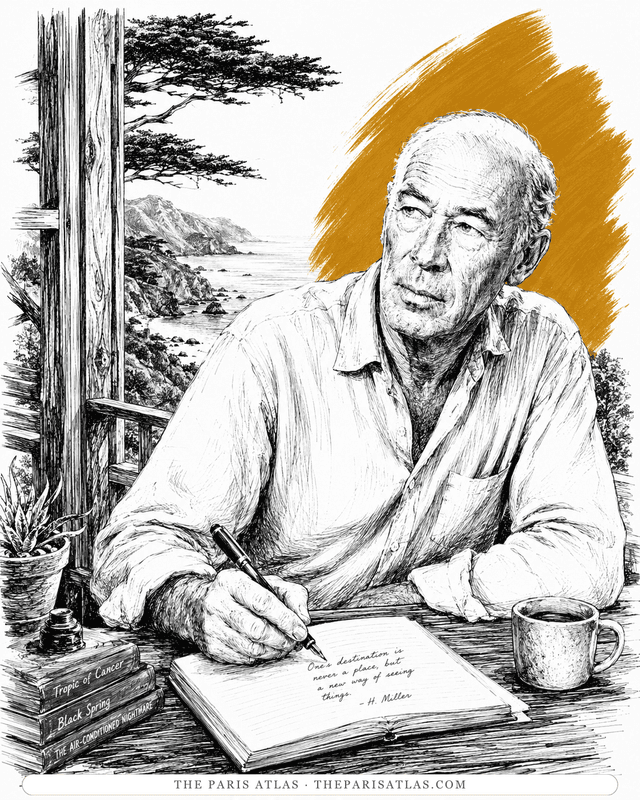
The Brooklyn dropout who arrived in Paris broke at thirty-eight and wrote the exuberant, banned books that ended American censorship.
View author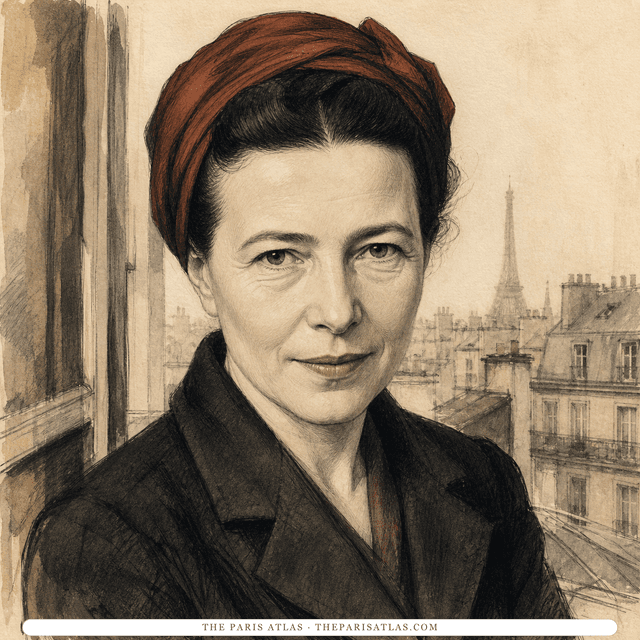
French writer and philosopher whose novels, memoirs, and social analysis examined freedom, gender, responsibility, aging, and the material conditions that shape a life.
View authorThe sources below include the primary text, editions, scholarship, archival materials, and other records that informed this page. They document Beerspit Night and Cursing, its publication, and its place in literary history.


The primary text represented by this page, used for descriptions of the work’s contents and for any quoted passages shown here.
Publication details, the editor and the edition issues.
Bibliographic details including the hand-bound issue.
The 1960s correspondence and the pre-Black Sparrow years.
Career context for the obscure decade the letters cover.
First-person evidence and historical context used in preparing the Beerspit Night and Cursing page.
The primary text is the baseline reference for every book page. Additional references document publication history, interpretation, and historical context where that evidence is available.
 Explore more resources