
Cristo Bedoya
Santiago’s friend, who searches urgently for him after finally understanding that the threat is real.
To locate Santiago quickly enough to warn or defend him after recognizing that the public threat is not empty talk.
The book

At a glance
- Santiago’s friend
- Medical student
- Searches for Santiago
Who they are in the book
Spoiler-freeCristo spends part of the morning beside Santiago without knowing the twins’ plan. Once he learns, he takes the warning seriously and tries to find his friend.
He searches Santiago’s house and the town but repeatedly misses him. His effort is genuine, which makes bad timing and incomplete information feel more cruel.
How Cristo Bedoya Is Portrayed
- Young Colombian manHe is close to Santiago’s age.
- Light tropical suitHis clothing fits the wedding morning.
- Urgent attentive expressionHe has understood the danger.
- Forward alert postureAction distinguishes him from passive witnesses.
- Close engraved bustNo weapon, street, or companion appears.
- Muted teal accentThe color marks clear-eyed urgency.
Cristo tries to find and warn Santiago but arrives too late. His failed search becomes one of the clearest examples of sincere effort defeated by timing.
If you like Chronicle of a Death Foretold


If you like Gabriel García Márquez
Explore authors with a similar voice, perspective, and influence.
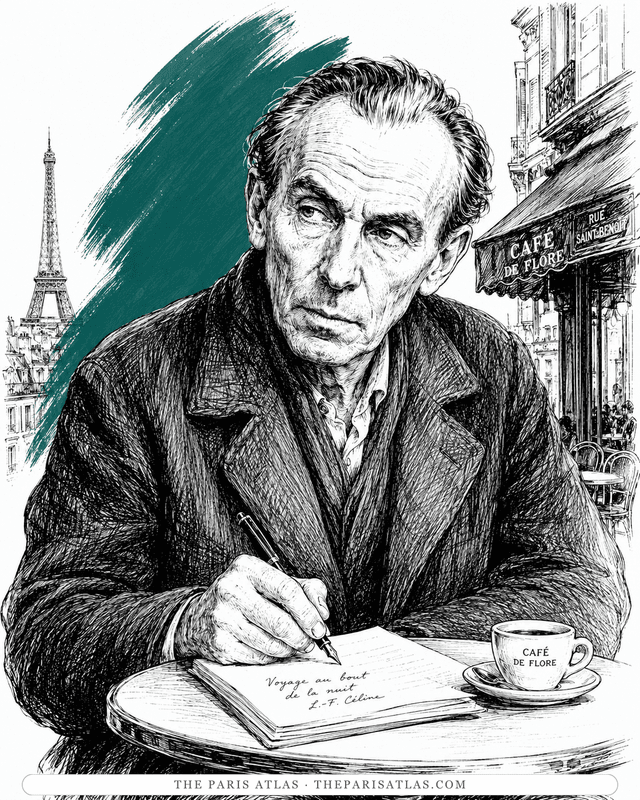
Louis-Ferdinand Céline
The doctor of the Paris slums who wrote the century's blackest, funniest novel — and changed the sound of French prose.
View author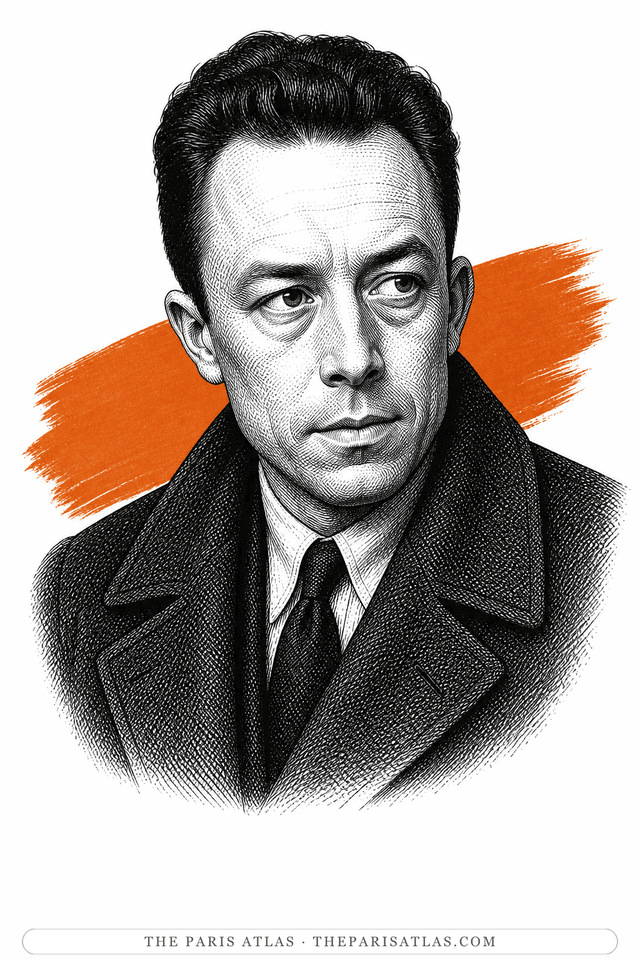
Albert Camus
French Algerian novelist, essayist, journalist and playwright who used the absurd and revolt to ask how people should live without false consolation.
View author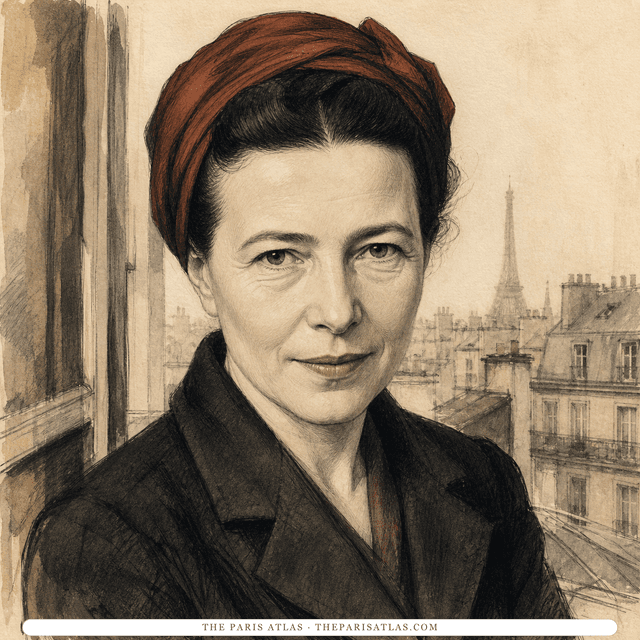
Simone de Beauvoir
French writer and philosopher whose novels, memoirs, and social analysis examined freedom, gender, responsibility, aging, and the material conditions that shape a life.
View author