Investigators and police figures
The officials and amateurs who question suspects, assemble clues, and supply the procedural structure of the case.
To connect scattered clues, identify the organization behind the drug trade, and explain the deaths and deceptions.
The book

At a glance
- Officials and amateur investigators
- Questions, surveillance, inference, and assembled clues
- Reveal the drug organization and solve the mystery
Who they are in the book
Spoiler-freeThe investigation is distributed among several people rather than embodied by one supplied name. They follow movements, conversations, disguises, and contradictions across London.
Together they give the sensational plot a procedural spine. Their eventual explanation restores conventional order even when the book’s social contradictions remain.
How Investigators and police figures Is Portrayed
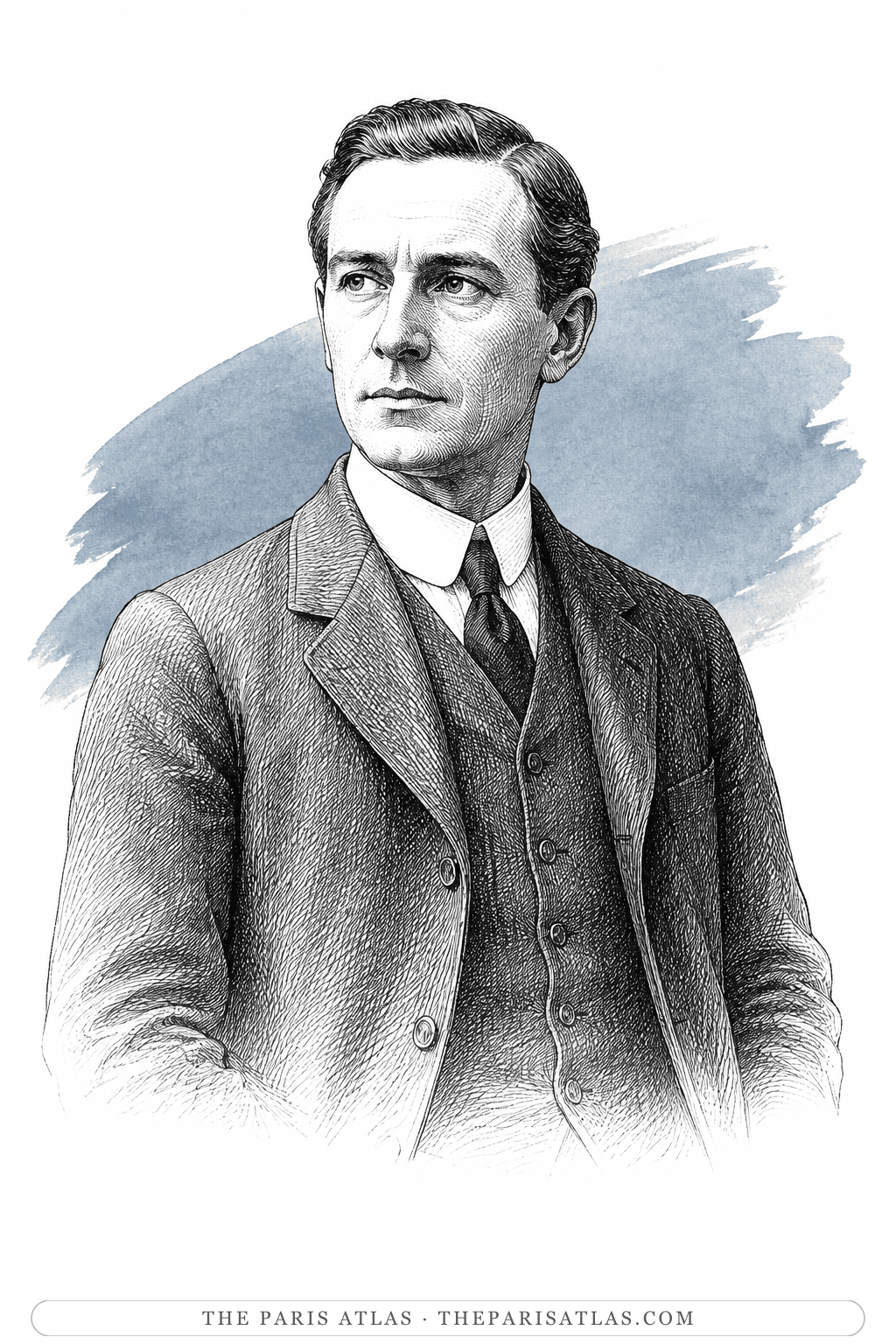
- Period investigatorOne restrained representative figure stands for the grouped role.
- Plain professional dressObservation matters more than flamboyant detective costume.
- Attentive expressionThe work depends on noticing contradiction and concealment.
- MethodicalFragments become a solvable sequence through comparison.
- Mixed official statusThe group includes police and amateur investigators.
- Restorers of orderTheir solution supplies the thriller’s conventional closure.
The investigators expose the criminal network and explain the case. Their solution restores legal order without resolving respectable society’s demand for drugs and sensation.
If you like Dope


If you like Sax Rohmer
Explore authors with a similar voice, perspective, and influence.
Herman Melville
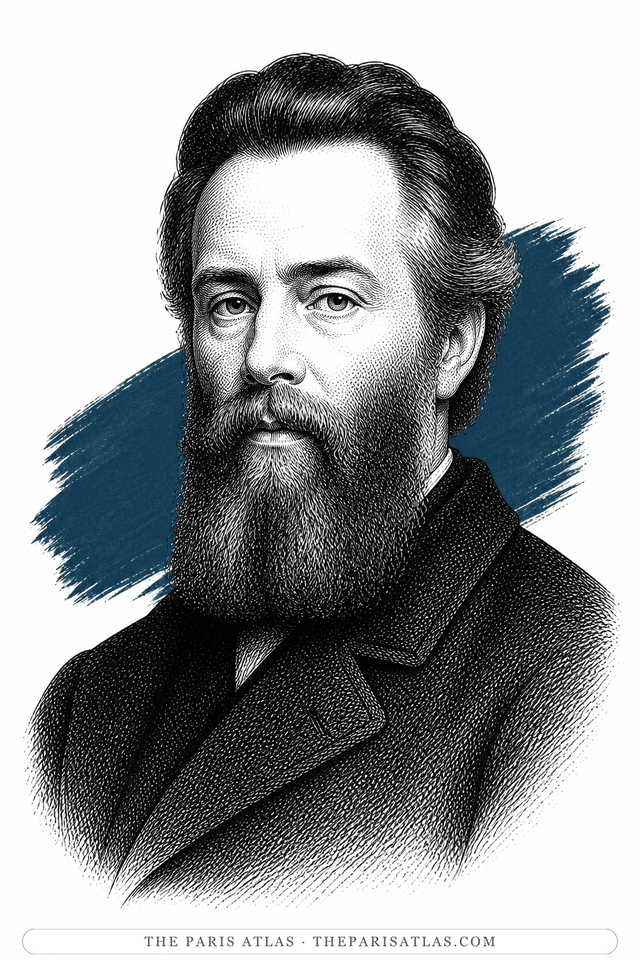
Author of Moby-Dick, who spent about eight days in Paris in the winter of 1849 in a fifth-floor room on the Rue de Bussy, spoke no French, went twice to look at the corpses on display at the public Morgue, and wrote of the medieval Hôtel de Cluny that it was "the house just the house I'd like to live in." He was thirty. Two years later the whale book appeared, failed, and buried him for seventy years.
View author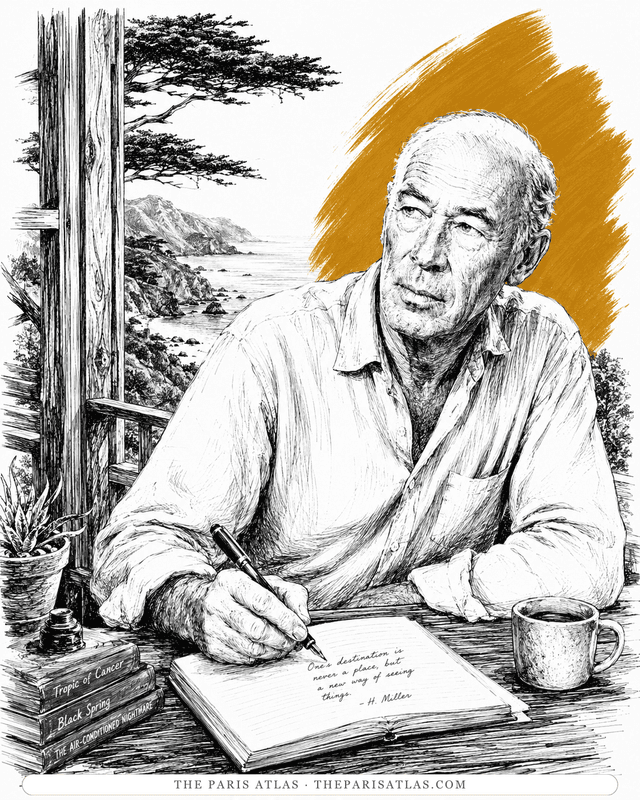
Henry Miller
The Brooklyn dropout who arrived in Paris broke at thirty-eight and wrote the exuberant, banned books that ended American censorship.
View author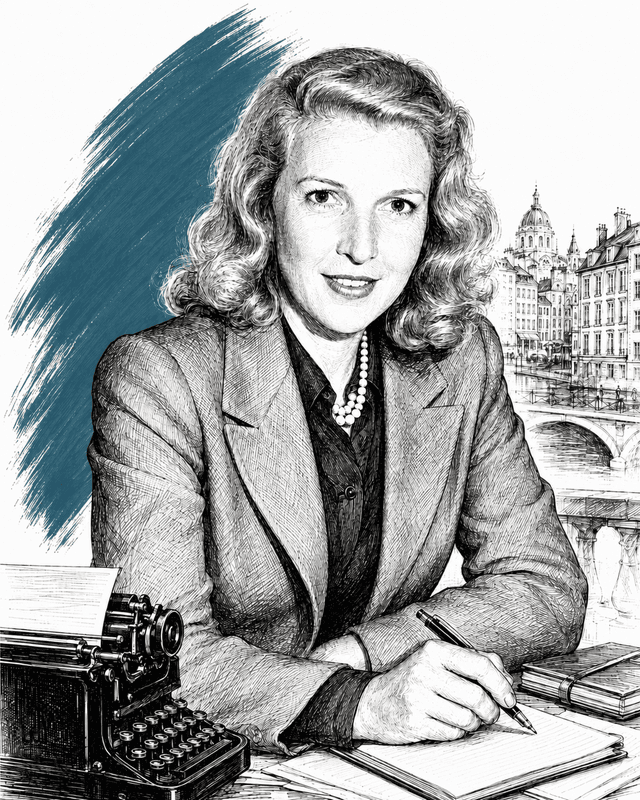
Martha Gellhorn
War correspondent who covered the Spanish Civil War, D-Day, and conflicts across five more decades; Hemingway's third wife, 1940–1945.
View author