

Dope
by Sax Rohmer
A sensational 1919 crime novel where opium, cocaine, theater, private scandal, and London nightlife form one conspiracy.
- 1919
- Atmospheric
- Savage
- plot-driven
- dark
- political
The story, briefly
Spoiler-freeRohmer turns the period fascination with narcotics into a fast mystery in which respectable society is connected to the same drug trade it fears and condemns.
The story, in more detail
Sax Rohmer’s Dope is a sensational crime novel set in London’s early twentieth-century drug world. Respectable people must confront the possibility that opium and cocaine have entered their homes, relationships, theaters, and social circles.
The story follows a network that includes Monte Irvin, his troubled wife Rita, the actress Margaret Halley, Sir Lucien Pyne, and the mysterious Kazmah. Suspicion spreads through affairs, nightclubs, hidden rooms, drug suppliers, and the exoticized underworld Rohmer builds around Limehouse.
Rohmer writes as a thriller author rather than a confessional addict or modern realist. The novel is fast, melodramatic, and full of cliffhangers. It also relies on racial stereotypes and Orientalist assumptions, which belong to its history and should be recognized rather than accepted as truth.
The full plot
Monte Irvin grows worried about his wife Rita. Her secrecy, emotional instability, and possible relationships with other men turn domestic anxiety into the entrance point for a wider mystery involving drugs and scandal.
Margaret Halley, a talented young actress, becomes another focus of concern. Sir Lucien Pyne moves through the same nightlife, while Kazmah’s fortune-telling rooms draw the characters toward secrecy, performance, and hidden business.
Cocaine and opium function as both substances and clues. People disappear, lie, collapse, and hide their connections to suppliers and intermediaries. The investigation gradually shows that respectable London society helps sustain the trade it publicly condemns.
Rohmer moves quickly through theaters, private homes, taxis, streets, drug rooms, and Limehouse. Overheard conversations, false appearances, concealed identities, and sudden revelations keep shifting what each character and the reader believe.
The investigation finally exposes the organization around the drug trade and explains the deaths and deceptions driving the case. The mystery restores enough order for a conventional thriller ending, though the social appetite for drugs and danger remains unresolved.
How it ends — spoilers ahead
The final chapters reveal the identities and motives behind the conspiracy. The drug network is connected to the deaths, lies, and betrayals that have occupied the novel.
The surviving central characters understand more clearly how addiction, secrecy, money, and exploitation cross class boundaries. Unlike many later addiction novels, Dope ends by exposing criminals and solving the central mystery.
The larger social contradiction remains. The respectable characters were never as separate from the feared underworld as they imagined, because the demand, concealment, and glamour also came from their own world.
Themes and analysis
Drugs as scandal
Rohmer treats cocaine and opium as forces that collapse the boundary between respectable society and criminal nightlife. The substances matter medically, but the thriller is equally interested in what their presence can expose about class, sex, and reputation.
In the opening chapter, Brisley reports Rita’s movements with the clipped precision of a police witness, yet his timings cannot explain what happens behind Kazmah’s door. Irvin turns the report into confirmation of his jealousy. The next chapter moves backward in time and shows Gray making a similar mistake: rivalry with Pyne distracts him from Rita’s urgent purpose. Rohmer builds suspense through this gap between observation and understanding. The men can follow her across London without recognizing the danger she faces.
The city after dark
London changes as the characters leave drawing rooms for theaters, taxis, hidden rooms, and Limehouse. Darkness allows the book to connect places that daytime respectability tries to keep separate.
Secrecy
Affairs, addiction, and criminal trade depend on maintaining several versions of one life. The mystery advances whenever a private relationship or concealed route breaks through a public story.
Celebrity
Margaret Halley’s work as an actress connects public glamour to private danger. A performer can be watched by everyone and still remain vulnerable to people who control access, rumor, or narcotics.
Orientalism
The novel uses racialized images of Chinatown and foreign danger. These stereotypes reflect British Orientalist prejudice, not reliable evidence about Chinese Londoners or Limehouse. Rohmer turns real communities into atmosphere for white fears.
Kazmah’s stillness initially makes him frightening, but the eventual explanation turns it into a clue. The figure is a waxwork, originally made for a Paris exhibition, with a mechanism that raises one hand; his revelations come from Pyne’s social intelligence. In chapter III Rita already challenges the performance rather than accepting its supernatural authority. Read beside Seton’s explanation in chapter XLII, the encounter exposes a business built from stagecraft and privileged information. Unmasking that fraud does not undo the racial stereotypes surrounding it.
Sensational journalism and crime fiction
The book converts contemporary anxiety about drugs into entertainment. Its shocks and cliffhangers show how moral panic and popular storytelling can reinforce each other, making the feared world more vivid and marketable.
Writing style
Rohmer writes brisk, cliffhanger-driven prose. Dialogue, ominous entrances, suspicious clues, and last-minute revelations matter more than subtle psychology.
The thriller machinery can be enjoyable, but many racialized descriptions are ugly. A modern reader can respond to the pace and construction while still recognizing the prejudice built into the book’s language and imagery.
Editions and translations
The English-language novel is in the public domain in the United States and appears in historical, digital, and modern reprint editions. Readers should distinguish Rohmer’s original prose from Trina Robbins’s later graphic adaptation.
Major adaptations
Trina Robbins adapted Dope into comics from 1981 to 1983. IDW collected the work in 2017 as Sax Rohmer’s Dope. Her version preserves the period setting while translating the crowded mystery into visual sequences.
Another Rohmer comparison
The Mystery of Dr. Fu-Manchu helps explain Rohmer’s pulp pace and recurring racial imagery. It remains a prose comparison here because The Paris Atlas does not yet have a complete local book record for a structured link.
Why we recommend it
A city-wide drug mystery
Theater, private homes, nightlife, and hidden rooms become parts of one fast conspiracy.
Respectability under pressure
The investigation shows that class status does not separate London’s elite from drugs, secrecy, or exploitation.
Pulp history with visible prejudice
The book is useful for studying both thriller technique and the racial fears popular fiction turned into entertainment.
What this book explores
The people in its pages
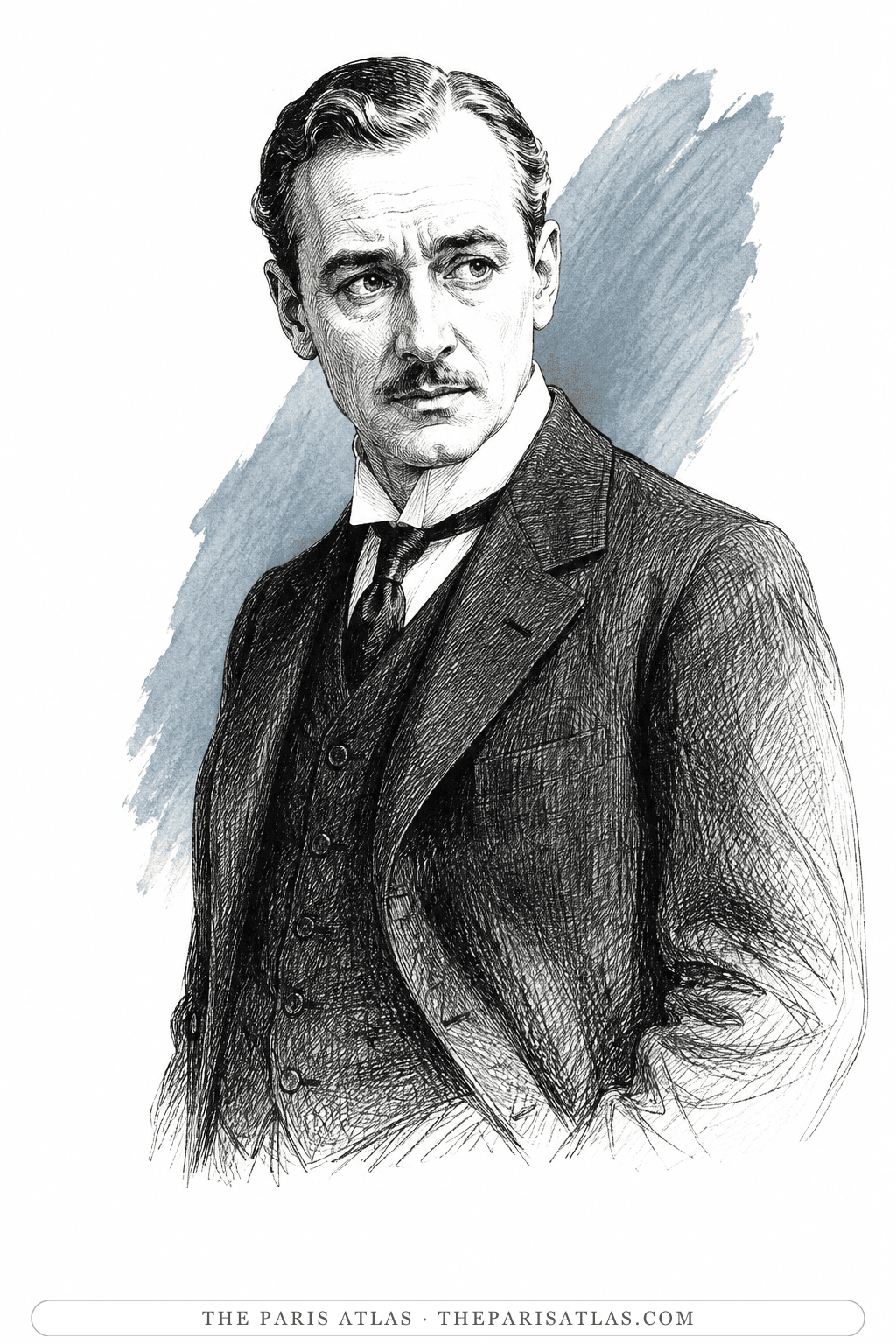
Monte Irvin
A respectable London husband whose fear about Rita draws him from domestic suspicion into the wider drug investigation.
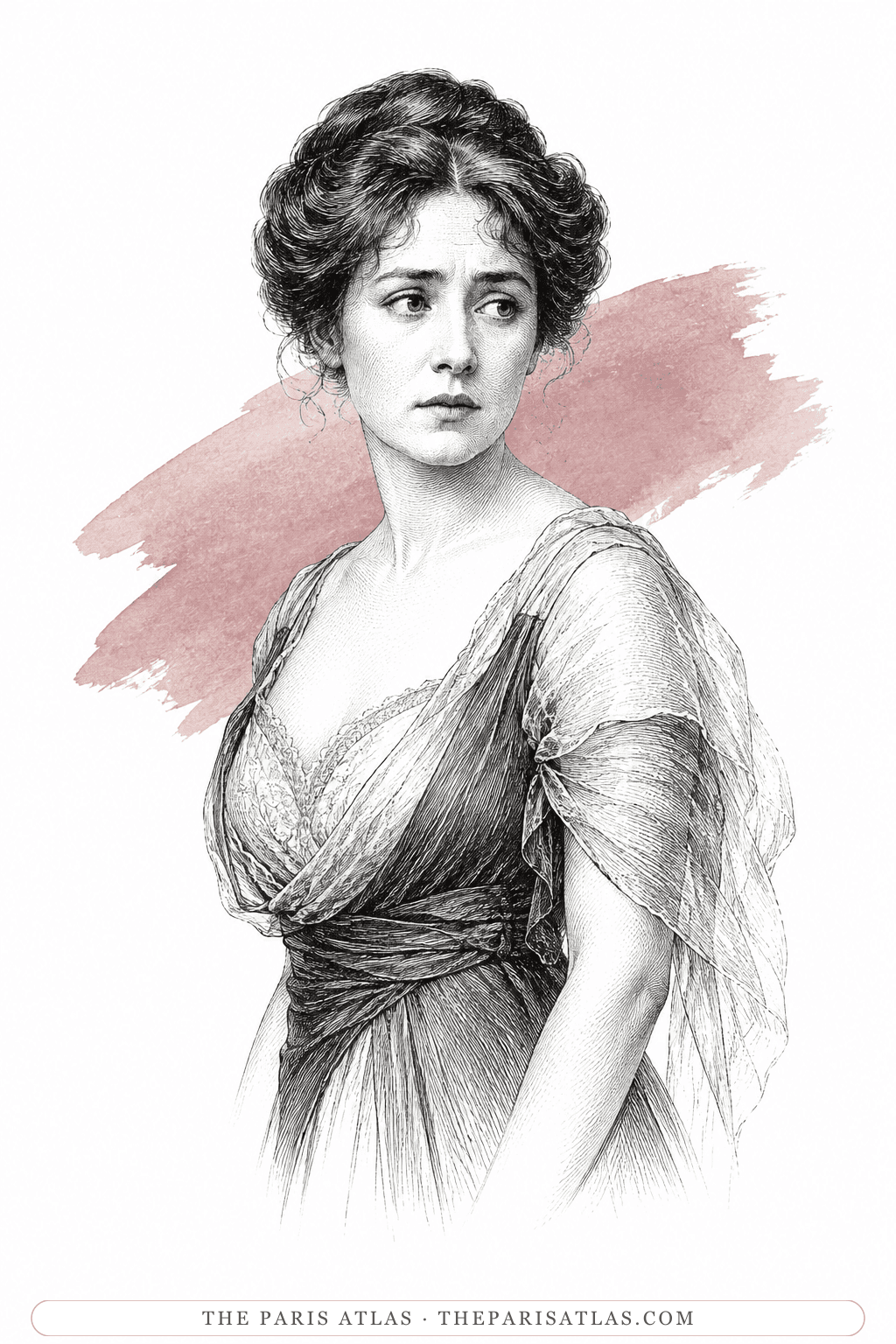
Rita Irvin
Monte’s fashionable and troubled wife, whose secrecy connects the domestic story to narcotics, scandal, and exploitation.
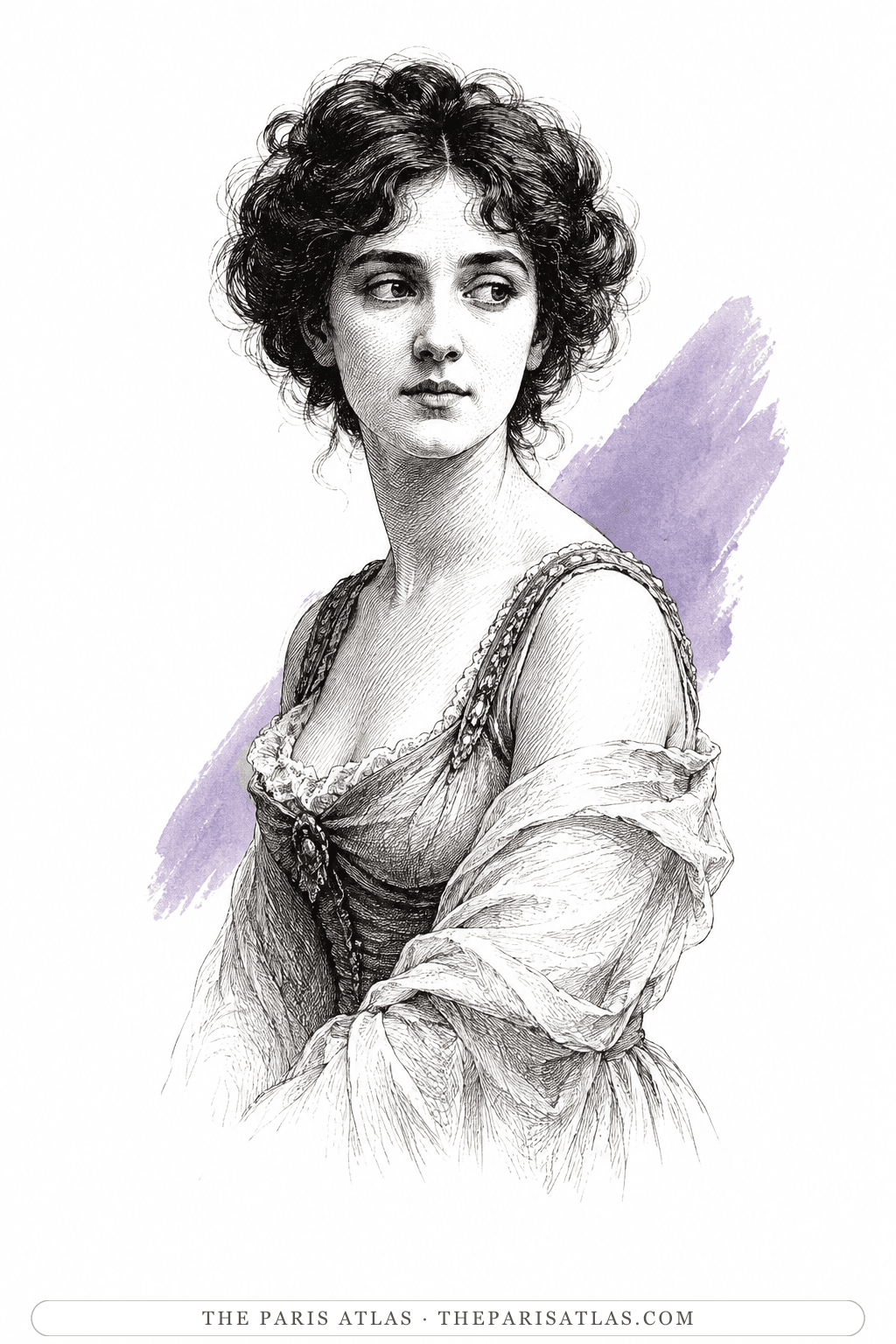
Margaret Halley
A talented young actress whose public visibility and access to nightlife place her close to the mystery’s central dangers.
Also in the book
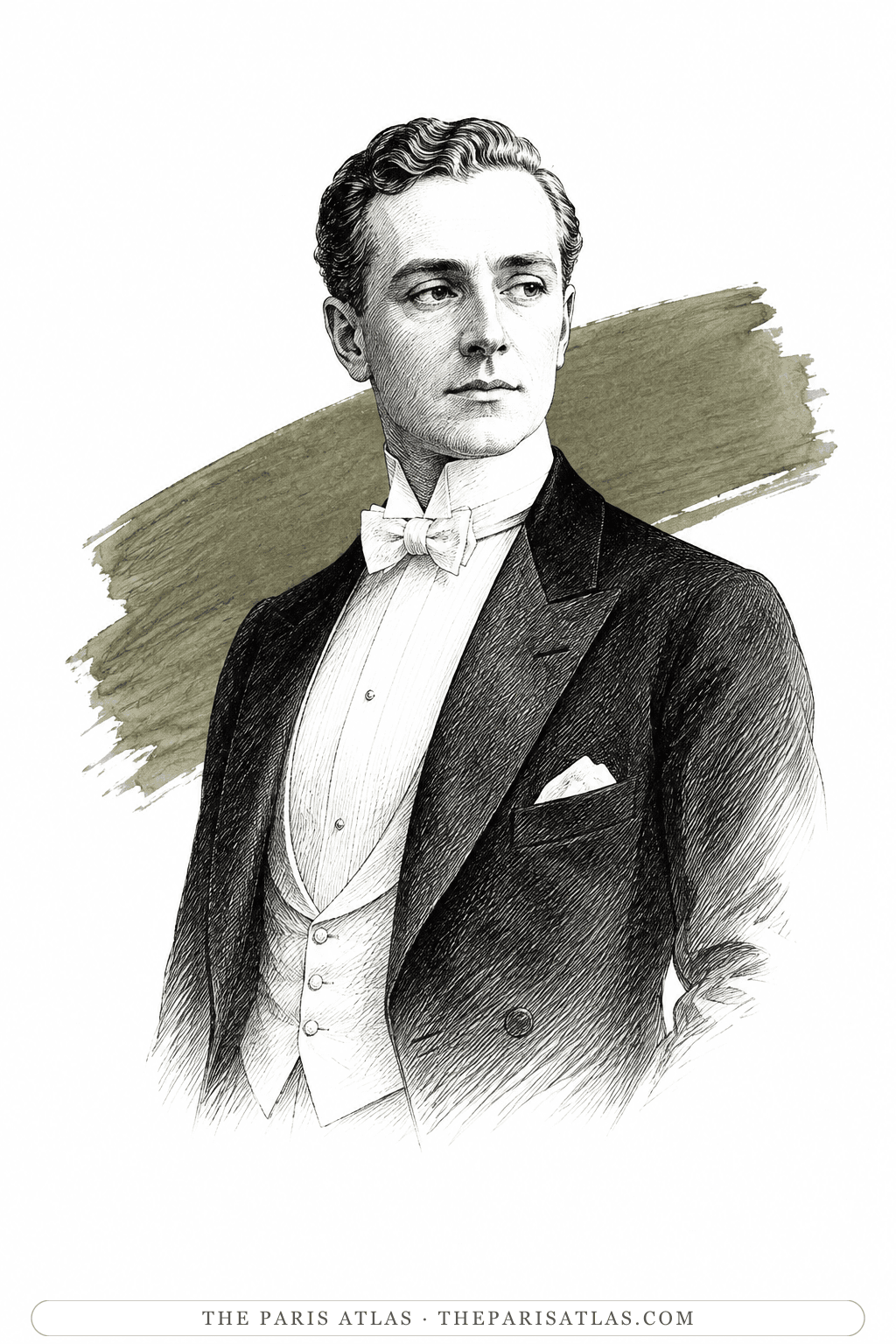
Sir Lucien Pyne
An aristocratic man moving through the same social and drug circles, proving that narcotics are not confined to poverty.

Kazmah
A mysterious professional fortune-teller whose controlled theatricality and secret rooms form part of the conspiracy’s hidden structure.
Investigators and police figures
The officials and amateurs who question suspects, assemble clues, and supply the procedural structure of the case.
Bring it to book club
- How does the novel connect drug panic to class anxiety?
- What does the actress figure add to the story?
- How does Rohmer use Limehouse as both a real place and a stereotype?
- Is the novel more interested in addiction or criminal mystery?
- What makes Kazmah effective as a pulp figure?
- How should modern readers approach the racist material?
- Why are respectable characters drawn to the same spaces they fear?
- How does the comic adaptation change the original?
Timeline
1919
Dope is first published.
1919–1920s
The novel circulates as part of Rohmer’s popular crime output and the period fascination with narcotics.
1981–1983
Trina Robbins adapts Dope into comics.
2017
IDW collects Robbins’s adaptation as Sax Rohmer’s Dope.
Book editions
Hardcover
- Hardcover
- C. Arthur Pearson
- 1919

- Ebook
- Simon & Schuster
- 2014
- 9781609777869
Paperback
- Paperback
- IDW Publishing
- 2017
Reader reviews
Readers may also like


The Magician
Another period thriller in which bohemian life meets fear and the forbidden.
Read our takeDope: frequently asked questions
Is Dope a Fu Manchu novel?
No. It is a separate London drug mystery by the same author.
Which drugs appear in Dope?
Opium and cocaine are central to the plot.
Is the book based on a true story?
It is fiction, though Rohmer drew partly on contemporary drug scandals, including the death of actress Billie Carleton.
Where is Dope set?
It is set in London, including theaters, private homes, nightlife, and the Limehouse district.
Is it an addiction novel?
Partly, but its main structure is a mystery-thriller about a drug network.
Does Dope contain racist stereotypes?
Yes. Its depiction of Chinatown and foreignness reflects period Orientalist prejudice.
Is Dope in the public domain?
It is in the public domain in the United States.
Is the Trina Robbins version the same text?
No. It is a graphic adaptation of Rohmer’s prose novel.
If you like Sax Rohmer
Explore authors with a similar voice, perspective, and influence.
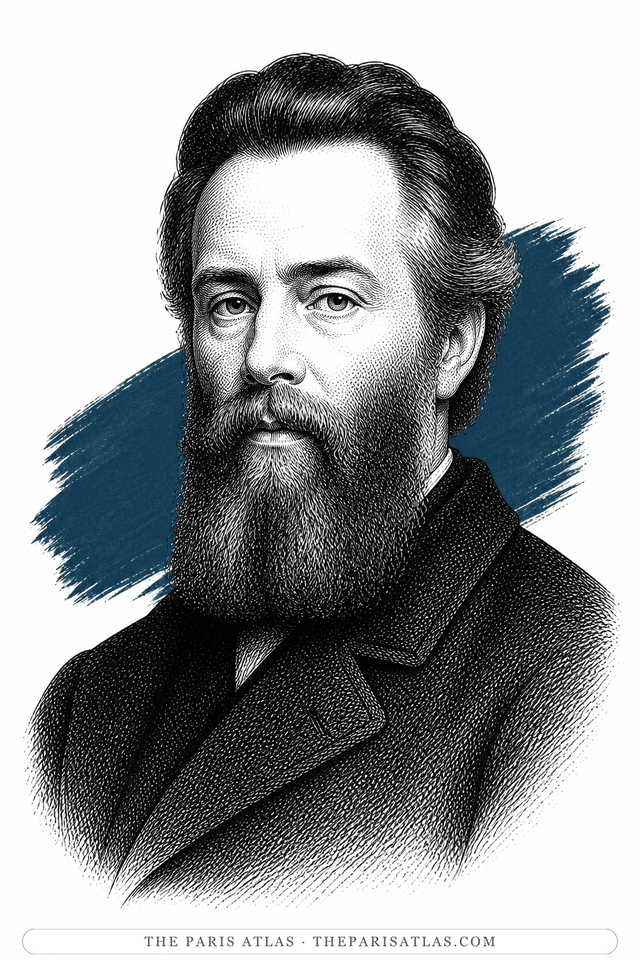
Herman Melville
Author of Moby-Dick, who spent about eight days in Paris in the winter of 1849 in a fifth-floor room on the Rue de Bussy, spoke no French, went twice to look at the corpses on display at the public Morgue, and wrote of the medieval Hôtel de Cluny that it was "the house just the house I'd like to live in." He was thirty. Two years later the whale book appeared, failed, and buried him for seventy years.
View author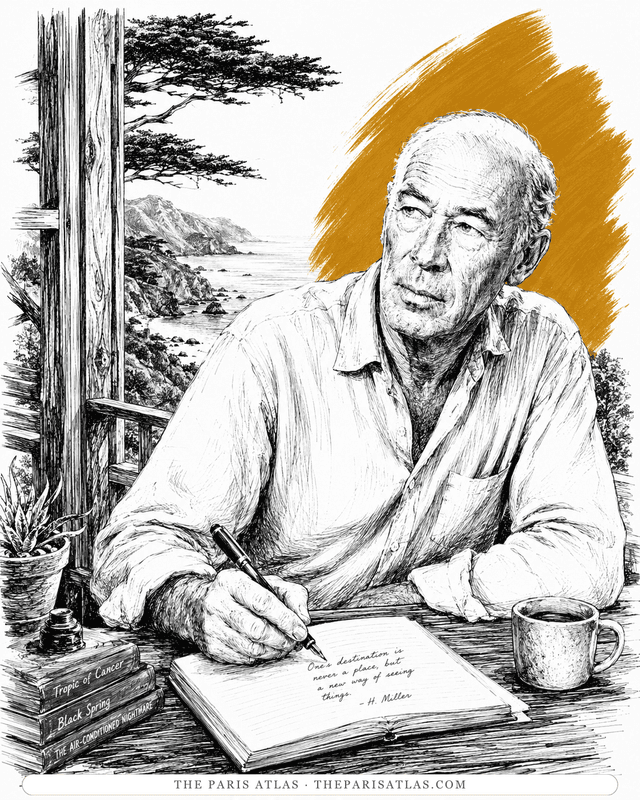
Henry Miller
The Brooklyn dropout who arrived in Paris broke at thirty-eight and wrote the exuberant, banned books that ended American censorship.
View author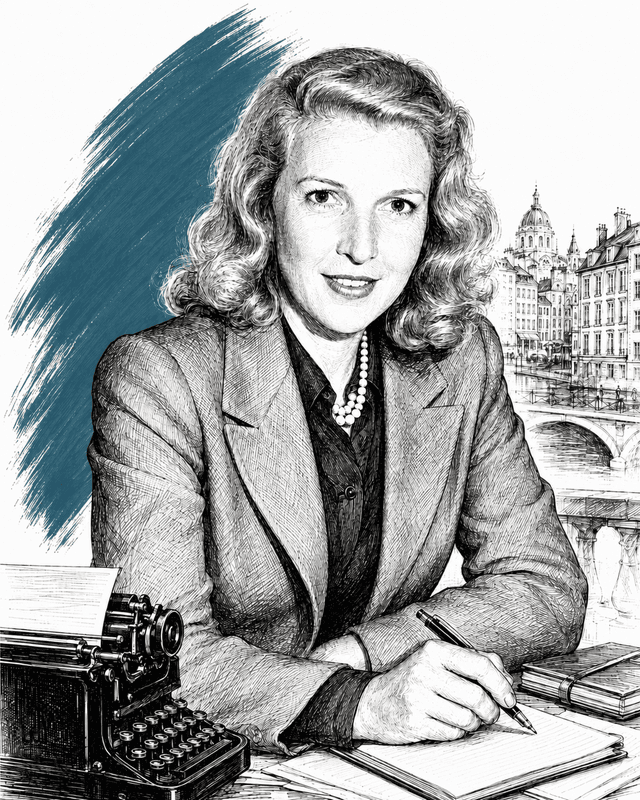
Martha Gellhorn
War correspondent who covered the Spanish Civil War, D-Day, and conflicts across five more decades; Hemingway's third wife, 1940–1945.
View author
References
References
The sources below include the primary text, editions, scholarship, archival materials, and other records that informed this page. They document Dope, its publication, and its place in literary history.


1Dope
NovelSax Rohmer, 1919Used forThe primary text represented by this page, used for descriptions of the work’s contents and for any quoted passages shown here.

2Dope
Official recordSimon & SchusterUsed forPublisher evidence for a modern digital edition.
3Dope
NovelProject Gutenberg, 1919Used forPrimary public-domain text used to check character names, plot order, ending, and original language.
4Dope — 1919 edition record
Official recordOpen Library, Internet ArchiveUsed forLibrary evidence for publication and edition history.
5Dope by Sax Rohmer — edition record
Official recordGoogle BooksUsed forBibliographic cross-check for historical editions.
i
Why these sources are here
The primary text is the baseline reference for every book page. Additional references document publication history, interpretation, and historical context where that evidence is available.
 Explore more resources