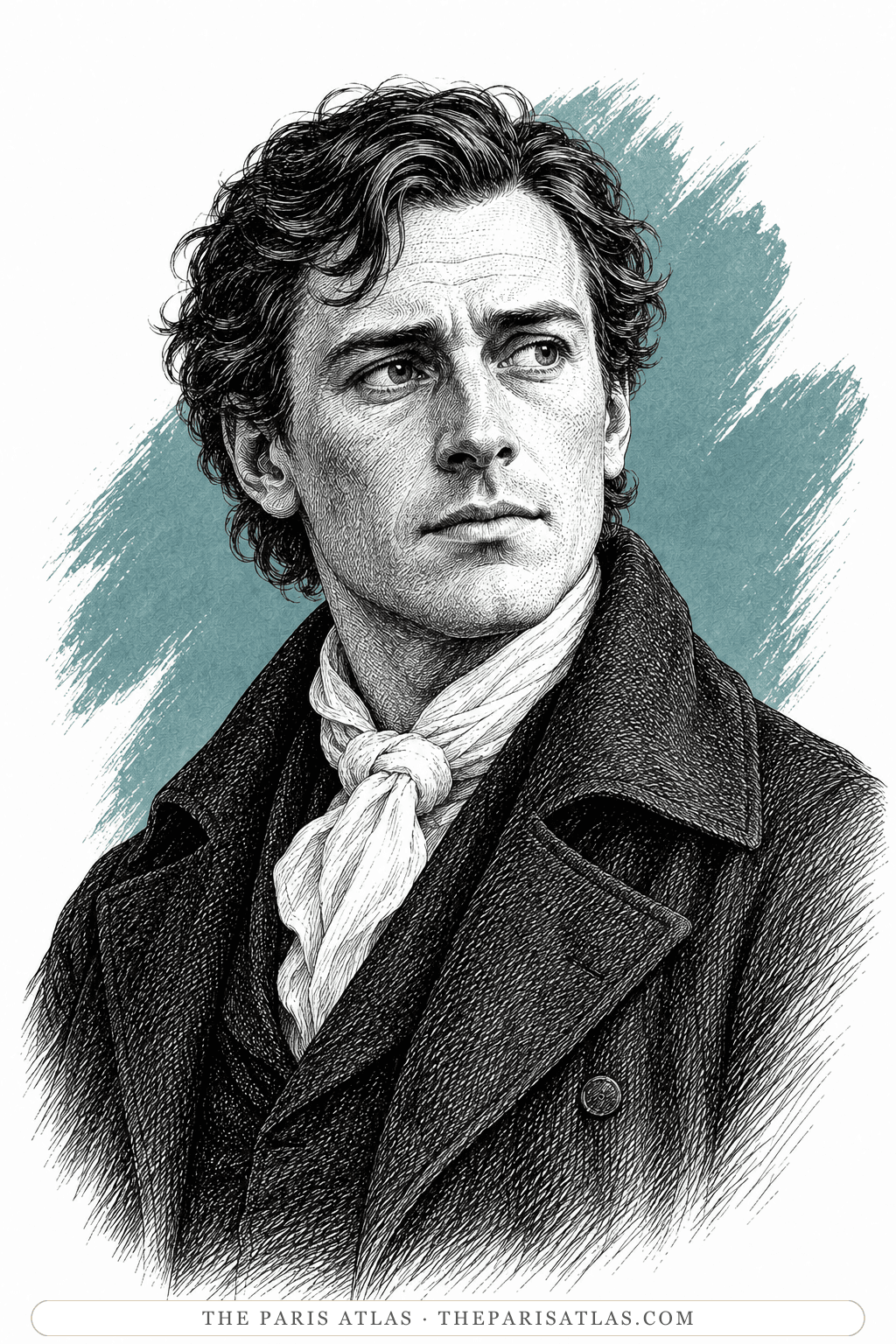
Robert Walton
The English Arctic explorer whose letters contain Victor’s history and the novel’s ending.
He wants to reach unexplored northern regions, make useful discoveries and earn recognition.
The book

Who they are in the book
Spoiler-freeWalton wants distinction and a friend who understands him. His affection for Victor shapes the manuscript, but his responsibility for the crew finally forces a decision Victor resists.
How Robert Walton Is Portrayed
- Combining public benefit with gloryIn Letter I, Walton imagines discoveries that will help humanity and admits that he prefers glory to an easy life. The two motives develop together. His enthusiasm makes him confident about a region he has not yet reached.
- Asking for a friendIn Letter II, he tells Margaret that he has no one to share success or sustain him in disappointment. He wants a companion who can correct his judgment. That need helps explain his strong attachment to Victor.
- Sheltering the strangerIn Letter IV, Walton rescues Victor from the ice, tends him in his cabin and protects him from the sailors’ questions. His care gives the exhausted traveler time to speak, although he soon idealizes the man he has saved.
- Allowing Victor to revise the recordIn the final continuation, Walton explains that Victor corrects and expands his notes, especially the conversations with the creature. The written account is therefore shaped by its subject as well as its recorder.
- Accepting the crew’s demandIn the final continuation, the sailors ask him to promise a southward return if the ice opens. Walton consents, although he still calls the decision cowardice and feels cheated of success. Responsible action does not immediately remove his resentment.
- Hearing the creature directlyAfter Victor dies, Walton finds the creature beside the body. Curiosity and compassion interrupt his first thought of carrying out Victor’s request to kill it. He listens, challenges its remorse, and records its departure as the final witness.
If you like Frankenstein


If you like Mary Shelley
Explore authors with a similar voice, perspective, and influence.
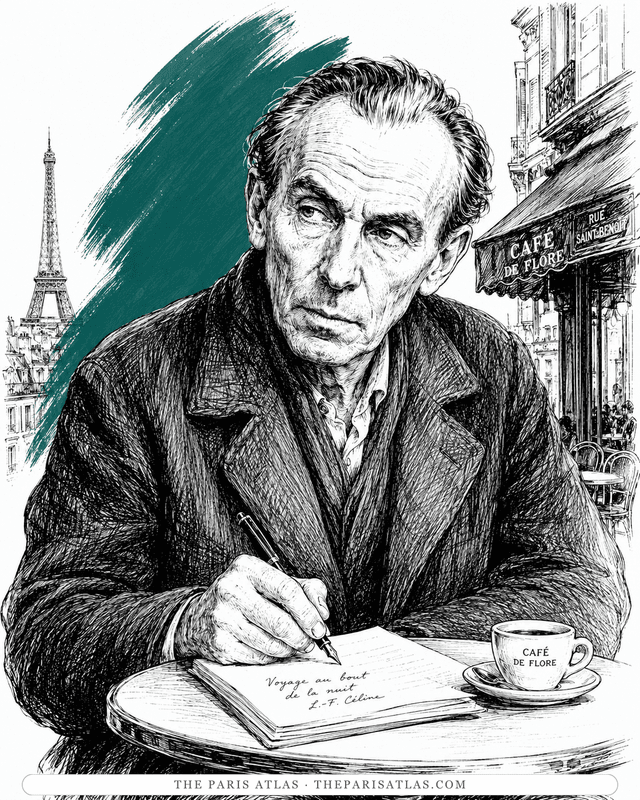
Louis-Ferdinand Céline
The doctor of the Paris slums who wrote the century's blackest, funniest novel — and changed the sound of French prose.
View author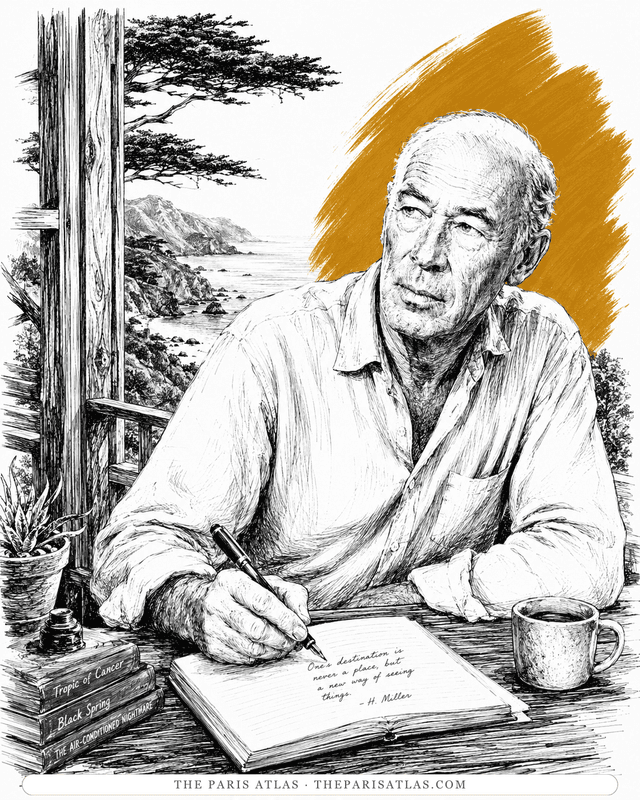
Henry Miller
The Brooklyn dropout who arrived in Paris broke at thirty-eight and wrote the exuberant, banned books that ended American censorship.
View author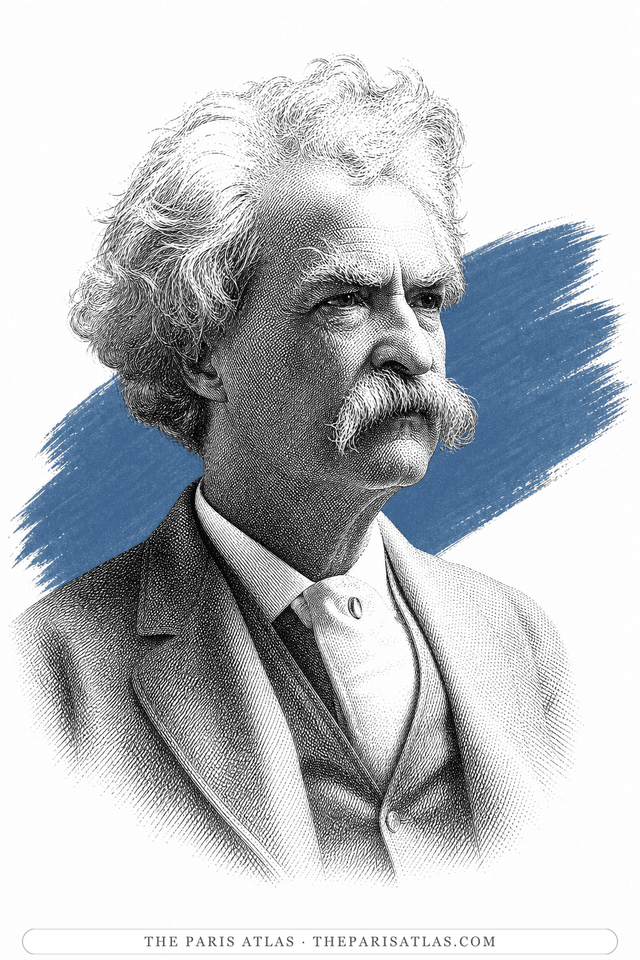
Mark Twain
The Missouri newspaperman who became America's most famous writer, and whose first book made its reputation partly out of Paris: in 1867 he arrived with a shipload of American tourists, renamed his guide Ferguson, watched the high-kicking can-can through his fingers and wrote it all down. He kept coming back — and was living in Paris in the mid-1890s, broke, while finishing the novel he considered his best, Personal Recollections of Joan of Arc.
View author