Created at · 1937
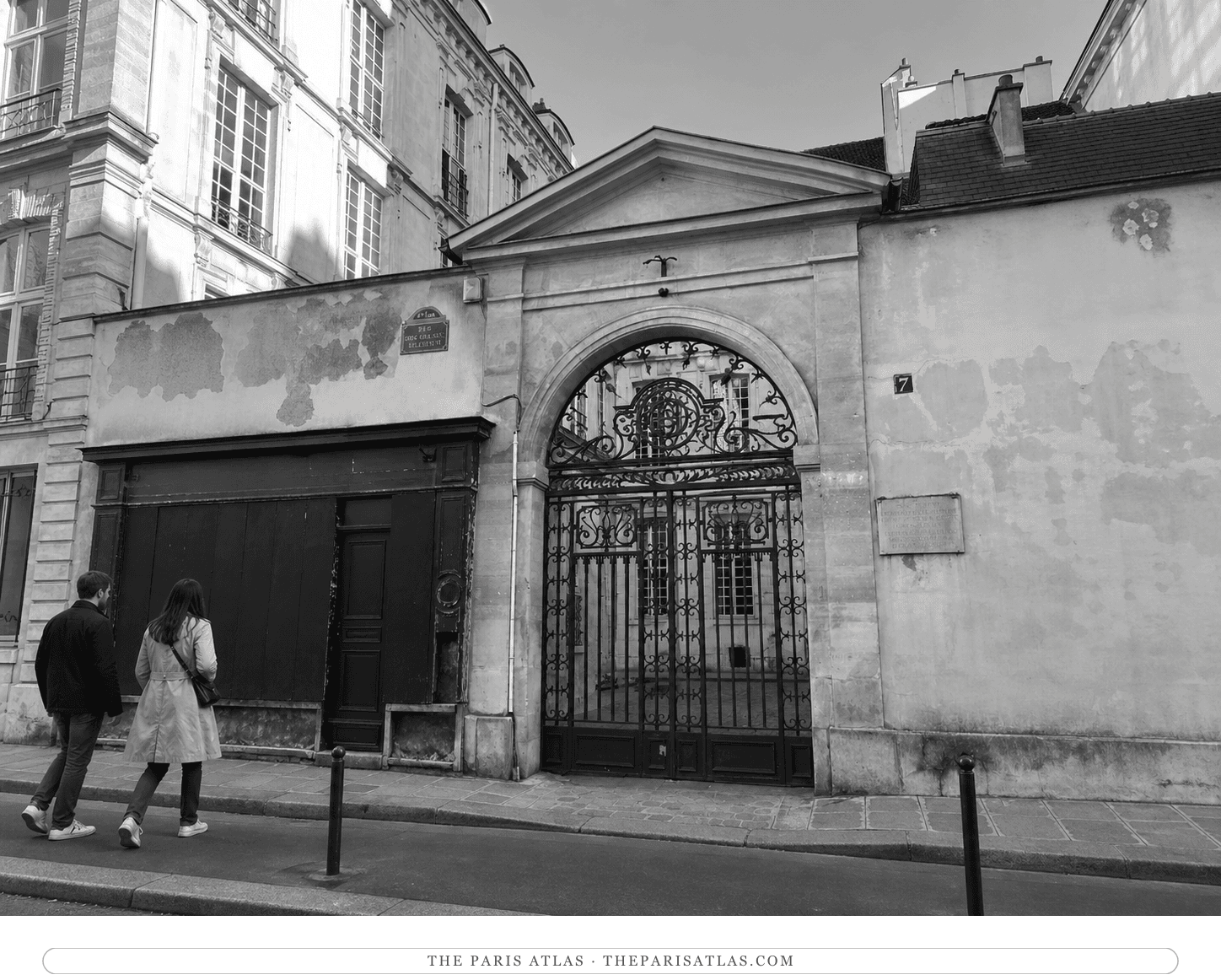
7 rue des Grands-Augustins
Painted in the attic studio between 1 May and 4 June 1937, with Dora Maar photographing the stages. The Reina Sofía's Rethinking Guernica archive documents the studio and the five-week timeline.
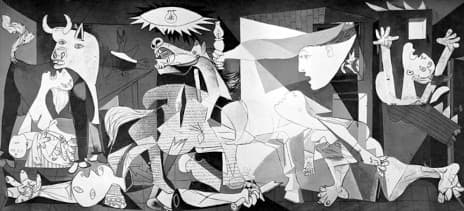
Picasso's mural-sized response to the bombing of the Basque town of Gernika, painted in five weeks in his Paris studio for the Spanish Republic's pavilion at the 1937 World's Fair. Now in the Museo Reina Sofía in Madrid.
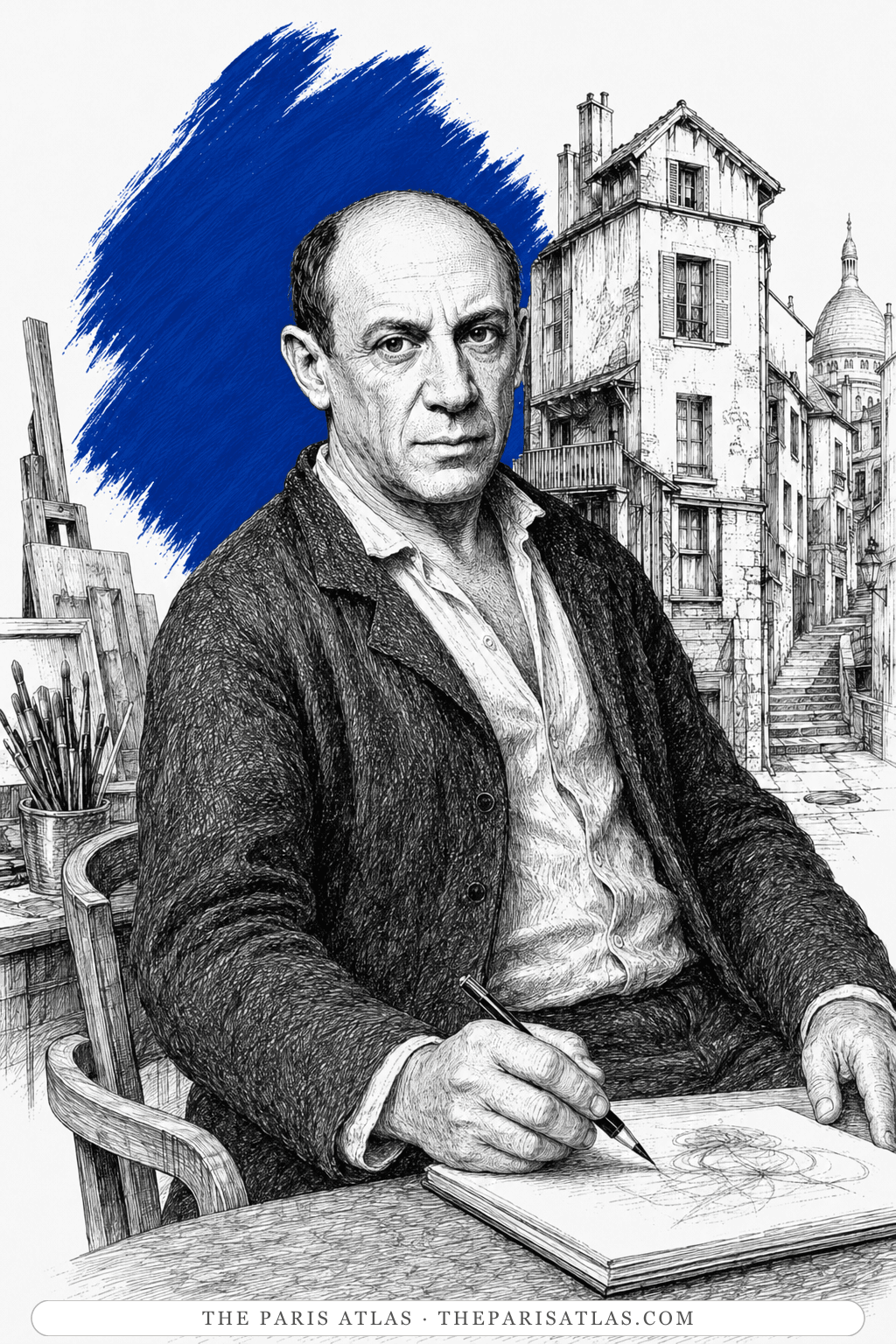
In early 1937 the government of the Spanish Republic, fighting the civil war against Franco, commissioned Pablo Picasso to paint a mural for its pavilion at the Paris World's Fair that summer. For months he had no subject.
On 26 April 1937 German and Italian aircraft flying for Franco bombed Gernika, a Basque market town, on a market afternoon. Reports and photographs reached Paris within days. Picasso began the mural on 1 May.
Picasso painted the canvas in his newly rented studio in the attic of 7 rue des Grands-Augustins, a seventeenth-century hôtel on the Left Bank — a room so low that the eleven-foot canvas had to lean at an angle. He finished on 4 June: five weeks for a painting almost eight metres wide.
Dora Maar photographed the work at each stage, leaving the most complete photographic record of any modern painting's making. The studio had a literary past Picasso enjoyed: Balzac had set his story The Unknown Masterpiece, about a painter destroyed by an impossible picture, in the same building.
There is no aircraft and no bomb. The space is shallow, and the palette is black, white and grey, closer to newsprint than to sky. A bull stands over a screaming woman holding her dead child. A horse convulses around a spear wound; a dismembered soldier grips a broken sword. A woman falls through a burning house, and another rushes in with a lamp, under a bare electric bulb shaped like an eye.
Picasso refused to assign the figures fixed meanings, saying the public should see what it saw. The refusal has kept the painting arguable, and useful, through every war since.
After the fair, Guernica toured Europe and the Americas raising money for Spanish refugees. From 1939 it stayed at the Museum of Modern Art in New York, on Picasso's instruction that it not enter Spain while public liberties there were suppressed. It reached Madrid only in 1981, six years after Franco's death, and has hung since 1992 in the Museo Reina Sofía.
The painting no longer travels: its condition, and its status in Spain, keep it in the Reina Sofía permanently.
Close reading
These six views follow the painting's cries, lights, and broken bodies. The available reproduction is small, so the enlargements clarify the composition rather than individual brushstrokes.
1.Mother and child
The mother's lifted face and open mouth oppose the child's hanging head. Their sharply different directions make grief readable through posture before any symbolic interpretation is needed.
2.The bull
The broad head and pointed horns form a relatively stable shape above the twisting bodies. Its watchful eye introduces a disturbing stillness within the surrounding distress.
3.The wounded horse
The stretched neck pulls upward while the body breaks into angular planes. Short marks across its flank give this large central form a restless texture.
4.Two kinds of light
The jagged halo around the bulb differs from the small flame beside it. Both illuminate the scene, but neither creates a calm or coherent space for the figures beneath.
5.The broken sword
The snapped blade compresses violence into an object small enough to miss in the larger scene. The delicate flower beside it offers a fragile counterpoint without resolving the destruction.
6.Arms raised at the edge
The hands repeat the upward motion of the head and arms at the opposite end. At the edge of the canvas, this gesture helps enclose the whole scene within cries of distress.
Museo Nacional Centro de Arte Reina Sofía
Calle Santa Isabel 52, 28012 Madrid, Spain
The painting arrived in Spain in 1981 and moved to the Reina Sofía in 1992. Displays change, so check the museum's own object record before making a special visit.
Plan your visit on the museum’s official website (opens in a new tab)The Spanish Republic had commissioned a mural from him for its pavilion at the 1937 Paris World's Fair. The bombing of the Basque town of Gernika on 26 April 1937, by German and Italian aircraft flying for Franco, gave the commission its subject. He started painting five days later.
In Paris, in Picasso's studio in the attic of 7 rue des Grands-Augustins, between 1 May and 4 June 1937. The room was barely tall enough: the canvas, three and a half metres high, had to lean at an angle while he worked.
Picasso declined to say, insisting the public should read the picture for itself. The screaming horse at the centre is usually read as the suffering of the people, and the impassive bull as brutality, Spain, or both. But the painting is built to resist a single key: there is no aircraft and no named enemy in it.
In the Museo Reina Sofía in Madrid, since 1992. It reached Spain only in 1981 — Picasso had barred it from entering the country under Franco — and spent the war and postwar decades at the Museum of Modern Art in New York.
349 by 776 centimetres — about 11.5 by 25.5 feet — painted in oil in black, white and greys. The mural format was set by the wall it was made for: the Spanish Republic's pavilion at the 1937 Paris World's Fair.
Created at · 1937
Painted in the attic studio between 1 May and 4 June 1937, with Dora Maar photographing the stages. The Reina Sofía's Rethinking Guernica archive documents the studio and the five-week timeline.

Associated with · 1937
Pablo Picasso painted Guernica in Paris between May and June 1937, after German and Italian aircraft supporting Franco bombed the Basque town on 26 April. Nearly eight metres wide and worked only in black, white and grey, it became an internationally circulating image of civilian suffering.
Explore painters from the same movements and circles.
The century's quietest revolutionary — readymades, the abandonment of painting, chess on a Paris rooftop in Entr'acte, and one anemic film of spinning puns signed Rrose Sélavy.
View artist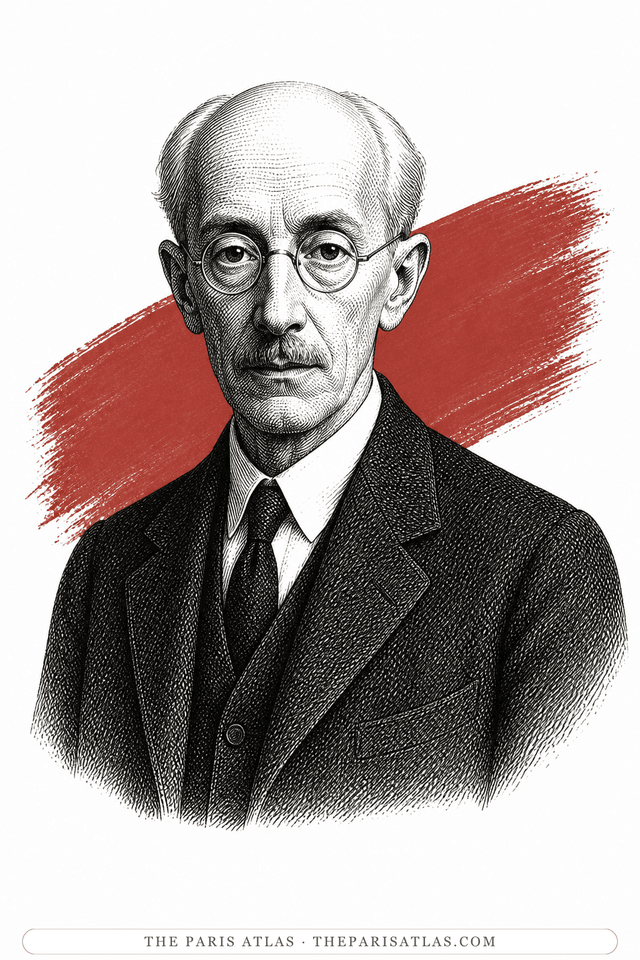
Dutch painter of the primary-colour grids, made mostly in a studio beside the Gare Montparnasse where he lived on and off from 1912 to 1938. He dropped an 'a' from Mondriaan on arriving in Paris, painted his studio walls in movable rectangles, and danced the Charleston.
View artist
Brazilian painter who spent the 1920s moving between São Paulo and Paris, studied Cubism under André Lhote, Albert Gleizes and Fernand Léger, and used what she learned to paint Brazilian towns, railways, plants and bodies. Her 1928 painting Abaporu prompted the manifesto that gave the Anthropophagic movement its name.
View artistThe sources below include collection records, catalogues, scholarly research, and primary materials that informed this page. They document Guernica, its making, and its place in cultural history.

Web source consulted for documented facts and historical context presented on the Guernica page.
Web source consulted for documented facts and historical context presented on the Guernica page.
Web source consulted for documented facts and historical context presented on the Guernica page.
Web source consulted for documented facts and historical context presented on the Guernica page.
These references provide the documented foundation for this work's history and interpretation. Claim-level citations remain attached to the specific claims they support.
 Explore more resources