
Black Spring
The source of the dream passage and the ordinary typographic version against which this object works.
Read our take
by Henry Miller
A Black Spring dream rewritten by hand and carried across eighty silkscreened pages by Bezalel Schatz.
A 1947 artist’s book made by Henry Miller and Bezalel Schatz. Miller rewrote a dream passage from Black Spring in his own hand; Schatz designed and silkscreened the text, color, images, cloth binding, and book as a whole. The edition announced 800 signed copies, although bibliographic accounts suggest far fewer were originally bound. It is less a reprint than a duet between handwriting and abstract color — a rare case where the physical book is the interpretation. (Dream prose — nothing to spoil.)
The words come from the dream section “Into the Night Life” in Black Spring. Its speaker moves through the compressed logic of sleep: the mind as Coney Island, a father at a window with a rusted razor, the request for worms and fishing, and images that recur without submitting to an ordinary plot. Miller copied the passage by hand for this edition, making the shape of every word part of the page.
Everything around that handwriting belongs to Bezalel Schatz’s design. The Morgan Library’s record describes the volume as entirely a serigraph or silkscreen creation except for Miller’s text. Across roughly eighty pages, printed color and abstract forms do not illustrate the dream literally; they provide its rhythm, interruption, and visual pressure.
Miller and Schatz conceived the object at Big Sur and produced it in Berkeley. The colophon limited the sole edition to 800 numbered and signed copies, but the project’s difficult production and storage history meant that only a portion were initially bound. Surviving copies therefore sit as much in rare-book and museum collections as on readers’ shelves.
A handwritten dream monologue taken from Black Spring drifts through night, memory, family, and the restless machinery of the mind. Its most concrete recurring scene places the speaker before his father, who stands by a window with a rusted razor and asks for worms so they can go fishing.
Schatz’s silkscreen forms turn the passage into visual movement. Color fields, transparent leaves, abrupt shapes, and the variable scale of Miller’s script control the pace; the reader handles a sequence of designed surfaces rather than a conventional illustrated chapter.
The garden bench offers no secure return to waking life. It follows a succession of altered identities and landscapes, so the announcement of awakening becomes another transition inside the dream. On the photographed leaf, enlarged handwriting poses a question about remembering what has vanished before the smaller script reaches the frozen garden. That contrast makes memory an urgent interruption rather than a settled account. The bench, train whistle and pale paths supply sharp sensations without explaining where the speaker belongs. Concrete detail gives the scene intensity, not the reassurance of a stable world.
The oceanfront games turn amusement into mechanical persistence: balls keep rolling, goods accumulate, and people seem enclosed within a world of stalls and manufactured things. Yet the street itself has the flimsy substance of stage scenery. The passage brings compulsive activity together with an environment that cannot promise solidity. Its subsequent inventory of possessions gives way to objects drying out and an ocean moving through their depths. Dream logic exposes a contradiction between accumulation and impermanence: having more things offers no protection against the world becoming strange.
Miller supplies the handwriting and dream text; Schatz supplies the visual grammar that makes it a different work from the Black Spring chapter.
Color and abstract form make the reader slow down, turn, and re-enter sentences that race differently in ordinary type.
Conceived without a conventional publisher and realized through sixteen months of labor, it belongs to the history of artists making the book itself their medium.

The dream’s most concrete human figure: Miller’s father at the window with a rusted razor, asking for worms so they can go fishing.
1936
The dream passage first appears in Black Spring.
1945–1947
Miller and Bezalel Schatz develop the artist’s book, conceived at Big Sur and produced in Berkeley.
1947
The numbered, signed silkscreen edition is issued.
The source of the dream passage and the ordinary typographic version against which this object works.
Read our take
Another case where Miller turns visual process into literature and later book design.
Read our take
The California-era conversation about abstraction that forms the collaboration’s artistic background.
Read our takeHenry Miller supplied the handwritten text and Bezalel Schatz created the book’s silkscreen design and imagery; both signed the 1947 edition.
No. Its words come from a dream passage in Black Spring, rewritten in Miller’s hand for the artist’s book.
The colophon announced 800 numbered copies, but bibliographic accounts suggest that fewer than 200 were originally bound, with additional surviving sheets bound later.
Because the entire physical and visual construction — silkscreen imagery, color, pacing, and binding design — is his work around Miller’s handwritten passage.
The artist’s book was produced by silkscreen, bringing Miller’s text and Bezalel Schatz’s visual design together on the printed pages.
Explore authors with a similar voice, perspective, and influence.
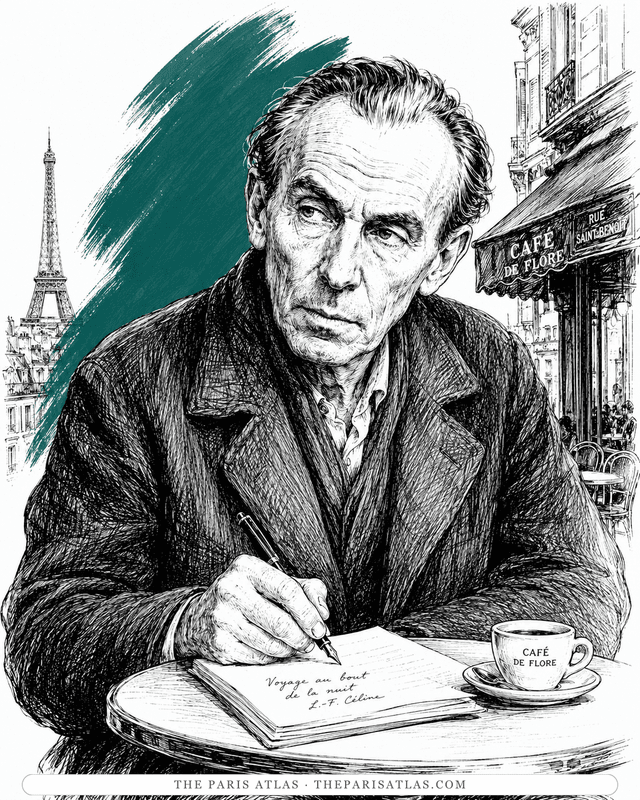
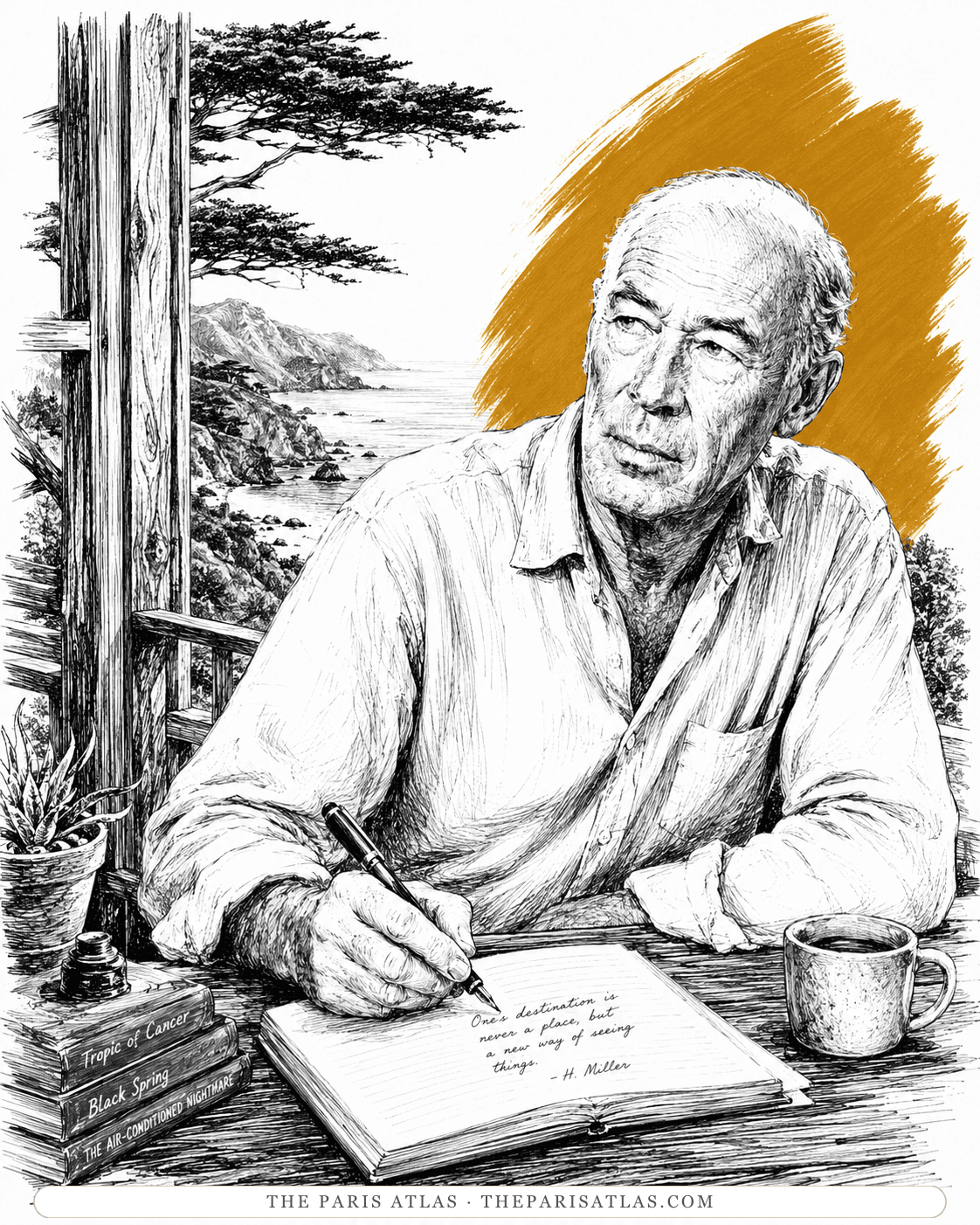
Miller's acknowledged master at making literature out of the gutter. Journey gave him permission; Cancer is what he did with it.
View author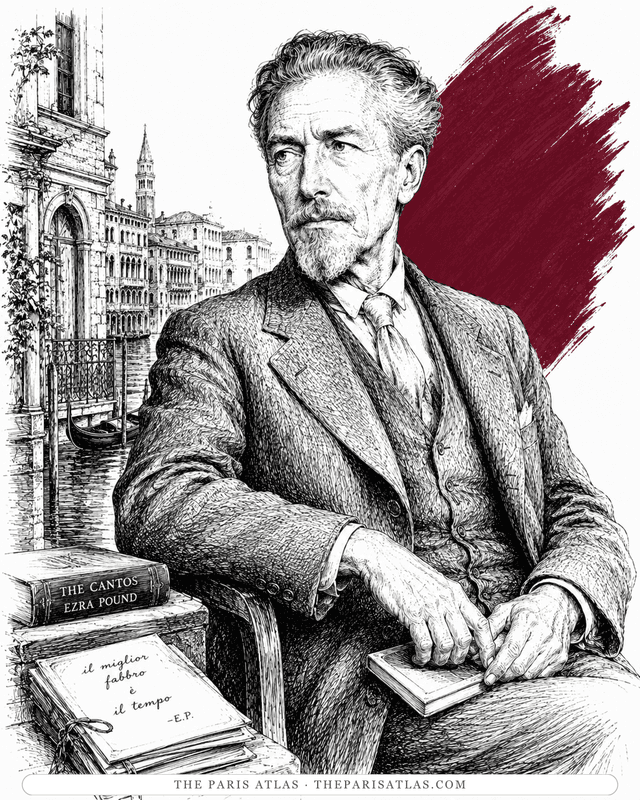
Pound read Cancer and sent Miller a famously backhanded postcard. Both believed literature's job was to wake the reader by any means necessary.
View author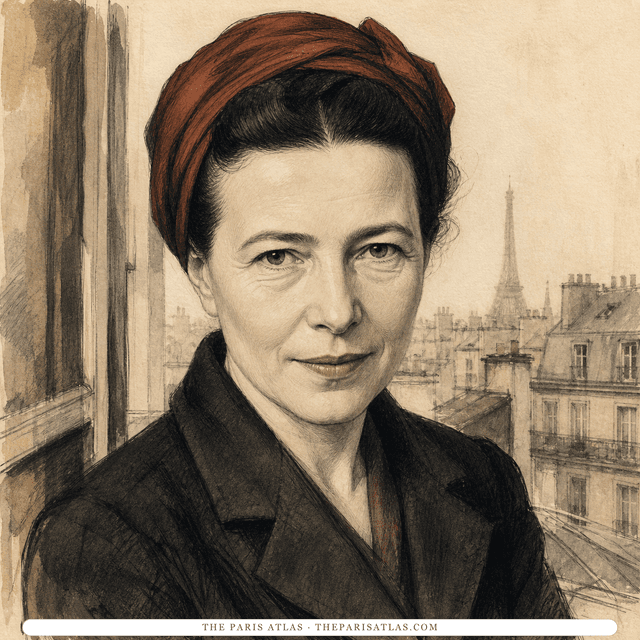
French writer and philosopher whose novels, memoirs, and social analysis examined freedom, gender, responsibility, aging, and the material conditions that shape a life.
View authorThe sources below include the primary text, editions, scholarship, archival materials, and other records that informed this page. They document Into the Night Life, its publication, and its place in literary history.


Official record used to verify names, dates, institutional details, or other factual information on this page.

Web source consulted for documented facts and historical context presented on the Into the Night Life page.
Primary text included as part of the documented record for Into the Night Life.
Official record used to verify names, dates, institutional details, or other factual information on this page.
The new readings use photographs of selected leaves catalogued as the 1947 edition, not an assumed word-for-word reproduction of Black Spring. The complete artist's book was not collated, and the retained illustrations are original interpretations rather than reproductions of Schatz's designs.
The primary text is the baseline reference for every book page. Additional references document publication history, interpretation, and historical context where that evidence is available.
 Explore more resources