

The Amazing and Invariable Beauford Delaney
Another artist portrait built from friendship.
Read our take
by Henry Miller
A richly made tribute to the painter Hans Reichel, where friendship, abstraction, order, and improvisation converge.
Order and Chaos Chez Hans Reichel is Henry Miller’s tribute to the German painter Hans Reichel, a friend from his Paris years. Loujon Press issued the essay in Tucson in 1966 as an elaborate illustrated limited edition, with an introduction by Lawrence Durrell and multiple signed states. Miller reads Reichel’s small, luminous abstractions as evidence that disciplined order and creative chaos can occupy the same field.
Miller remembers Reichel as both person and maker, connecting the intimacy of the studio to the metaphysical reach of the paintings.
The book’s lavish construction is part of its argument. Loujon’s typography, papers, reproductions, and signed variants turn a critical remembrance into an artist book in its own right.
Order and Chaos Chez Hans Reichel began as a manuscript written and illustrated for the painter Hans Reichel in 1937–1938. Reichel was part of Miller’s Paris artistic circle. The address to a particular friend gives the work a more intimate starting point than a public treatise explaining art to an anonymous audience.
The mixture of writing and drawing is integral to that address. Miller does not appear only as a novelist borrowing a painter’s reputation: he is also making a visual object for someone with whom artistic practice is a shared concern.
UCLA’s Miller papers preserve evidence of the original work and the later publication process. The finding aid identifies a typescript containing the original text, a postscript, and a French section. It also records the photocopy of the manuscript used for the Loujon edition.
This matters because the published book has more than one historical layer. Its Paris origin belongs to the 1930s; its elaborate small-press presentation and Lawrence Durrell’s introduction belong to the 1960s. Durrell is a contributor to that later framing, not the recipient of Miller’s original manuscript.
Loujon Press published the book in Tucson in 1966. Its material design makes the distinction between manuscript and ordinary typeset text unusually visible. Reproductions of handwriting and drawings preserve aspects of the gift that a plain transcription would lose.
The publication can therefore be approached both as a record of friendship and as an example of ambitious independent bookmaking. Its title should not be reduced to a promise of a systematic philosophical argument. The object itself puts different forms of expression together: private address, image, retrospective additions, and an introduction by another writer.
A passage reproduced by the University of Puget Sound's library turns an expected opposition inside out. Miller treats death as something people have learned to accommodate, then asks why living fully remains so difficult. The reversal shifts attention from fear of an ending to the habits that limit life before that ending. It is a provocation within the tribute, not evidence that death is easy or a settled philosophy of how to live.
The same excerpt moves from claims about people in general to questions addressed to a single 'you'. The change of address matters in a work first made for Reichel: a private gift can put a question to later readers without ceasing to be personal. Miller ends the reproduced passage by asking who that addressee is. Its unanswered turn interrupts his pronouncements, leaving identity less orderly than the earlier assertions sound.
Miller’s knowledge of Reichel’s life gives the paintings emotional and philosophical context.
The press made the tribute one of Miller’s most distinctive physical books.
The illustrated Loujon edition carries the personal tribute into the book’s physical presentation, making its form part of the reading experience.
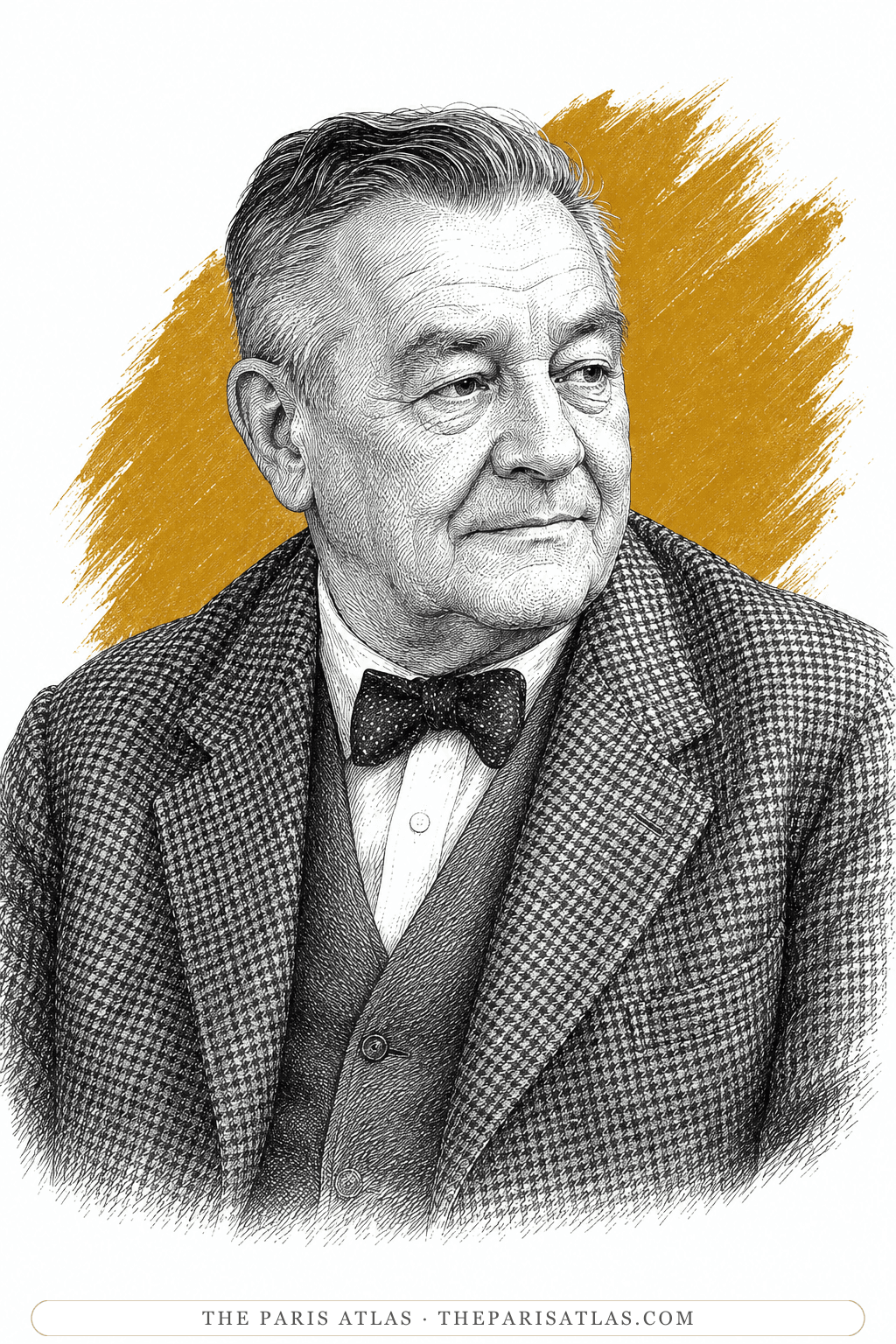
The German painter and Paris friend whose intimate abstractions are the book’s subject.
1930s
Miller and Reichel know one another in Paris.
1937–1938
Miller writes and illustrates the manuscript for Reichel, the personal gift behind the later Loujon edition.
1966
Loujon Press publishes the illustrated tribute in Tucson.
Another artist portrait built from friendship.
Read our take
Miller’s tribute to a second artist-friend and unconventional maker.
Read our take
A German painter associated with modern abstraction and a friend of Miller’s in Paris.
Lawrence Durrell contributed the introduction.
Loujon Press produced it as an elaborate illustrated limited book in several signed states.
Loujon Press published it in Tucson, with an introduction by Lawrence Durrell.
Its origins lie in material Miller made for Hans Reichel during their Paris friendship, before the later Loujon edition.
Explore authors with a similar voice, perspective, and influence.
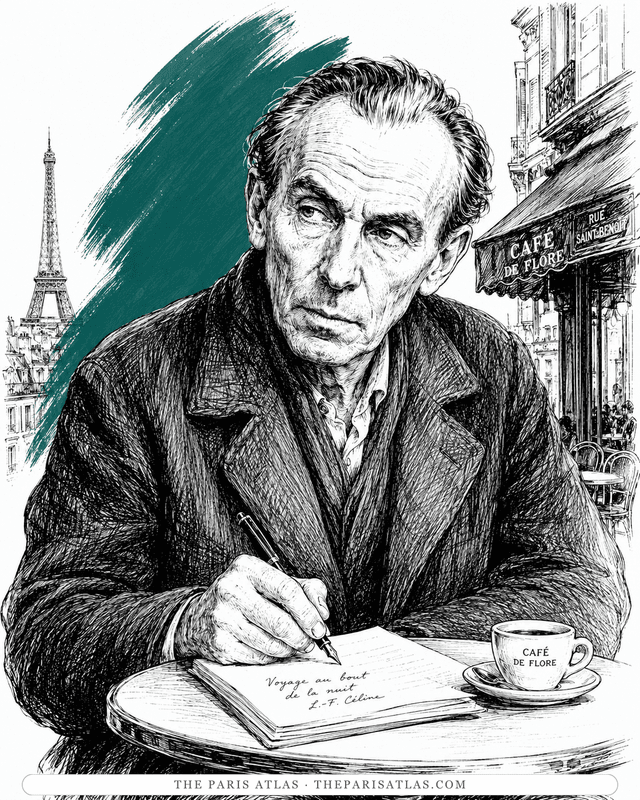
Miller's acknowledged master at making literature out of the gutter. Journey gave him permission; Cancer is what he did with it.
View author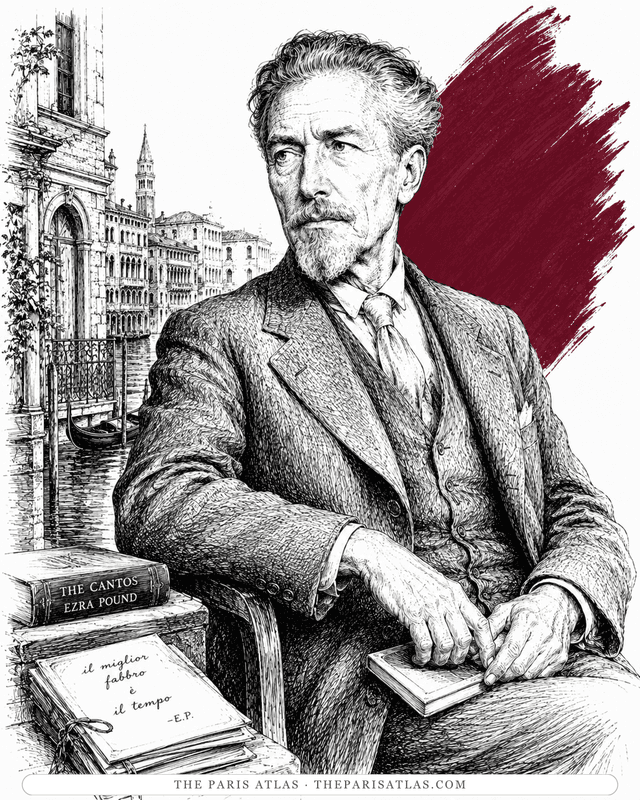
Pound read Cancer and sent Miller a famously backhanded postcard. Both believed literature's job was to wake the reader by any means necessary.
View author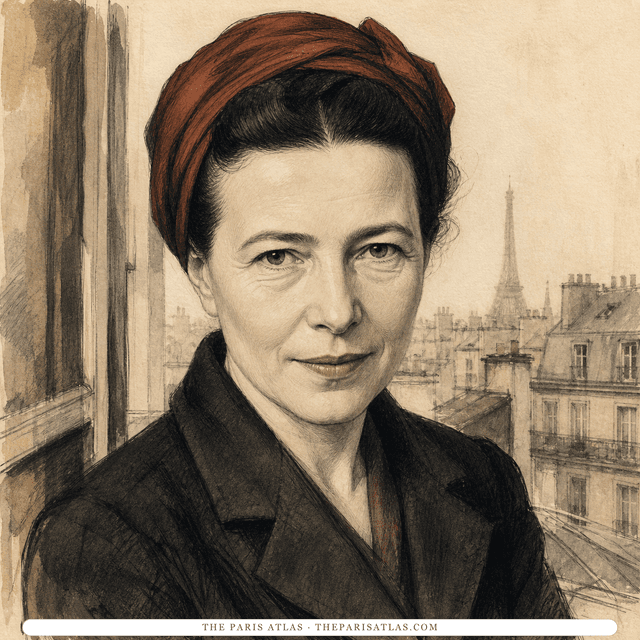
French writer and philosopher whose novels, memoirs, and social analysis examined freedom, gender, responsibility, aging, and the material conditions that shape a life.
View authorThe sources below include the primary text, editions, scholarship, archival materials, and other records that informed this page. They document Order and Chaos Chez Hans Reichel, its publication, and its place in literary history.


The primary text represented by this page, used for descriptions of the work’s contents and for any quoted passages shown here.
Archival evidence used to document the historical record connected to Order and Chaos Chez Hans Reichel.
Official record used to verify names, dates, institutional details, or other factual information on this page.

Biographical evidence used to verify chronology, relationships, and historical context connected to Order and Chaos Chez Hans Reichel.
Biographical evidence used to verify chronology, relationships, and historical context connected to Order and Chaos Chez Hans Reichel.
Archival evidence used to document the historical record connected to Order and Chaos Chez Hans Reichel.
University library archive description reproducing one passage from the book; used only for the new reading of death, life and address.
The primary text is the baseline reference for every book page. Additional references document publication history, interpretation, and historical context where that evidence is available.
 Explore more resources