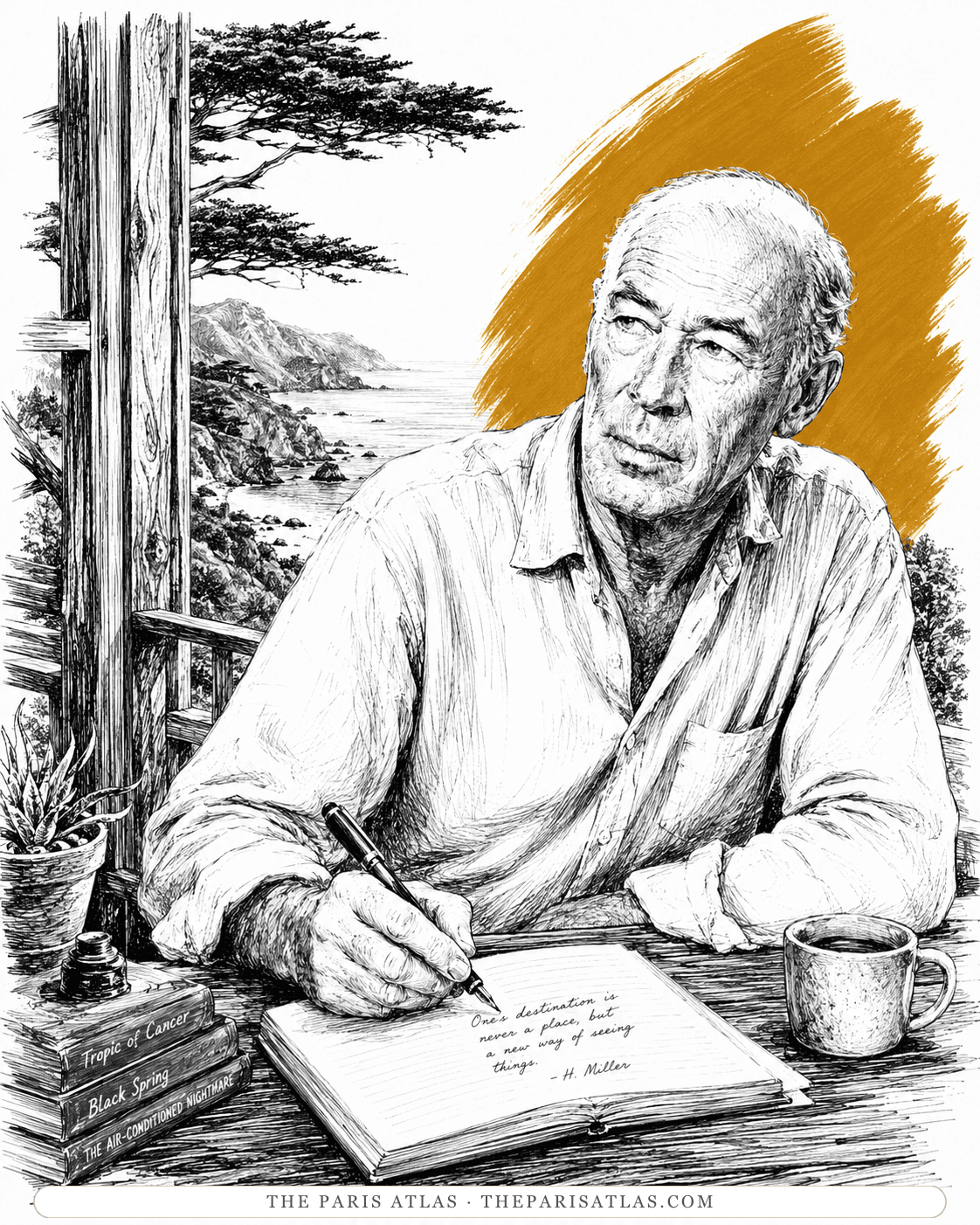


Varda, the Master Builder
by Henry Miller
Miller salutes Jean Varda—painter, collagist, host, and floating-world architect of an improvisational California life.
- 1947
- Exuberant
- Atmospheric
- lyrical
- autobiographical
- voice-driven
About Henry Miller
The story, briefly
Spoiler-freeVarda, the Master Builder is Henry Miller’s portrait of Jean ‘Yanko’ Varda, the artist, collagist, and legendary host associated with the Sausalito waterfront. George Leite published the separate Circle Editions chapbook in Berkeley in 1947. Miller presents Varda’s boats, rooms, gatherings, and artworks as parts of one continuous construction: a life built against routine. The essay also opens Remember to Remember.
The story, in more detail
Miller’s ‘builder’ makes more than objects. Varda assembles dwellings, vessels, collages, friendships, and occasions, turning hospitality into an artistic medium.
The portrait belongs to Miller’s recurring defense of creators who make a complete style of life outside conventional institutions. Its separate small-press issue and collection placement helped make Varda one of Miller’s emblematic artist-friends.
Themes and analysis
The artist and his surroundings
Miller’s subject is Jean, or Yanko, Varda, the artist whose hospitality and way of living impressed him as much as his pictures. The portrait belongs to Miller’s recurring search for people who make a creative life possible within an inhospitable society.
The title’s builder is not simply an architect with a list of commissions. Miller attends to the making of an environment: space, company, work, and the pleasure of welcoming visitors. The artist’s life becomes part of what Miller wants readers to notice.
A portrait from the early California years
Varda met Miller in California in 1943 and encouraged his interest in the coast. The essay appeared in the Berkeley magazine Circle before its separate 1947 publication. This chronology is important: it precedes Varda’s later residence on the Vallejo ferryboat in Sausalito.
Later stories about the boat and its celebrated visitors should not be inserted into this earlier essay as though Miller had already witnessed them. The work records an earlier encounter with Varda, even though the artist’s subsequent life made its emphasis on hospitality seem particularly apt.
Tribute rather than detached criticism
The essay is an act of admiration. Miller treats Varda as someone whose example might restore other people’s appetite for making things. That purpose differs from a critical catalogue comparing periods of an artist’s work or evaluating each exhibited picture.
The separate book and its appearance in Remember to Remember connect the portrait with Miller’s other accounts of creative friends. The Amazing and Invariable Beauford Delaney makes a useful companion: each gives an artist’s personality a central place, while remaining Miller’s partial and affectionate view of another person.
In a passage reproduced by Sarah Poisner, Miller praises Varda for seeing possibilities in his friends that others overlook. He describes this attention as light: even an inconspicuous person or animal can reflect Varda's faith and enthusiasm. The image makes his artistry a way of looking at others, not just a capacity to produce pictures. It also reveals how the praise works. The brightness belongs first to Varda, and those around him become its reflections. Within this passage, celebrating other people's potential is also a way of magnifying the exceptional friend at the center of the tribute.
Why we recommend it
A whole life as collage
Boats, art, conversation, and hospitality become parts of Varda’s single improvisational practice.
Miller in celebratory mode
The prose is at its warmest when describing a friend who seemed to live beyond ordinary constraint.
A portrait within an artistic community
The essay introduces Jean Varda through Miller’s California circle, giving readers a personal connection to an artist less widely known than Miller.
What this book explores
The people in its pages
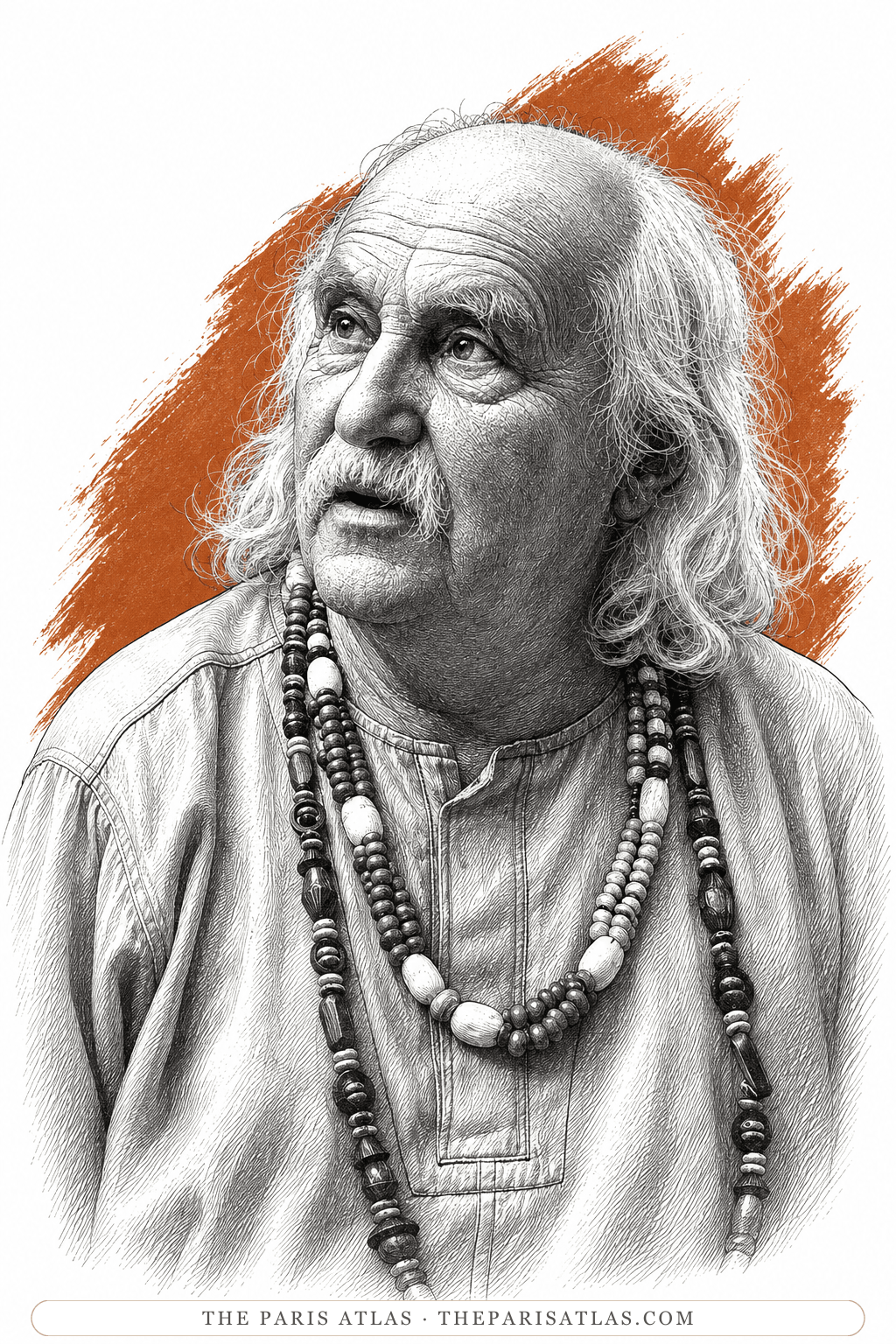
Jean Varda
The artist and host whose collages, boats, dwellings, and gatherings inspire Miller’s portrait.
Timeline
1943
Miller meets Varda in California, beginning the friendship behind the essay.
Before the 1947 chapbook
The portrait appears in George Leite’s Berkeley magazine Circle.
1947
Circle Editions publishes the separate chapbook; the essay also opens Remember to Remember.
Book editions
Paperback
- Paperback
- Circle Editions
- 1947
Hardcover
- Hardcover
- New Directions
- 1947
Reader reviews
Readers may also like

The Amazing and Invariable Beauford Delaney
Another portrait of an artist-friend living beyond American convention.
Read our take
Varda, the Master Builder: frequently asked questions
Who was Jean Varda?
A painter and collagist known for his bohemian life, boats, and hospitality around the San Francisco Bay.
When was the essay published separately?
Circle Editions issued it in Berkeley in 1947.
Where else does it appear?
It is the opening piece in Remember to Remember.
Does master builder mean that Varda was an architect?
The title belongs to Miller’s portrait of the artist Jean Varda, rather than to a study of an architectural practice.
Who issued the separate chapbook?
George Leite’s Circle Editions published it in Berkeley in 1947.
If you like Henry Miller
Explore authors with a similar voice, perspective, and influence.
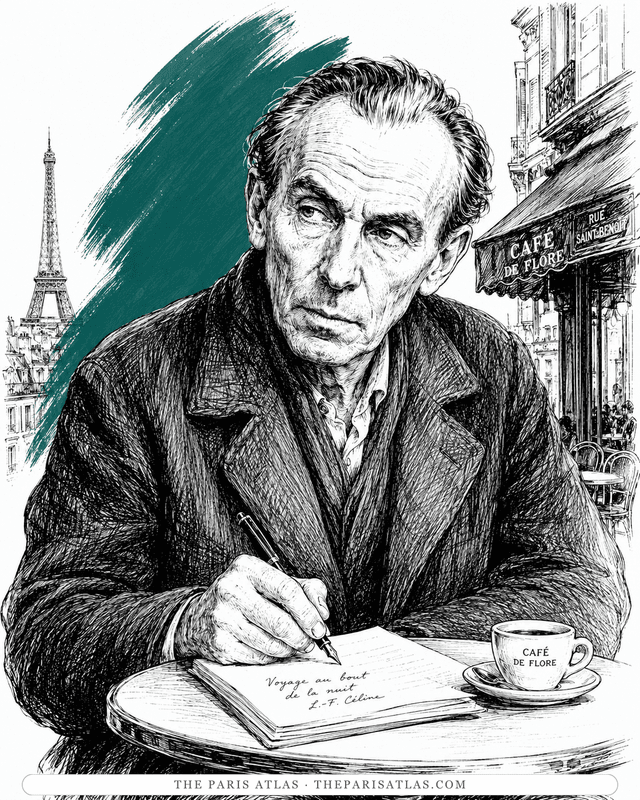
Louis-Ferdinand Céline
Miller's acknowledged master at making literature out of the gutter. Journey gave him permission; Cancer is what he did with it.
View author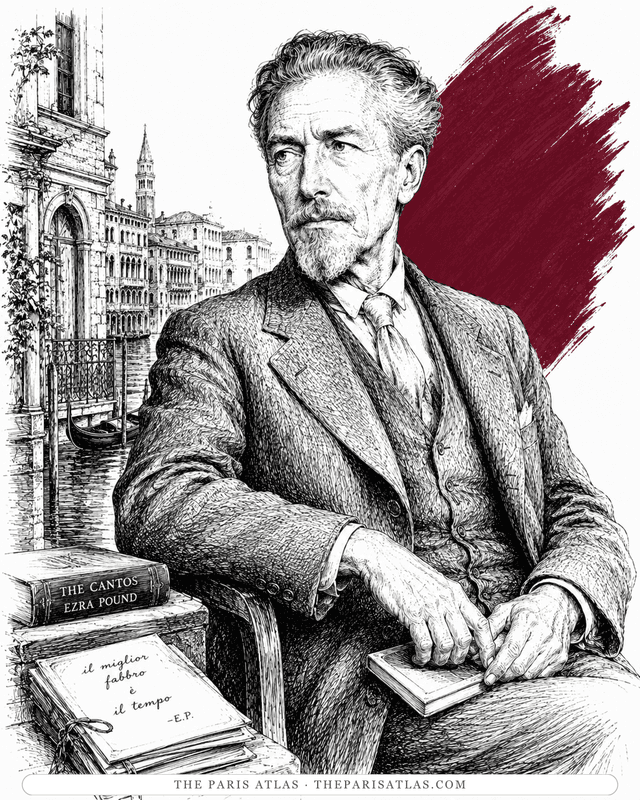
Ezra Pound
Pound read Cancer and sent Miller a famously backhanded postcard. Both believed literature's job was to wake the reader by any means necessary.
View author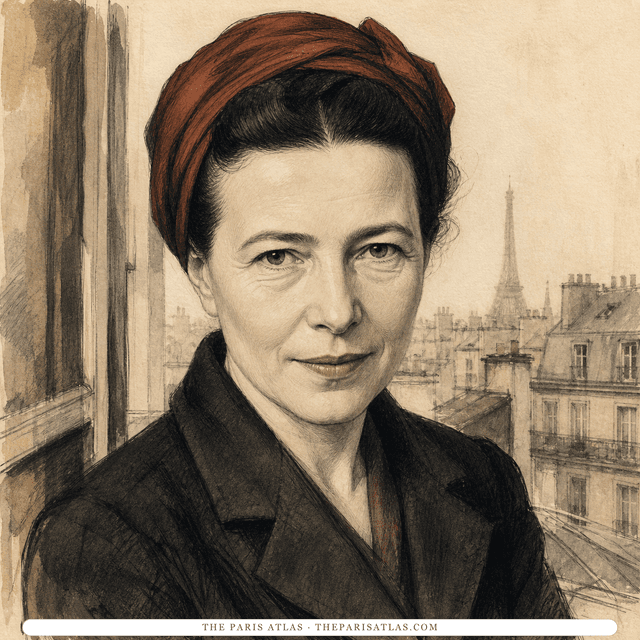
Simone de Beauvoir
French writer and philosopher whose novels, memoirs, and social analysis examined freedom, gender, responsibility, aging, and the material conditions that shape a life.
View author
References
References
The sources below include the primary text, editions, scholarship, archival materials, and other records that informed this page. They document Varda, the Master Builder, its publication, and its place in literary history.


1Varda, the Master Builder
EssaysHenry Miller, 1947Used forThe primary text represented by this page, used for descriptions of the work’s contents and for any quoted passages shown here.

2Varda and Circle — California artistic networks
WebsiteThe Space Between / University of Southern California ScalarUsed forWeb source consulted for documented facts and historical context presented on the Varda, the Master Builder page.
3Varda: The Master Builder — printed-book record
Official recordThe Morgan Library & MuseumUsed forOfficial record used to verify names, dates, institutional details, or other factual information on this page.
4Jean Varda biography
ArchiveJean Varda ProjectUsed forArchival evidence used to document the historical record connected to Varda, the Master Builder.
5The Happiest Man Alive: A Biography of Henry Miller
BiographySimon & Schuster, 1991Used forBiographical evidence used to verify chronology, relationships, and historical context connected to Varda, the Master Builder.
6Henry Miller: A Life
BiographyW. W. Norton, 1991Used forBiographical evidence used to verify chronology, relationships, and historical context connected to Varda, the Master Builder.
7Jean Varda: Renaissance Man — gallery essay with a quoted Henry Miller passage
WebsiteJohn Natsoulas GalleryUsed forFor the reading of Miller's light metaphor: a passage reproduced in Poisner's gallery essay, not an independently inspected complete edition of Miller's portrait.
i
Why these sources are here
The primary text is the baseline reference for every book page. Additional references document publication history, interpretation, and historical context where that evidence is available.
 Explore more resources