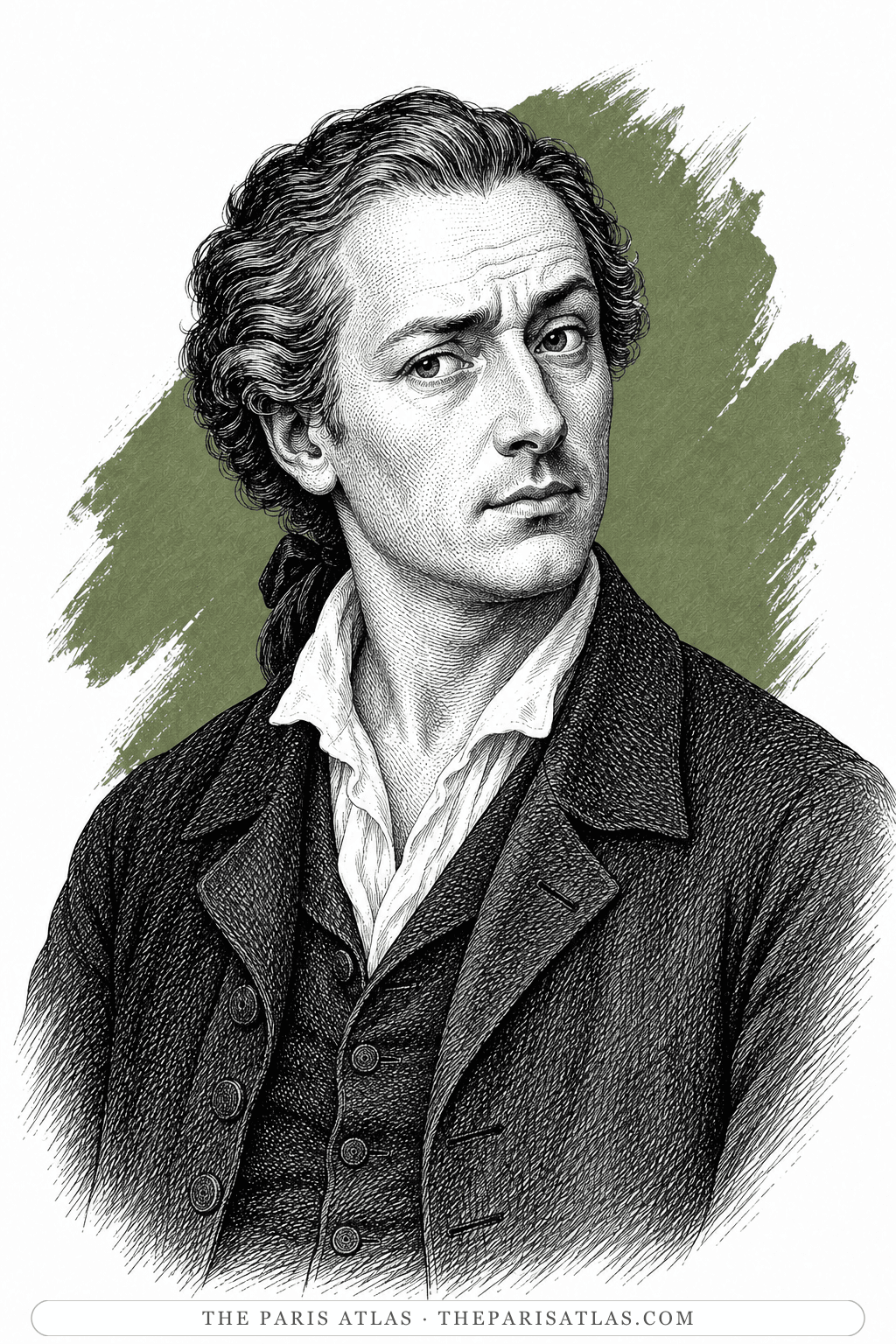
Speaker A in Liberty
The questioner who defines freedom through what a person has the power to do.
The book

Who they are in the book
Spoiler-freeA is the questioner in the dialogue within Voltaire's article Liberty. The speaker leads B through examples intended to separate wanting something from having the power to do it. A's position is that a desire has causes, while freedom of action consists in being able to carry out that desire.
What the cannon example is meant to establish
A begins with a battery of guns. B cannot choose not to hear the noise, and cannot sincerely want the destruction of a loved family. B can, however, move away from danger. A uses those differences to distinguish an unavoidable sensation, a desire produced by circumstances, and an action that the person has the power to perform.
The example becomes sharper when A imagines someone unable to walk. The wish for safety would remain, but the power to act on it would disappear. A locates liberty in the available action. The definition does not require the desire for safety to arise independently of a cause.
Why A brings a dog into the argument
B objects that the definition would make a hunting dog free too: the dog wants to chase a hare and can run if its legs permit it. A accepts the comparison. Human beings may possess more extensive powers of thought, but that difference need not give their willing a completely different structure.
The exchange also reveals A's combative manner. The questioner mocks B's concern about being compared with an animal and attacks the teachers behind that concern. The ridicule makes an inherited assumption look ridiculous. It does not, by itself, prove the proposed definition, so a careful reader should separate A's argument from A's ability to dominate the conversation.
An explanation is not the same as a conscious motive
B next appeals to the familiar idea that people can wish whatever they please. A asks what it would mean to choose the wish before having it. The dialogue then moves to marriage, where B can name reasons for a preference, and a game of odds and evens, where the reason may not be evident.
A insists that a choice still has a cause even when the person cannot identify it. That is a central premise of the argument. The game does not independently demonstrate the hidden cause; A reasons that an uncaused choice would be an effect without a cause. Readers who question that premise have located a substantive disagreement rather than merely misunderstood the definition.
A persuasive voice in a philosophical experiment
The alphabetical name keeps A's intellectual role more prominent than any personal history. Guns, dogs, marriage, and small arbitrary choices are successive tests. They should not be assembled into a biography of a man taking one continuous walk with a married companion who then plans another wedding.
A makes an abstract dispute readable by demanding examples and resisting slogans. Yet the final exchange leaves B considering the argument rather than declaring every difficulty solved. The dialogue invites a reader to continue that examination: what kind of freedom does this definition explain, and what stronger kind of freedom might it leave unaccounted for?
Sources and passages
- Voltaire, Liberty
Primary text: H. I. Woolf's 1924 translation, hosted by Hanover College. Follow the dialogue from the cannon through the dog, marriage, and odds-and-evens examples.
How Speaker A in Liberty Is Portrayed
- Beginning with a concrete situationA asks whether B can avoid hearing nearby gunfire. The example separates an involuntary sensation from a chosen action.
- Attention to physical abilityA asks about moving away from danger and imagines paralysis preventing escape. Freedom depends on the capacity to act.
- Testing human claims against an animalWhen B objects that the definition also makes a dog free, A accepts the comparison. He challenges the need for a different kind of freedom.
- Demanding clear languageA asks B to explain familiar sayings about the will. A proverb does not count as an argument for him.
- Asking for reasonsA questions B about marriage and a game of chance. He argues that a wish has causes even when they are hard to identify.
- Separating action from willA’s final distinction allows freedom of action when someone can do what they wish. He denies that wishing itself is free from causes.
If you like Philosophical Dictionary


If you like Voltaire
Explore authors with a similar voice, perspective, and influence.
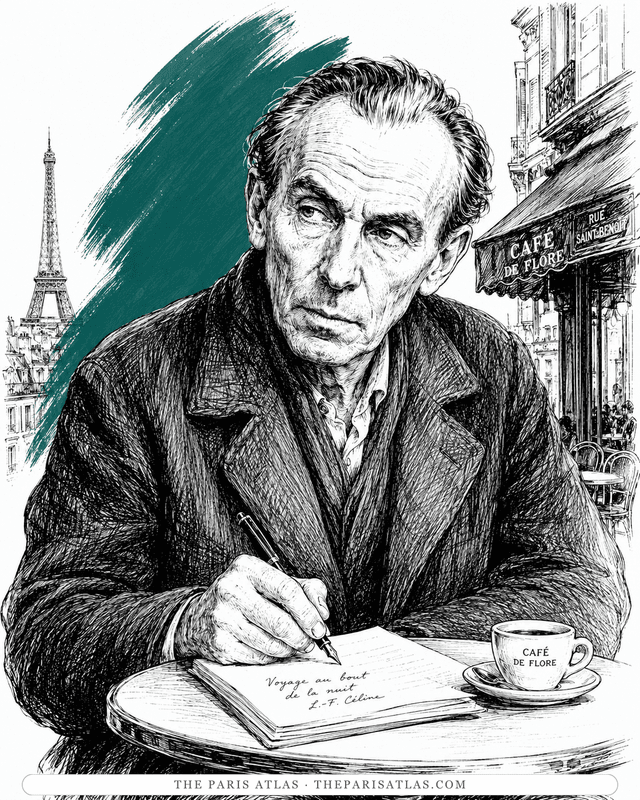
Louis-Ferdinand Céline
The doctor of the Paris slums who wrote the century's blackest, funniest novel — and changed the sound of French prose.
View author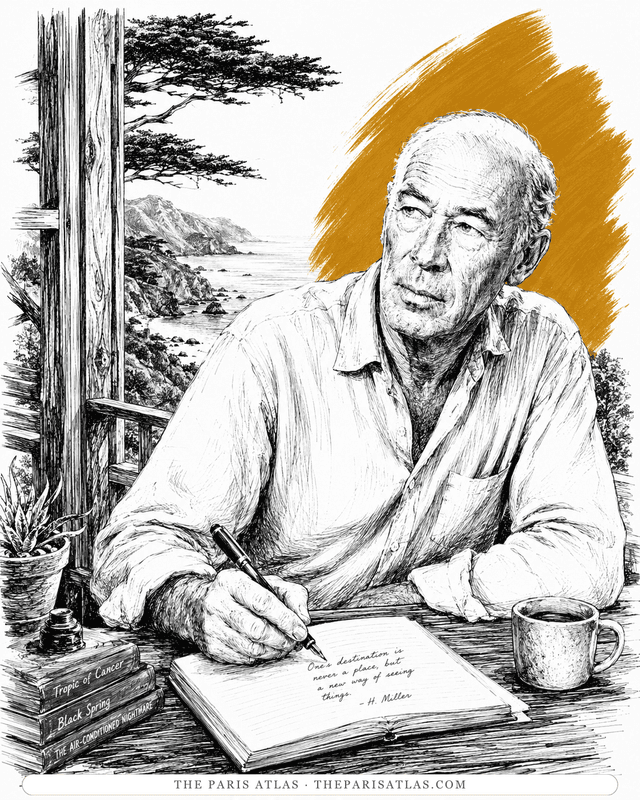
Henry Miller
The Brooklyn dropout who arrived in Paris broke at thirty-eight and wrote the exuberant, banned books that ended American censorship.
View author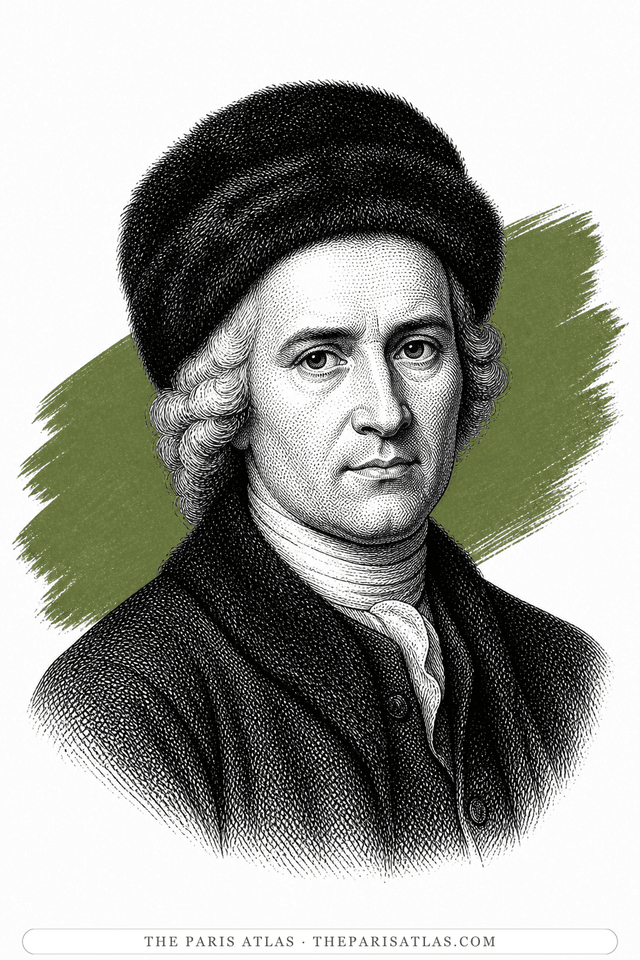
Jean-Jacques Rousseau
The Geneva-born writer who arrived in Paris in 1742 with a new system for writing down music, earned his living copying other people's scores by the page, and then wrote the books — The Social Contract, Émile, the Confessions — that got him chased out of France and, sixteen years after his death, carried into the Panthéon by the Revolution.
View author