

Pulp
Bukowski's last novel: a detective story dedicated to bad writing, finished while he was dying, with Death herself as the client.
- 1994
- Hallucinatory
- Wry
- Elegiac
- funny
- dark
- voice-driven
- plot-driven
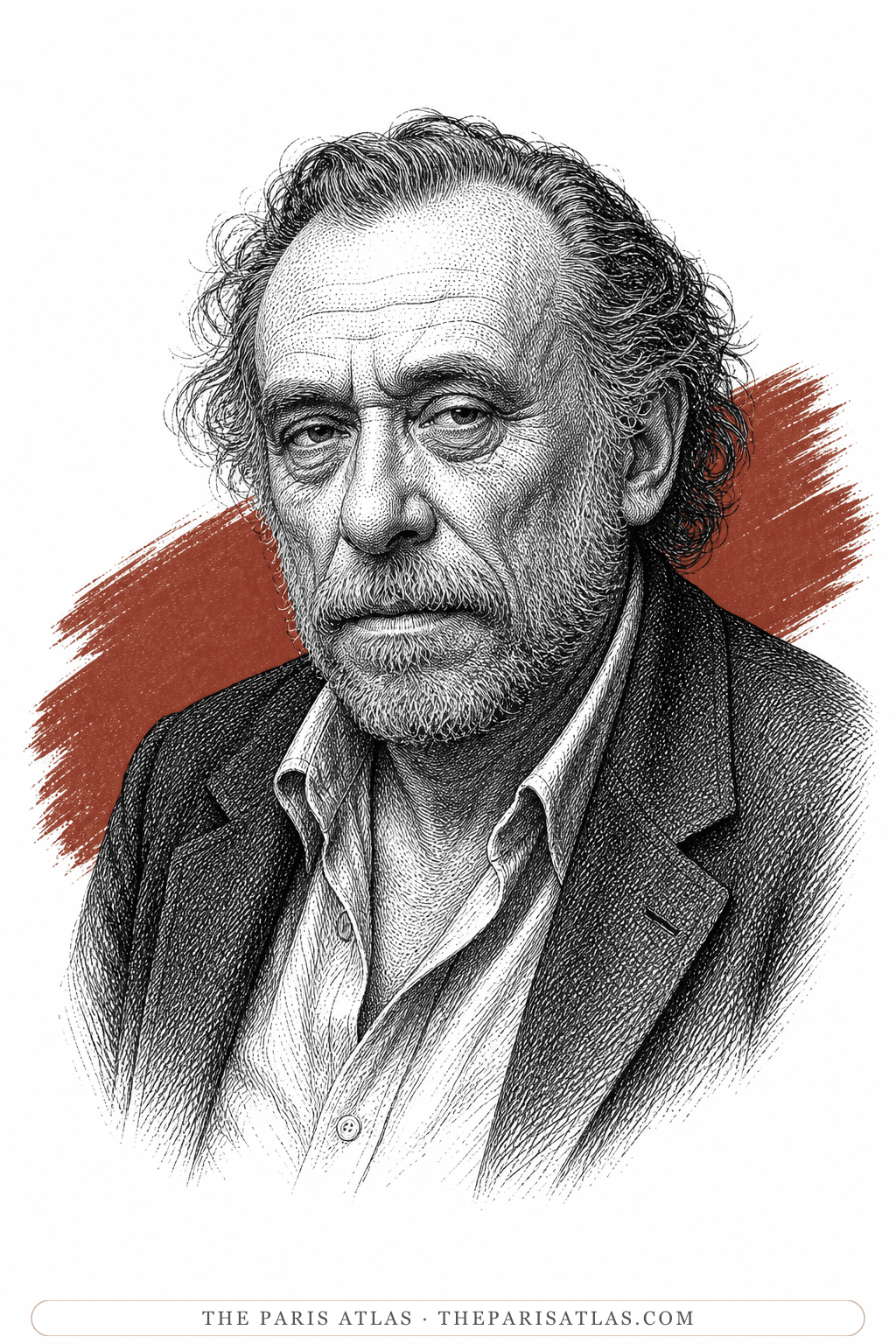
About Charles Bukowski
The story, briefly
Spoiler-freePulp, published by Black Sparrow Press in 1994, is Charles Bukowski's final novel — an eccentric parody of detective fiction written while he was being treated for the leukemia that killed him in March of that year. Nick Belane, the worst private detective in Los Angeles, is hired by a client calling herself Lady Death to track the French writer Céline, supposedly alive and haunting the city's bookstores decades after his death. The dedication reads 'to bad writing,' and the book keeps the joke running to the last page while its real subject — the author's own approaching death — walks openly through the plot.
The story, in more detail
Belane's cases are deliberate nonsense: find Céline for Lady Death, locate a missing space alien, trail an unfaithful wife. The prose parodies every hard-boiled convention Bukowski grew up reading, with the genre's tough-guy fatalism pushed past absurdity.
Underneath, the book is exactly what its circumstances suggest. Death is not a metaphor here but a character with appointments to keep, and the novel's comedy keeps making room for the thing it is actually about. Bukowski finished it as leukemia treatment failed; it was published shortly after he died.
The full plot
Nicky Belane is a broke Los Angeles private detective. A woman calling herself Lady Death hires him to find out whether a man in a local bar is really the French writer Céline, who has been dead for decades. Other clients arrive with cases just as impossible: a missing Red Sparrow, a suspected alien, an unfaithful wife.
The novel is a parody of hardboiled detective fiction, played straight enough that the jokes land as writing rather than as winks. Belane drinks, goes to the track, and takes cases he cannot solve, and the book follows the form of a detective novel while refusing to behave like one.
How it ends — spoilers ahead
Belane's cases converge on death itself. Bukowski was dying of leukemia as he finished the book, and the ending reads differently once that is known.
Themes and analysis
Lady Death's advance
The advance makes an impossible assignment briefly resemble ordinary business. Belane can name an hourly rate and accept a check even when he cannot establish who his client is or how her quarry could still be alive. Money provides a reason to continue without resolving those doubts. Lady Death's need for help also unsettles the balance of power: she can interrupt his questions and fantasies, yet she cannot settle the identity problem herself. Their transaction joins material need to uncertainty rather than introducing a detective securely in command.
The leaking office
Belane uses an overdue tax bill to dry the telephone, turning one demand on him into a makeshift tool for answering another. The gesture condenses the office's disorder into a small, workable action. Before the call, the insistent sound of dripping rain gives way to memories, boasts and doubts rather than investigative progress. Uncertainty about his own name intrudes on his task of identifying Céline. The detective can improvise a repair, but the narration keeps exposing how little control he has over his surroundings or himself.
Why we recommend it
A last novel that behaves like one
Few writers have faced death this directly while refusing to raise their voice about it; the parody is the courage.
The influences take a bow
Céline in the flesh, the pulp magazines of his youth, the racetrack, the city — Bukowski's whole formation walks through the plot on its way out.
Detective conventions put under strain
Nick Belane’s investigation lets Bukowski play with the promises of a mystery even when the client and the case refuse ordinary logic.
What this book explores
The people in its pages
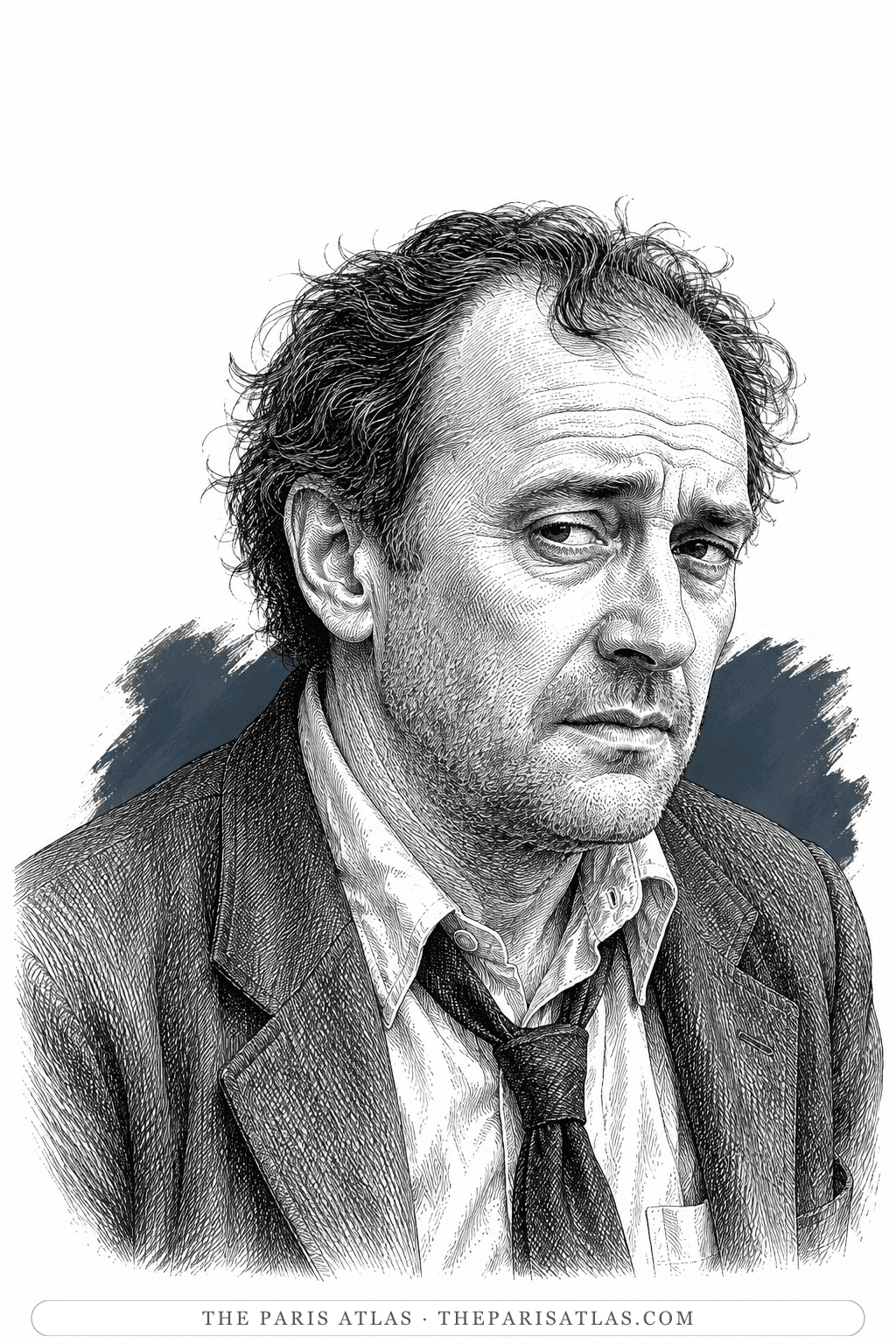
Nicky Belane
A broke Los Angeles private detective, and the narrator — the one Bukowski novel not narrated by Henry Chinaski. He drinks, plays the horses, and takes cases he cannot solve.
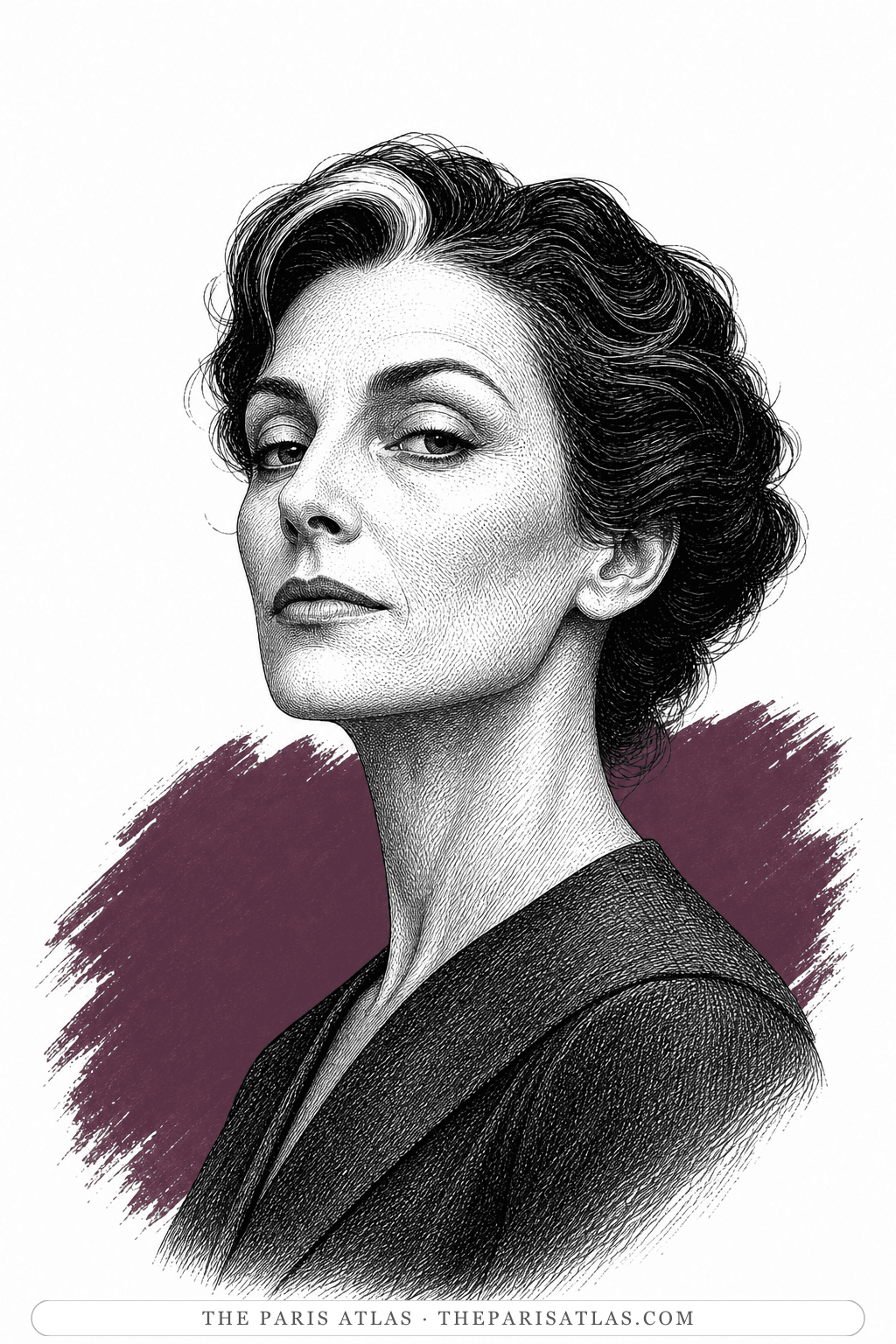
Lady Death
The client who hires Belane to establish whether a man in a bar is the long-dead French novelist Louis-Ferdinand Céline. She is what her name says.
Timeline
1993
Bukowski writes Pulp while undergoing treatment for leukemia.
1994
He dies on 9 March; Black Sparrow Press publishes Pulp shortly afterward.
2007
Ecco publishes a paperback edition of Bukowski’s final novel.
Book editions
Paperback
- Paperback
- Black Sparrow Press
- 1994

- Paperback
- Ecco
- 2007
- 9780061492624
Reader reviews
Readers may also like

Journey to the End of the Night
The Céline the detective is hired to find — and the novel that taught Bukowski disgust could be literature.
Read our take
Pulp: frequently asked questions
What is Pulp by Charles Bukowski about?
Bukowski's last novel is a parody of detective fiction: Nick Belane, the worst private eye in Los Angeles, is hired by a client called Lady Death to find the French writer Louis-Ferdinand Céline, decades dead but reportedly haunting the city's bookstores. Under the joke, the book is about its author's own approaching death.
Is Pulp a good introduction to Bukowski?
No — it is the coda, not the door. It reads best after the Chinaski novels, when the parody of his own fatalism can land.
Did Bukowski know he was dying when he wrote Pulp?
Yes. He wrote and completed the novel during treatment for leukemia and died on 9 March 1994; the book was published shortly after his death.
Why is Pulp dedicated to bad writing?
The dedication announces the method: the novel deliberately performs the clichés of pulp detective fiction — a genre Bukowski grew up on — and pushes them into absurdity on purpose.
Is Henry Chinaski in Pulp?
No. For the only time in his novels, Bukowski set Chinaski aside: the narrator is Nick Belane, a fictional detective, though the city, the humor and the fatalism are unmistakably the same author's.
Why is Pulp different from the other novels?
It is a genre parody rather than autobiography — a hardboiled detective story with a narrator named Nicky Belane, not Henry Chinaski. It is also the last thing Bukowski wrote.
What is the dedication?
"To bad writing." Bukowski was finishing the novel during the leukemia that killed him in March 1994.
If you like Charles Bukowski
Explore authors with a similar voice, perspective, and influence.
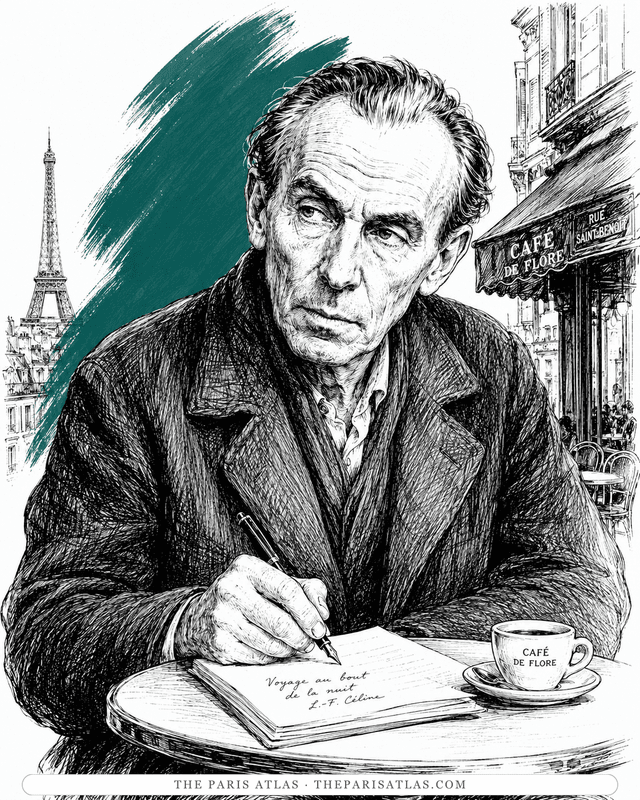
Louis-Ferdinand Céline
The doctor of the Paris slums who wrote the century's blackest, funniest novel — and changed the sound of French prose.
View author
Henry Miller
The Brooklyn dropout who arrived in Paris broke at thirty-eight and wrote the exuberant, banned books that ended American censorship.
View author
Simone de Beauvoir
French writer and philosopher whose novels, memoirs, and social analysis examined freedom, gender, responsibility, aging, and the material conditions that shape a life.
View author
References
References
The sources below include the primary text, editions, scholarship, archival materials, and other records that informed this page. They document Pulp, its publication, and its place in literary history.

1Charles Bukowski (Poetry Foundation)
WebsiteUsed forBiographical and bibliographic backbone: the career arc, the Black Sparrow relationship, and the book's place in it.
2Charles Bukowski timeline (bukowski.net)
WebsiteUsed forPublication dates, publishers, and chronology checked against the bukowski.net timeline.
3Charles Bukowski: books and chapbooks (Verdant Press checklist)
WebsiteUsed forBibliographic details cross-checked against the Verdant Press checklist.

4Charles Bukowski obituary (Los Angeles Times, 10 March 1994)
PeriodicalLos Angeles Times, 1994Used forThe obituary of record for the leukemia, the final year of writing, and the death on 9 March 1994.
5Pulp — public opening-chapter preview
NovelEcco; preview hosted by Perlego, 2009Used forPrimary-text evidence for the two opening scene readings; the public preview supplies chapter numbers.
i
Why these sources are here
The primary text is the baseline reference for every book page. Additional references document publication history, interpretation, and historical context where that evidence is available.
 Explore more resources