
Milkman Dead
Macon Dead, known as Milkman, whose journey organizes the novel.
The book

Who they are in the book
Spoiler-freeMilkman grows up within a prosperous family but has an uncertain relation to its past. His journey toward family origins asks what knowledge wealth and social position cannot supply.
How Milkman Dead Is Portrayed
- A birth within public historyMilkman becomes the first Black baby born inside Mercy Hospital. Morrison places institutional exclusion within his beginnings, before he can recognize or choose a social position.
- Learning a limitAt four, he learns that people cannot fly and loses interest in himself. The disproportionate disappointment makes flight a measure of possibility rather than a passing fancy.
If you like Song of Solomon


If you like Toni Morrison
Explore authors with a similar voice, perspective, and influence.
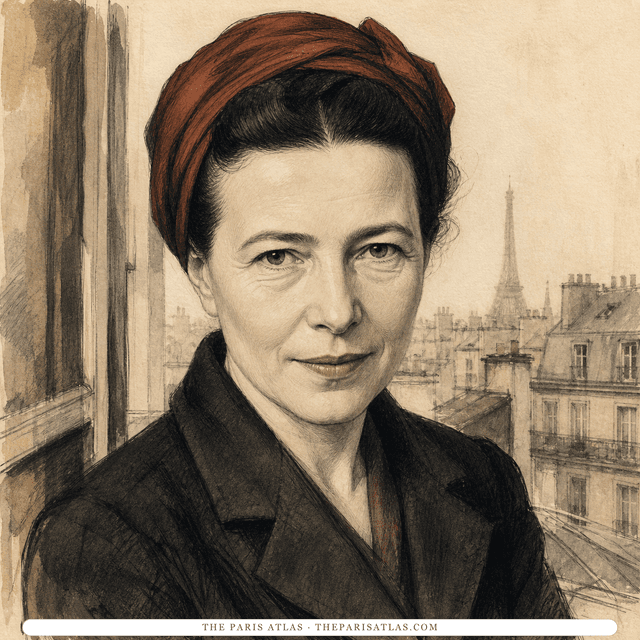
Simone de Beauvoir
French writer and philosopher whose novels, memoirs, and social analysis examined freedom, gender, responsibility, aging, and the material conditions that shape a life.
View author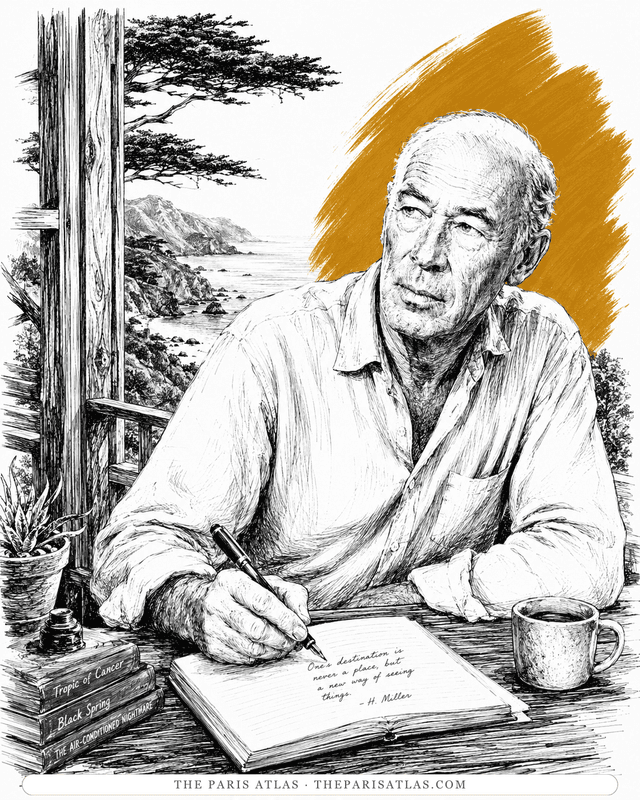
Henry Miller
The Brooklyn dropout who arrived in Paris broke at thirty-eight and wrote the exuberant, banned books that ended American censorship.
View author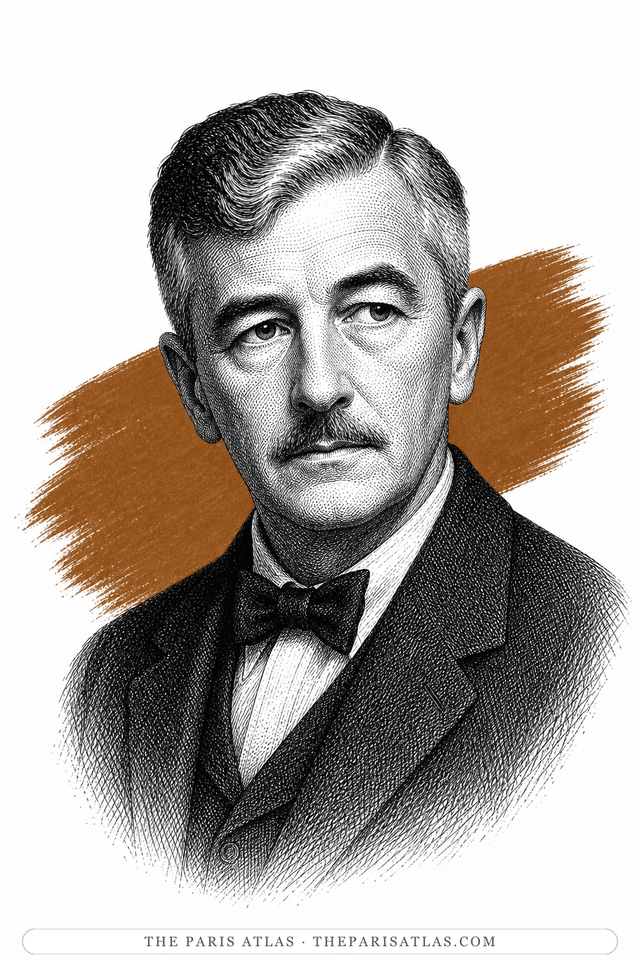
William Faulkner
The American novelist who invented Yoknapatawpha County, the imaginary Mississippi county he called himself sole owner and proprietor of, and who spent the autumn of 1925 in a room at 26 rue Servandoni beside the Luxembourg Gardens — all but unpublished, calling himself a tramp, and walking to the café used by the Irish novelist James Joyce simply to look at him.
View author