
The speaker of Blackberrying
An unnamed walker gathers berries while following a winding path toward the sea.
The book

The figure in the poem
Close readingThe unnamed speaker of Sylvia Plath's Blackberrying gathers fruit while following a winding lane toward the coast. The walk becomes a test of the meanings the speaker gives to the natural world. An intimate encounter with berries leads toward a much larger space that does not answer in the same reassuring way.
How a solitary walker imagines company
The Gale study published on Encyclopedia.com emphasizes the personification of the berries. They seem to offer a relationship, even though the lane contains no other people. The speaker interprets contact with fruit as a kind of kinship.
This makes the encounter both sensuous and uncertain. The berries are being picked and put into a bottle, yet the language makes their yielding seem affectionate. A reader can enjoy the intimacy while noticing how much of the imagined relationship is supplied by the person gathering them.
The expected sea keeps drawing the speaker forward
Brita Lindberg-Seyersted reads the walk as a search for a significant encounter with the world. The speaker's attention is divided: close detail occupies the present, while the sea remains a desired destination. Doubt about ever reaching it can protect against disappointment.
That reading explains why the turns in the lane matter. They do not merely provide directions. Each postponement allows expectation to continue, and makes the eventual encounter answer to something imagined before it is seen.
The landscape changes the terms of the encounter
Gale's account follows the contrast between the richly colored, enclosed berry lane and the exposed coast. Contact gives way to distance, and small living things give way to an expanse of light and noise. The speaker cannot gather the sea in the same way as the fruit.
The shift complicates the relationship to nature. The earlier sense of welcome was never the whole landscape. Wind, sound, and scale force the walker to encounter something less accommodating to a human wish for closeness.
An unsettling arrival can still be an arrival
Lindberg-Seyersted resists reading the ending only as emptiness or defeat. The speaker does reach the sea, and the final comparison to metalworking offers the possibility of an artist confronting resistant material. The encounter may yield insight without yielding comfort.
This interpretation gives the closing harshness a purpose beyond announcing despair. What the walker finds differs from what the walker hoped to find. The poem can make that difference productive: attention has brought the speaker into contact with a world whose value does not depend on confirming an earlier expectation.
A speaker known through acts of interpretation
The poem gives little conventional biography. Its character emerges through choices of description, the desire to continue, and the changing response to what appears. Those choices are enough to create a particular mind at work.
Reducing the walk to a coded account of Plath's eventual death would obscure its developing perceptions. The closing image is an event in this speaker's encounter with a landscape. It deserves to be read through the movement that leads to it.
Sources and passages
- Sylvia Plath, Blackberrying
Primary text: the three stanzas of the walk, from gathering fruit to the final coastal view.
- Blackberrying, Poetry for Students
Gale reference essay: personification and the contrasts between the lane and the coast. Its biographical chronology is not used here.
- Brita Lindberg-Seyersted, Dramatizations of Visionary Events in Sylvia Plath's Poetry
The Blackberrying discussion argues that the difficult encounter at the sea can offer insight and an image of artistic work.
Voice, imagery, and form
- The empty laneThe absence of people makes the speaker's imagined kinship with fruit conspicuous.
- Stained fingersGathering becomes an intimate bodily contact.
- The milk bottleA practical container stays present within the extravagant comparisons.
- Another turnThe route repeatedly postpones the expected view.
- Exposure to windThe protected gathering gives way to a less accommodating space.
- The metalworking comparisonThe final sound can suggest resistance encountered by an artist.
If you like The Collected Poems


If you like Sylvia Plath
Explore authors with a similar voice, perspective, and influence.
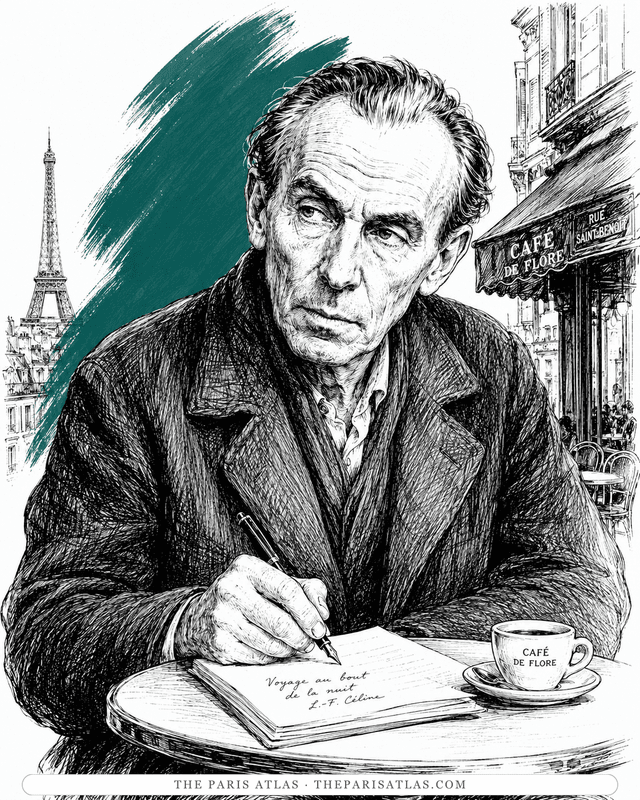
Louis-Ferdinand Céline
The doctor of the Paris slums who wrote the century's blackest, funniest novel — and changed the sound of French prose.
View author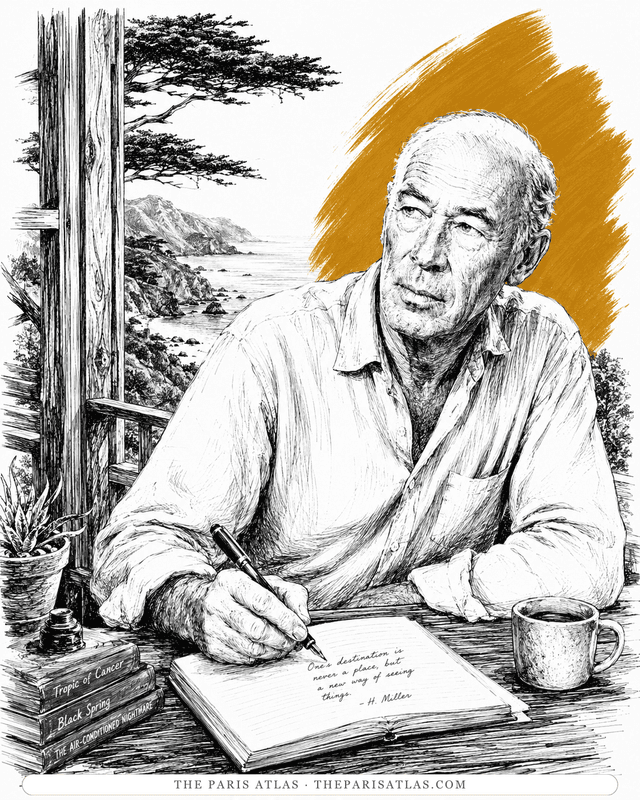
Henry Miller
The Brooklyn dropout who arrived in Paris broke at thirty-eight and wrote the exuberant, banned books that ended American censorship.
View author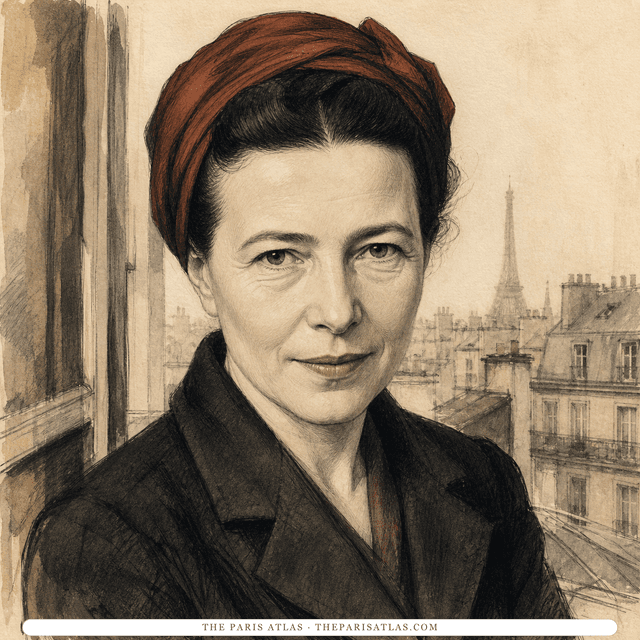
Simone de Beauvoir
French writer and philosopher whose novels, memoirs, and social analysis examined freedom, gender, responsibility, aging, and the material conditions that shape a life.
View author