
The father in Full Fathom Five
A sea-borne father figure whose appearances combine age, power, and distance.
The book

The figure in the poem
Close readingThe father in Sylvia Plath's Full Fathom Five is an immense figure who surfaces with the sea and remains partly hidden beneath it. The speaker addresses him from the border of his kingdom. His recurring presence combines the desire for an origin with the danger of approaching something that cannot be fully known.
The title recalls a father transformed by the sea
In Act One of Shakespeare's The Tempest, Ariel sings to Ferdinand about his father lying beneath the water. The song imagines bones transformed into coral and eyes into pearls. Grief is redirected through an impossible account of bodily change, and Ferdinand follows a voice he cannot see.
Plath's title brings that earlier scene of a child listening for news of a father into the new poem. The allusion supplies a relationship as well as a sea image: someone separated from a parent encounters language that makes loss strange. It invites comparison without requiring Plath's figure to be the same character as Shakespeare's king.
A figure who resists a stable description
Mary Lynn Broe reads the old man as a combination of tangible form and myth. His antiquity does not settle him into the past; his movement keeps making him present again. The account helps explain why a conventional portrait would be inadequate to the poem's shifting scale.
The father is visible enough to attract attention but cannot be held in a complete view. The speaker's relation to him is consequently organized by recurrence and uncertainty. Questions about his disappearance remain active because another appearance can disturb the answer just reached.
Why the speaker remains at the edge
The shore separates the speaker's dry world from the father's submerged domain. Nearness offers no simple reassurance. The imagery makes approaching him resemble encountering dangerous ice and water, so longing and caution occupy the same address.
The final wish to breathe water makes the difficulty extreme. Joining the father's element would require an impossible alteration of the conditions under which the speaker lives. The wish conveys the intensity of attachment; it does not describe a practical reunion.
How the Shakespeare comparison changes the question
Ariel's song in The Tempest transforms a reported death into something beautiful and uncanny. Ferdinand treats it as news about his father, but the theater audience has already heard that the ship's passengers were preserved. The song's emotional power and its factual truth are therefore different questions.
That distinction offers a useful way to approach Plath's father figure. A compelling image can express a relationship without being a literal report of a man's appearance, death, or return. Reading the poem through its address, scale, and inherited sea imagery preserves what it makes possible beyond the search for a single biographical identification.
Sources and passages
- Sylvia Plath, Full Fathom Five
Primary text: the surfacing father, dangerous scale, shoreline, and final wish.
- William Shakespeare, The Tempest, Act 1, scene 2
Primary text for the title's allusion: Ariel's report of the preserved passengers and the later song addressed to Ferdinand.
- Mary Lynn Broe, The Colossus: In Sign Language of a Lost Other World
Critical account of the sea poems and the father's combination of tangible and mythical qualities.
Voice, imagery, and form
- An intermittent arrivalThe father returns with the tide rather than remaining steadily present.
- An enlarged bodyHair and beard spread beyond ordinary human proportions.
- Dangerous proximityThe ice comparison makes nearness a reason for caution.
- An unsettled disappearanceNew appearances disturb reports of burial.
- A divided landscapeThe speaker occupies a dry border beside the father's domain.
- An impossible wishThe desire to breathe water makes reunion a problem of incompatible worlds.
If you like The Colossus and Other Poems


If you like Sylvia Plath
Explore authors with a similar voice, perspective, and influence.
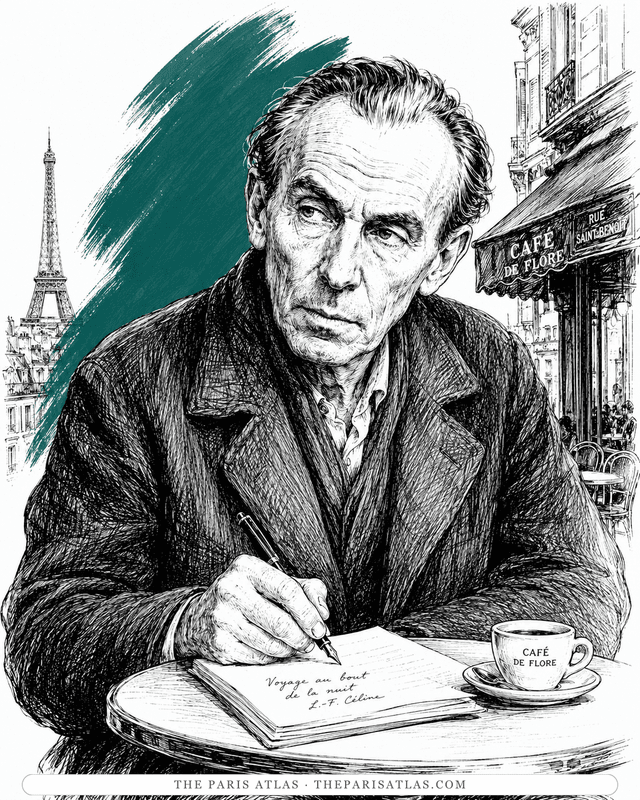
Louis-Ferdinand Céline
The doctor of the Paris slums who wrote the century's blackest, funniest novel — and changed the sound of French prose.
View author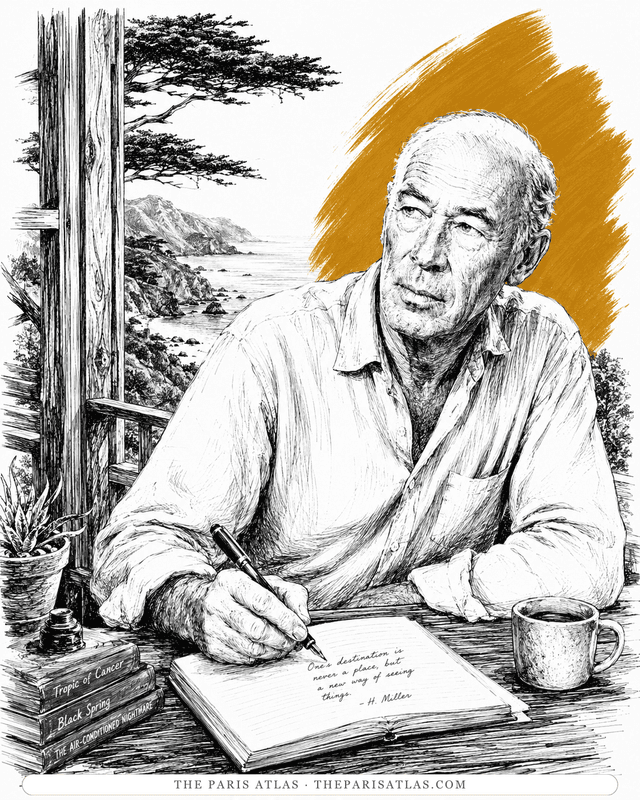
Henry Miller
The Brooklyn dropout who arrived in Paris broke at thirty-eight and wrote the exuberant, banned books that ended American censorship.
View author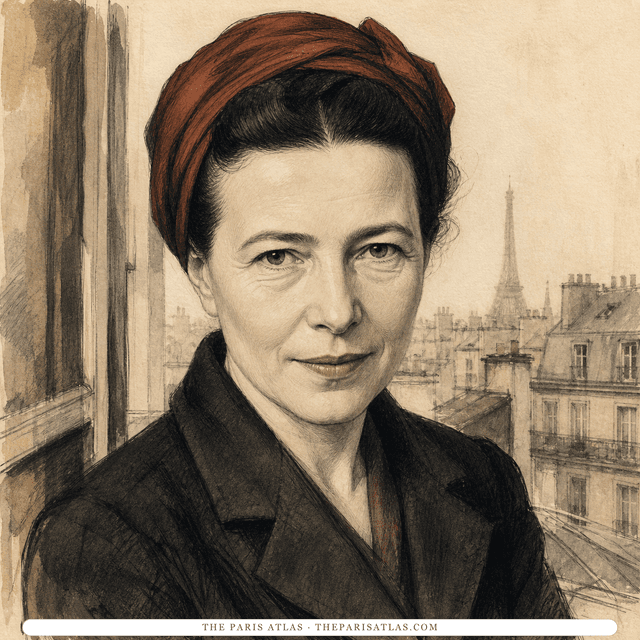
Simone de Beauvoir
French writer and philosopher whose novels, memoirs, and social analysis examined freedom, gender, responsibility, aging, and the material conditions that shape a life.
View author