
The speaker of The Colossus
An unnamed speaker works among the broken parts of a vast father figure.
The book

The figure in the poem
Close readingThe speaker of Sylvia Plath's The Colossus tends an immense, broken figure whom she eventually addresses as her father. She cleans, climbs, listens, and tries to repair him. The labor makes her attachment visible while repeatedly demonstrating that attachment cannot restore the whole person or produce an intelligible answer.
A task larger than the person performing it
Kevin Boyle's EBSCO reading emphasizes the poem's extended metaphor: the father is at once a ruin, a body, and a landscape. The speaker has to live within the consequences of that comparison. A repair that might seem imaginable in one brief image becomes absurd when followed through a working day.
The disparity in scale also establishes a relationship of power. The figure dominates the space, but the speaker performs the labor. His importance does not make him capable of helping her. Her effort gives the scene its movement, even as she doubts that the work can succeed.
Why cleaning supplies and lunch belong in a poem of mourning
Boyle draws attention to the comic force of small tools and ordinary bodily needs within the monumental setting. The speaker does not become solemnly abstract just because the object of her attention is enormous. She needs food and shelter while attempting an impossible restoration.
The humor gives her more than one attitude toward the task. She can be devoted, exasperated, and practically occupied at once. Mourning appears as a continuing arrangement of daily life, including habits and irritations, rather than an uninterrupted declaration of reverence.
A father and a problem of making meaning
Mary Lynn Broe argues that the poem also concerns the difficulty of assembling a comprehensive imaginative whole. On that reading, the work of restoring the father resembles an artist's effort to make fragments cohere. The speaker's frustration concerns knowledge and creation as well as personal loss.
This interpretation does not remove the father from the poem. It explains why naming him cannot exhaust the scene's meanings. The act of reconstruction matters in its own right: what could count as a completed image, and who would decide whether it was faithful to the lost person?
The silence that repair cannot overcome
The figure produces sounds without yielding the understanding the speaker seeks. At the close, her attention no longer turns toward an expected arrival at the shore. Boyle reads the ending through the failure of messages or rescue to come from outside the scene.
The poem's final restraint is therefore part of its characterization. The speaker can describe the limits of her work without making a triumphant escape from them. She remains the active intelligence of the poem, giving form to an attachment whose object cannot answer in the way she needs.
Sources and passages
- Sylvia Plath, The Colossus
Primary text: the six stanzas establish scale, labor, broken communication, and the closing attention to the shore.
- Kevin Boyle, The Colossus
Critical discussion of the extended metaphor, comic details, and the ending.
- Mary Lynn Broe, The Colossus: In Sign Language of a Lost Other World
Excerpt from Protean Poetic, University of Missouri Press, 1980; the discussion of the title poem connects restoration with the limits of imaginative construction.
Voice, imagery, and form
- The opening impossibilityRestoration is declared impossible before the work is described.
- Small implementsOrdinary tools exaggerate the difference between worker and monument.
- An inadequate replySound from the figure does not become useful knowledge.
- The lunch breakA bodily need interrupts the grandeur of the setting.
- Shelter within the ruinThe damaged figure also supplies a place to rest.
- Attention at the shoreThe close describes a change in what the speaker expects to hear.
If you like The Colossus and Other Poems


If you like Sylvia Plath
Explore authors with a similar voice, perspective, and influence.
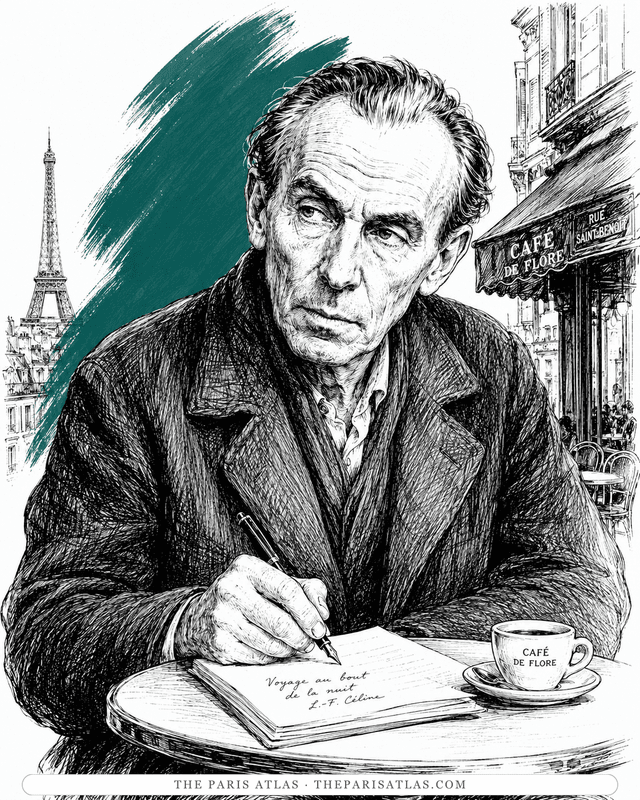
Louis-Ferdinand Céline
The doctor of the Paris slums who wrote the century's blackest, funniest novel — and changed the sound of French prose.
View author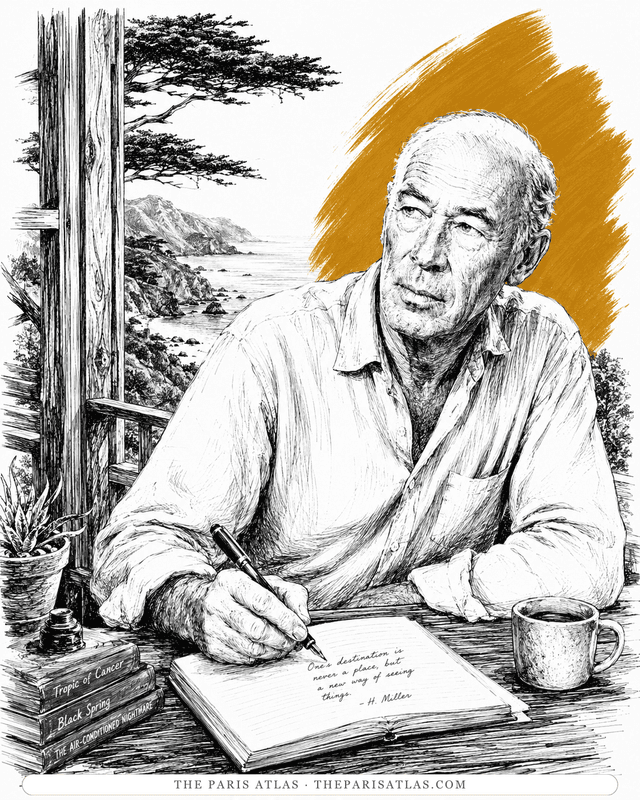
Henry Miller
The Brooklyn dropout who arrived in Paris broke at thirty-eight and wrote the exuberant, banned books that ended American censorship.
View author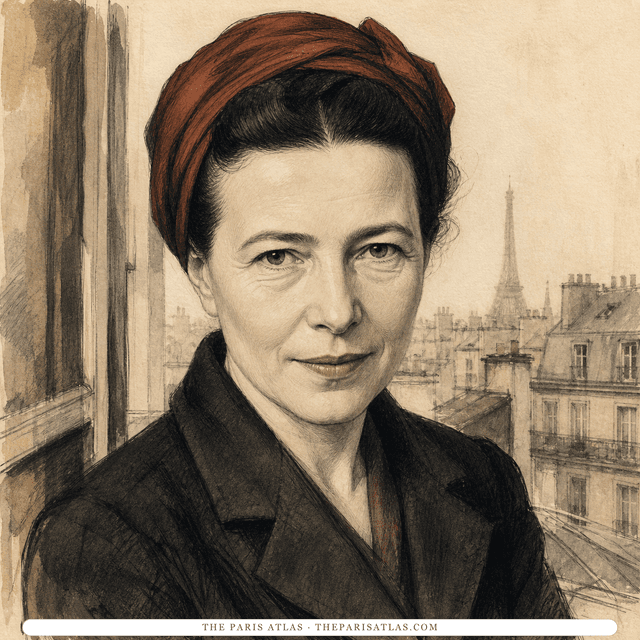
Simone de Beauvoir
French writer and philosopher whose novels, memoirs, and social analysis examined freedom, gender, responsibility, aging, and the material conditions that shape a life.
View author