
Gather Together in My Name
Angelou's second autobiography describes much earlier motherhood and employment, making a useful comparison with the later years in The Heart of a Woman.
Read our take
by Maya Angelou
Angelou's fourth memoir follows her move into New York's literary and political life while her son grows toward independence.
The Heart of a Woman is Maya Angelou's fourth autobiography, published in 1981. She moves from California to New York with her son, Guy, joins the Harlem Writers Guild, and works for the Southern Christian Leadership Conference. A relationship with the South African activist Vusumzi Make takes her to London and Cairo. The memoir follows professional ambition, political commitment, and motherhood through years when none of those responsibilities can be kept separate.
Angelou arrives at the Harlem Writers Guild as an experienced performer but an anxious beginning writer. She reads a play to the group and endures harsh criticism. The encounter concludes with an invitation to keep working, rather than the rejection she expects.
Political work changes her daily responsibilities. After hearing Martin Luther King Jr. speak in 1960, Angelou helps organize Cabaret for Freedom as a fundraiser. She then becomes northern coordinator for the Southern Christian Leadership Conference. The King Institute documents her work and her January 1961 letter of resignation.
The memoir also follows the strain between Angelou's independent ambitions and Vusumzi Make's expectations of their life together. Cairo brings journalistic work as well as domestic conflict. Guy's growing independence changes her role as a mother. The professional and family stories continue together rather than resolving into a single career narrative.
The opening California period includes Angelou's attempts to build a performing career and make a home for Guy. In New York, literary friendships and civil-rights organizing create new obligations. She wants to write, must earn money, and remains responsible for a teenage son.
Her attachment to Vusumzi Make changes the course of an intended marriage to another man. Travel and a move to Cairo expand the memoir beyond the United States. Angelou's work and relationships bring opportunities that also require her to reconsider how she wants to live.
At the Harlem Writers Guild, Angelou expects criticism of her work to become a verdict that she does not belong. The invitation to return separates those judgments: the writing can be inadequate while the writer remains someone worth addressing seriously. Membership entails further work rather than protection from disagreement.
The episode also changes the meaning of confidence. Experience as a performer does not remove the uncertainty of writing for a demanding audience. The memoir can acknowledge accomplishment in one field while preserving the discomfort of becoming a beginner in another.
The move from hearing King speak to organizing Cabaret for Freedom turns admiration into an undertaking with concrete demands. Angelou's performance experience becomes useful to fundraising, then her SCLC position requires sustained organizational work. Political identification is made credible through tasks rather than through the presence of famous people in her recollections.
The King Institute's documentation of that work helps distinguish a historical role from the memoir's personal perspective on it. Her account gives access to how participation felt and changed her life; it does not claim to supply a complete history of the movement around her.
The relationship with Vusumzi Make brings anti-colonial politics into Angelou's domestic life. Shared opposition to racial domination does not prevent conflict over her work and independence. The Cairo journalism job makes that disagreement material: earning, professional identity and household expectations concern the same hours of her day.
The resulting tension complicates any division between a public story of liberation and a private story of romance. A person can participate in a collective struggle while still confronting restrictions within an intimate partnership.
Responsibility for Guy accompanies the changes in place and profession. As he moves toward a life less dependent on her, the memoir has to imagine a different organization of her own needs. The mother-son relationship develops alongside her career instead of serving only as evidence of sacrifice.
The closing movement toward Guy's college life, described in the contemporary review, makes ordinary personal space newly significant. Freedom here includes relief from perpetual responsibility as well as the uncertainty of no longer being needed in the same way.
Authorized publisher excerpt for the Harlem Writers Guild episode.
Documentation of Cabaret for Freedom and Angelou's SCLC work.
Contemporary review for Cairo employment, domestic conflict and Guy’s move toward college; the primary excerpt covers the earlier Guild episode.
My time had come.
I got up and followed him without a first thought.
Angelou remembers a first reading that goes badly. The Guild episode makes apprenticeship recognizable even when the apprentice will become a famous author.
Fundraising and office responsibilities show another part of participation in a public movement. Angelou's organizing gives the memoir a different professional setting from the stage.
Guy's needs remain part of decisions about work, travel, and relationships. His increasing independence changes the life Angelou has organized around being his mother.
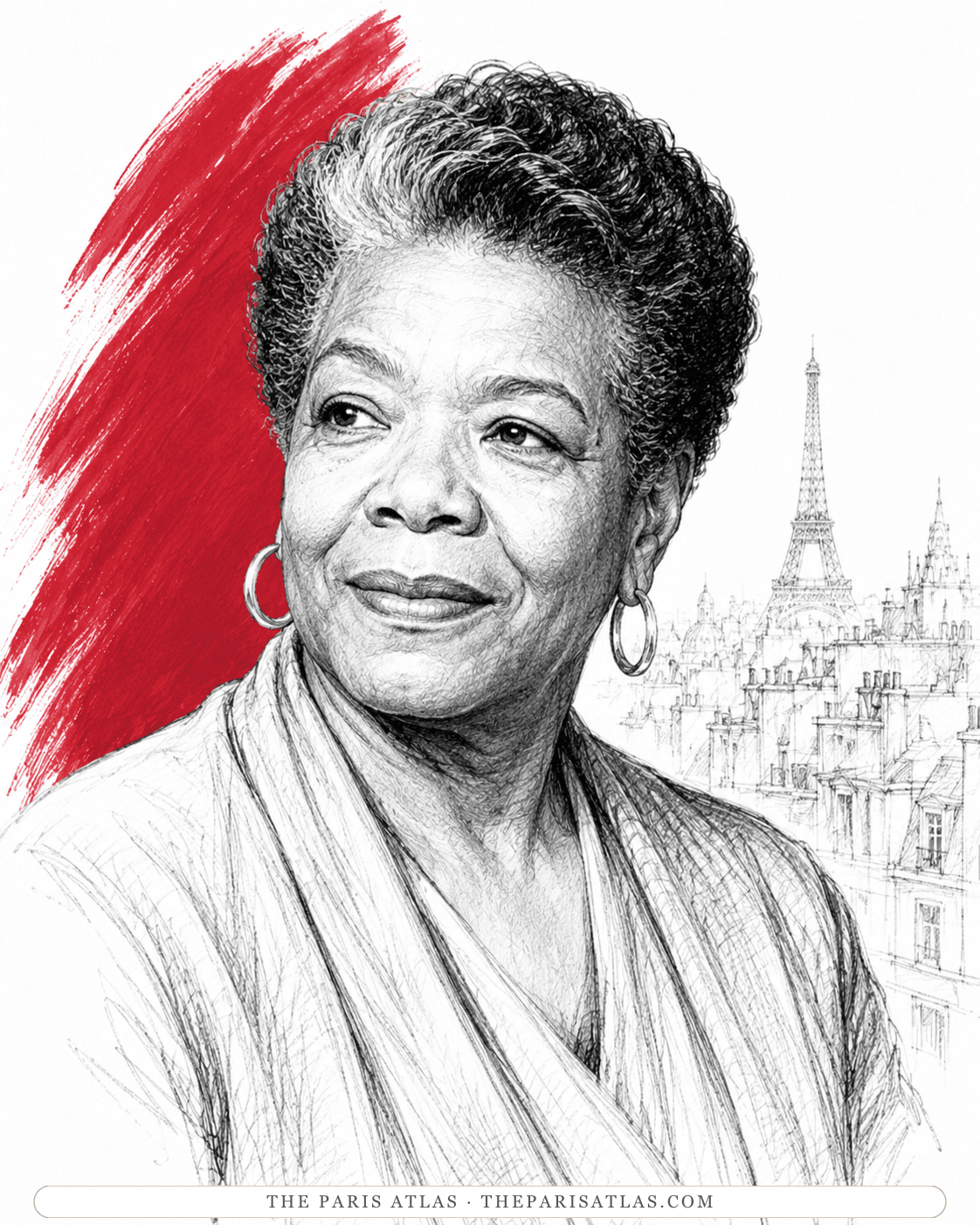
The memoir's narrator, a mother and performer developing her work as a writer and organizer.
1960
Angelou becomes northern coordinator for the Southern Christian Leadership Conference after helping organize Cabaret for Freedom.
1981
Random House publishes The Heart of a Woman, the fourth volume of Angelou's autobiography.
2009
Random House Trade Paperbacks publishes the selected 352-page edition on April 21.

Angelou's second autobiography describes much earlier motherhood and employment, making a useful comparison with the later years in The Heart of a Woman.
Read our take
The first autobiography provides the family and childhood history behind Angelou's account of her adult life.
Read our take
Hughes's autobiography offers an earlier Black writer's account of literary communities, work, and travel.
Read our takeIt is the fourth. It follows Singin' and Swingin' and Gettin' Merry Like Christmas and precedes All God's Children Need Traveling Shoes.
It follows Angelou's life as a mother, performer, developing writer, and civil-rights organizer. New York's literary community and her later relationship and work in Cairo are central to the account.
Random House published the first edition in 1981. The 2009 date attached to the selected paperback identifies a later reading edition.
Yes. One episode follows her nervous first reading and the criticism that follows it. She has to learn that a demanding response to a draft need not mean exclusion from the group.
Yes. In 1960 she became northern coordinator for the Southern Christian Leadership Conference. The King Institute documents that work and her resignation in January 1961.
The Random House Trade Paperbacks edition of April 21, 2009, ISBN 9780812980325, has 352 pages according to the publisher. The first edition has different pagination.
Explore authors with a similar voice, perspective, and influence.
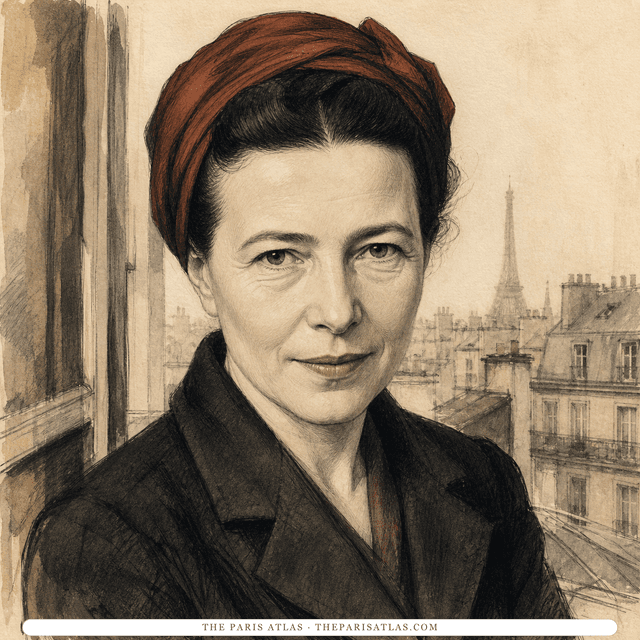
French writer and philosopher whose novels, memoirs, and social analysis examined freedom, gender, responsibility, aging, and the material conditions that shape a life.
View author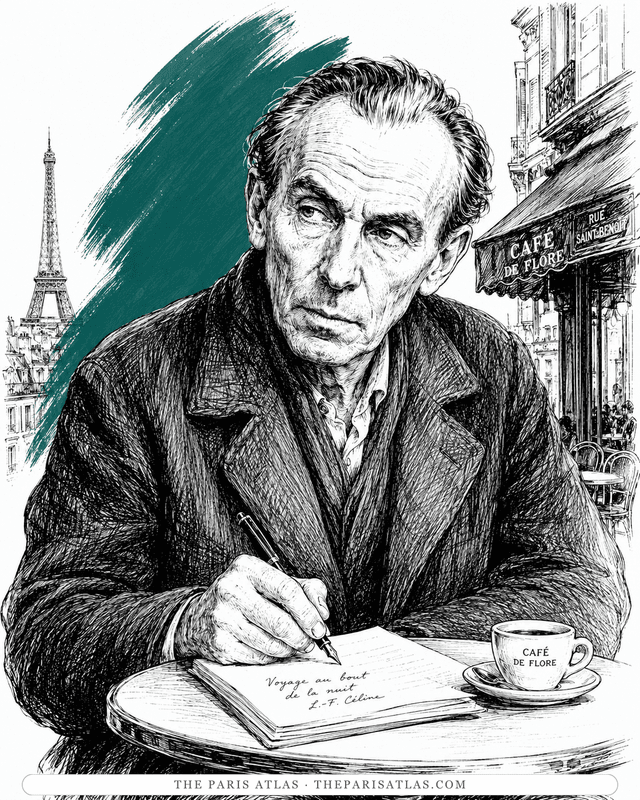
The doctor of the Paris slums who wrote the century's blackest, funniest novel — and changed the sound of French prose.
View author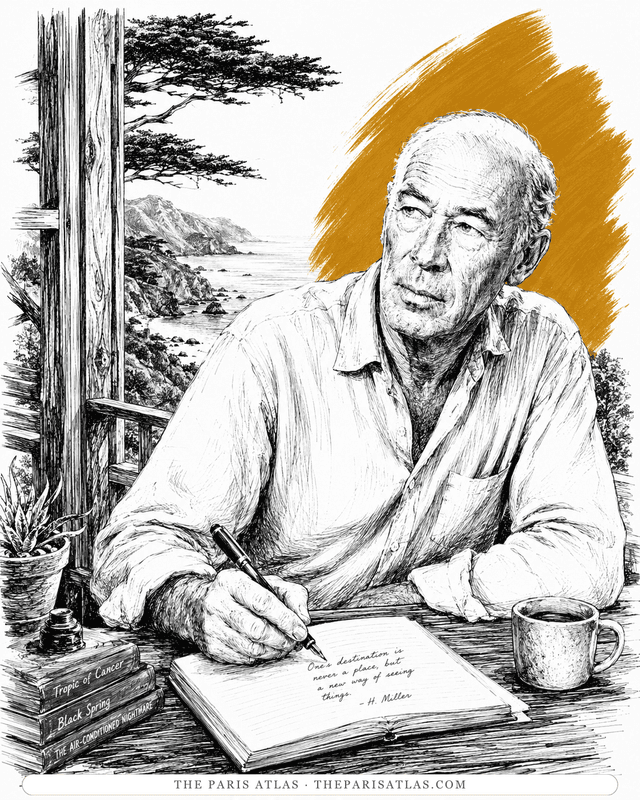
The Brooklyn dropout who arrived in Paris broke at thirty-eight and wrote the exuberant, banned books that ended American censorship.
View authorThe sources below include the primary text, editions, scholarship, archival materials, and other records that informed this page. They document The Heart of a Woman, its publication, and its place in literary history.


The primary text represented by this page, used for descriptions of the work’s contents and for any quoted passages shown here.
Selected edition; primary text for the Guild reading, the character detail, and both quotations.

First-edition publisher, year, and 272-page catalogue pagination.
Documented organizing work and departure from SCLC.
Contemporary review for the memoir's California, New York, Cairo, and mother-son narrative.
Author's autobiographical titles and their identities.
Archival context for Angelou's career and the surviving drafts of The Heart of a Woman.
The primary text is the baseline reference for every book page. Additional references document publication history, interpretation, and historical context where that evidence is available.
 Explore more resources