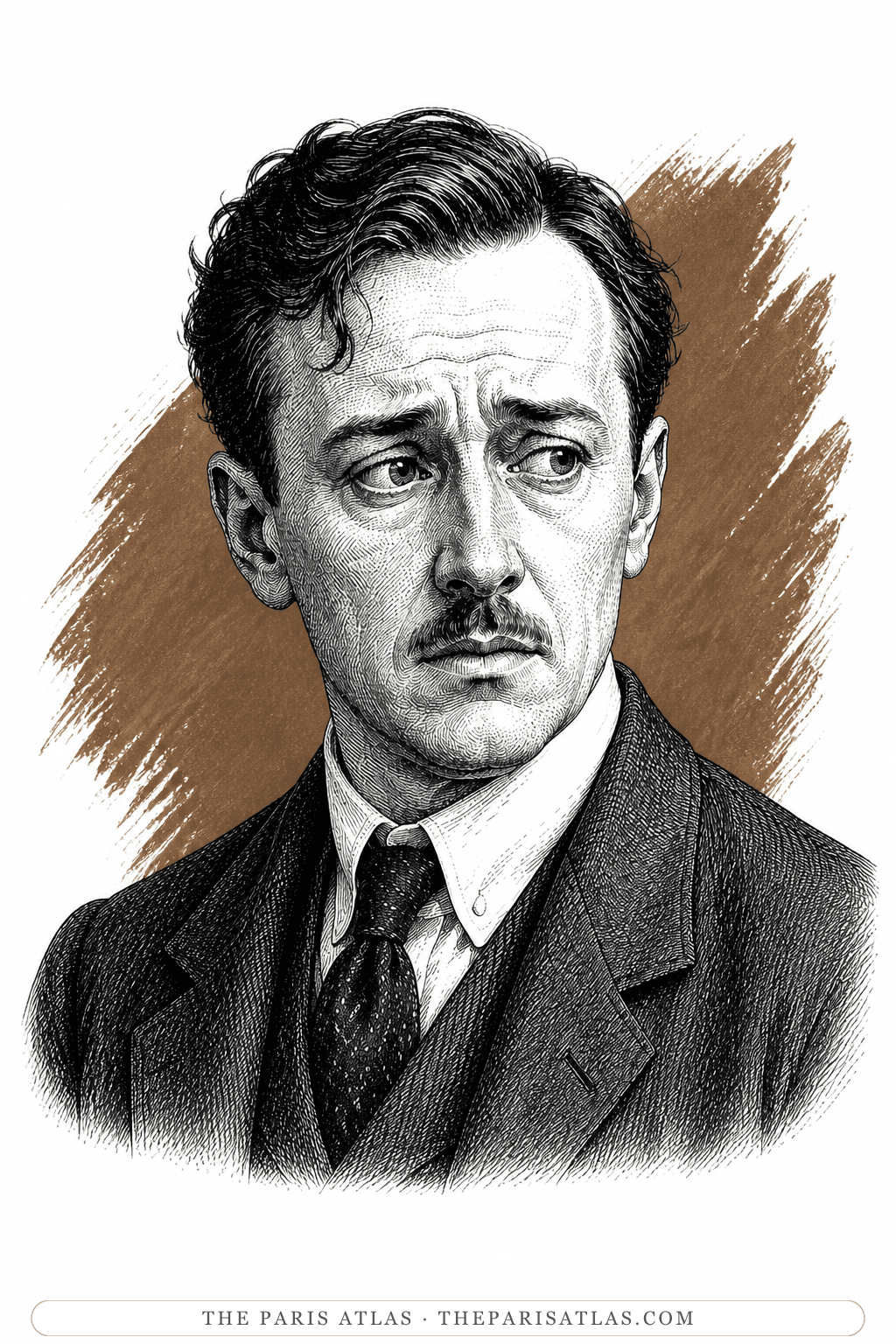
Kennedy
The former investigator who turns Cora's confession into a blackmail attempt.
To turn privileged knowledge into money.
The book

At a glance
- Blackmailer
- Cora's confession
- Threat of exposure
- Renews suspicion
Who they are in the book
Spoiler-freeKennedy knows which document can still ruin the couple.
He returns after their apparent escape and demands money.
His scheme proves that legal victory cannot erase evidence.
How Kennedy Is Portrayed
- RoleBlackmailer
- EvidenceCora's confession
- LeverageThreat of exposure
- EffectRenews suspicion
Frank and Cora defeat his scheme and destroy the evidence.
If you like The Postman Always Rings Twice


If you like James M. Cain
Explore authors with a similar voice, perspective, and influence.
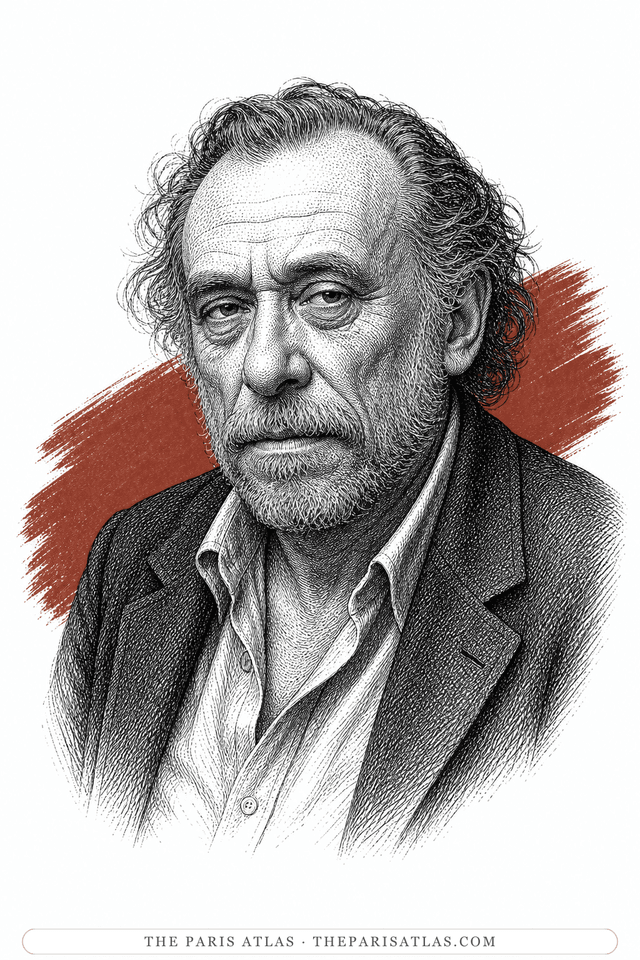
Charles Bukowski
American poet and novelist of Los Angeles rooming houses, racetracks and the post office, who quit his job to write when a publisher offered him a hundred dollars a month. He came to Paris once, in September 1978, drank his way through a live television book programme and walked off the set — and French television has been replaying it ever since.
View author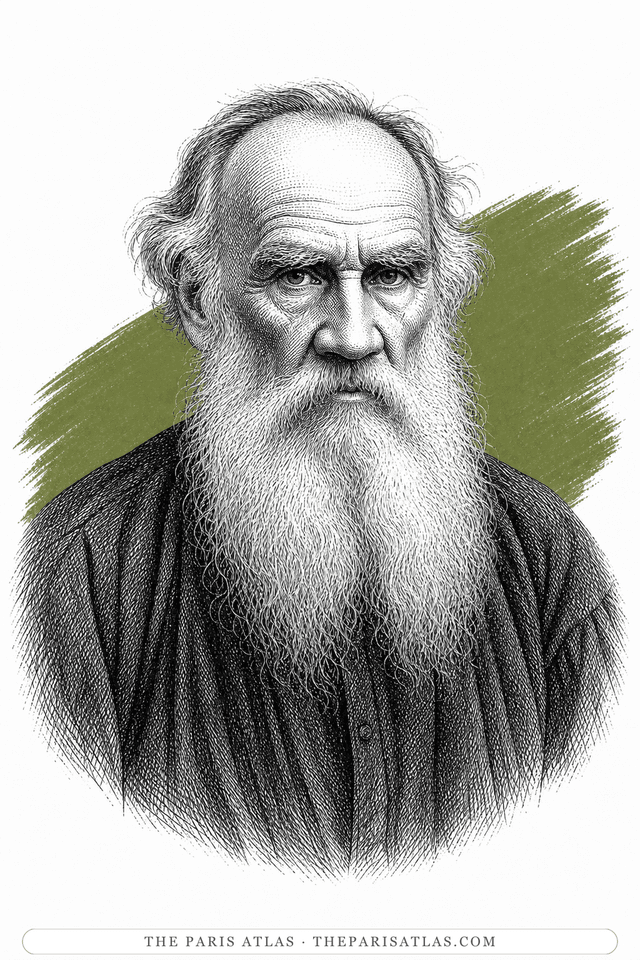
Leo Tolstoy
Russian novelist who wrote War and Peace and Anna Karenina, then renounced the life that produced them. He spent six weeks in Paris in 1857, and on one April morning went to watch a man beheaded in the street — an hour he said destroyed his belief in progress and in the state, and which he was still writing about twenty-two years later.
View author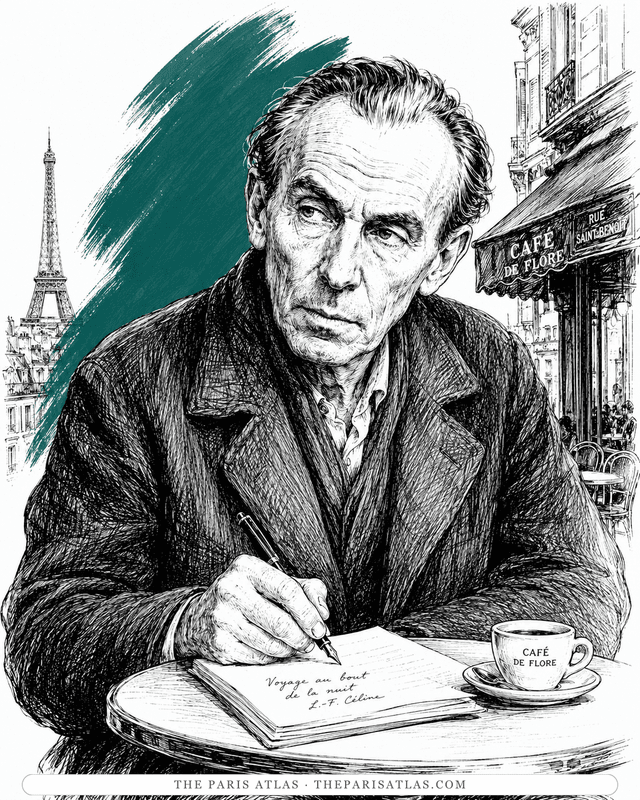
Louis-Ferdinand Céline
The doctor of the Paris slums who wrote the century's blackest, funniest novel — and changed the sound of French prose.
View author