
Bonjour Tristesse
Both place manipulation and moral danger inside beautiful Mediterranean leisure, though Highsmith's novel becomes a crime story.
Read our take
by Patricia Highsmith
A young American enters a wealthy man's life in Italy, then decides that imitation is not enough.
Tom Ripley is living uneasily in New York when Herbert Greenleaf, a rich shipbuilder, mistakes him for a close friend of his son. Herbert pays Tom to travel to Italy and persuade that son, Dickie, to return home. Tom barely knows Dickie, but accepts the trip and quickly becomes fascinated by the life Dickie shares with Marge Sherwood in a small coastal town: money without visible work, beautiful rooms, boats, art, and the freedom to travel. When Dickie begins to reject him, Tom does not simply lose a friendship. He feels that the person he hoped to become is being taken away. Patricia Highsmith follows his response from social imitation into murder, forgery, and an audacious attempt to live under another man's name. The suspense comes from watching an intelligent criminal solve each new problem while knowing that every solution creates another danger.[1]
The novel begins from Tom's point of view, but he is not a reliable guide to other people. He notices clothes, gestures, hotel rooms, and signs of wealth with extraordinary care. He is much less dependable when he decides what another person feels. A friendly invitation can become proof of intimacy, and ordinary distance can feel like a deliberate insult. Readers understand the growing danger before Dickie does.[1]
Italy gives Tom more than a change of scenery. In fictional Mongibello, Dickie's money makes daily life seem effortless. Tom learns the details of that life as if studying for a part: the way Dickie speaks, signs his name, chooses clothes, handles money, and answers letters. The book makes identity practical. A person can be imitated through handwriting, documents, habits, and the confidence to make strangers accept a story.[1]
This is the first of five novels about Tom Ripley. It works as a complete story: the central crimes, investigation, and inheritance scheme all reach an ending. Readers do not need to know the later books before starting it.[1]
Tom Ripley is a young American with little money and no stable direction. In New York he has been running a minor tax-payment fraud and expects the authorities to catch up with him. Herbert Greenleaf approaches him because he believes Tom knows his son Dickie. Dickie has gone to Italy and refuses to join the family shipbuilding business. Tom lets Herbert overestimate the friendship and accepts an expenses-paid mission to bring Dickie home.[1]
Tom finds Dickie in Mongibello, a fictional seaside town in southern Italy. Dickie lives on a trust income, paints, sails, and spends much of his time with Marge Sherwood, an American writer. Tom makes himself useful and entertaining. He imitates people, shares Dickie's interests, and gradually gains access to a life that seems more beautiful and secure than his own.[1]
The friendship never means the same thing to both men. Tom treats Dickie's approval as a source of identity, while Dickie enjoys him only in limited doses. Marge distrusts Tom and resents the time he spends with Dickie. Freddie Miles, another wealthy American friend, is even more direct about disliking him. When Dickie tires of Tom's dependence and humiliates him, Tom realizes that the Italian life he wants will end when Herbert stops paying his allowance.[1]
Tom and Dickie travel north together. In San Remo they rent a small boat. Tom kills Dickie with an oar, weighs down the body, and sinks the boat. He takes Dickie's money, clothes, rings, and identity papers. Because the two men have a similar enough build and strangers do not know either of them well, Tom can introduce himself as Dickie when he travels alone.[1]
Tom sets up in Rome as Dickie Greenleaf. He copies Dickie's handwriting, answers letters, cashes checks, and tells Marge and the Greenleaf family that Tom has gone elsewhere. The impersonation gives him the privacy, money, and social standing he wanted. It also forces him to manage two lives at once: Dickie must remain visible enough to control his accounts, while Tom must remain available as the supposed last person who saw him.[1]
Freddie visits Dickie's Rome apartment and recognizes Tom. Tom kills him with a heavy marble object, moves the body, and tries to make the death look unrelated to the impersonation. The police begin to suspect that Dickie murdered Freddie. Tom realizes that continuing to appear as Dickie will make him the target of the investigation, so he abandons the disguise and returns to being Tom Ripley.[1]
As Tom, he tells police and friends that Dickie was depressed and behaving strangely. He forges a letter that suggests Dickie killed Freddie and then disappeared or died by suicide. The explanation turns Tom from a possible suspect into a helpful witness. Tenente Roverini questions him, and Herbert hires the private investigator Alvin McCarron, but Tom's documents and carefully separated stories keep surviving inspection.[1]
Marge finds Dickie's rings among Tom's possessions and asks why he has them. Tom considers killing her, but does not. He claims that Dickie gave him the rings for safekeeping because he intended to take his own life. Marge and Herbert, already prepared to believe Dickie is dead, accept the explanation.
Tom has also forged a will in Dickie's handwriting that leaves Dickie's property to him. McCarron tells Tom that the Greenleaf family accepts the will. No body has been found, but the forged letter, Dickie's absence, and the suspicion surrounding Freddie's death create a story that other people can live with. Tom not only escapes arrest; he inherits the wealth whose loss first drove him to murder.
In the final pages, Tom travels by ship toward Greece. He repeatedly imagines police waiting at the next port and calculates what may expose him. The feared arrest does not occur. The novel ends with Tom apparently free and rich, yet still scanning the future for policemen. He has gained the life he wanted without gaining safety from his own fear.
Highsmith keeps the reader close to Tom's thoughts. We see him prepare lies, notice risks, resent rejection, and improvise solutions. That closeness can make a reader hope he escapes even while the book remains clear that he is a murderer. The effect is not approval. It is a demonstration of how suspense can recruit our attention on behalf of a person we would fear in life.
Tom does not only want Dickie's money. He wants the ease that money seems to produce: confidence in hotels, the right clothes, the ability to move through Europe without explaining every expense, and the assumption that other people will make room. Because he did not grow up with that security, he watches it closely.
This is why impersonation becomes possible. Tom understands that strangers often accept identity through surfaces and paperwork. A familiar signature, a good suit, the correct account number, and calm behavior can matter more than deep knowledge of a person. The wealthy world is protected by rules, but Tom discovers that many of those rules depend on confidence.
Tom's attachment to Dickie mixes admiration, envy, longing, and the wish to become him. Highsmith does not reduce that attachment to a single label. Tom wants Dickie's attention, studies his body and clothes, resents Marge's closeness to him, and imagines a life in which the difference between them disappears.
Dickie's rejection turns imitation into possession. If Tom cannot remain beside Dickie, he decides to take the name, income, and freedom that Dickie represented. The murder is therefore both practical and personal. Tom removes the person who can refuse him and keeps the parts of Dickie's life that can be reproduced.
After killing Dickie, Tom's main task is not hiding forever. It is controlling the written record. Letters must explain absences, checks must release money, hotel registers must place each identity in the right city, and the forged will must turn a crime into an inheritance. Highsmith makes administrative details exciting because a small mistake could collapse Tom's entire story.
Freddie's death shows the cost of that control. Tom kills Dickie to take a life he desires; he kills Freddie because Freddie sees through the performance. From then on, each new lie protects not a fantasy but an expanding set of crimes.
Highsmith writes in a clear third-person voice that stays very close to Tom. The prose follows the speed of his attention: a room can be described calmly, then one unexpected visitor makes him notice doors, clothes, voices, and possible evidence all at once. Readers understand the danger because they receive the same practical details Tom is using.
The language is controlled rather than sensational. Murders are shocking, but much of the tension comes afterward, when Tom cleans a room, invents a sentence for a letter, or waits for someone to answer a question. Highsmith makes ordinary actions frightening by showing exactly what they could reveal.
There is also dry irony in the gap between Tom's self-image and his actions. He can worry about manners, beauty, or being treated unfairly immediately after doing something brutal. Highsmith rarely stops to tell readers what judgment to make. The contrast is plain enough to do that work on its own.
René Clément's French-Italian film Purple Noon was released in 1960, with Alain Delon as Tom, Maurice Ronet as Philippe Greenleaf, and Marie Laforêt as Marge. It keeps the Mediterranean beauty and identity theft but changes names and major plot choices.
Anthony Minghella's 1999 film The Talented Mr. Ripley stars Matt Damon, Jude Law, Gwyneth Paltrow, Philip Seymour Hoffman, and Cate Blanchett. It expands several relationships and adds characters or story lines, so it should not be used as a scene-by-scene guide to the novel.
Steven Zaillian wrote and directed the eight-episode Netflix series Ripley, released in 2024. Andrew Scott plays Tom, Johnny Flynn plays Dickie, and Dakota Fanning plays Marge. The black-and-white series has more time for the investigation and for the physical work involved in Tom's crimes.
Highsmith lets readers follow Tom's reasoning closely while leaving his brutality unmistakable.
Hotels, boats, paintings, clothes, and coastal towns make the desired life vivid enough to explain Tom's fixation without excusing it.
Signatures, checks, passports, letters, and hotel registers become as important as physical evidence.
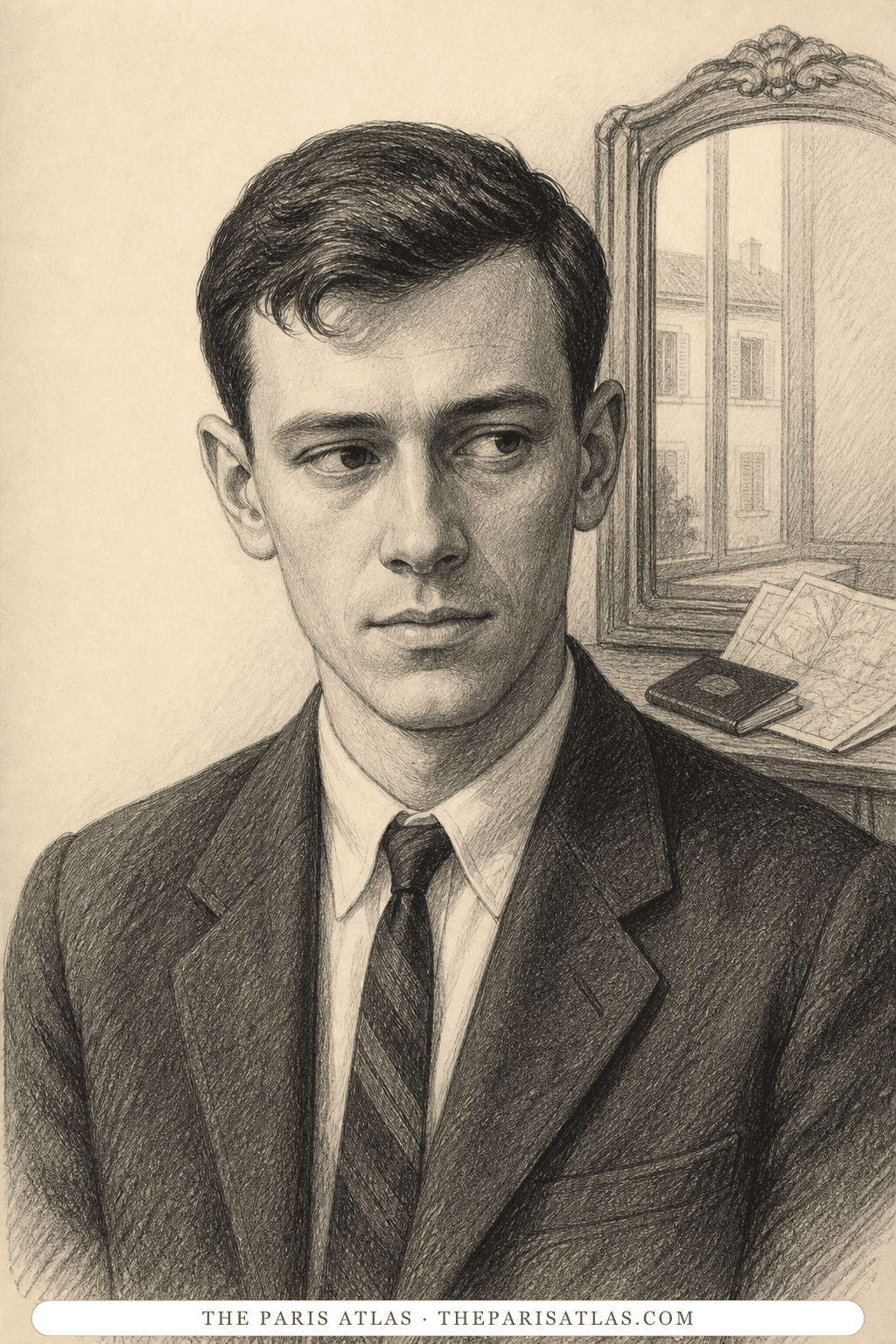
A clever, insecure young American who discovers that he can imitate a wealthy man's identity more easily than he can build a life of his own.
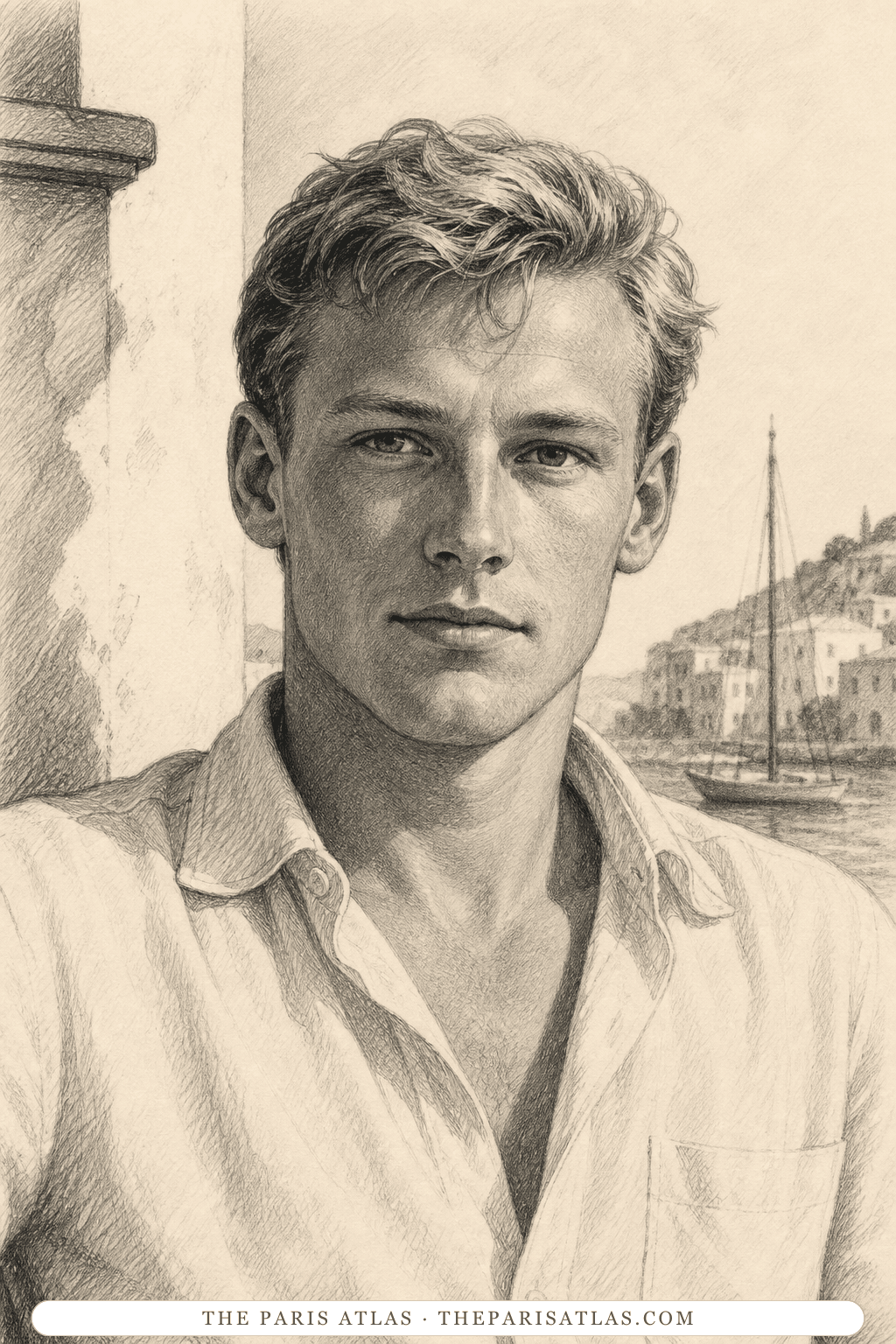
The wealthy American in Italy whose friendship, style, and freedom become the center of Tom's desire.

An American writer in Mongibello who distrusts Tom and refuses to let Dickie's disappearance become an abstract puzzle.
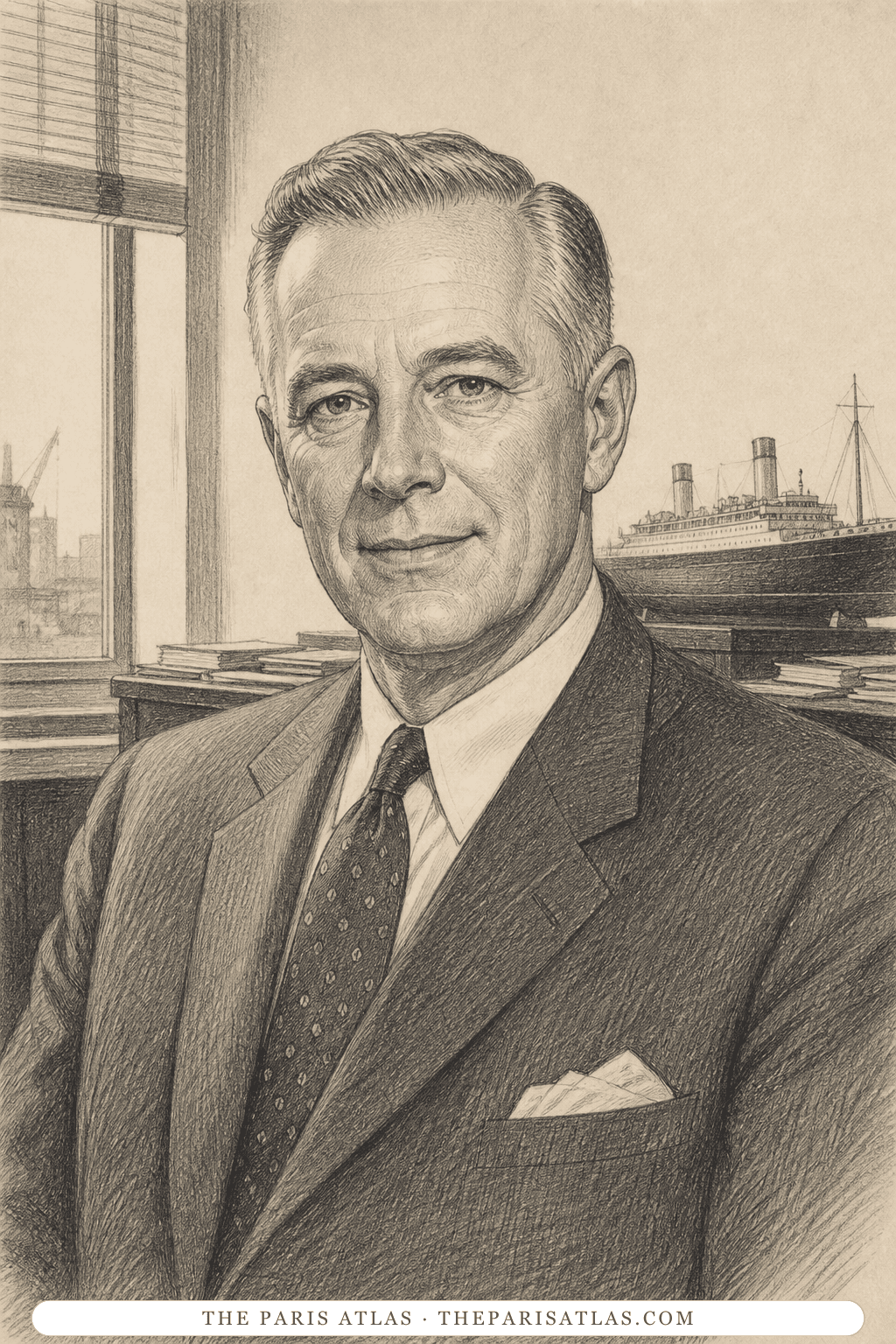
Dickie's wealthy father, whose mistaken trust gives Tom money, a mission, and entry into the family.
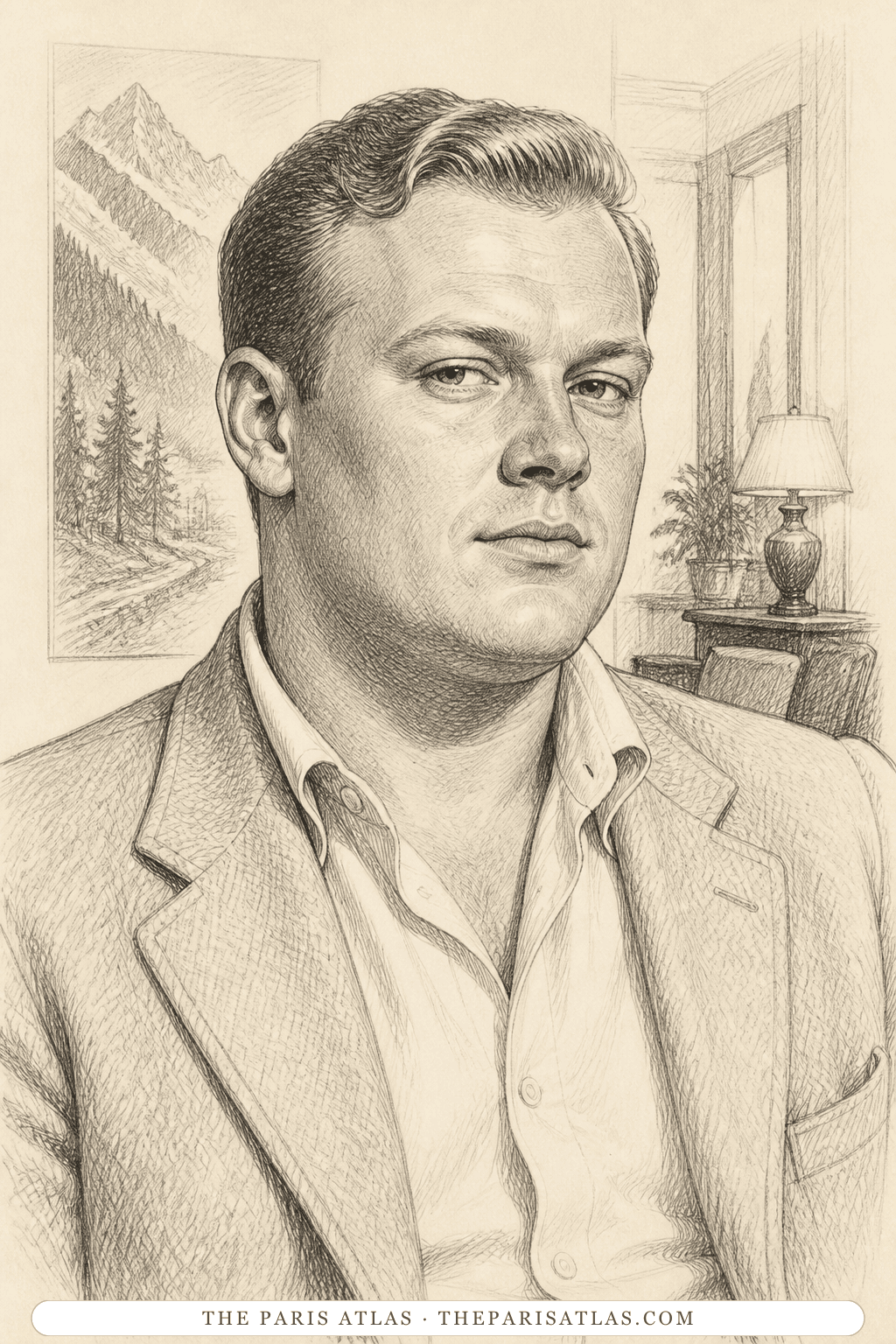
Dickie's wealthy friend, whose immediate dislike of Tom becomes dangerous when he sees him living as Dickie.
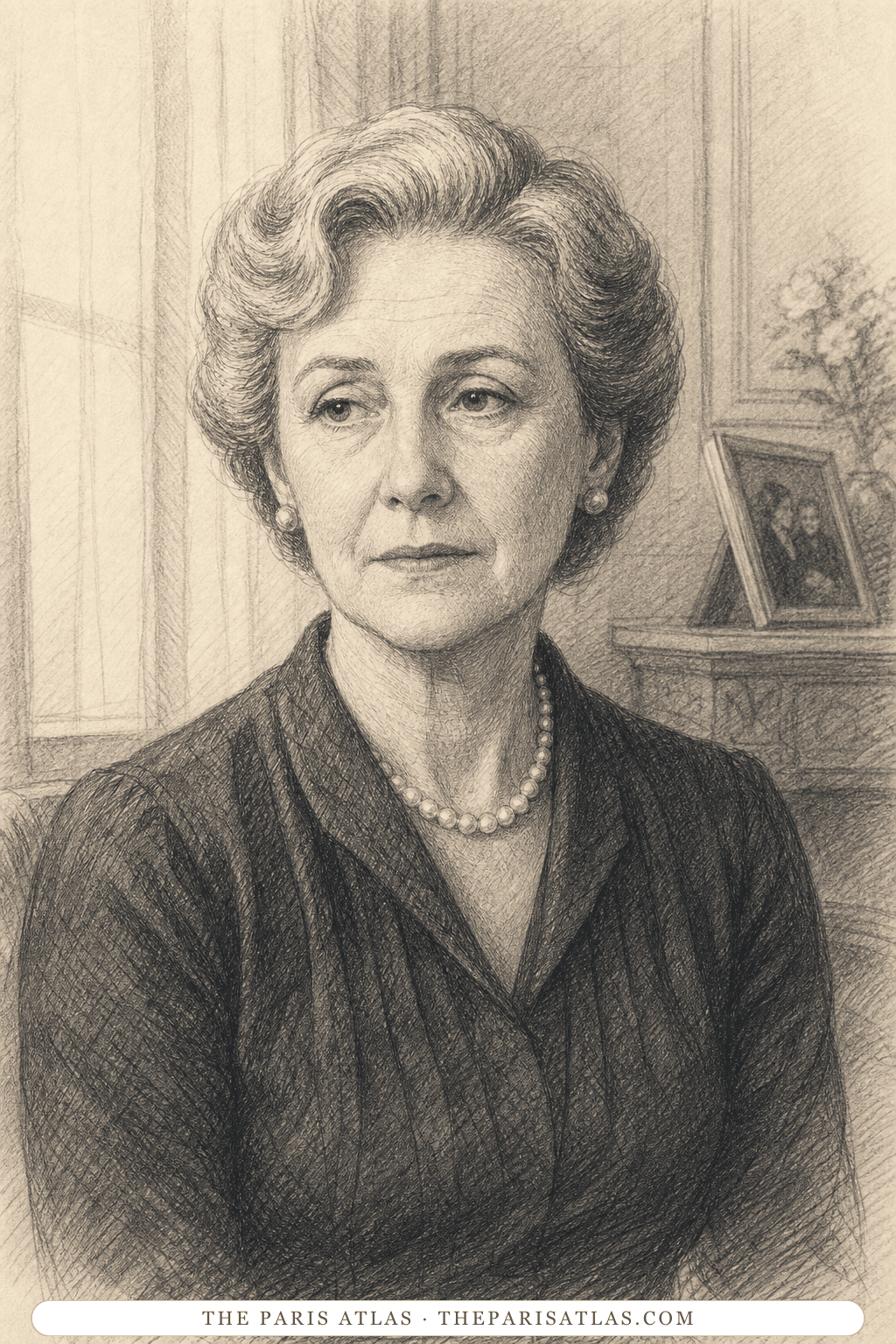
Dickie's seriously ill mother, whose wish to see him again adds urgency to Herbert's mission.
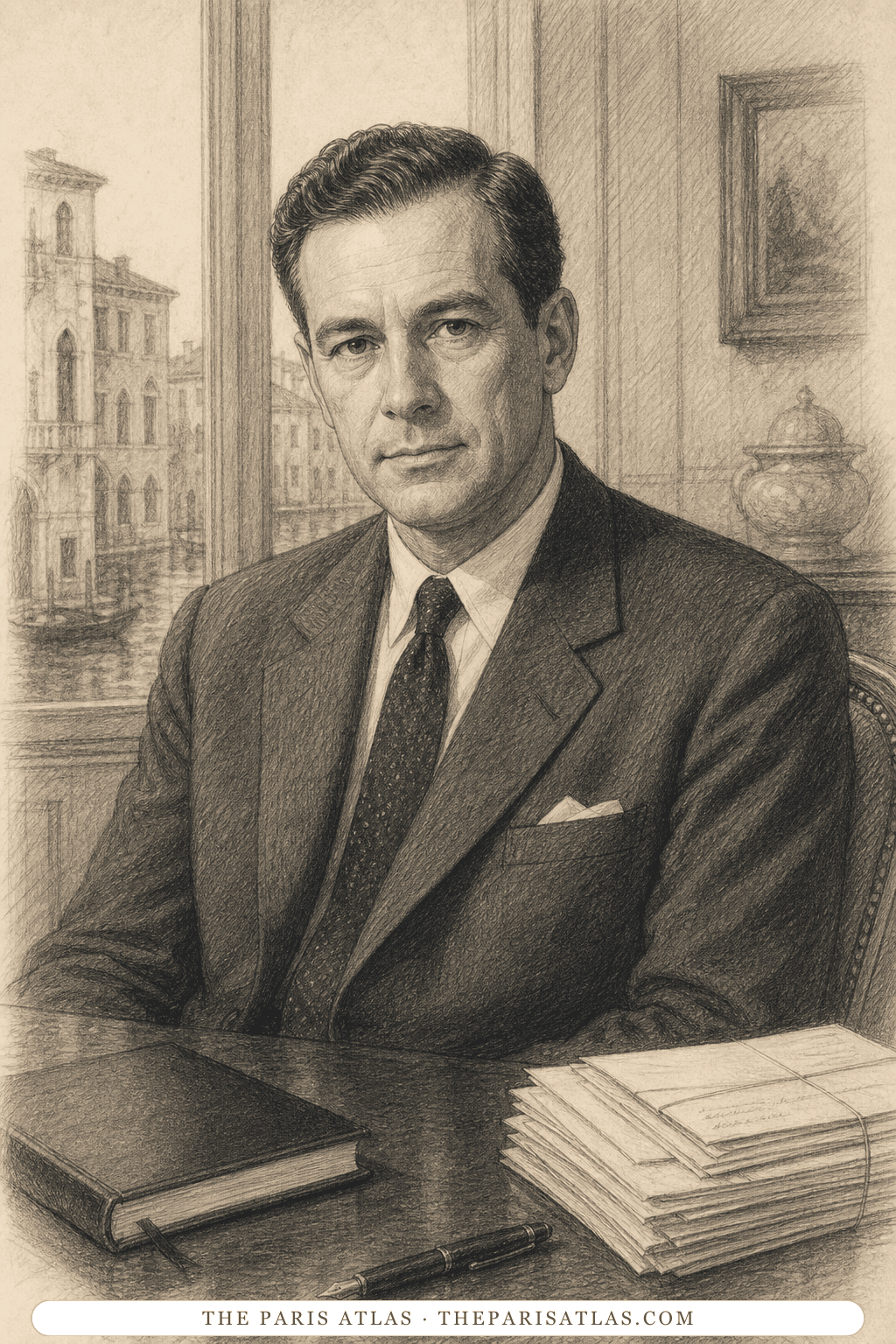
The private investigator Herbert hires to examine Dickie's disappearance and the trail around Tom.
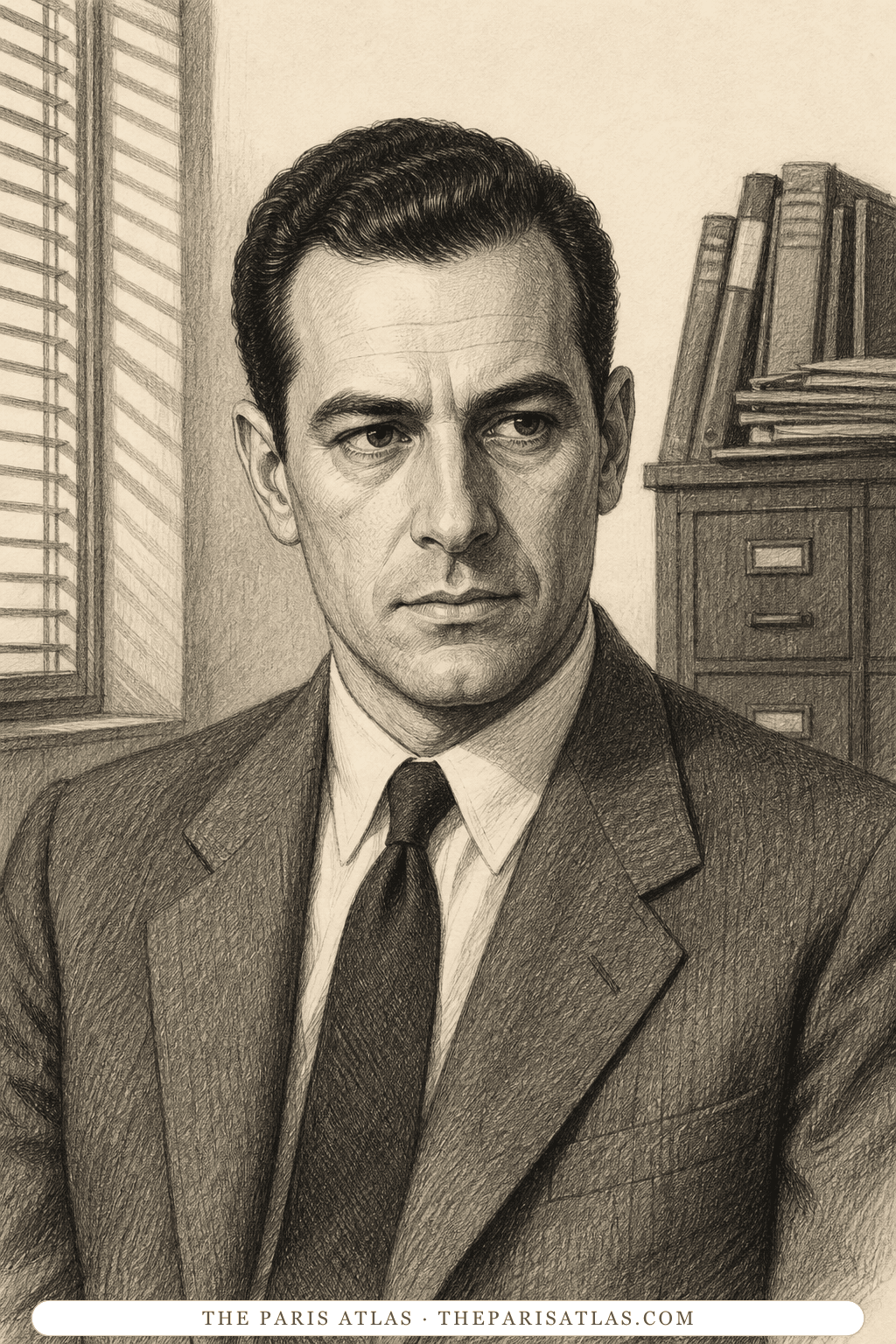
The Italian police lieutenant whose questions force Tom to keep his two identities separate.
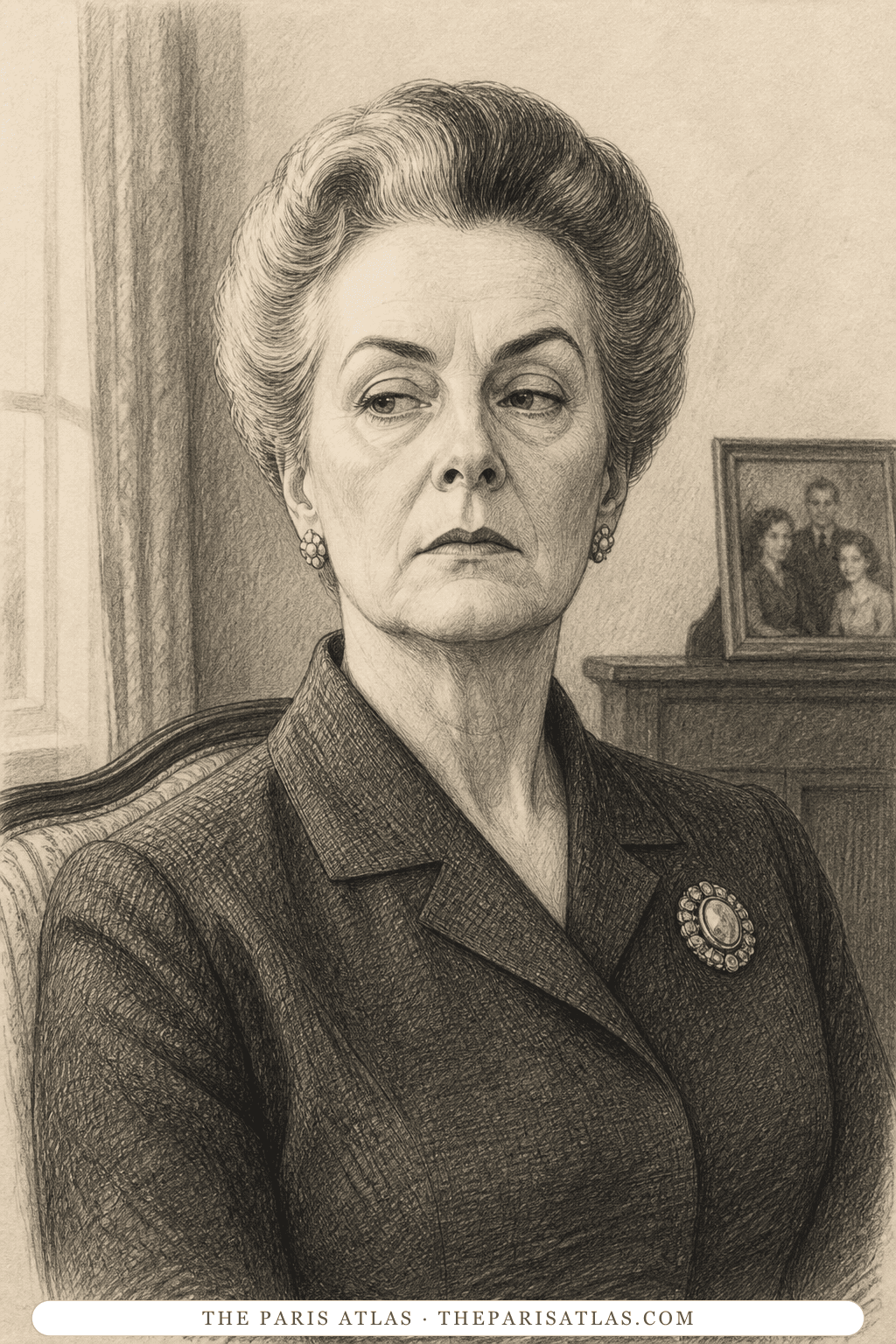
The aunt who raised the orphaned Tom and remains a source of shame in his memories and letters.

Tom's artist friend in New York, one of the few people with whom he shares an apparently uncomplicated affection.
1955
Coward-McCann publishes the first American edition in New York.
1960
René Clément directs Purple Noon, the first major screen adaptation, starring Alain Delon.
1997
Library of America includes the novel in Crime Novels: American Noir of the 1950s.
1999
Anthony Minghella's film reaches theaters, and Everyman's Library collects the first three Ripley novels.
2008
W. W. Norton publishes the 288-page paperback with ISBN 9780393332148.
2024
Netflix releases Steven Zaillian's eight-episode black-and-white series Ripley.


Both place manipulation and moral danger inside beautiful Mediterranean leisure, though Highsmith's novel becomes a crime story.
Read our take
Both follow Americans in Europe through money, glamour, desire, and damage beneath an attractive social world.
Read our take
Both center on an outsider who reinvents himself to enter a wealthy life and discovers that desire cannot erase class or personal history.
Read our takeIt follows Tom Ripley, a poor young American who goes to Italy to bring home a rich man's son, murders him, takes his identity, and tries to escape the investigation.
He is both the main character and the murderer. The novel creates suspense by staying close to his plans without treating his crimes as justified.
Dickie's rejection threatens the friendship, identity, and wealthy European life Tom has built his future around. Tom kills him to prevent that loss and takes the parts of his life he can imitate.
No. The family accepts the forged will, and Tom sails toward Greece apparently free, although he keeps imagining police waiting for him.
The novel leaves his sexuality unresolved. His attachment to Dickie includes attraction, envy, jealousy, admiration, and the wish to become him; readers and adaptations weigh those elements differently.
No. It is Highsmith's fictional Italian coastal town. Screen adaptations use different real locations to represent it.
Both. The crimes provide suspense, but the lasting force comes from Highsmith’s psychological portrait of Tom and her treatment of identity, class, and desire.
His talent is performance: he imitates voices and manners, forges handwriting, reads social expectations, and invents explanations under pressure.
Yes. It begins a five-novel series, but its crime story and ending are complete enough to read alone.
All preserve the identity plot, but they change characters, relationships, settings, and endings to different degrees. None is a scene-by-scene substitute for the novel.
Explore authors with a similar voice, perspective, and influence.
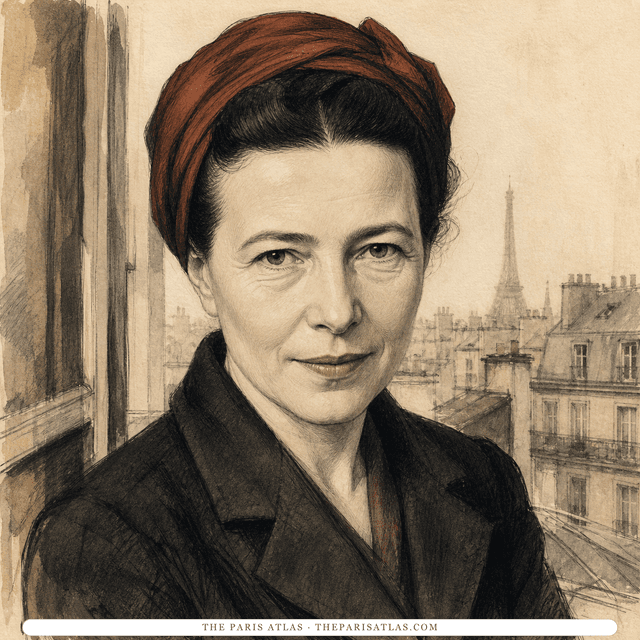
French writer and philosopher whose novels, memoirs, and social analysis examined freedom, gender, responsibility, aging, and the material conditions that shape a life.
View author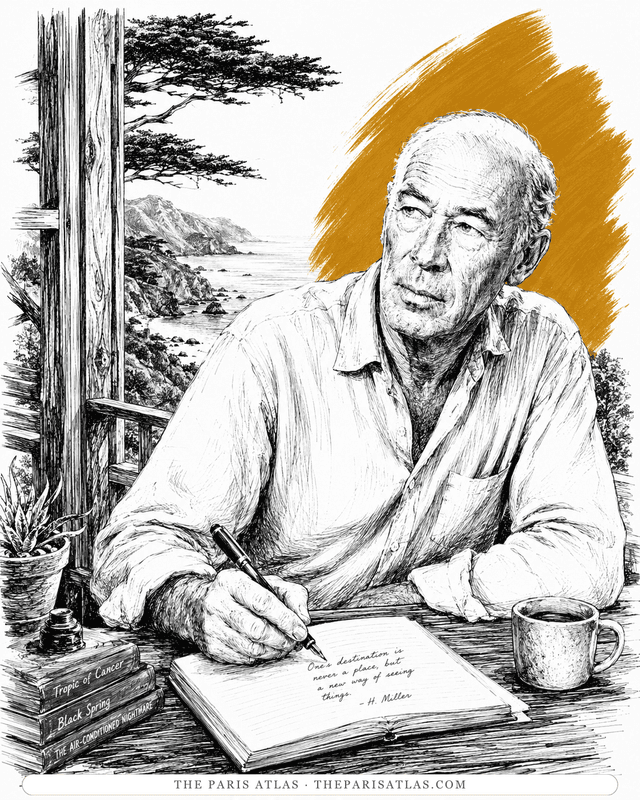
The Brooklyn dropout who arrived in Paris broke at thirty-eight and wrote the exuberant, banned books that ended American censorship.
View author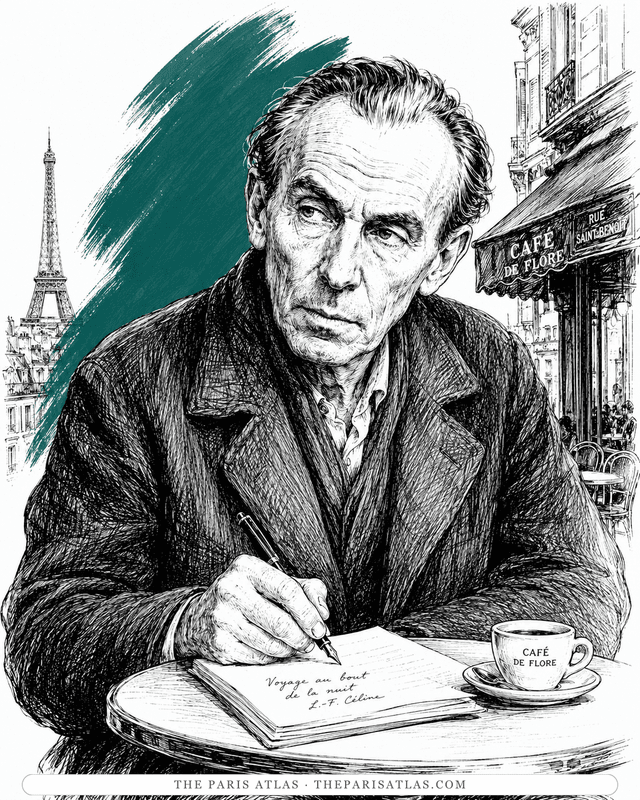
The doctor of the Paris slums who wrote the century's blackest, funniest novel — and changed the sound of French prose.
View authorThe sources below include the primary text, editions, scholarship, archival materials, and other records that informed this page. They document The Talented Mr. Ripley, its publication, and its place in literary history.


Official collected-edition record used for date, perspective, style, ISBN, and extent.
Publisher record used for the premise and current edition metadata.
Publisher author page used to cross-check authorship and the Ripley series.
Highsmith archive record used to cross-check the work in her bibliography.

Library of America author page and primary excerpt used to check Tom and Dickie's final confrontation before the boat trip.
Official publisher page used for the edition of record, series position, premise, ISBN, and extent.
Official publisher record used for the 1999 Everyman's Library collection, ISBN, contents, introduction, and extent.
Official film record used for Purple Noon.
BFI record used for the 1999 film's date, director, and principal cast.
Official studio record used for Minghella's film and principal cast.
Official series record used for release, format, creator, cast, and visual approach.
The primary text is the baseline reference for every book page. Additional references document publication history, interpretation, and historical context where that evidence is available.
 Explore more resources