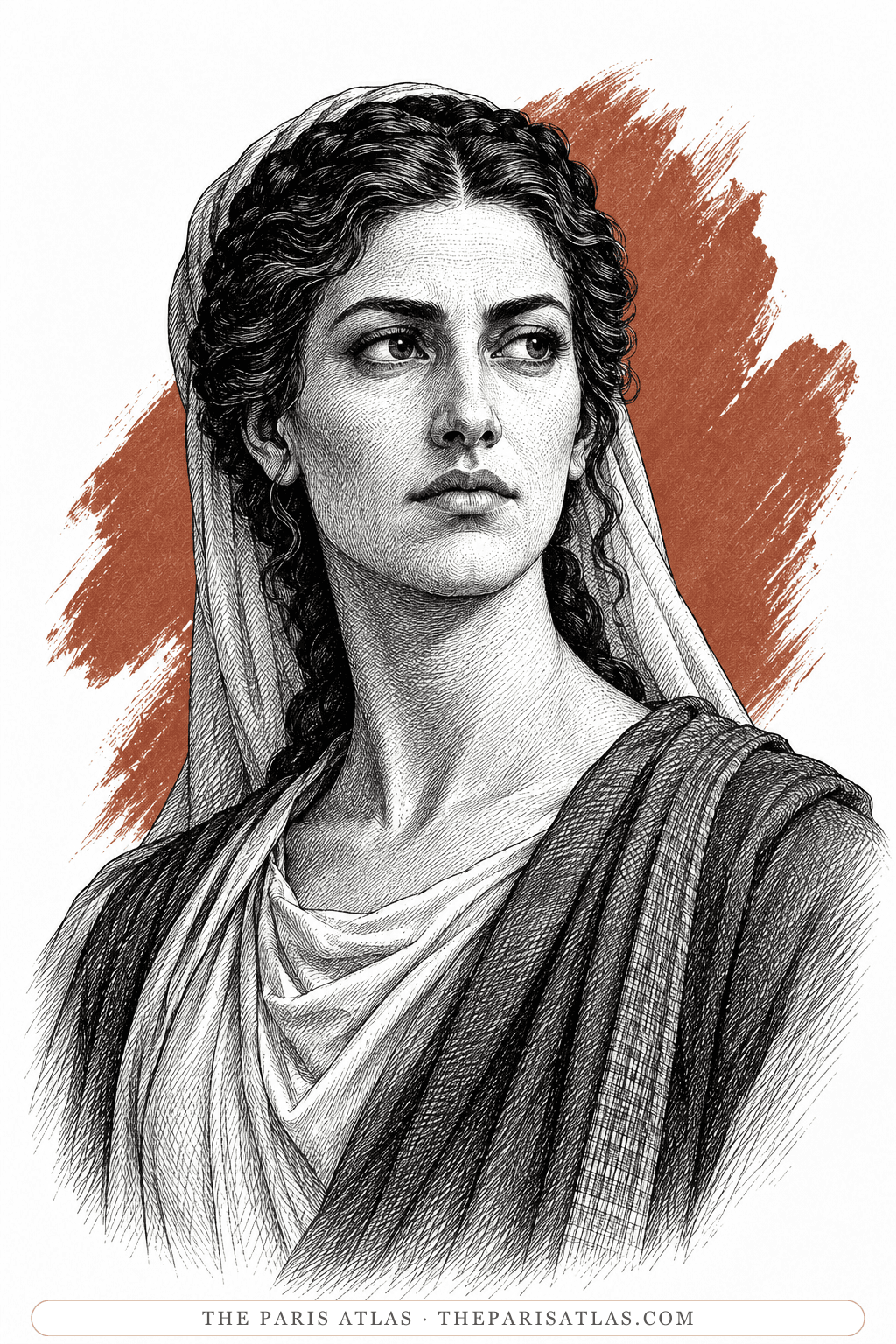
Astarte
The fictional queen of Babylon who helps Zadig escape and pursues her own survival after losing royal protection.
She wants to survive coercion, recover her freedom and be reunited with Zadig.
The book

Who they are in the book
Spoiler-freeAstarte has a ceremonial title but repeatedly finds that rank cannot protect her from violence or captivity. Her letters, negotiations and use of concealment help direct the story even when she cannot command events.
How Astarte Is Portrayed
- Sending a warningIn Chapter VII, a servant's drawing reveals King Moabdar's plan to kill the queen and Zadig. Astarte sends Zadig a letter urging flight, using the little time available to protect him.
- Speaking from inside a statueIn Chapter XV, Astarte recalls hiding in the temple's enormous divine image with help from Zadig's friend Cador and his priest brother. Her concealed voice condemns the king's conduct, turning the hiding place into a means of resistance.
- Discovering the limits of rankIn Chapter XV, she describes her capture by the prince of Hyrcania. Her attempt to speak with royal authority fails because he treats her as a possession; the scene separates an honored title from actual power.
- Negotiating an escapeIn Chapter XV, Astarte persuades the rival captive Missouf that helping her leave will remove competition for the prince's attention. She uses the incentives of a dangerous situation to obtain freedom of movement.
- Directing the absent competitorIn Chapter XVI, she sends Zadig the rules of Babylon's contest, then supplies armor and a horse through Cador. The court restricts her speech during the competition, but she has already acted to make his participation possible.
- Recognizing the recovered victoryIn Chapter XVIII, Astarte watches Zadig challenge Itobad and prove ownership of the white armor. Her eventual marriage follows the recovery of evidence and public recognition, after the earlier ceremonial result had favored an impostor.
If you like Zadig


If you like Voltaire
Explore authors with a similar voice, perspective, and influence.
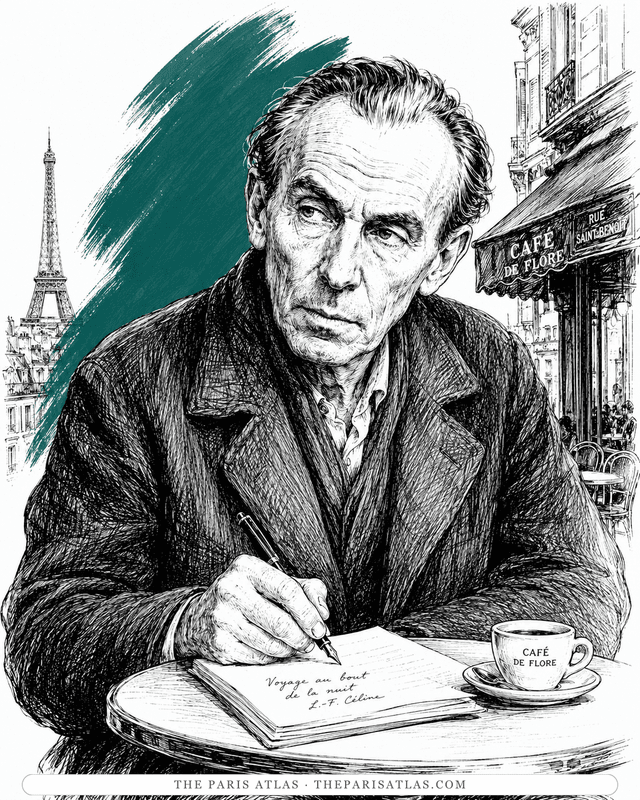
Louis-Ferdinand Céline
The doctor of the Paris slums who wrote the century's blackest, funniest novel — and changed the sound of French prose.
View author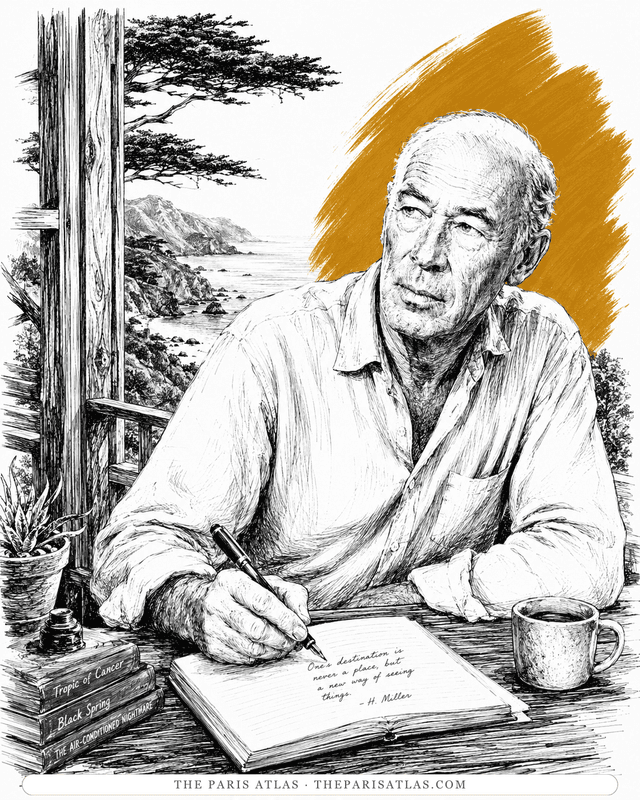
Henry Miller
The Brooklyn dropout who arrived in Paris broke at thirty-eight and wrote the exuberant, banned books that ended American censorship.
View author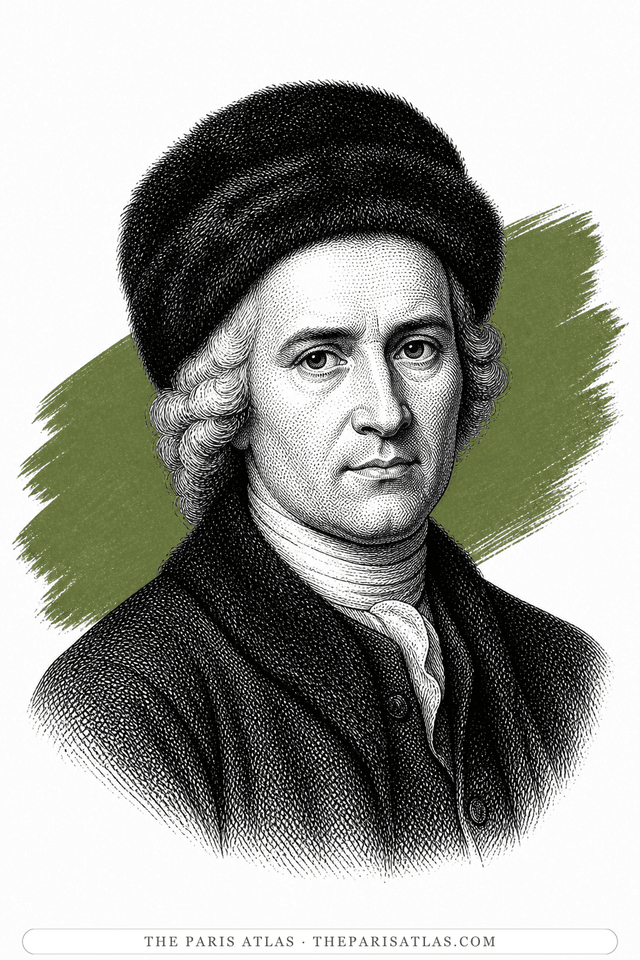
Jean-Jacques Rousseau
The Geneva-born writer who arrived in Paris in 1742 with a new system for writing down music, earned his living copying other people's scores by the page, and then wrote the books — The Social Contract, Émile, the Confessions — that got him chased out of France and, sixteen years after his death, carried into the Panthéon by the Revolution.
View author