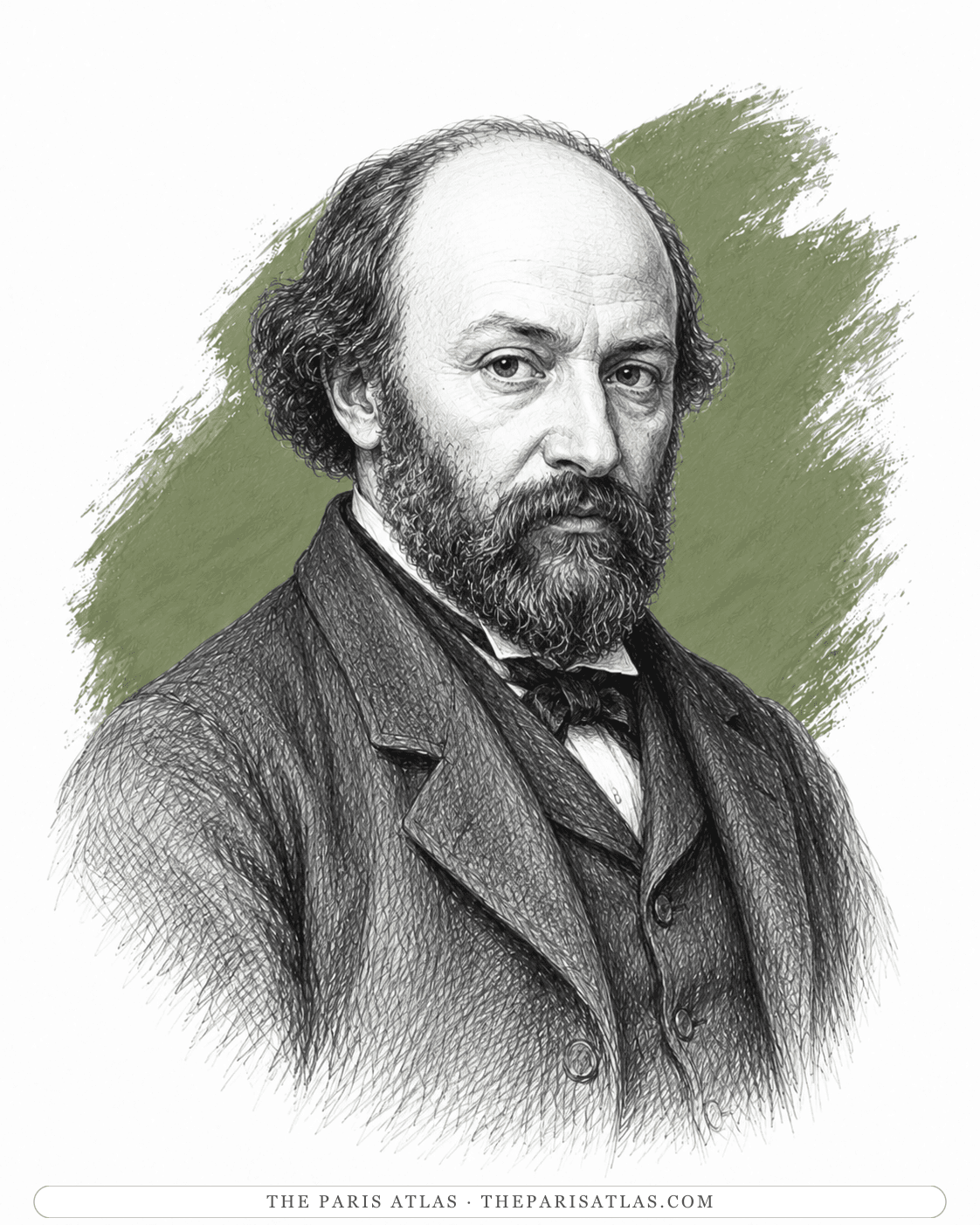
Paul Cézanne
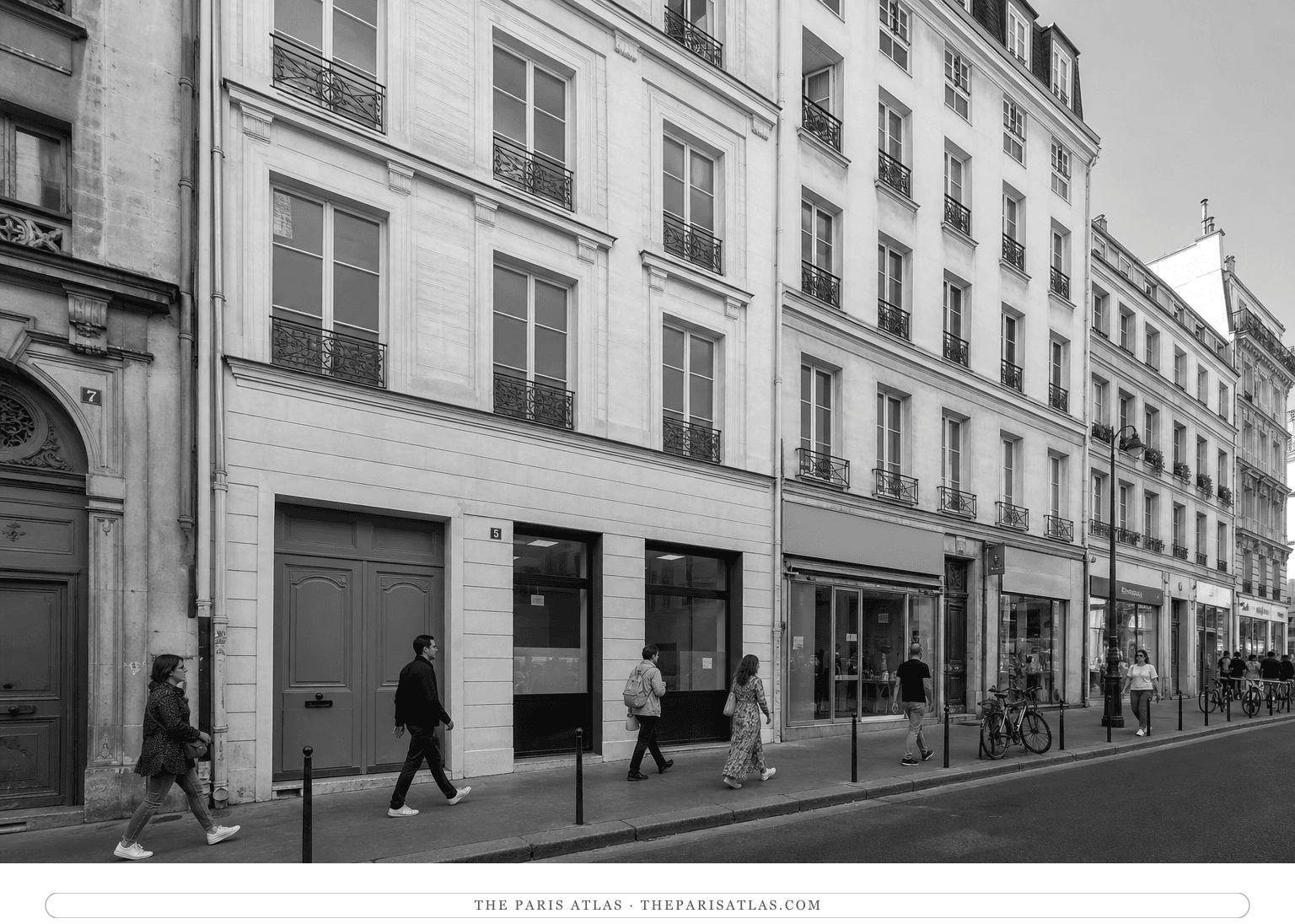
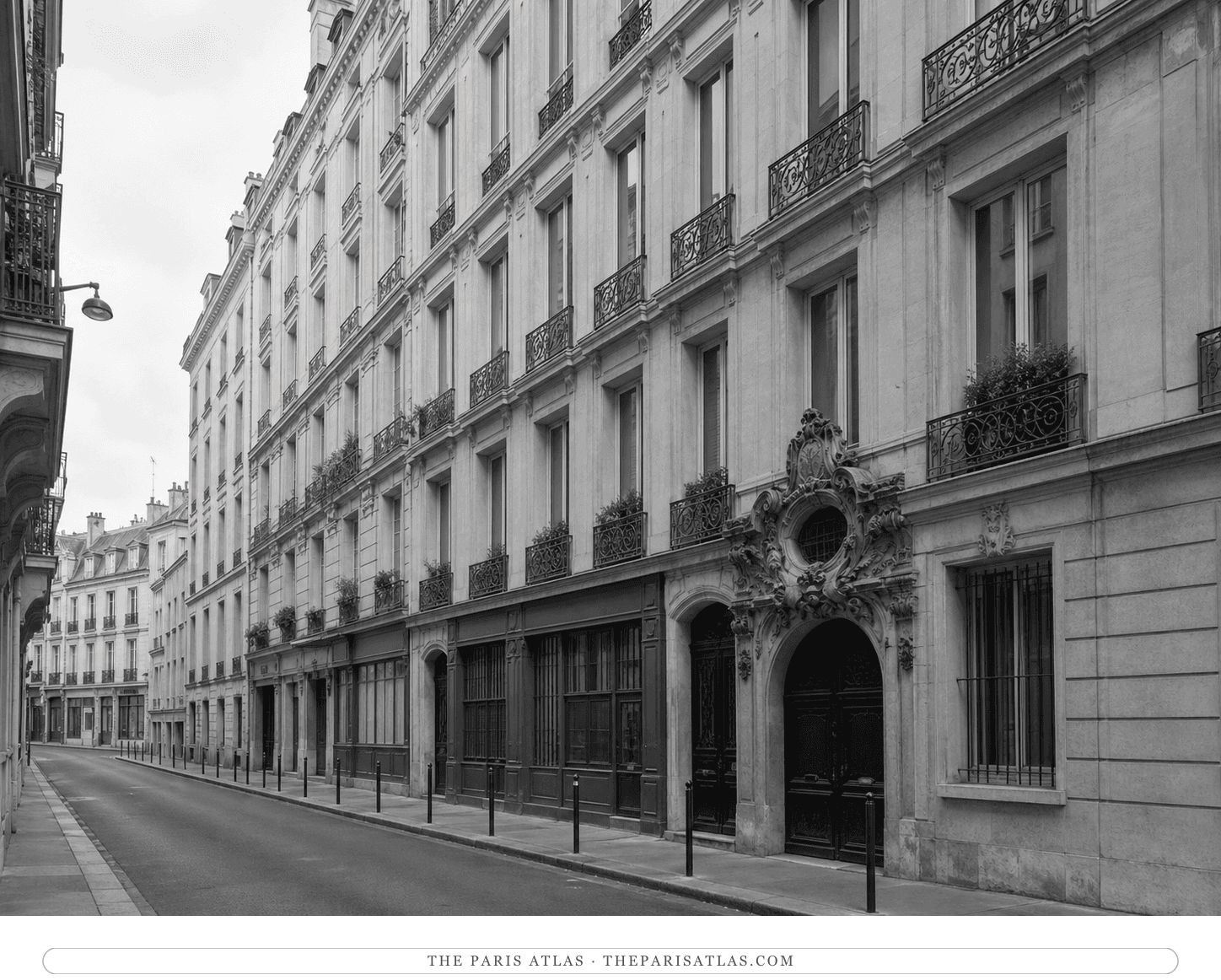
Cezanne's first Paris address, at what was then 39 rue d'Enfer in the 9th and is now the rue Bleue. He arrived in April 1861 and gave up and returned to Aix in September.
Where Paul Cézanne lodged when he arrived in Paris in 1861 at twenty-two, having finally won his banker father's permission to paint — and where he lasted a matter of months before retreating to Aix.

Paul Cézanne came to Paris in April 1861. His father, a hat-maker turned banker in Aix, had wanted him in law and then in the family bank, and had resisted the idea of painting for years. Émile Zola, his schoolfriend from Aix, was already in Paris and had been writing to him relentlessly to come.[1]
He took a room at 39 rue d'Enfer, in the 9th — a street since renamed the rue Bleue. The name causes confusion, because the famous rue d'Enfer was on the Left Bank and became the avenue Denfert-Rochereau; this was a different street of the same name.[1]
The visit went badly. He drew at the Académie Suisse, was intimidated by the standard around him, quarrelled with Zola, and by September he had given up and gone home to Aix to work in his father's bank. He lasted about five months.[2]
He came back. The pattern of his life is this shuttle — Paris and Aix, arrival and retreat, repeated for forty years — and it starts at this door.[3]
Zola had known Cézanne at school in Aix and understood that the provincial bank offered security at the cost of the work his friend wanted to make. His letters urged action, but they could not supply confidence once Cézanne entered Paris classrooms. The friendship therefore shaped both the journey and the disappointment: Zola represented the life already attempted in the capital, while Cézanne arrived carrying family pressure and little institutional validation.
The Académie Suisse was not an academy in the official sense. It offered artists an inexpensive place to draw from live models without entrance examinations or a fixed course. That freedom attracted independent painters, but it also exposed a newcomer directly to practised peers. Cézanne's sense that he was behind them was not proof that he lacked ability; it was the shock of measuring private ambition against a competitive working room.
Returning to the bank is often told as comic defeat because the later master seems inevitable. In 1861, nothing was inevitable. Cézanne had an allowance controlled by a father who doubted painting, limited training and a temperament made more volatile by criticism. Going home was a rational retreat even if it felt unbearable. His importance lies partly in choosing to begin again after experiencing that failure clearly.
The second move to Paris in 1862 did not instantly solve the problem. Salon rejection, unstable rooms and the struggle to develop a personal method continued for years. The five-month first stay is therefore a model in miniature of the longer career: approach the centre of judgement, encounter resistance, withdraw to Provence, work, and return with another attempt.
The street-name history matters because geocoding can otherwise relocate the biography across the river. Nineteenth-century documents saying rue d'Enfer may refer to this 9th-arrondissement street, while the better-known Left Bank route later became avenue Denfert-Rochereau and part of boulevard Saint-Michel. The address number, arrondissement and chronology have to be read together rather than matching the old name alone.
Today rue Bleue is a public street lined with buildings, and number 39 is a private address rather than a preserved student lodging. No early room or Académie Suisse interior survives here. The useful visit is exterior: confirm the renamed street, understand its position between the northern stations and central Paris, and then connect it to the later addresses that record Cézanne's repeated returns.
Calling this a beginning does not require inventing an artistic breakthrough inside the room. Its documented significance is more human: Cézanne arrived, tried, lost confidence and left. The stronger page keeps that uncertainty intact instead of making the first Paris doorway predict everything that followed.
The family conflict continued after the return. Louis-Auguste Cézanne had built a bank and expected his son to enter a profession that could be measured in reliable income and status. Painting appeared financially irrational, especially when early Paris experience produced no admission, prize or sale. Cézanne's eventual allowance gave him unusual protection, but it also preserved paternal control and the anxiety of having to justify an occupation his father considered failure.
Zola's position was different. He was also struggling, yet he had already committed himself to writing and the capital. His encouragement came from belief in Cézanne and from a shared story of provincial friends trying to enter modern culture. Their later estrangement can make the early letters seem like prelude to betrayal; at rue Bleue they instead document care, impatience and the difficult work of persuading someone to claim a life.
The address thus combines three kinds of evidence: a precise lodging chronology, the renamed street and the psychological fact of retreat recorded across correspondence and biography. None requires access to the interior. The building's present residents occupy an ordinary private address; the historical narrative belongs to 1861 and should be read from the public pavement without implying that current rooms preserve Cézanne's arrangement.
Cézanne arrives in Paris in April and lodges at 39 rue d'Enfer.
He abandons Paris in September and returns to Aix.
He comes back to Paris and begins again.
At 39 rue d'Enfer in the 9th arrondissement, now 39 rue Bleue, from April 1861. He stayed about five months before returning to Aix.
No. Two Paris streets carried the name. This one, in the 9th, became the rue Bleue; the Left Bank rue d'Enfer became the avenue Denfert-Rochereau and part of the boulevard Saint-Michel.
Cezanne's first Paris address, at what was then 39 rue d'Enfer in the 9th and is now the rue Bleue. He arrived in April 1861 and gave up and returned to Aix in September.

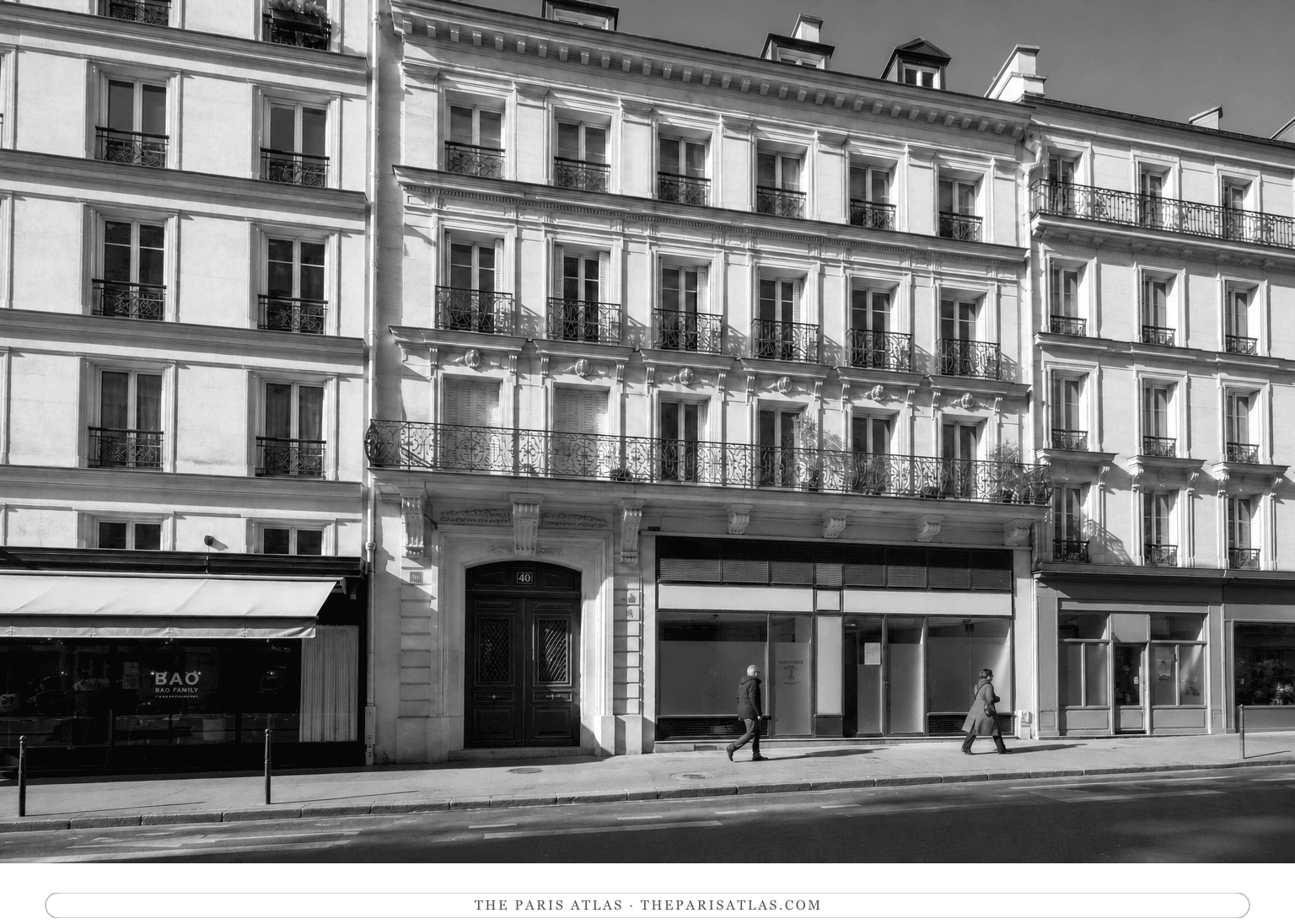
The Paris offices of the Chicago Tribune, where Henry Miller worked as a proofreader in 1931 — the only steady paid work of his Paris decade, taken on the night shift while he wrote Tropic of Cancer.
Visit the place
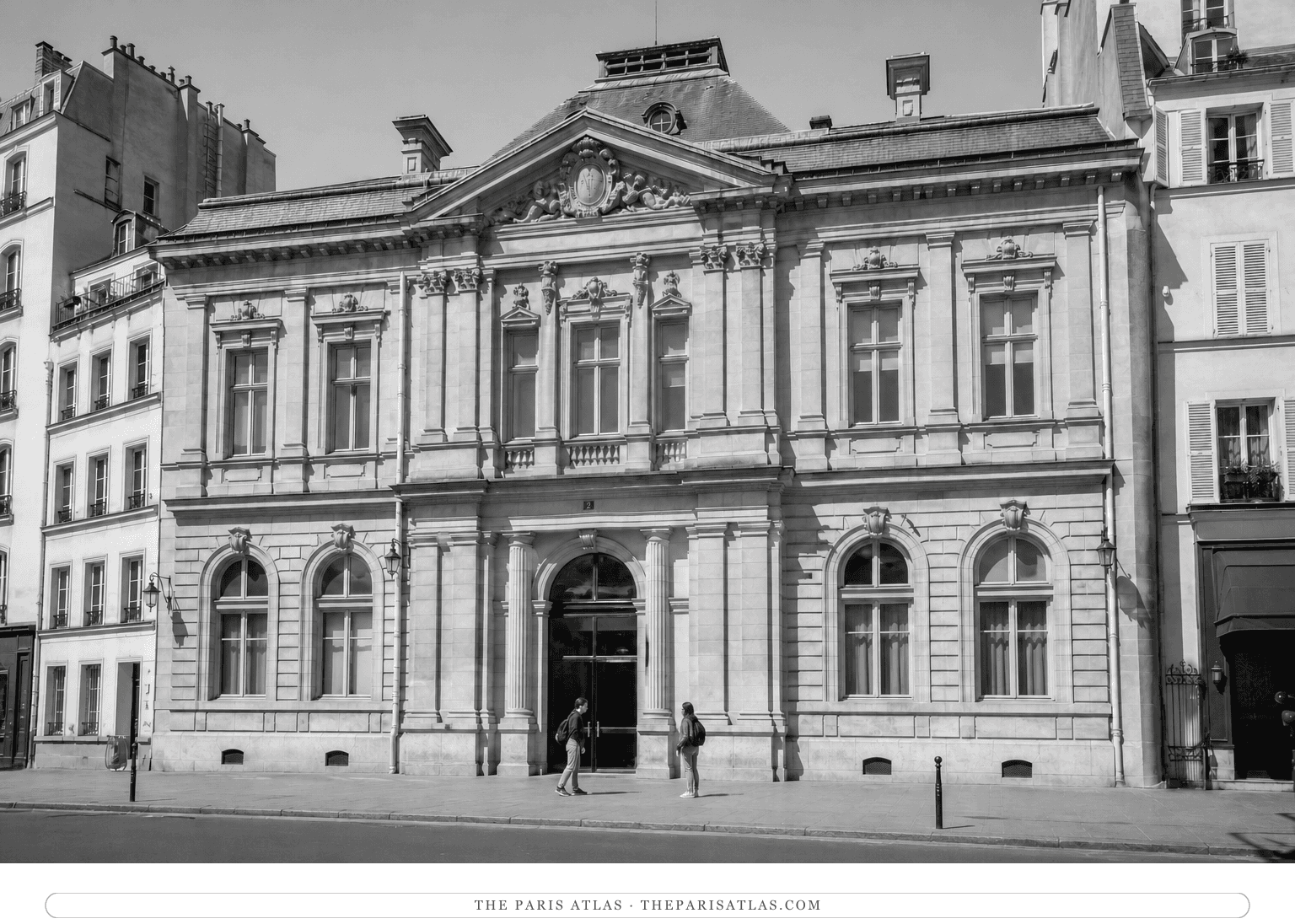
The modest concert hall where the Prélude à l'après-midi d'un faune was first performed on 22 December 1894 — a piece often treated as the beginning of modern music, premièred in a room almost nobody has heard of.
Visit the place
The old Paris Conservatoire, which Claude Debussy entered in 1872 at the age of ten and did not leave for more than a decade — the institution he spent the rest of his life arguing with.
Visit the place
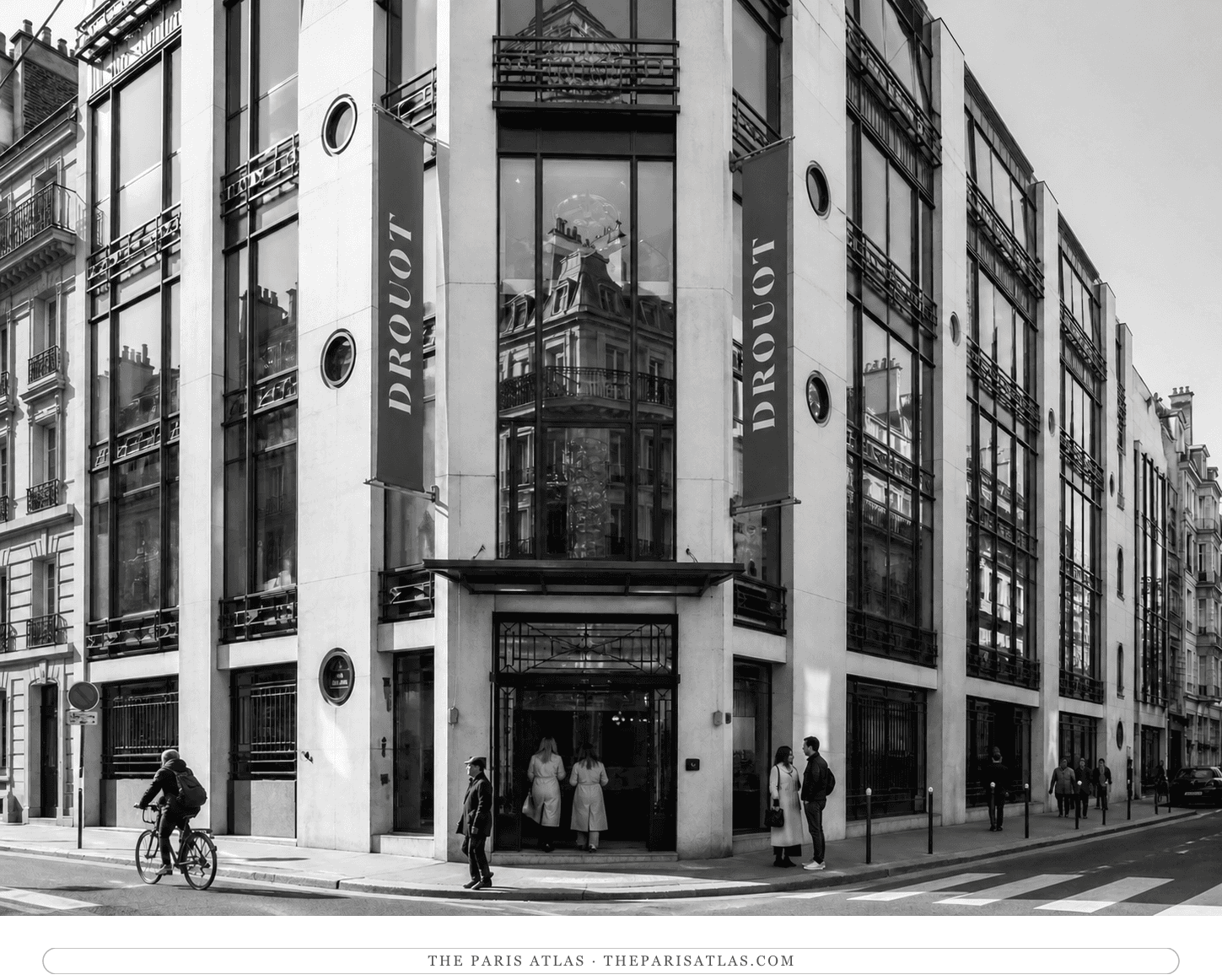
The Paris auction house where Gustave Caillebotte bid on his friends' unsellable pictures to keep prices up and money flowing — and where Paul Gauguin sold thirty of his own paintings to pay for Tahiti.
Visit the placeThe sources below include histories, archival materials, scholarly research, and official records that informed this page. They document 39 rue Bleue, the people connected to it, and its place in Paris.

Web source consulted for documented facts and historical context presented on the 39 rue Bleue page.
Web source consulted for documented facts and historical context presented on the 39 rue Bleue page.
Web source consulted for documented facts and historical context presented on the 39 rue Bleue page.
These references provide the documented foundation for this page's history and context. Claim-level citations remain attached to the specific claims they support.
 Explore more resources
Newsletter
The cafés, studios, and walk-up flats where the work was made — one story from the map in every letter.