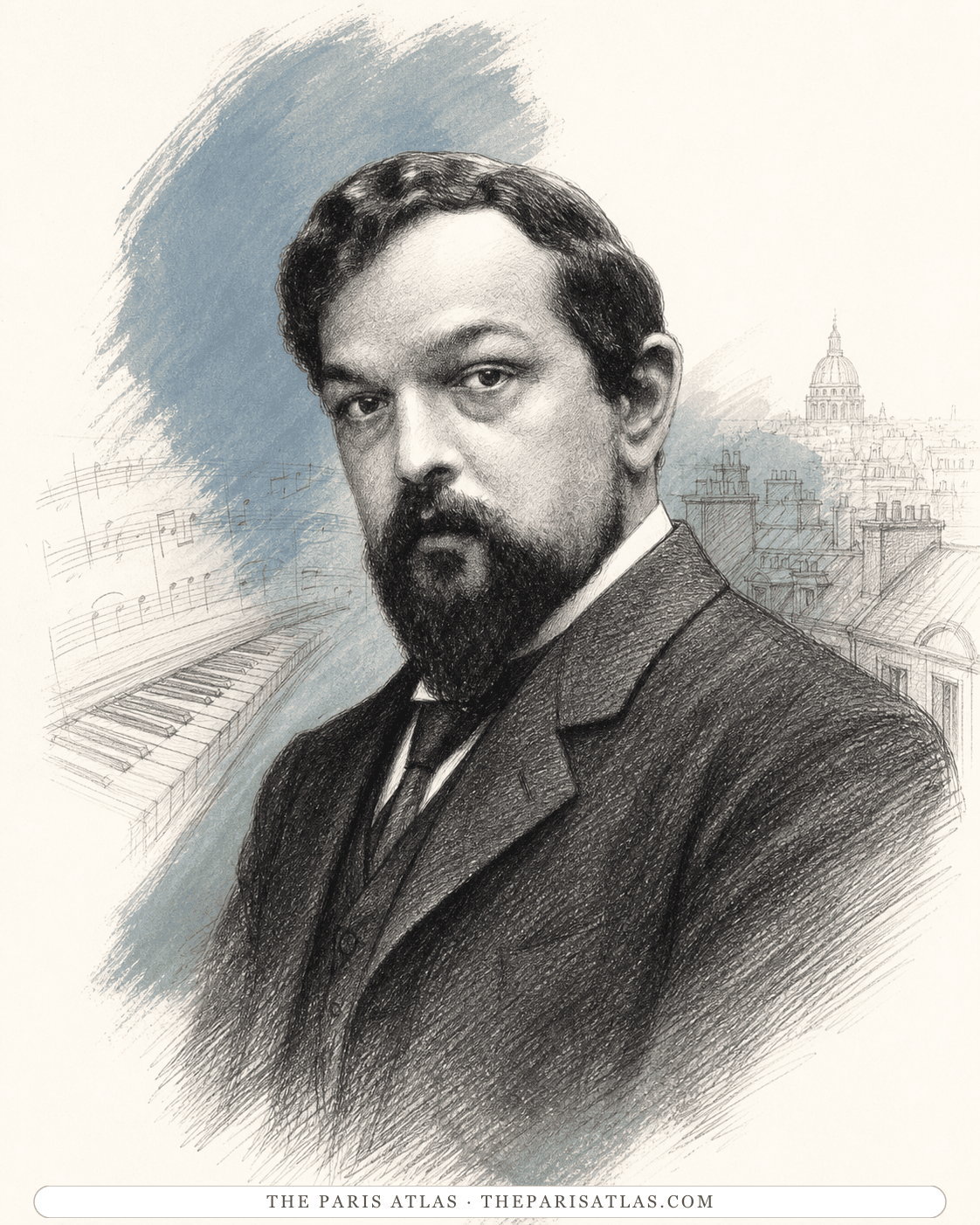
Claude Debussy
Debussy entered the Paris Conservatoire in 1872, aged ten, and studied there for more than a decade, winning the Prix de Rome in 1884.
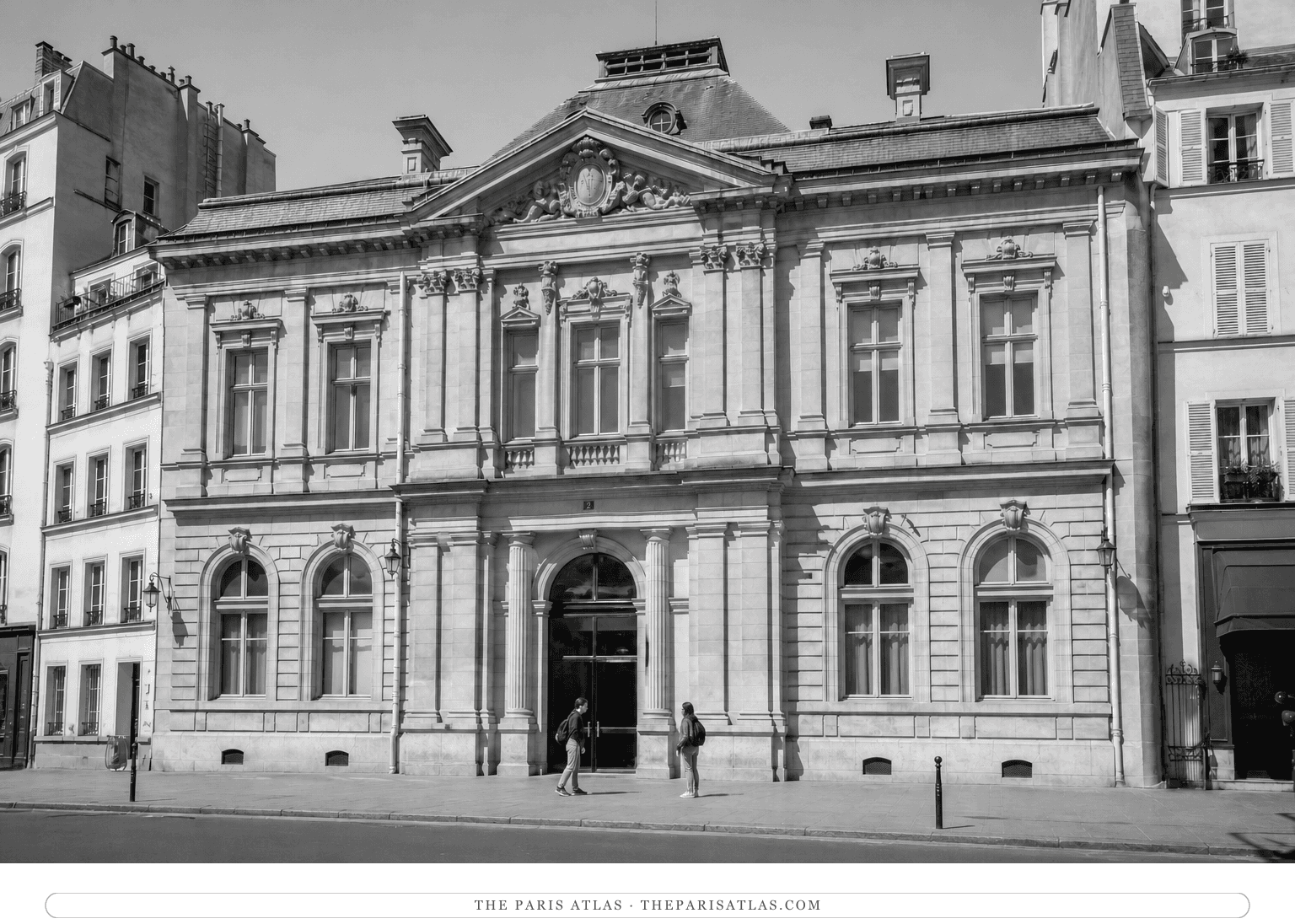
The old Paris Conservatoire, which Claude Debussy entered in 1872 at the age of ten and did not leave for more than a decade — the institution he spent the rest of his life arguing with.

Claude Debussy entered the Conservatoire in 1872, aged ten, and stayed for over a decade. He was a gifted and consistently irritating student: brilliant at the keyboard, contemptuous of the harmony rules he was being taught, and given to answering questions about why a chord was forbidden by playing it.
The Conservatoire was the gatekeeper of French musical life. It trained the performers, awarded the prizes and fed the opera houses, and its curriculum was conservative by design. Debussy took the Prix de Rome in 1884 — the establishment's highest endorsement — and then spent the rest of his career dismantling the harmonic assumptions the place had drilled into him.
The music conservatoire moved out to La Villette in 1990. The building on the rue du Conservatoire still houses the national drama conservatoire, so it remains an active school rather than a monument, and it is not generally open to visitors.
Debussy enters the Conservatoire at the age of ten.
He wins the Prix de Rome.
The music conservatoire moves to La Villette.
At the Paris Conservatoire, then at 2 rue du Conservatoire in the 9th arrondissement. He entered in 1872 at the age of ten and studied there for more than a decade.
The music conservatoire moved to La Villette in 1990. The building still houses the national drama conservatoire.
Debussy entered the Paris Conservatoire in 1872, aged ten, and studied there for more than a decade, winning the Prix de Rome in 1884.
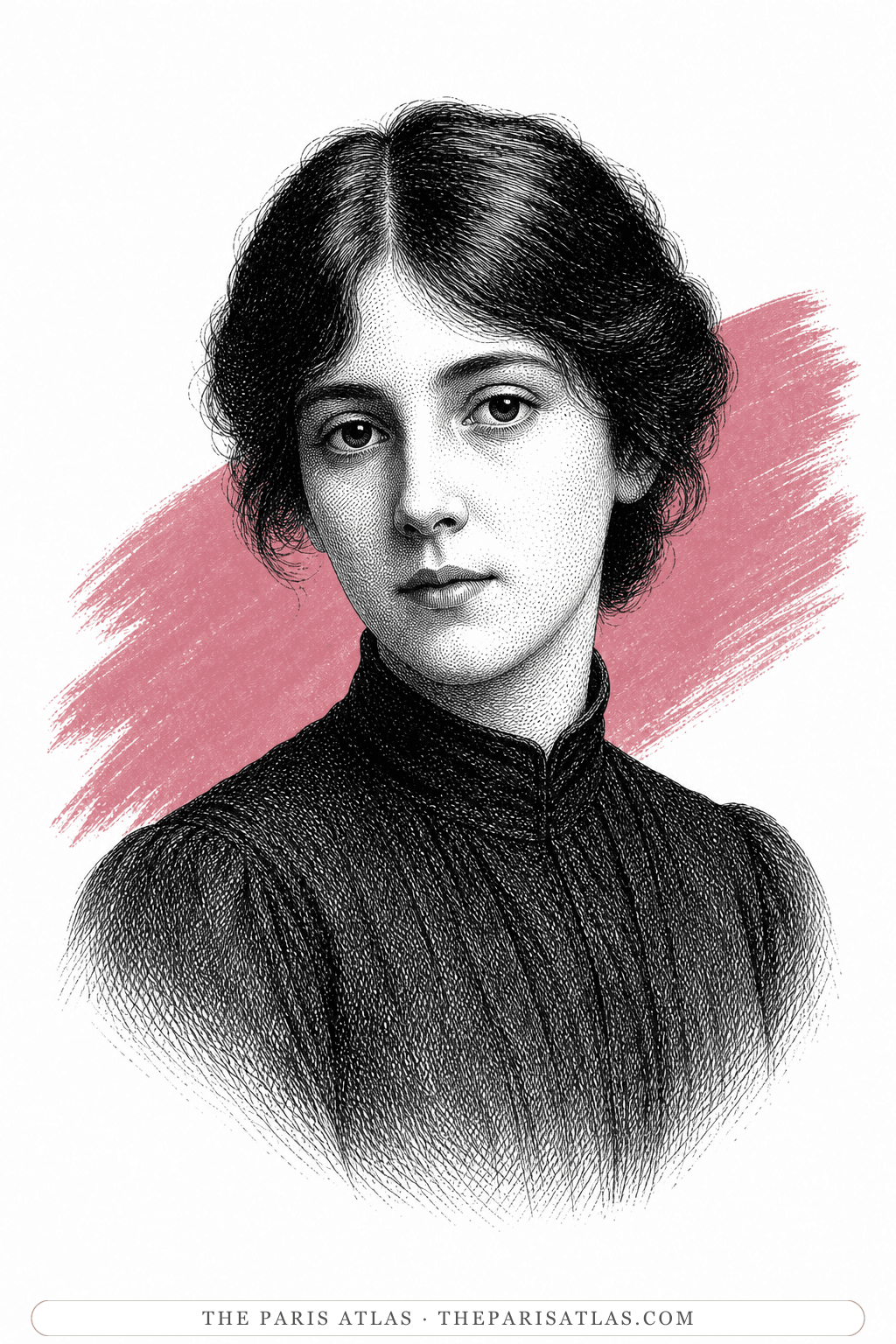
Chronic illness kept Boulanger from a full Conservatoire training, but she was admitted to Paul Vidal's composition class in January 1912. She entered the Prix de Rome that year, withdrew when her health failed, and won it in 1913.
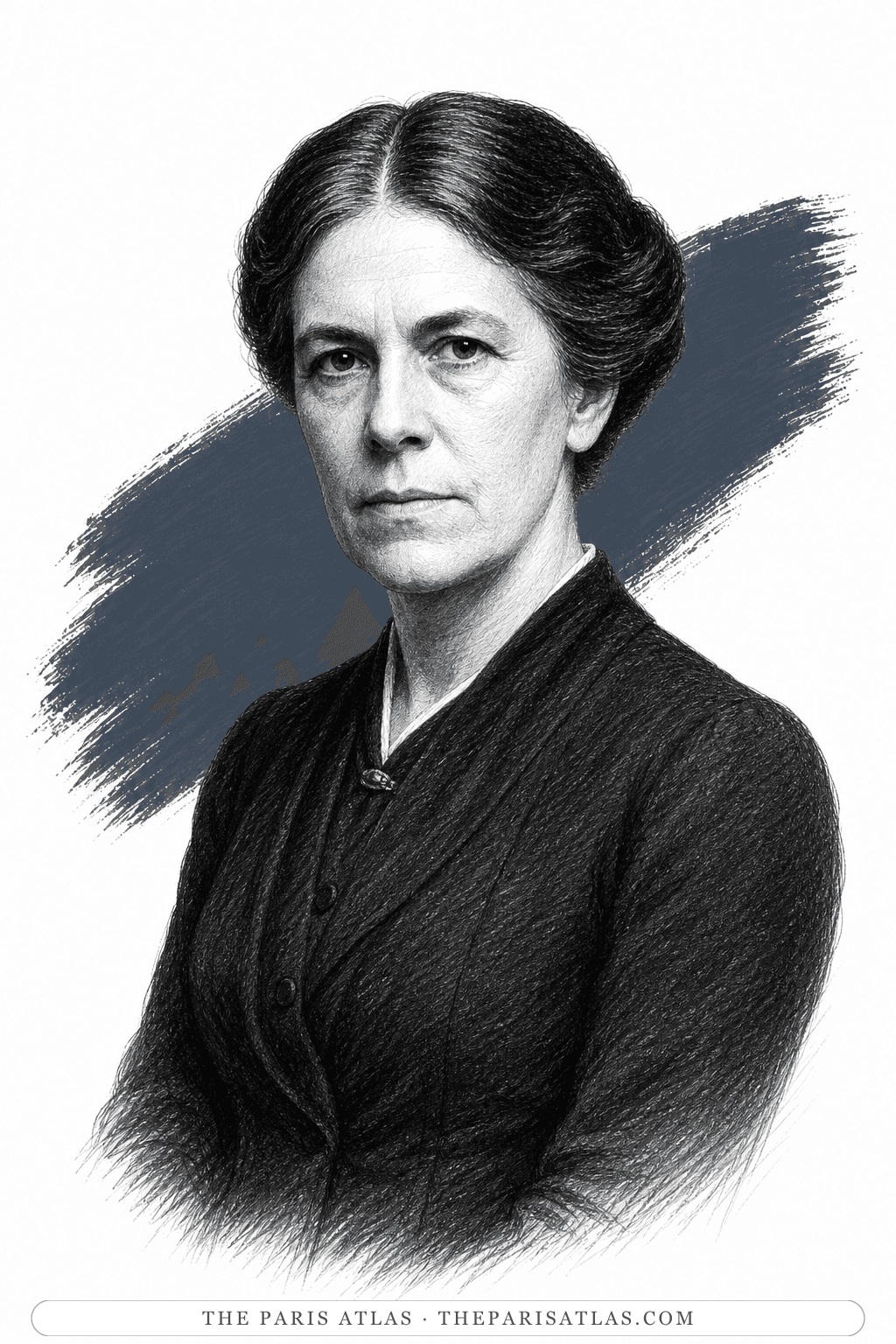
Larousse and Bru Zane place Boulanger's admission to the Paris Conservatoire in 1896, when she was nine. She studied harmony, accompaniment, fugue, organ, and composition and later won major prizes.
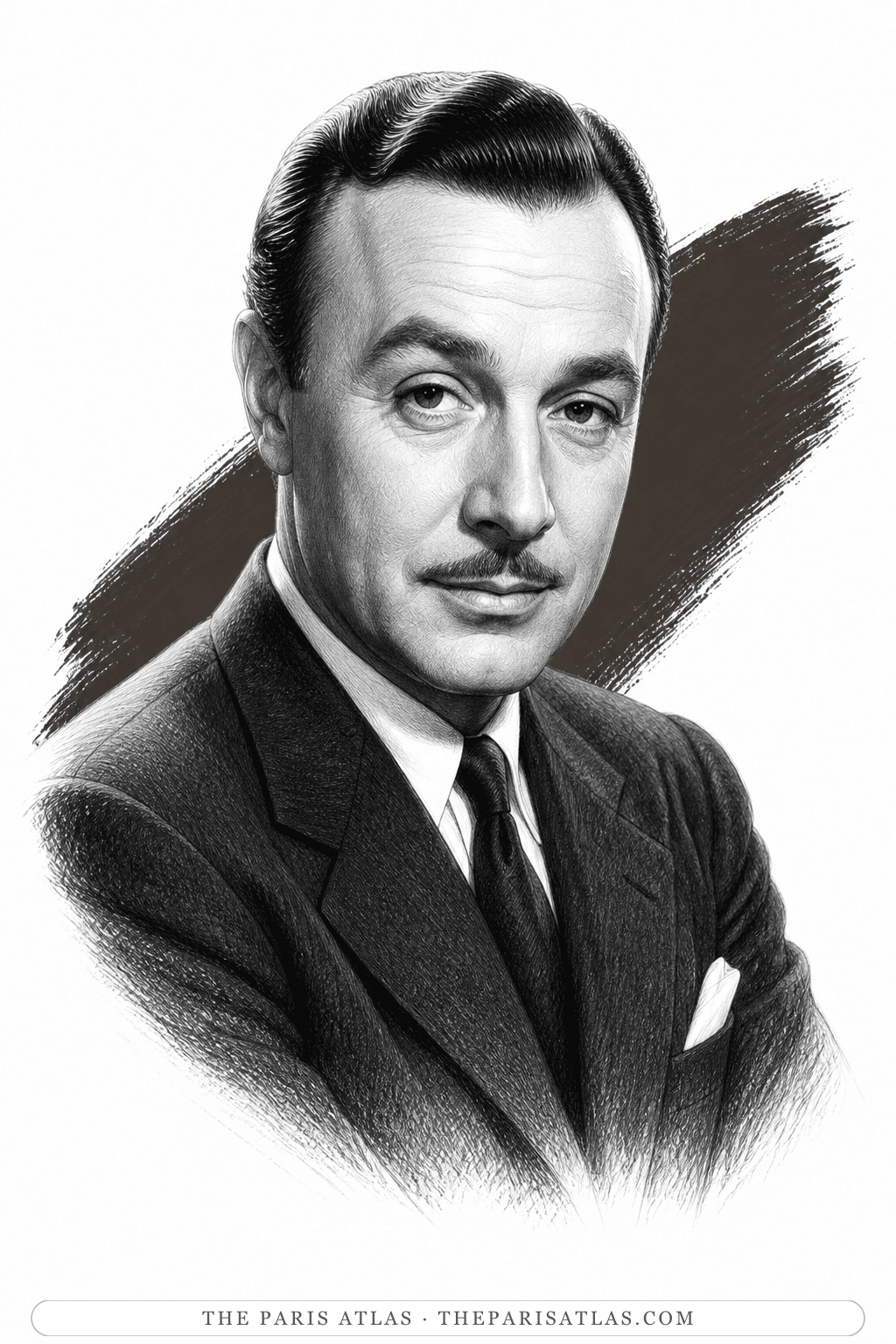
Boyer trained at the Paris Conservatory during the Paris stage education that preceded his international film career.

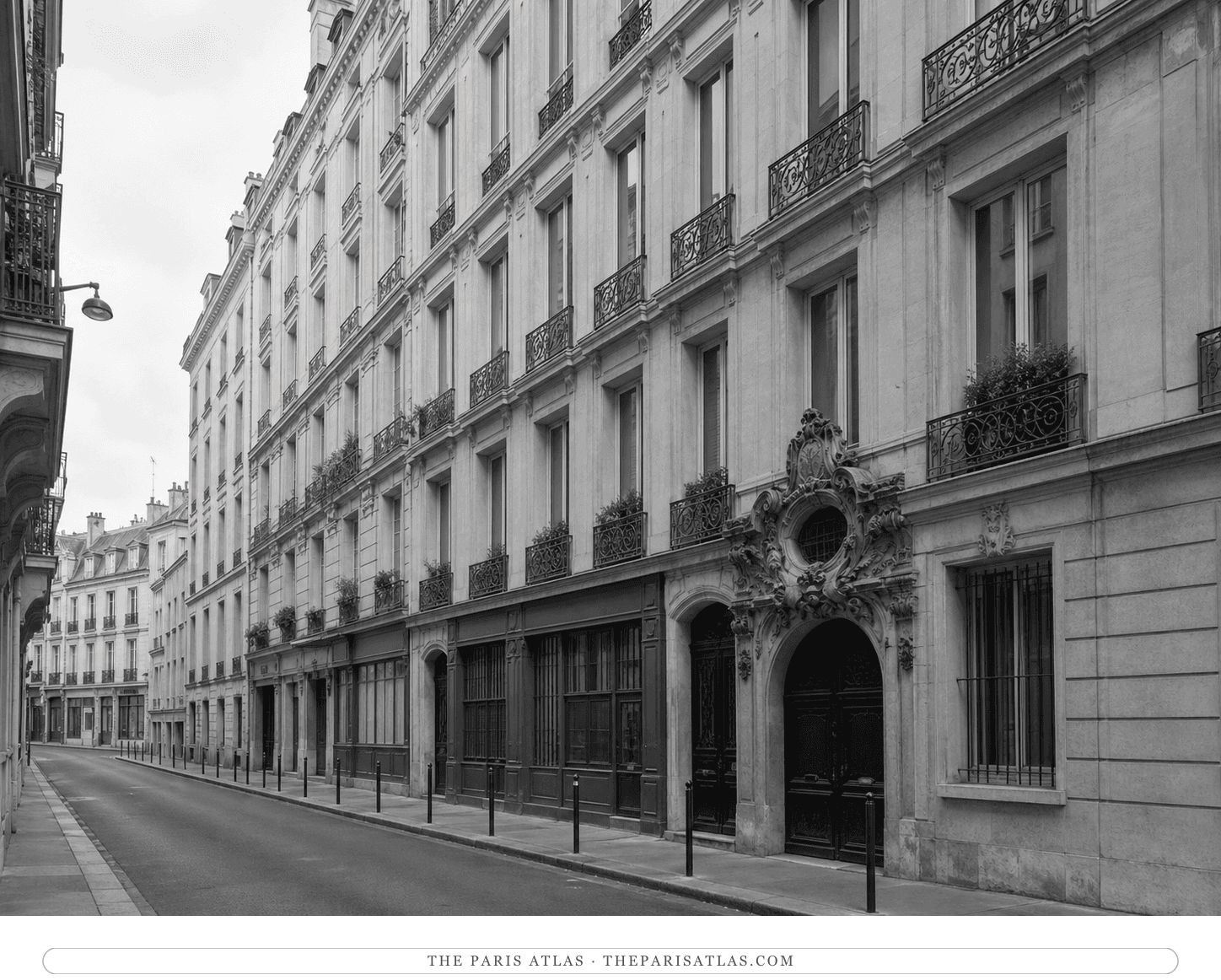
Where Paul Cézanne lodged when he arrived in Paris in 1861 at twenty-two, having finally won his banker father's permission to paint — and where he lasted a matter of months before retreating to Aix.
Visit the place
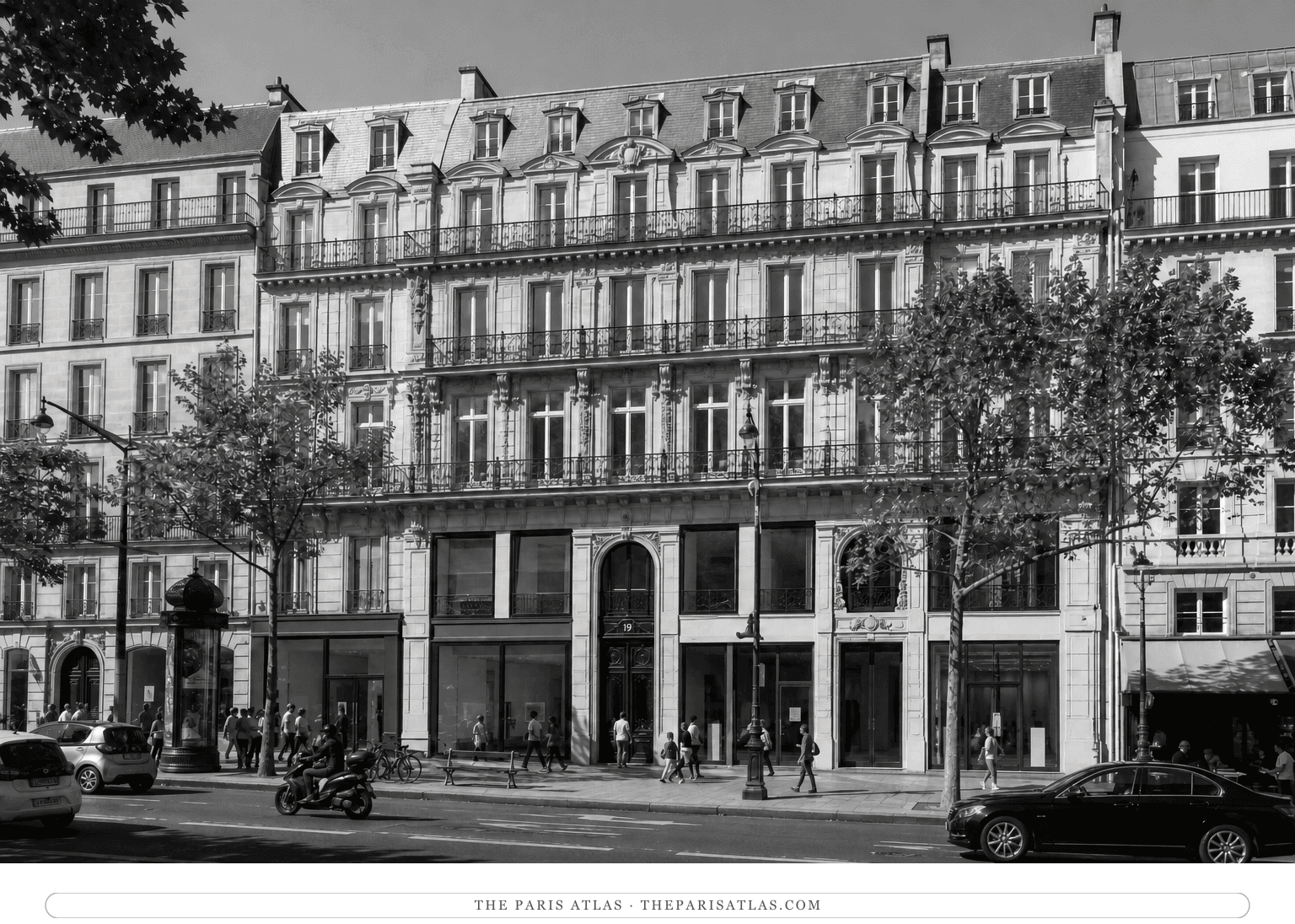
The Boussod, Valadon gallery on the boulevard Montmartre, where Berthe Morisot was given her first solo exhibition in 1892 — at the age of fifty-one, and three years before her death.
Visit the place
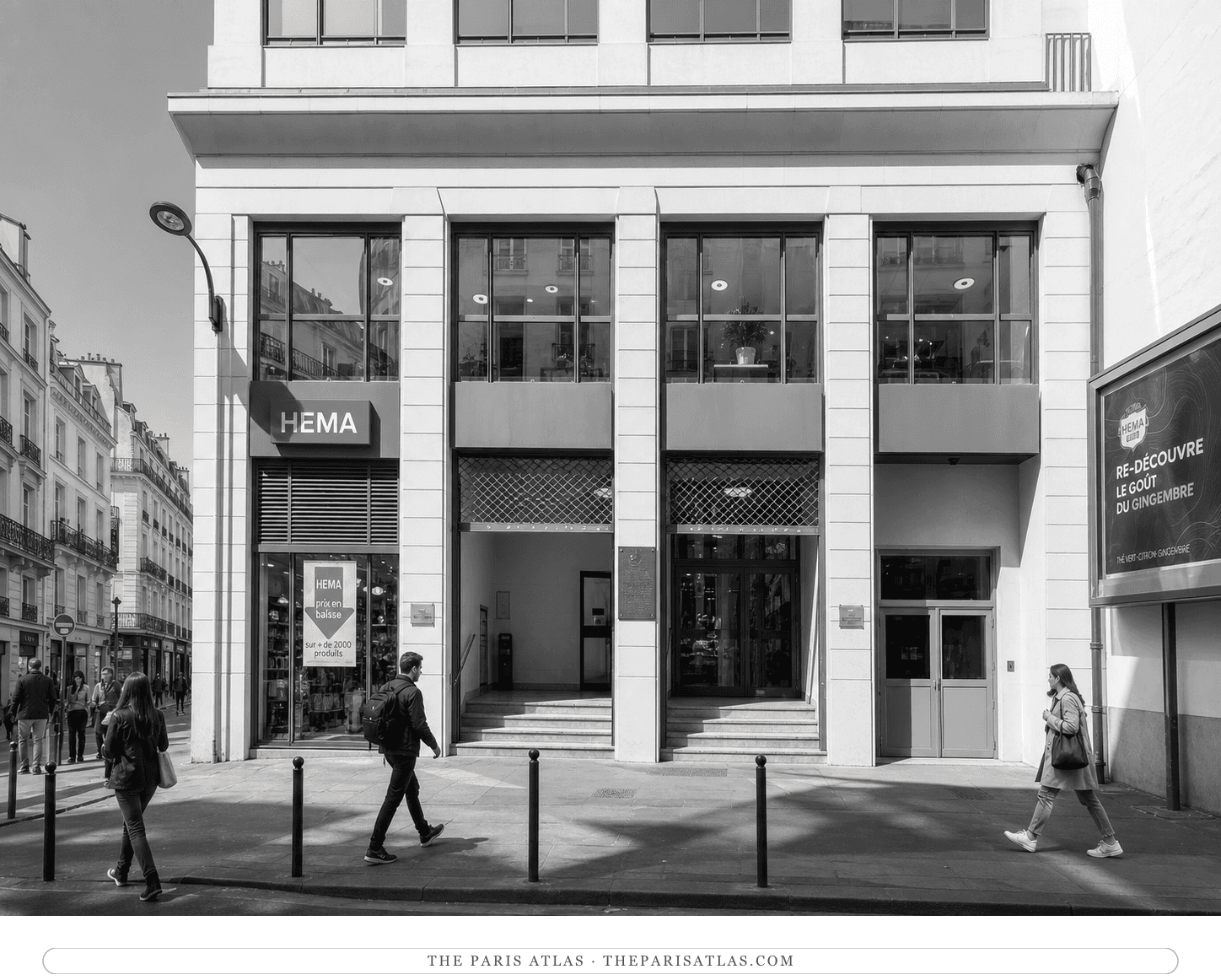
The vanished hotel on the corner of the rue Drouot and the Grands Boulevards where Camille Pissarro took a large room in February 1897 and painted sixteen canvases of the boulevards below without moving.
Visit the place
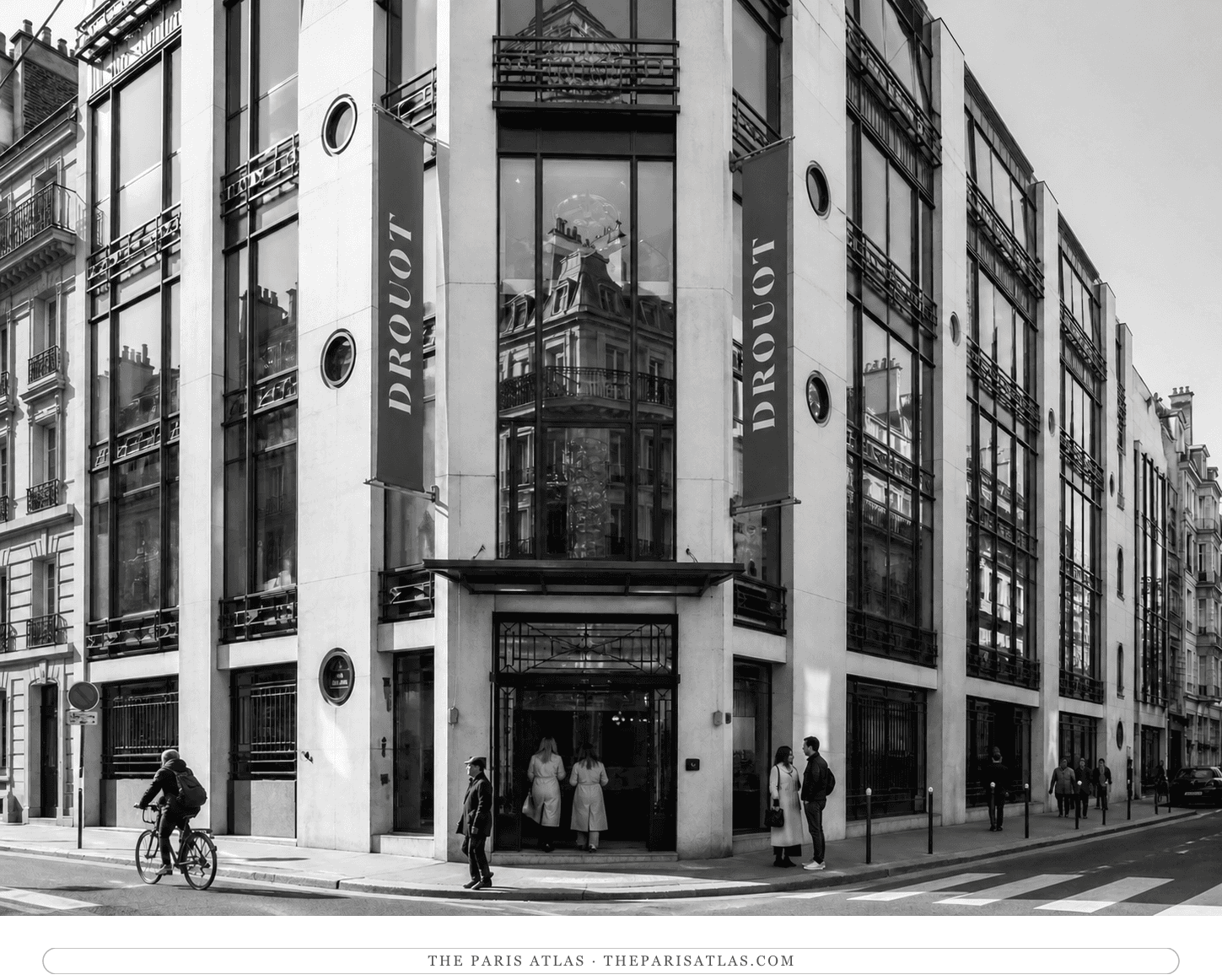
The Paris auction house where Gustave Caillebotte bid on his friends' unsellable pictures to keep prices up and money flowing — and where Paul Gauguin sold thirty of his own paintings to pay for Tahiti.
Visit the placeThe sources below include histories, archival materials, scholarly research, and official records that informed this page. They document The historic Paris Conservatoire, 2 rue du Conservatoire, the people connected to it, and its place in Paris.


Web source consulted for documented facts and historical context presented on the The historic Paris Conservatoire, 2 rue du Conservatoire page.
Web source consulted for documented facts and historical context presented on the The historic Paris Conservatoire, 2 rue du Conservatoire page.
Web source consulted for documented facts and historical context presented on the The historic Paris Conservatoire, 2 rue du Conservatoire page.
Web source consulted for documented facts and historical context presented on the The historic Paris Conservatoire, 2 rue du Conservatoire page.
These references provide the documented foundation for this page's history and context. Claim-level citations remain attached to the specific claims they support.
 Explore more resources
Newsletter
The cafés, studios, and walk-up flats where the work was made — one story from the map in every letter.