Henry Miller
Worked here · 1931
Miller worked as a night-shift proofreader at the Paris edition of the Chicago Tribune in 1931 — the only steady paid work of his Paris decade, and what paid for the room in which he was writing Tropic of Cancer.
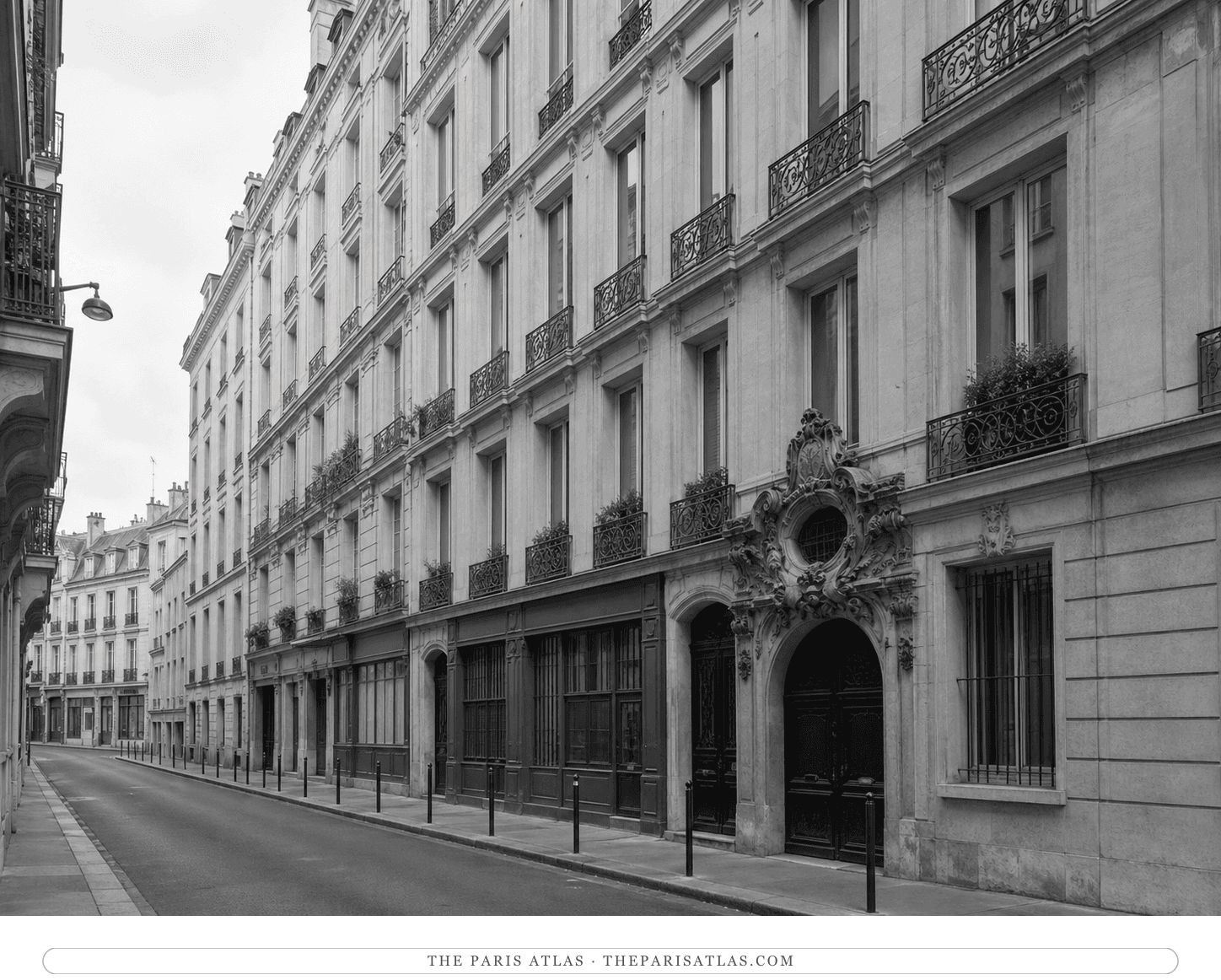
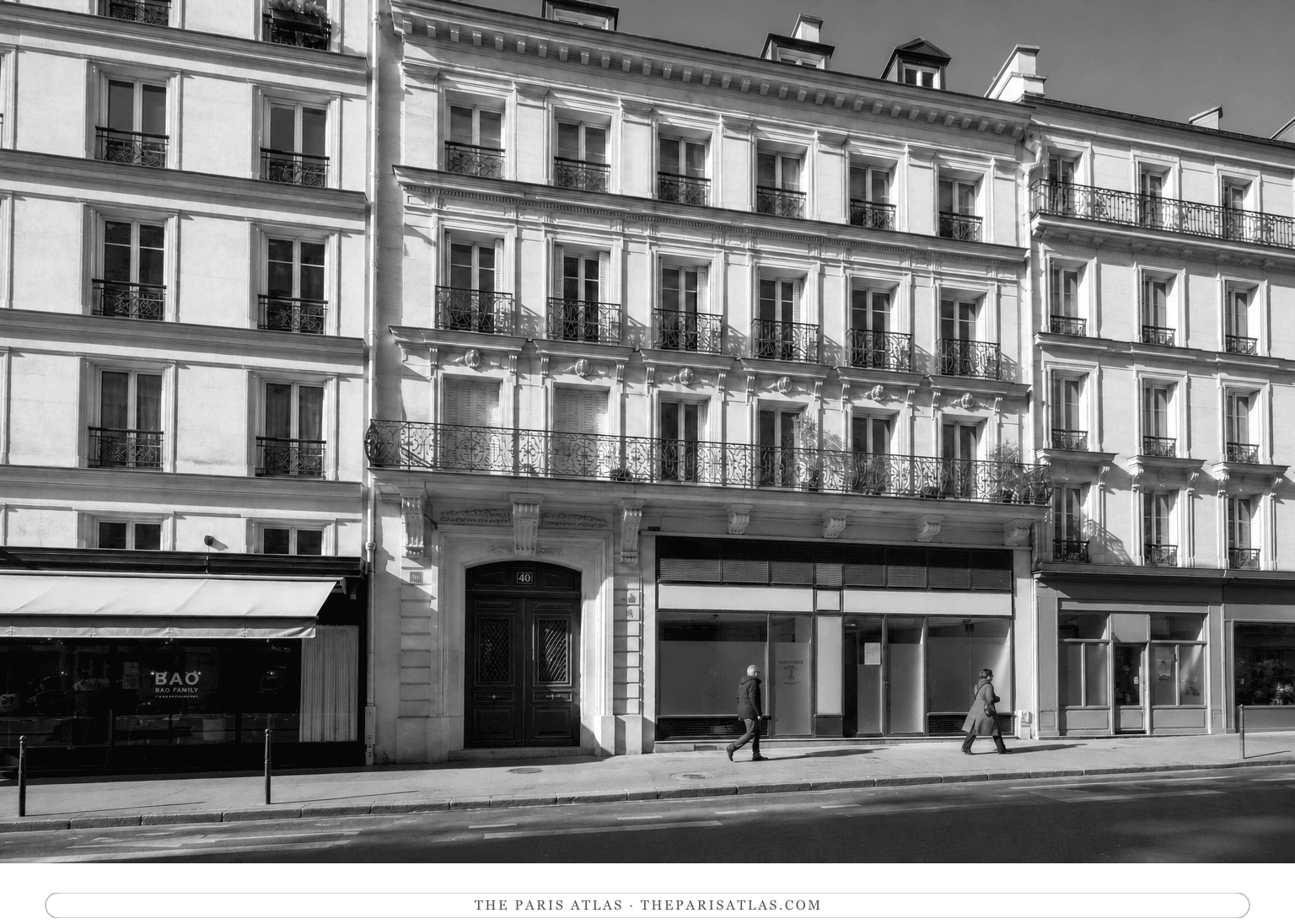
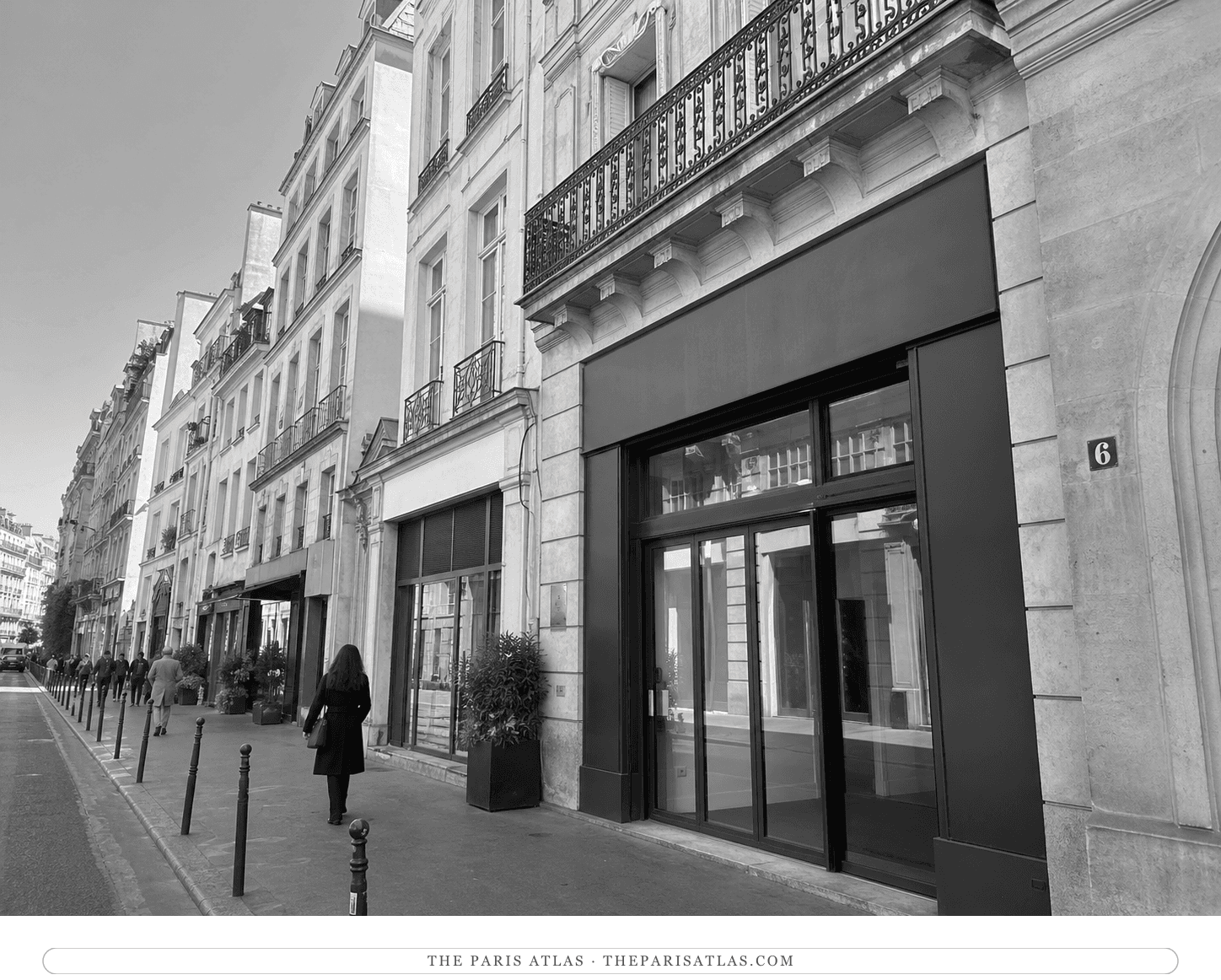
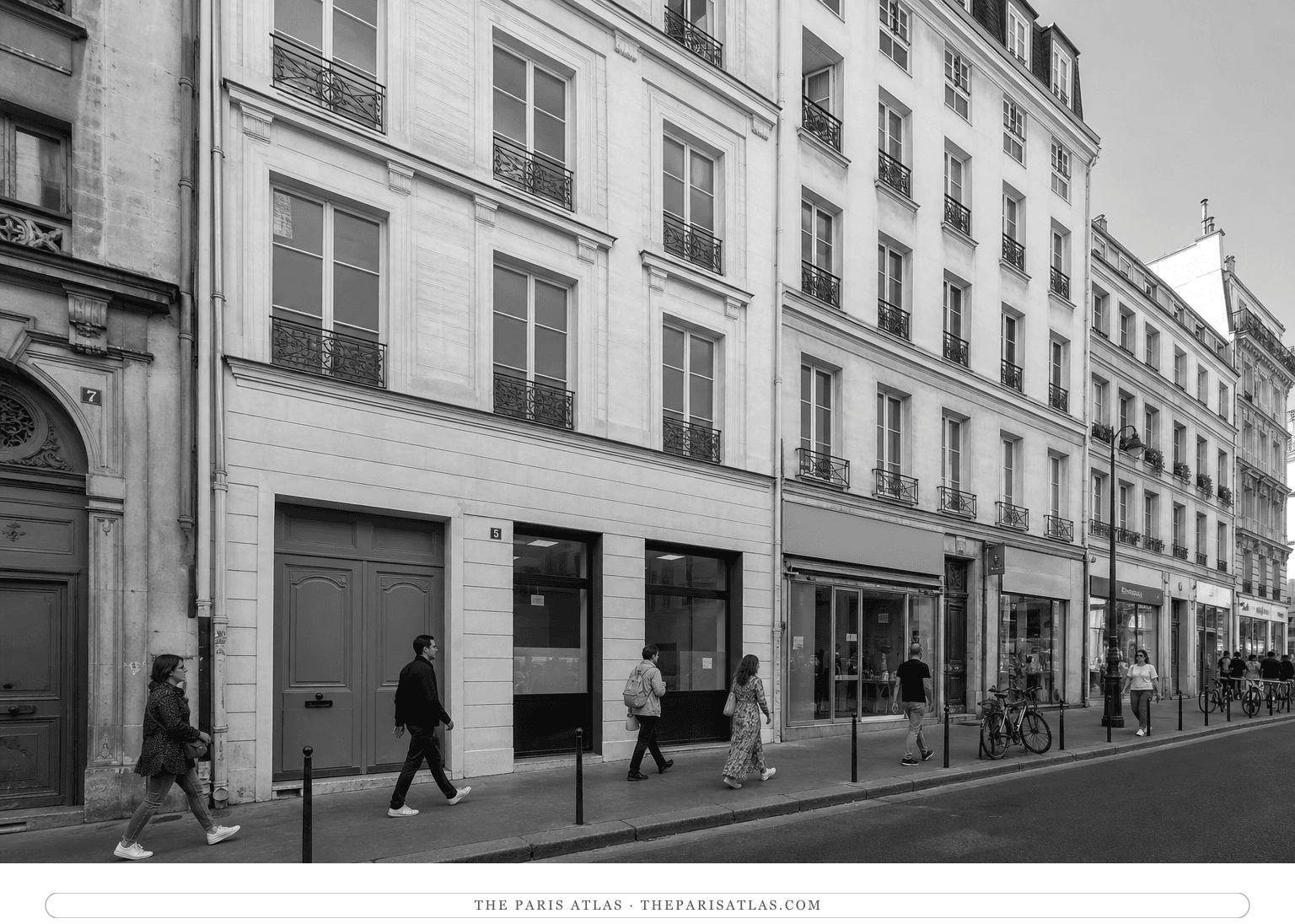
The Paris offices of the Chicago Tribune, where Henry Miller worked as a proofreader in 1931 — the only steady paid work of his Paris decade, taken on the night shift while he wrote Tropic of Cancer.

The Chicago Tribune ran a Paris edition through the 1920s and 30s, staffed largely by young Americans in the city — a well-known berth for expatriates who needed money, and a newsroom several of them passed through.
Henry Miller worked here as a proofreader in 1931, on the night desk. It is worth stating plainly because it cuts against the legend: the Miller of the Paris books is a man who does not work, who cadges meals and borrows rooms and treats employment as a defeat. For a stretch of 1931 he had a job, on a shift, at an address in the ninth arrondissement.
Proofreading suits the picture better than it first appears. It is night work, mechanical, done on other people's sentences, and it leaves the day free. He was writing Tropic of Cancer in that period, and the newspaper paid for the room he wrote it in.
The rue Lamartine is a long way from Montparnasse, up behind the Grands Boulevards. Miller's real Paris geography keeps turning out to be wider and more ordinary than the myth: a bank employee's flat in the fifteenth, a hotel in the fourteenth, a newsroom in the ninth.
The Tribune's Paris edition is long gone and there is nothing to see but the building.
Miller arrives in Paris with nothing published.
He works as a night-shift proofreader at the Chicago Tribune's Paris edition on the rue Lamartine.
Tropic of Cancer is published in Paris.
Yes, for a stretch of 1931 — as a night-shift proofreader at the Paris edition of the Chicago Tribune, at 5 rue Lamartine in the 9th. It was the only steady paid work of his Paris decade, and it cuts against the legend of a man who never worked.
It is night work, mechanical, done on other people's sentences, and it leaves the day free. He was writing Tropic of Cancer at the time, and the newspaper effectively paid for the room he wrote it in.
No. The Paris edition is long gone and only the building remains. It sits in the 9th behind the Grands Boulevards, well away from the Montparnasse cafés Miller is usually associated with.
Worked here · 1931
Miller worked as a night-shift proofreader at the Paris edition of the Chicago Tribune in 1931 — the only steady paid work of his Paris decade, and what paid for the room in which he was writing Tropic of Cancer.

Where Paul Cézanne lodged when he arrived in Paris in 1861 at twenty-two, having finally won his banker father's permission to paint — and where he lasted a matter of months before retreating to Aix.
Visit the place
The modest concert hall where the Prélude à l'après-midi d'un faune was first performed on 22 December 1894 — a piece often treated as the beginning of modern music, premièred in a room almost nobody has heard of.
Visit the place
Ambroise Vollard's gallery, where in 1895 a young and untested dealer gave the fifty-six-year-old Paul Cézanne his first solo exhibition — and turned a painter most of Paris had written off into the most influential artist of the next generation.
Visit the place
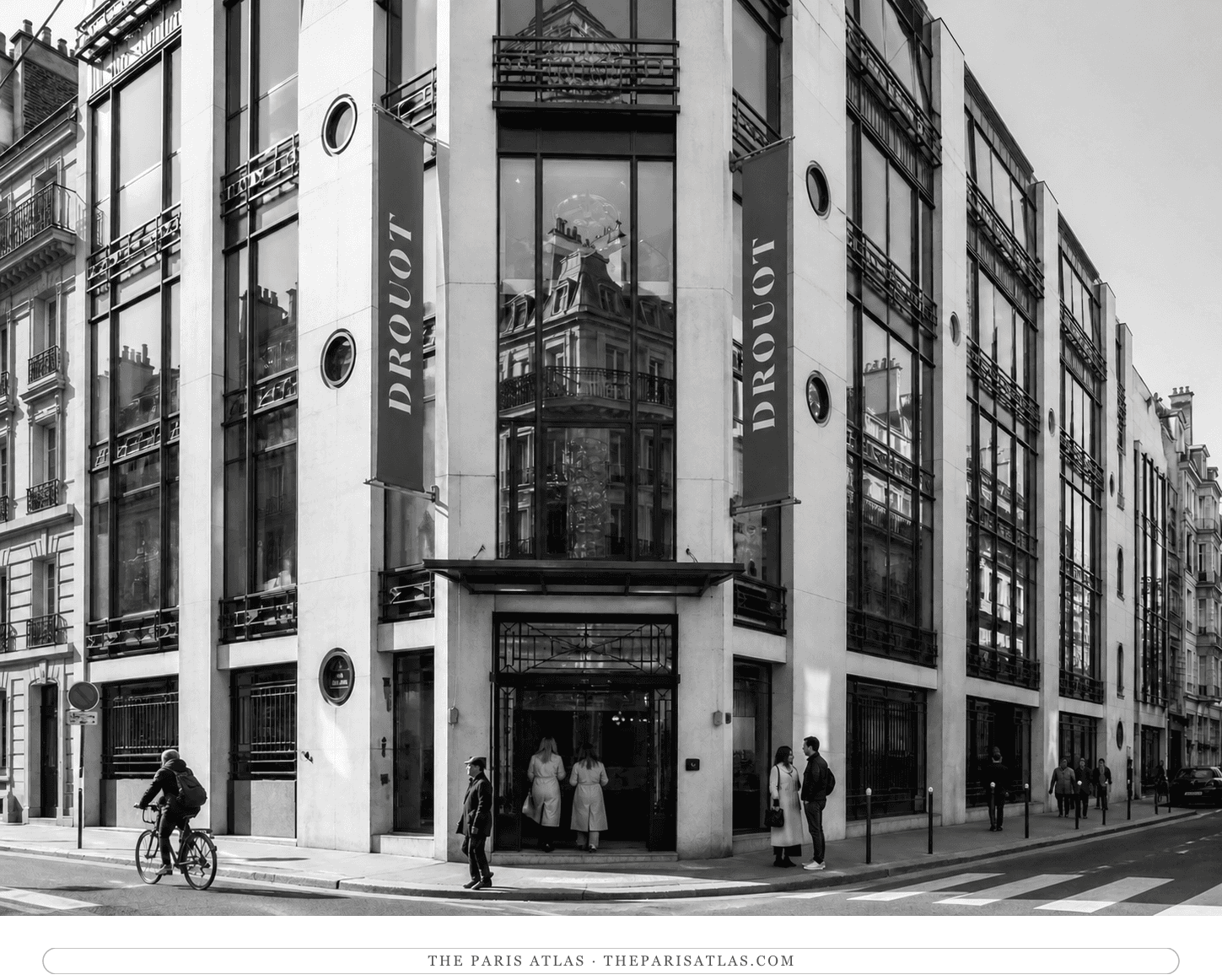
The Paris auction house where Gustave Caillebotte bid on his friends' unsellable pictures to keep prices up and money flowing — and where Paul Gauguin sold thirty of his own paintings to pay for Tahiti.
Visit the placeThe sources below include histories, archival materials, scholarly research, and official records that informed this page. They document 5 rue Lamartine, the people connected to it, and its place in Paris.

Names 5 rue Lamartine as the Chicago Tribune offices where Miller worked as a proofreader in 1931. A magazine survey rather than an institutional source.
Map data used to verify addresses, geographic coordinates, and the placement associated with 5 rue Lamartine.

Biographical evidence used to verify chronology, relationships, and historical context connected to 5 rue Lamartine.
Biographical evidence used to verify chronology, relationships, and historical context connected to 5 rue Lamartine.
These references provide the documented foundation for this page's history and context. Claim-level citations remain attached to the specific claims they support.
 Explore more resources
Newsletter
The cafés, studios, and walk-up flats where the work was made — one story from the map in every letter.