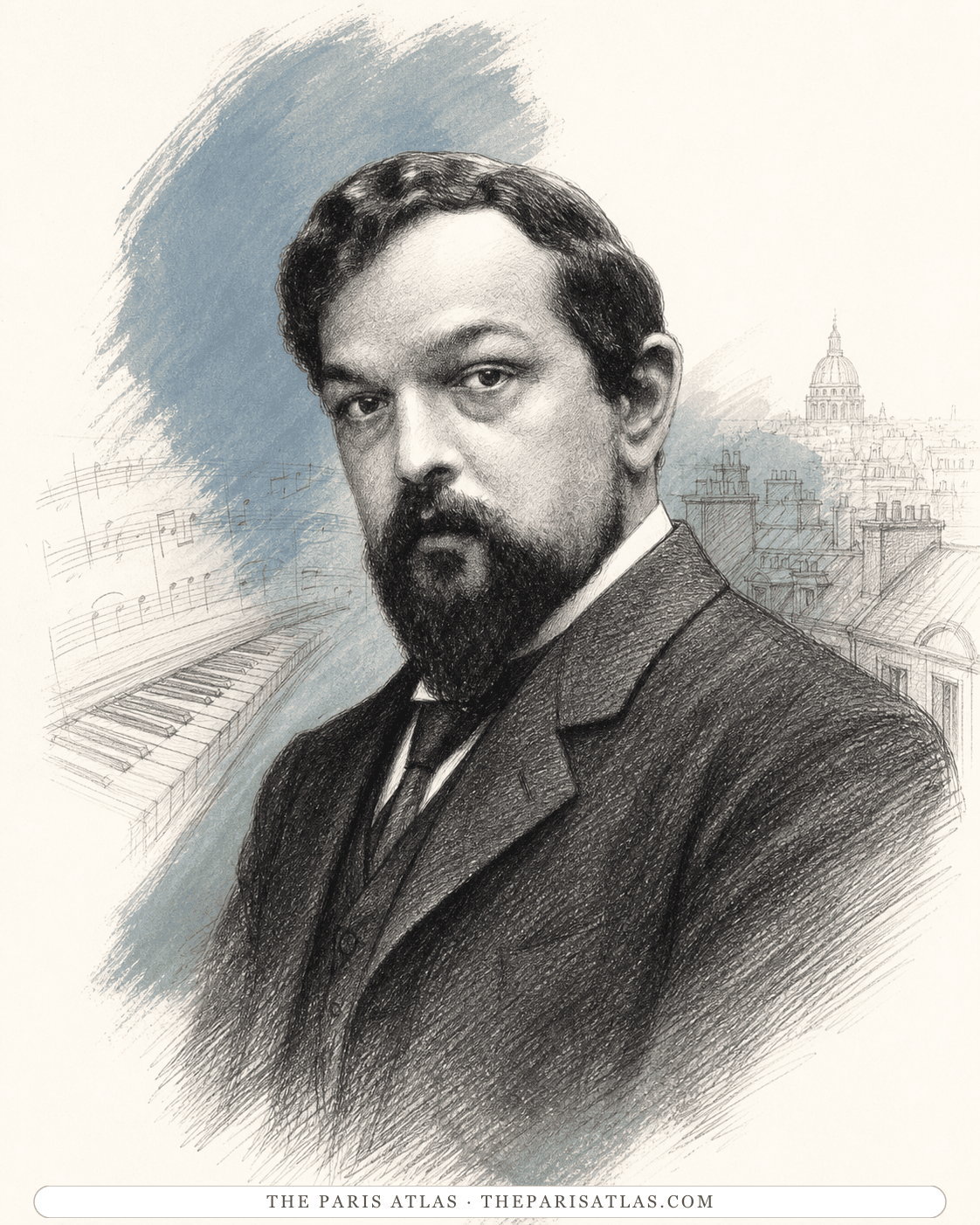
Claude Debussy
Debussy attended Stephane Mallarme's Tuesday gatherings on the rue de Rome and drew directly on Mallarme's poetry, most famously for the Prelude a l'apres-midi d'un faune.
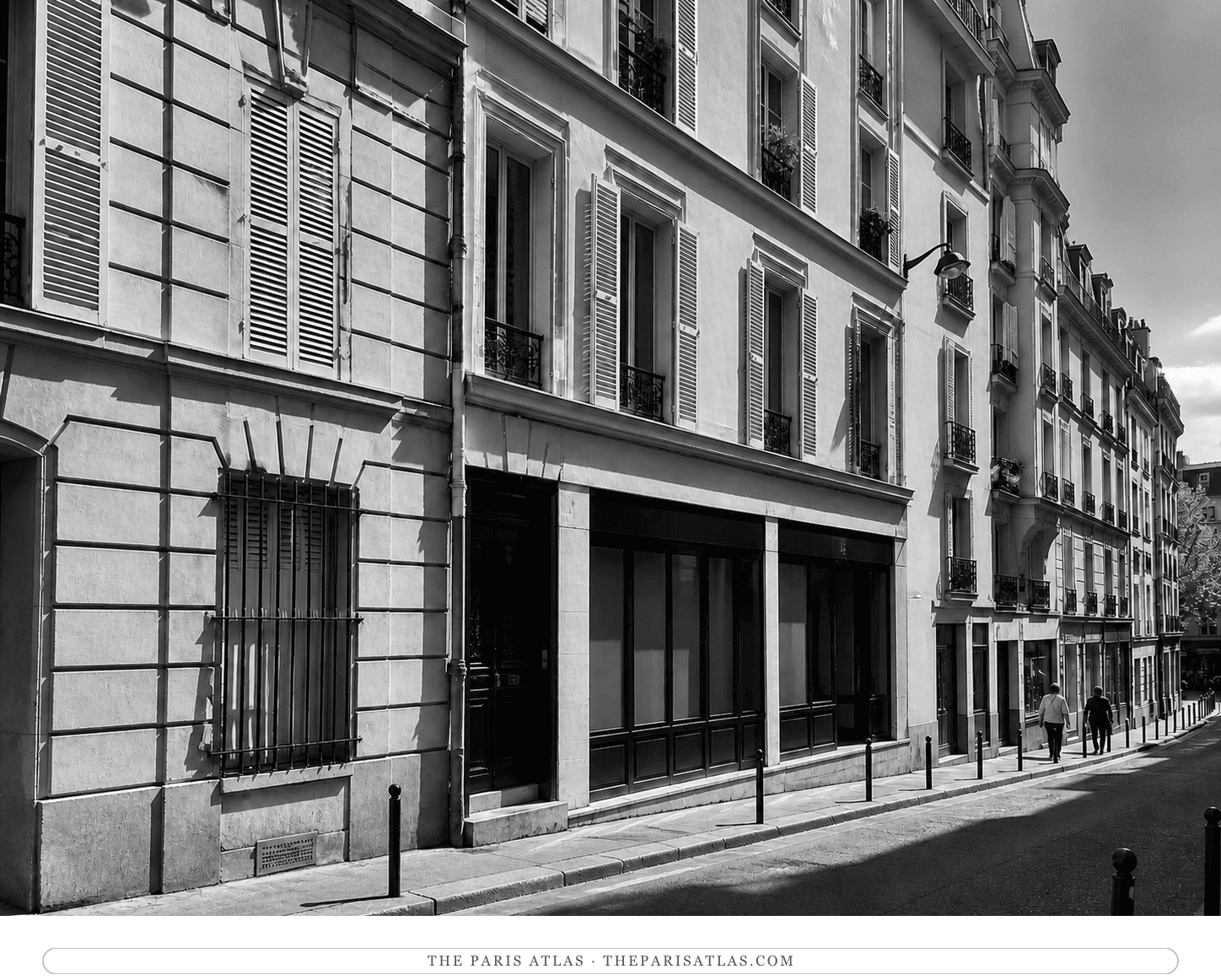
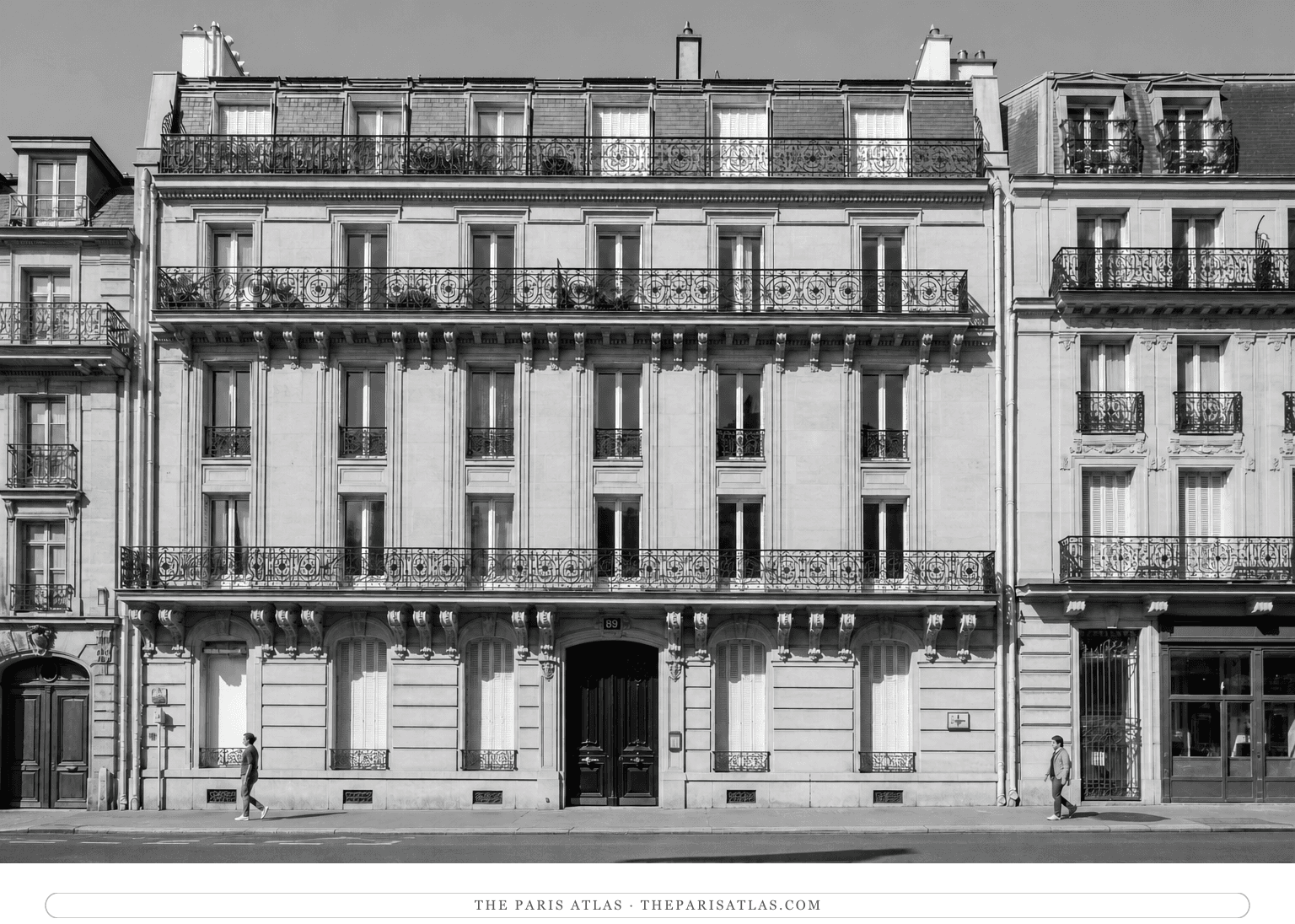
The small flat where Stéphane Mallarmé held the Tuesday evenings that drew most of literary and musical Paris — Debussy among them, and the source of the poem behind his Prélude à l'après-midi d'un faune.

Mallarmé taught English for a living and lived modestly. What he had instead of money was Tuesday evening: a weekly gathering in a small flat on the rue de Rome, where he talked and everyone else largely listened. Over the years the room drew Verlaine, Valéry, Gide, Yeats, Whistler and a long list of others, and it became one of the most consequential rooms in European letters.
Claude Debussy attended, and the connection went well beyond sociability. Mallarmé's poetry gave him the Prélude à l'après-midi d'un faune, the orchestral piece of 1894 that is as close as music has to a hinge between the nineteenth century and the twentieth, and later the Trois Poèmes de Stéphane Mallarmé.
The relationship between Symbolist poetry and Debussy's music is the essential context for everything he wrote. Both were after suggestion rather than statement — mood, implication and shifting colour instead of clear narrative argument — and the Tuesdays on the rue de Rome are where that idea was worked out in conversation.
The building is private.
Debussy's Prélude à l'après-midi d'un faune, after Mallarmé's poem, is first performed.
Mallarmé dies and the Tuesdays end.
Weekly evening gatherings at his flat on the rue de Rome, attended over the years by a large part of literary and artistic Paris, including Debussy.
Directly. Mallarmé's poem gave Debussy the Prélude à l'après-midi d'un faune of 1894, and he later set the Trois Poèmes de Stéphane Mallarmé.
Debussy attended Stephane Mallarme's Tuesday gatherings on the rue de Rome and drew directly on Mallarme's poetry, most famously for the Prelude a l'apres-midi d'un faune.
Art & literary movement · circa 1860–1910
Symbolism gave form to dreams, ideas and inner experience. Its artists, poets, paintings, music, history and Paris collections.
Enter the movement
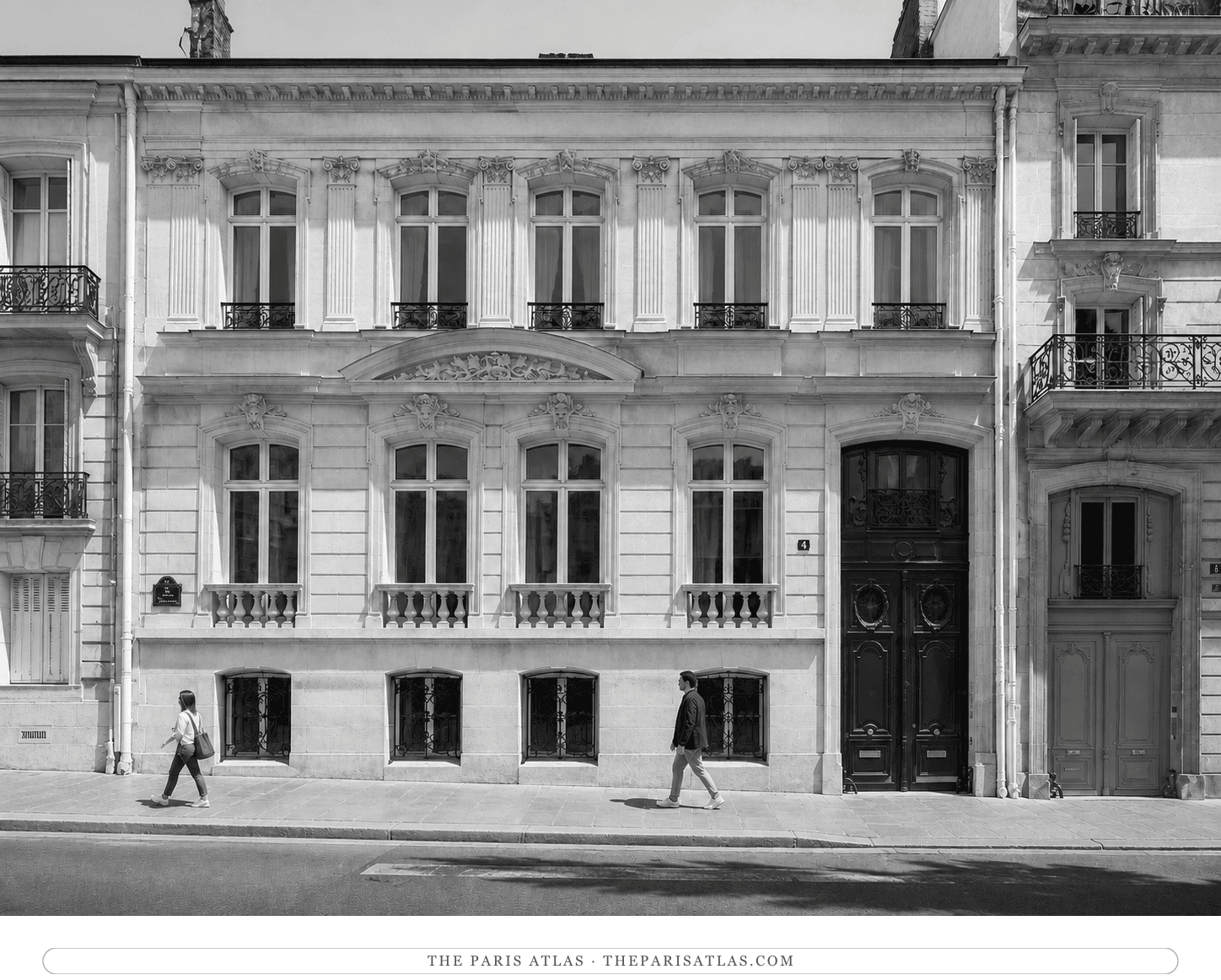
A surviving private address in Batignolles where a vanished working people's hotel gave the young American poet Langston Hughes his real-life version of a Paris garret in 1924.
Visit the place
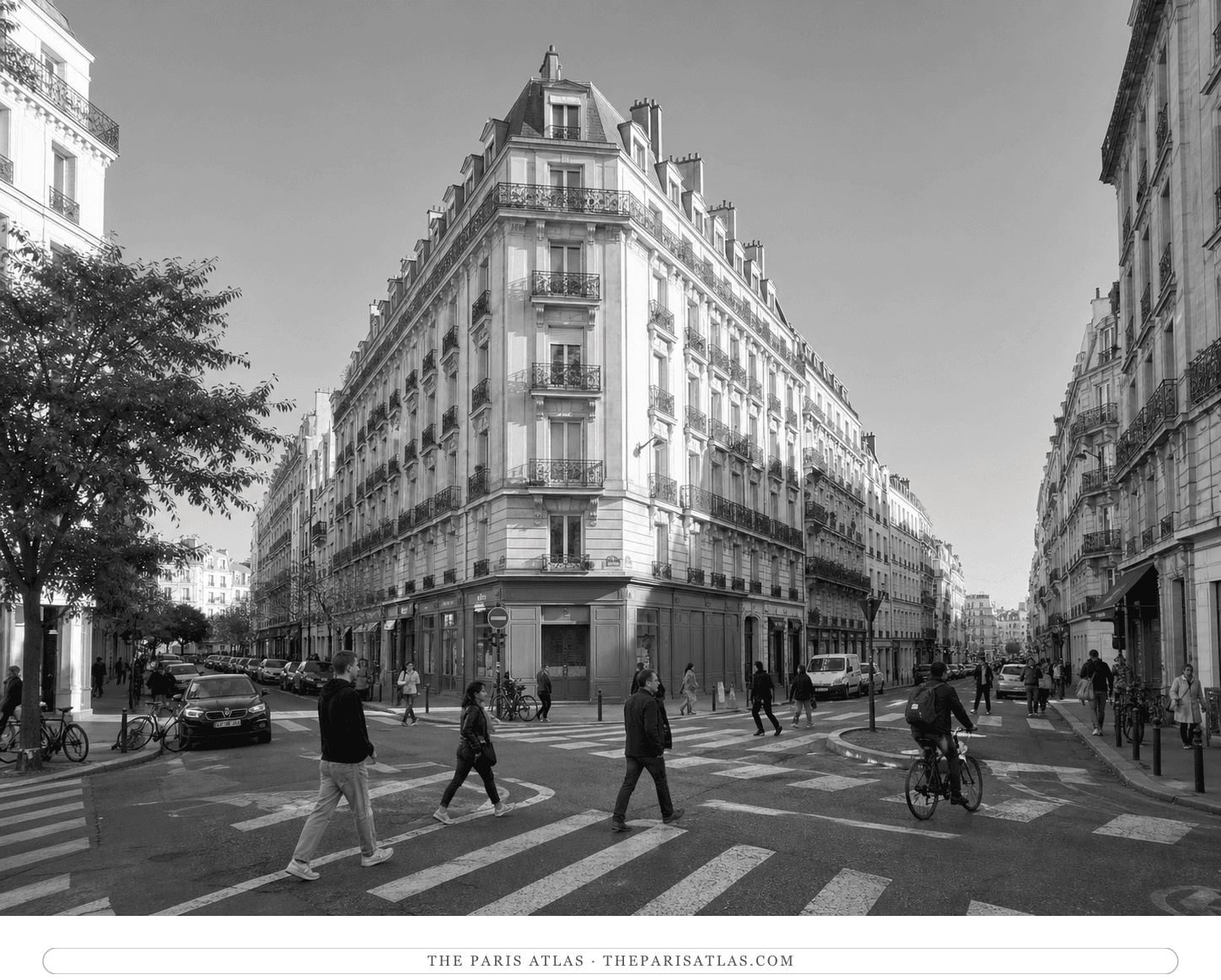
The star-shaped junction in the Quartier de l'Europe where Gustave Caillebotte set Paris Street; Rainy Day — and one of the few places in Paris where you can stand almost exactly where a famous painting was composed and recognise everything.
Visit the place
Manet's studio through the 1870s, whose windows looked down on what was then the rue Mosnier — the street he painted repeatedly, flags and all, in the summer of 1878.
Visit the place
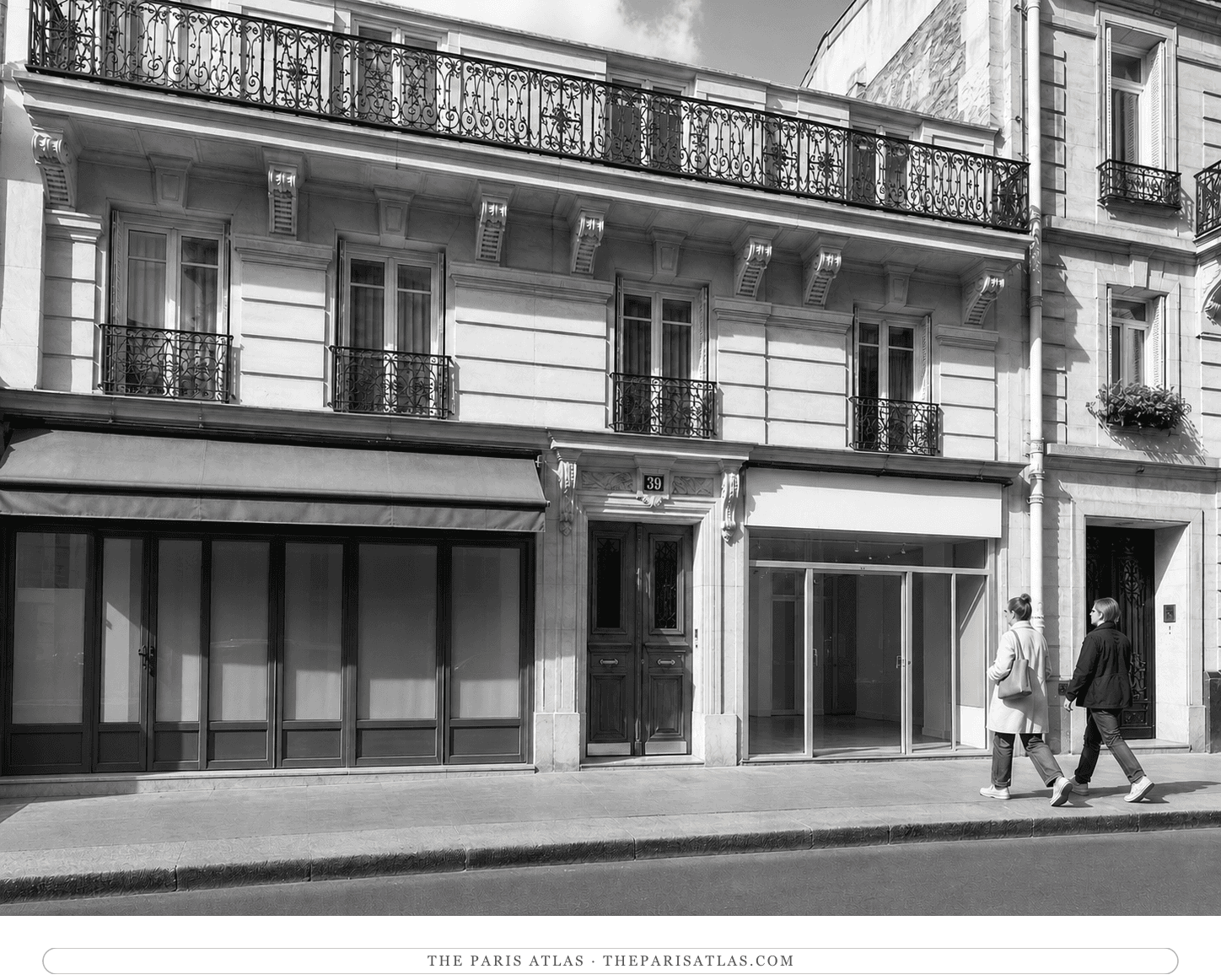
The apartment Édouard Manet moved to in 1878 and remained associated with until his death in 1883, in the last years when illness had reduced what he could physically paint.
Visit the placeThe sources below include histories, archival materials, scholarly research, and official records that informed this page. They document Mallarmé's salon, 89 rue de Rome, the people connected to it, and its place in Paris.


Web source consulted for documented facts and historical context presented on the Mallarmé's salon, 89 rue de Rome page.
Web source consulted for documented facts and historical context presented on the Mallarmé's salon, 89 rue de Rome page.

Published analysis and historical context used in preparing the Mallarmé's salon, 89 rue de Rome page.
Published analysis and historical context used in preparing the Mallarmé's salon, 89 rue de Rome page.
These references provide the documented foundation for this page's history and context. Claim-level citations remain attached to the specific claims they support.
 Explore more resources
Newsletter
The cafés, studios, and walk-up flats where the work was made — one story from the map in every letter.