The Paris AtlasCharting the artists, works, and places worth returning to.
  • Painter
· Italian · 1593–1656

Artemisia Gentileschi

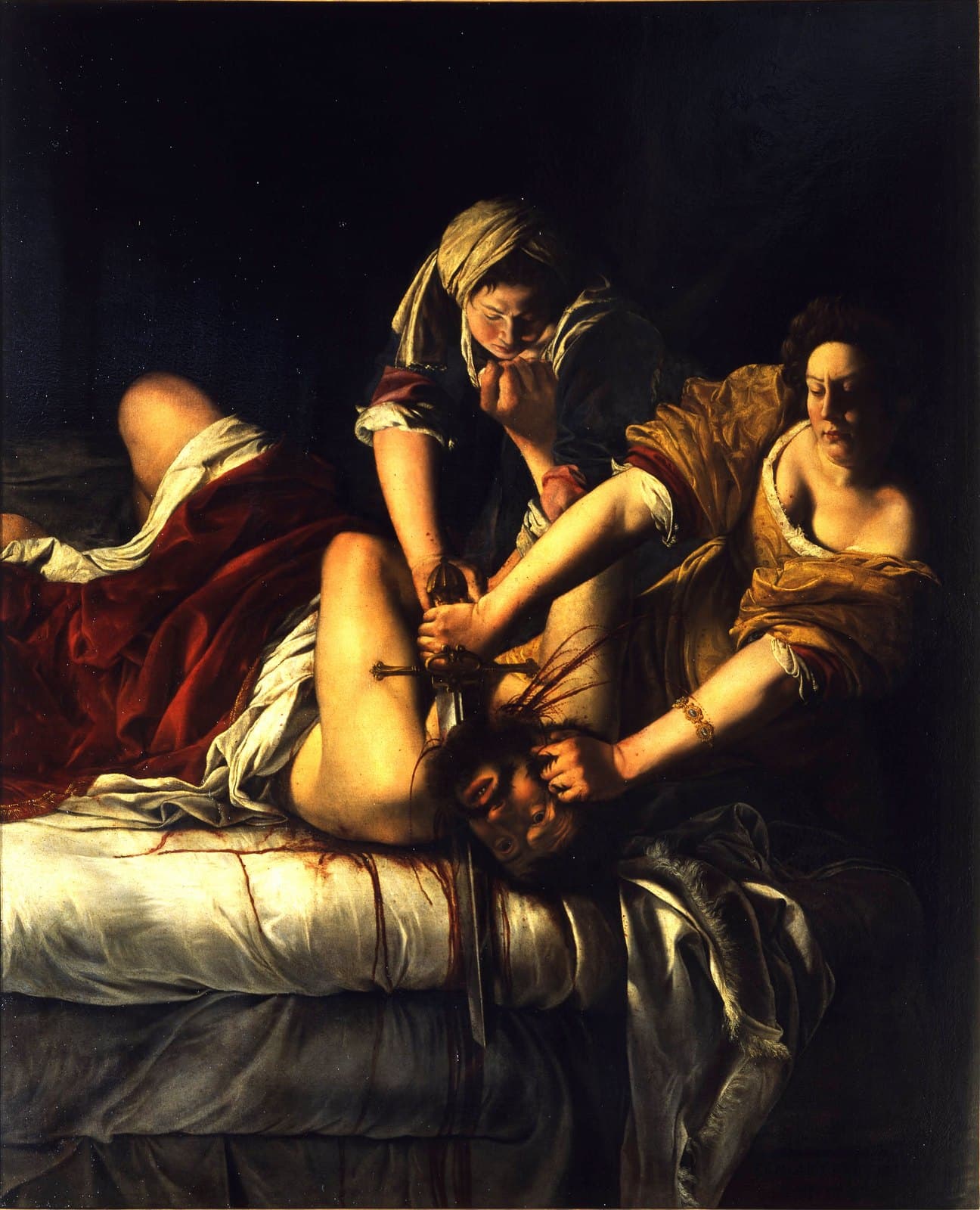
Italian painter of biblical and historical subjects, admitted to Florence's Accademia delle Arti del Disegno in 1616. Her Judith Beheading Holofernes of about 1620 shows two women straining at a physical task rather than performing a symbolic gesture.

Details

Lived
1593–1656
Born
1593
Died
1656
Nationality
Italian
Roles
Painter

Selected works

Cataloged from the holding institutions' records. Reproductions appear only where the rights are verified.

Paintings

Two women lean over a bearded man lying on a white-sheeted bed. The younger woman in a golden-yellow dress grips his hair with one hand and drives a long sword into his neck with the other; a second woman in blue-grey pins his chest with both hands while he pushes up at her. Blood arcs from the neck and runs down the sheets, and the background behind them is almost black.

Artwork reproduction

Painting · Baroque

Judith Beheading Holofernes

circa 1620 · Oil on canvas

Artemisia Gentileschi painted Judith Beheading Holofernes around 1620. It hangs in the Uffizi Gallery in Florence. Judith, a widow, kills the enemy general Holofernes while her maidservant holds him down on the bed.
Uffizi Gallery

Artemisia Gentileschi, Judith Beheading Holofernes, circa 1620. Uffizi Gallery. Image: public domain.

Who Inspired Artemisia Gentileschi

People whose work inspired Artemisia Gentileschi. They did not necessarily meet or know one another.

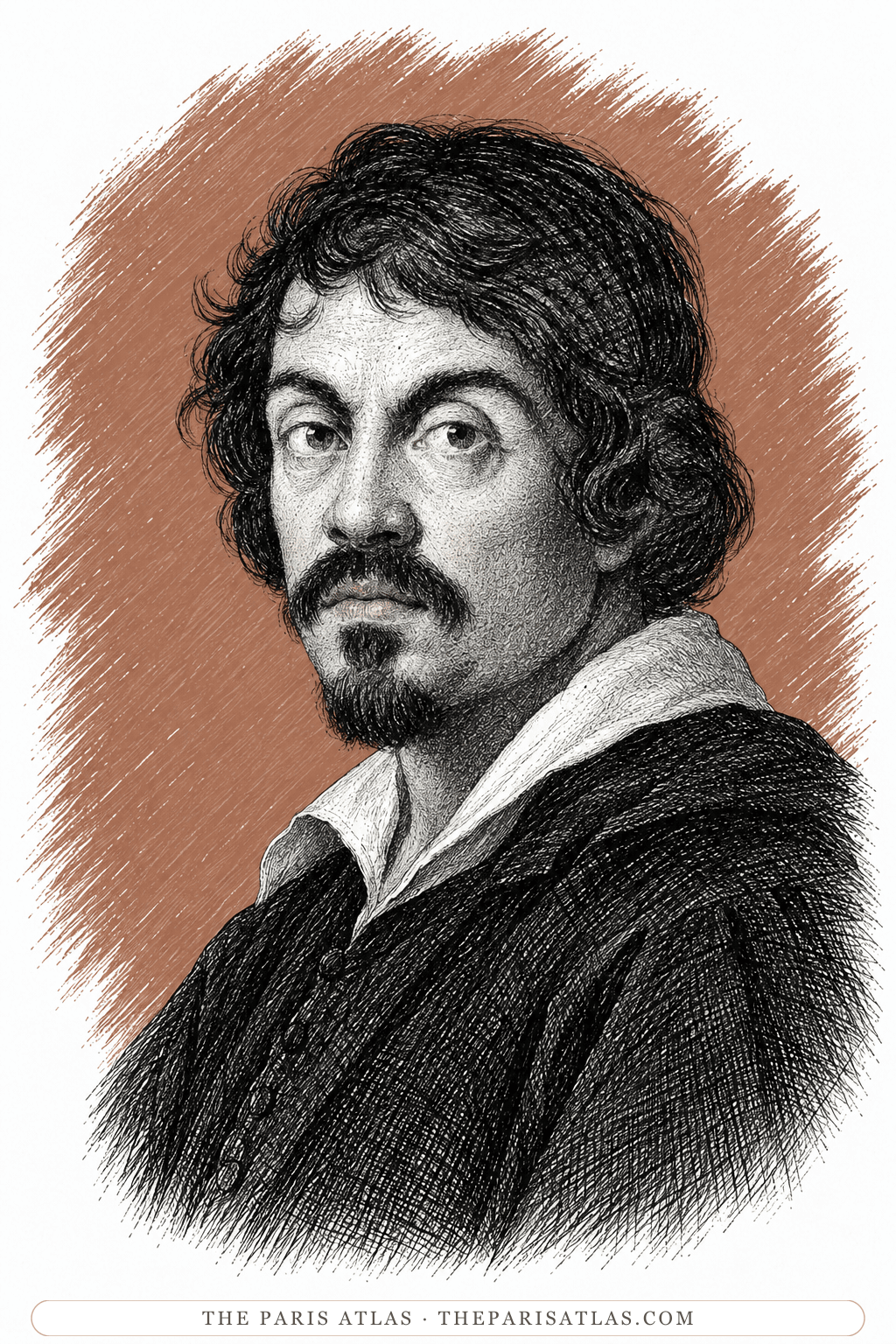
Illustrated portrait of Caravaggio

Caravaggio

Artemisia Gentileschi was born in Rome in 1593 and trained under her father, the painter Orazio Gentileschi. The National Gallery in London records that Orazio associated with Caravaggio from around 1600 and that his own pictures took on greater naturalism under Caravaggio's influence, though that phase was short. Artemisia learned to paint inside that household, so the line runs through her father rather than through any recorded contact with Caravaggio himself.

— Orazio Gentileschi (1563 – 1639) — artist page; Artemisia Gentileschi (1593 – 1654 or later)

Movements

The artistic and literary currents this life ran through.

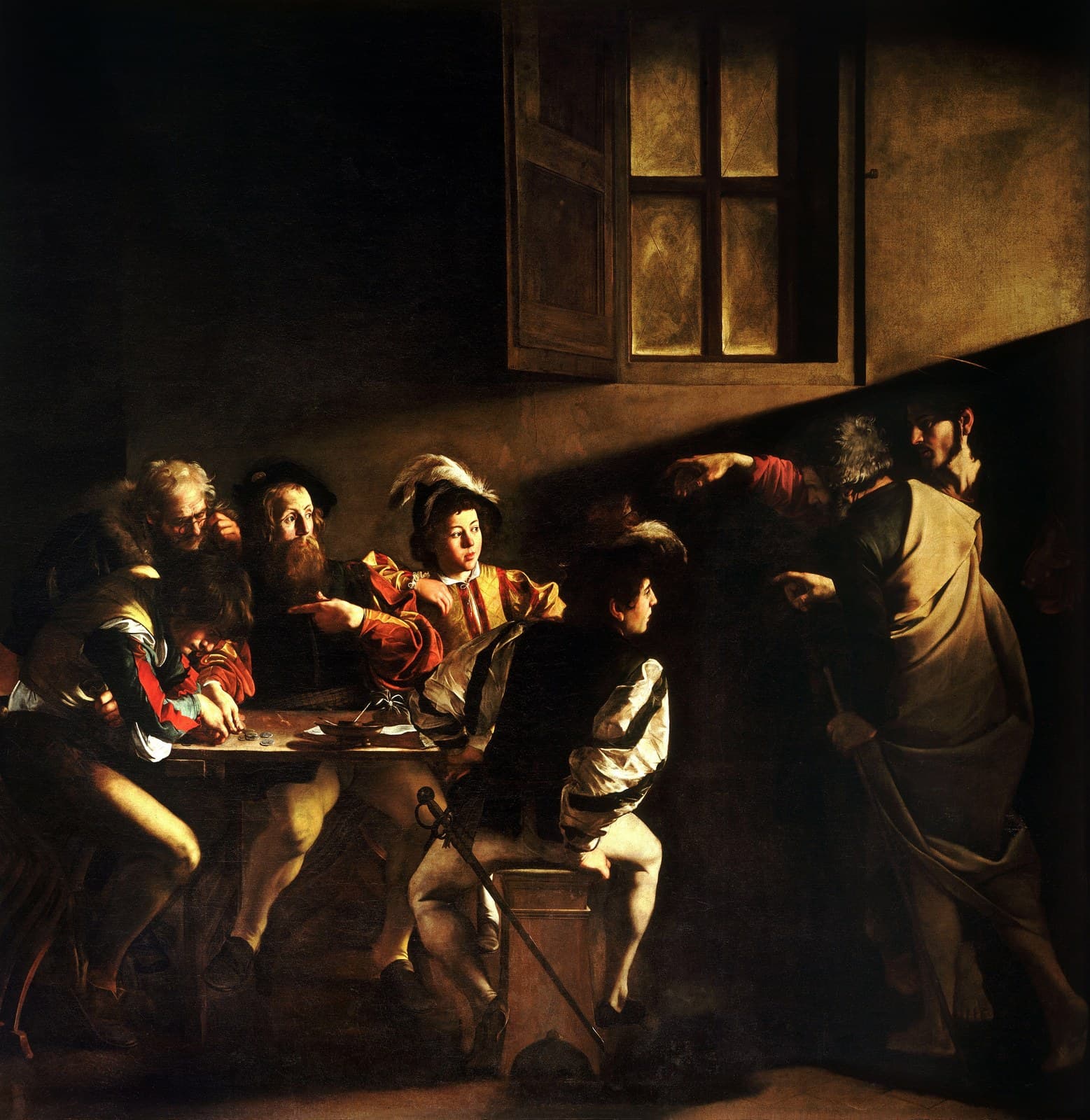
Caravaggio's The Calling of Saint Matthew: men in feathered hats counting coins at a table in a dark room, a shaft of light falling across the back wall, Christ at the right pointing toward them

Art movement and historical period · circa 1600–1750

Baroque Art

Admitted to Florence's Accademia delle Arti del Disegno in 1616, Gentileschi painted biblical and historical subjects with unusual conviction about physical effort. In the Uffizi Judith Beheading Holofernes of about 1620 two women strain at the work; the Uffizi also records that she was paid late for it, and got the money with Galileo Galilei's help.

— Artemisia Gentileschi (1593 – 1654 or later); Artemisia Gentileschi, Judith Beheading Holofernes — collection record

Connections and Sources

Artemisia Gentileschi’s connections to people, places, and works, with the sources behind each one.

Associated with · 1616–1654

Baroque Art

Admitted to Florence's Accademia delle Arti del Disegno in 1616, Gentileschi painted biblical and historical subjects with unusual conviction about physical effort. In the Uffizi Judith Beheading Holofernes of about 1620 two women strain at the work; the Uffizi also records that she was paid late for it, and got the money with Galileo Galilei's help.

— Artemisia Gentileschi (1593 – 1654 or later); Artemisia Gentileschi, Judith Beheading Holofernes — collection record

Influenced by

Caravaggio

Artemisia Gentileschi was born in Rome in 1593 and trained under her father, the painter Orazio Gentileschi. The National Gallery in London records that Orazio associated with Caravaggio from around 1600 and that his own pictures took on greater naturalism under Caravaggio's influence, though that phase was short. Artemisia learned to paint inside that household, so the line runs through her father rather than through any recorded contact with Caravaggio himself.

— Orazio Gentileschi (1563 – 1639) — artist page; Artemisia Gentileschi (1593 – 1654 or later)