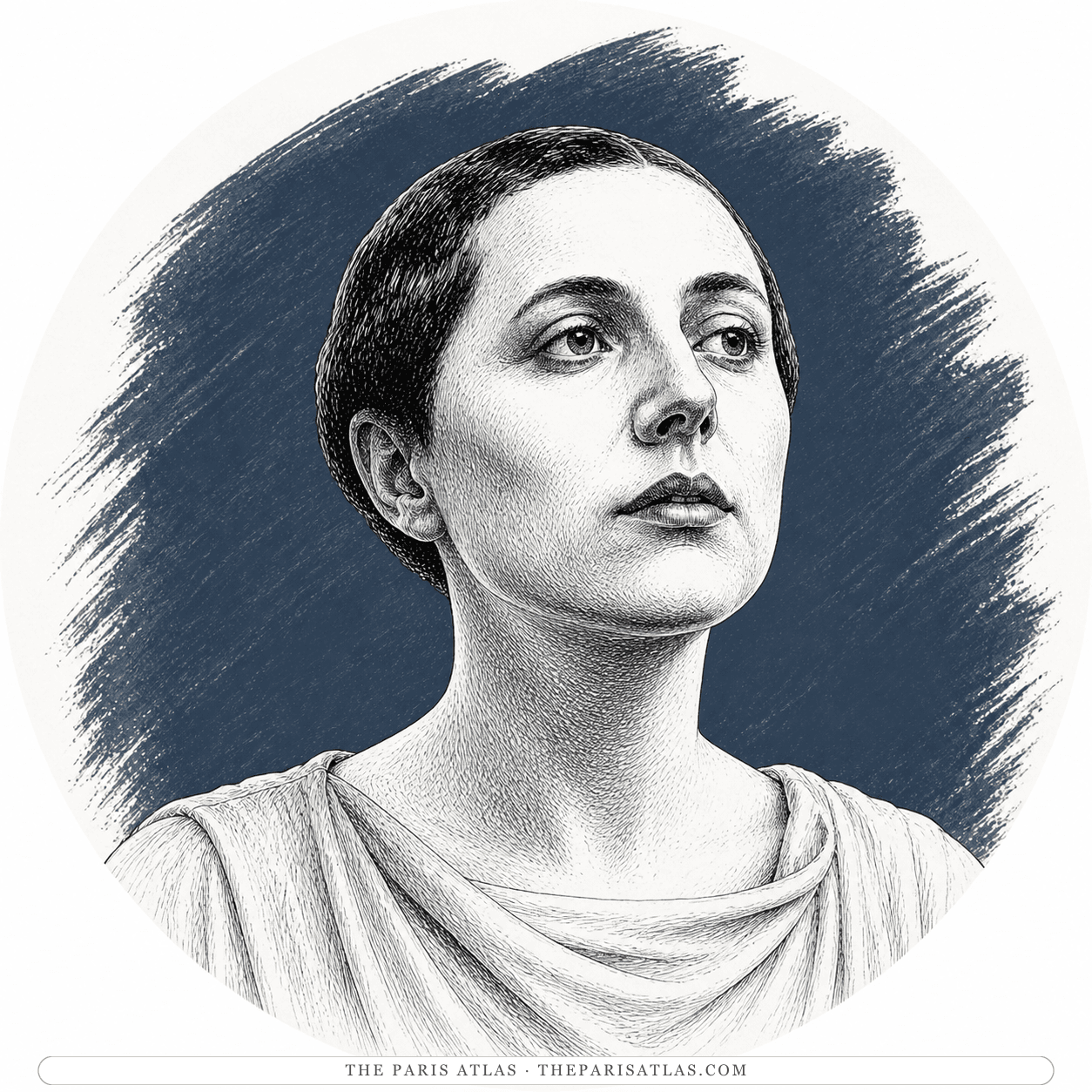
Renée Jeanne Falconetti
- Actor
Met · 1920
Boyer and Falconetti became close during his early Paris stage career, before Falconetti gave her defining film performance in The Passion of Joan of Arc.
French actor whose training on the Paris stage, distinctive voice, and ability to move between French and American cinema made him one of the great international stars of the classical Hollywood era.
Charles Boyer became so closely associated with the idea of the sophisticated French lover that the image eventually threatened to obscure the actor himself. Hollywood audiences knew the dark eyes, formal manners, low voice and unmistakable accent. Comedians imitated him, cartoons parodied him, and a line he never actually spoke — “Come with me to the Casbah” — became permanently attached to his name.
The real Boyer was considerably more complicated. He was a serious stage actor trained in Paris, an avid reader who preferred books to Hollywood nightlife, an actor equally comfortable playing Napoleon, a criminal hiding in Algiers, a jealous aristocrat, a devoted lover or the terrifying husband in Gaslight. He worked in French, English and German productions and moved easily between directors as different as Max Ophuls, Fritz Lang, George Cukor, Leo McCarey and Alain Resnais.
Paris had made that career possible. Boyer arrived from provincial France as a teenager intending to study, but the theater quickly took over his life. He learned voice, movement and repertory on Paris stages before sound film existed. When talking pictures arrived, the voice he had trained for theater unexpectedly became his greatest international advantage.
By the end of his career, Boyer had received four Academy Award nominations for acting, an honorary Academy Award for his wartime work promoting French culture in the United States, and a career extending from French silent cinema in 1920 to the international films of the 1970s.[1]
Charles Boyer was born on 28 August 1899 in Figeac, a small town in the Lot department of southwestern France. His father, Maurice Boyer, was a merchant, and Charles grew up far from the theatrical world in which he would eventually become famous.[2]
He nevertheless became fascinated with performance early. According to accounts later published by the Los Angeles Times, Boyer was already taking important roles in school plays when he was seven and used part of his father's property as an improvised theater. By adolescence he was memorizing passages from plays and constructing his own performances.
The First World War interrupted normal life during his teenage years. Boyer was too young for most of the conflict, but accounts of his youth describe him helping in a hospital and entertaining wounded soldiers with comic performances. The experience gave him an early audience beyond school theatricals.[3]
In 1917, he went to Paris.
He was supposed to study.
Instead, Paris gradually turned him into an actor.
Boyer enrolled at the Sorbonne, where he studied philosophy. A respectable academic career remained possible, but he spent an increasing amount of time pursuing theater. He subsequently trained at the Paris Conservatory, developing the vocal technique and stage discipline that would remain visible throughout his career. The UCLA Charles Boyer archive and contemporary biographical accounts both identify the Sorbonne and Paris Conservatory as central parts of his early training.[4]
This theatrical education is important because Boyer's later Hollywood image depended heavily on his voice. The famous accent was not simply an accident of being French. Behind it was an actor who had learned how to project, pace a sentence and use pauses in front of a live audience.
His first major opportunity arrived suddenly.
In 1920, Boyer was given the chance to replace a leading performer in a stage production. His ability to learn the part quickly impressed the company, and additional roles followed. By 1921 he was appearing at the Théâtre Antoine, one of the important theaters of Paris, in productions including La Bataille. Surviving theatrical records list Boyer in the original 1921 production alongside figures including Firmin Gémier and Mary Marquet.[5]
Within a remarkably short time, the student from Figeac had become a professional Paris actor.
Boyer's early career developed during the final years of silent cinema, when the theater still seemed to offer the more prestigious path for a serious actor.
He made his screen debut in 1920, but initially regarded film as secondary to his stage work. Early silent productions did little to establish his reputation. Paris theater was where he became known, and during the 1920s he built the kind of repertory experience that actors of later generations rarely had.
He also worked among an important generation of French stage performers. Among his contemporaries was Renée Jeanne Falconetti, later immortalized by Carl Theodor Dreyer in The Passion of Joan of Arc. Boyer's own path would eventually move in the opposite direction: rather than becoming identified with a single overwhelming performance, he developed an unusually durable international career.
Then sound arrived.
For many silent-film actors, talking pictures were a problem.
For Charles Boyer, they were the beginning of something much larger.
Sound cinema suddenly made voices commercially important.
Boyer had one that audiences remembered.
His carefully controlled theatrical delivery combined with his French accent produced an effect Hollywood quickly recognized. At first he was brought to American studios partly to make French-language versions of films at a time before dubbing became standard. Studios would sometimes shoot the same story several times with different casts speaking different languages.
Boyer began moving repeatedly between Europe and the United States. His early English was not yet strong enough for the career he wanted, so he worked to improve it rather than allowing himself to become limited to foreign-language productions.
By the middle of the 1930s, the transition was complete.
He was becoming a Hollywood star.
One of Boyer's most important European films came in 1936, when he returned to France to make *Mayerling* for director Anatole Litvak.
Boyer played Crown Prince Rudolf of Austria opposite the nineteen-year-old Danielle Darrieux as Marie Vetsera. The story dramatized the doomed relationship that ended with the deaths of Rudolf and Vetsera at the Mayerling hunting lodge in 1889.
The film was a major international success and helped establish Darrieux as a leading French star. It also showed what Boyer could do when his romantic persona was placed inside tragedy rather than conventional Hollywood glamour.
Boyer would work with Darrieux again many years later in one of the greatest films of either career.
By the later 1930s, Boyer was appearing opposite some of the most famous actresses in the world.
He acted with Marlene Dietrich in The Garden of Allah, Jean Arthur in History Is Made at Night, Greta Garbo in Conquest, Hedy Lamarr in Algiers, and Irene Dunne in Love Affair.
These films helped create the Charles Boyer people remembered: cultivated, romantic, slightly mysterious and unmistakably European.
Yet the performances were not identical. In Frank Borzage's *History Is Made at Night* (1937), Boyer could be charming and funny as well as romantic. Criterion describes the film as an unusually intense mixture of romantic comedy, melodrama and thriller built around the chemistry between Boyer and Jean Arthur.
That same year, Boyer played Napoleon Bonaparte opposite Garbo in Conquest. The performance earned him his first Academy Award nomination for Best Actor.
A year later came the role that would turn his French accent into a permanent piece of American popular culture.
In *Algiers (1938), Boyer played Pépé le Moko*, a sophisticated criminal hiding inside the Casbah while police wait for an opportunity to lure him outside.
The film was an English-language adaptation of Julien Duvivier's French Pépé le Moko, in which Jean Gabin had played the same role.
Boyer's version became enormously popular in the United States and earned him his second Academy Award nomination.
It also gave him a problem that followed him for the rest of his life.
Come with me to the Casbah.
Boyer never says the famous line in the film.
It was associated with the movie's publicity and became a standard phrase used by comedians imitating his French accent. Turner Classic Movies notes that Boyer disliked the parody because he felt it reduced his work to a caricature of a French seducer.
The impersonations became so familiar that Boyer's screen persona eventually helped inspire the exaggerated French romanticism associated with Warner Bros.' cartoon character Pepé Le Pew.
It was an odd form of immortality for an actor who had spent years training to avoid doing the same thing twice.
Boyer made another defining romantic film in 1939 with Irene Dunne.
Leo McCarey's *Love Affair* follows two people who meet aboard a transatlantic liner, fall in love despite being engaged to others, and agree to meet again months later at the Empire State Building if they still want a life together.
The story would later be remade by McCarey as An Affair to Remember, but the Boyer-Dunne version established the structure.
Boyer's performance is interesting precisely because very little of it resembles the cartoonish “French lover” stereotype that attached itself to him. The film depends on understatement, hesitation and the growing awareness that a casual flirtation has become serious.
By the end of the 1930s, he had become one of the rare European actors who could move between major French productions and the center of Hollywood filmmaking.
Then Europe went to war.
When the Second World War began, Boyer returned to France and volunteered for military service.
He was around forty years old and already an international film star.
His active military service was brief, and he returned to the United States as France's political situation deteriorated. What followed became one of the least remembered but most important parts of his life.
Boyer began using his American celebrity on behalf of France.
The work eventually went much further than fundraising.
In Los Angeles, Boyer helped establish the French Research Foundation, an institution intended to provide reliable information about French history, literature and culture.
The collection developed from Boyer's own interest in books and became a resource for writers, filmmakers and researchers in Hollywood. UCLA's archive describes Boyer as active in Franco-American relations and French war relief, while the Academy of Motion Picture Arts and Sciences specifically recognized the foundation as a resource for the motion-picture industry.
In 1943, the Academy gave Boyer a Special Award for his “progressive cultural achievement” in establishing the foundation.
It was the only Academy Award he ever won.
That fact is revealing.
Hollywood celebrated Boyer not for playing a romantic hero, but for using his position to preserve and explain French culture while France was occupied.
Boyer became an American citizen during the war, but his French identity remained central to both his private life and public career.
In 1944, Boyer took one of the darkest roles of his career in George Cukor's *Gaslight*.
He played Gregory Anton, the husband of Ingrid Bergman's Paula.
At first Gregory appears attentive and sophisticated. Gradually he begins isolating his wife, manipulating objects around the house, denying things she knows she has seen, and convincing her that her memory is failing.
The term “gaslighting” would eventually enter ordinary language to describe psychological manipulation that makes another person doubt their perception of reality.
Boyer's performance is central to why the film remains disturbing. He does not play Gregory as an obvious monster. Much of the cruelty is quiet, controlled and delivered in the same polished voice audiences associated with romance.
The reversal of Boyer's established screen persona makes the performance especially effective.
Gaslight received seven Academy Award nominations and won two, including Best Actress for Bergman. Boyer received his third Best Actor nomination.
Away from the screen, Boyer's private life differed sharply from his reputation as Hollywood's wandering French seducer.
In 1934, he met the British actress Pat Paterson while working in Hollywood. They married later that year.
The marriage lasted forty-four years.
Their only child, Michael Charles Boyer, was born in 1943.
Boyer was known for keeping his domestic life relatively private. He read widely, avoided much of the Hollywood social circuit and showed little interest in behaving like the romantic characters he played.
The family later endured a devastating loss when Michael died in 1965 at the age of twenty-one.
Boyer never abandoned theater, even after films made him internationally famous.
In 1951, he appeared on Broadway with Charles Laughton, Cedric Hardwicke and Agnes Moorehead in Don Juan in Hell, a staged presentation drawn from George Bernard Shaw's Man and Superman.
The production reminded American audiences that Boyer's acting had begun not in Hollywood but on the stage.
He continued appearing on Broadway during the 1950s and 1960s in productions including Kind Sir, The Marriage-Go-Round and Lord Pengo.
One of Boyer's finest later film performances brought him back to French cinema.
In 1953, he appeared with Danielle Darrieux and Vittorio De Sica in Max Ophuls's *Madame de...*.
Boyer plays General André de..., the aristocratic husband of Darrieux's Louise. A pair of diamond earrings passes repeatedly among the characters, gradually exposing a network of lies, affairs and emotional obligations.
Boyer's performance is controlled and restrained. André initially appears almost amused by his wife's deceptions, but the character slowly becomes more threatening as private humiliation collides with the codes of aristocratic honor.
The film is now regarded as one of the major works of French cinema. In the 2022 Sight and Sound poll, Madame de... ranked among the critics' hundred greatest films ever made.
For Boyer, it also completed a circle. The young actor trained on Paris stages had become a Hollywood star and returned to French filmmaking without seeming like a visitor.
Boyer adapted unusually well to another new medium: television.
In the early 1950s he joined Dick Powell and David Niven in the company behind *Four Star Playhouse*, an anthology television series in which major actors could appear in self-contained dramas.
The venture became part of the early development of independent television production in Hollywood. Boyer was therefore not simply an aging film star taking television jobs; he participated in producing the new medium.
His ability to move into television helped extend his career well beyond the era in which Hollywood had originally created his romantic image.
In 1961, more than two decades after Algiers, Boyer received his fourth and final Academy Award nomination for *Fanny*.
He played César opposite Leslie Caron, Horst Buchholz and Maurice Chevalier.
Boyer did not win — Maximilian Schell won that year for Judgment at Nuremberg — but the nomination demonstrated the unusual length of Boyer's career. His first Best Actor nomination had come for Conquest in 1937. His fourth arrived twenty-four years later.
His four competitive nominations were therefore:
One reason Boyer's career lasted was that he allowed himself to age.
Many actors whose careers had been built on romantic appeal struggled when they could no longer plausibly play youthful lovers.
Boyer moved into fathers, husbands, diplomats, aristocrats and character roles instead.
He appeared in films including How to Steal a Million, Is Paris Burning?, Barefoot in the Park and Casino Royale. The Los Angeles Times later noted his relative lack of vanity about looking older on screen.
His sophistication remained useful, but it no longer had to mean seduction.
One of Boyer's most interesting late appearances came in 1974, when Alain Resnais cast him in *Stavisky...*.
The film starred Jean-Paul Belmondo as Serge Alexandre Stavisky, the financier and swindler whose scandals helped destabilize French politics during the 1930s.
For Boyer, the appearance connected two distant eras of French cinema.
He had started in silent film in 1920, worked through the classical studio era, become a Hollywood star, and was now appearing for a director associated with the intellectual and formal innovations of postwar French cinema.
Few actors had careers long enough to connect those worlds personally.
Boyer and Pat Paterson remained together into old age.
By the 1970s they spent much of their time in Arizona, although Boyer continued acting.
Pat became seriously ill with cancer and died on 24 August 1978.
Two days later, on 26 August 1978, Charles Boyer died by suicide from an overdose of barbiturates while staying at a friend's home in Arizona. He was taken to a hospital in Phoenix, where he was pronounced dead. He was two days short of his seventy-ninth birthday. Contemporary accounts and the UCLA Boyer archive record that his death followed his wife's by only two days.
He was buried with Pat and their son Michael at Holy Cross Cemetery in California.
The circumstances of his death were tragic, but they should not be allowed to reduce the extraordinary length of the life before them. Boyer's professional career had lasted nearly sixty years.
Paris remained the foundation underneath everything Boyer later became.
He arrived there from Figeac as a teenager and studied philosophy at the Sorbonne before the theater pulled him in another direction. He trained at the Conservatory. He learned the discipline of repertory acting. He performed at the Théâtre Antoine and built a reputation on stage before international cinema knew his name.
That background distinguished him when film changed.
Hollywood did not create Boyer's voice. Paris had trained it.
Hollywood simply discovered how valuable that voice could become once movies started talking.
Even after settling in the United States, Boyer repeatedly returned to French productions and French culture. Mayerling established him opposite Danielle Darrieux in the 1930s. His wartime French Research Foundation preserved cultural connections while France was occupied. Madame de... brought him back into one of the masterpieces of French cinema in the 1950s. And Stavisky connected him late in life with Alain Resnais and a completely different generation of French filmmakers.
He belonged to Hollywood without ever becoming entirely American in artistic identity.
Boyer's greatest obstacle to being remembered accurately may be the success of his own image.
The accent was imitated so often that it became comedy.
The romantic roles became a stereotype.
“Come with me to the Casbah” became more famous than many lines he actually spoke.
But the filmography tells a different story.
Boyer could stand opposite Greta Garbo without disappearing. He could play romance with Irene Dunne, menace Ingrid Bergman, match Danielle Darrieux's restraint under Max Ophuls, move back onto the Broadway stage, help build an early television production company, and finally appear in an Alain Resnais film more than half a century after his screen debut.
He worked through silent cinema, the arrival of sound, classical Hollywood, wartime propaganda, postwar European art cinema and television.
Very few actors successfully crossed so many changes in the medium.
The French accent made Charles Boyer famous.
The actor behind it is why the career lasted.
Born in Figeac, France, on 28 August.
Moves to Paris, studies philosophy at the Sorbonne and increasingly pursues a career in theater.
Receives an important early stage opportunity after rapidly learning a leading role and makes his first film appearances.
Appears at the Théâtre Antoine in Paris, including in La Bataille, and establishes himself as a professional stage actor.
Builds a substantial career on the Paris stage while appearing intermittently in French silent films.
Begins moving between European and American film production as sound cinema creates a demand for multilingual actors.
Establishes himself more permanently in Hollywood and marries British actress Pat Paterson.
Stars opposite Danielle Darrieux in Anatole Litvak's French film *Mayerling*, an international success.
Plays Napoleon opposite Greta Garbo in Conquest and receives his first Academy Award nomination for Best Actor.
Stars as Pépé le Moko opposite Hedy Lamarr in *Algiers* and receives his second Academy Award nomination. The film permanently attaches the phrase “Come with me to the Casbah” to Boyer's public image, although he never actually says it in the film.
Stars opposite Irene Dunne in Leo McCarey's *Love Affair*.
Returns to France during the opening of the Second World War and volunteers for military service before returning to the United States.
Establishes the French Research Foundation in Los Angeles as a cultural and research resource connecting France and the American film community. Receives a Special Academy Award for the project.
Becomes an American citizen while retaining close cultural and professional ties to France.
Boyer and Pat Paterson's only child, Michael Charles Boyer, is born.
Stars opposite Ingrid Bergman in *Gaslight* and receives his third Academy Award nomination.
Returns prominently to the stage in *Don Juan in Hell* with Charles Laughton, Cedric Hardwicke and Agnes Moorehead.
Helps establish the television production company associated with *Four Star Playhouse* alongside Dick Powell and David Niven.
Reunites with Danielle Darrieux for *Max Ophuls's Madame de...***, now regarded as one of the major works of French cinema.
Receives his fourth Academy Award nomination for Fanny.
Boyer and Pat Paterson's son Michael dies at the age of twenty-one.
Moves successfully into older character roles in films including How to Steal a Million, Is Paris Burning?, Casino Royale and Barefoot in the Park.
Appears in *Alain Resnais's Stavisky...*** with Jean-Paul Belmondo.
Pat Paterson dies of cancer on 24 August, after forty-four years of marriage to Boyer.
Charles Boyer dies by suicide in Arizona on 26 August, two days after his wife's death and two days before his seventy-ninth birthday.
Met · 1920
Boyer and Falconetti became close during his early Paris stage career, before Falconetti gave her defining film performance in The Passion of Joan of Arc.

Collaborated with · 1944–1948
Boyer and Bergman starred together in Gaslight (1944) and Arch of Triumph (1948).
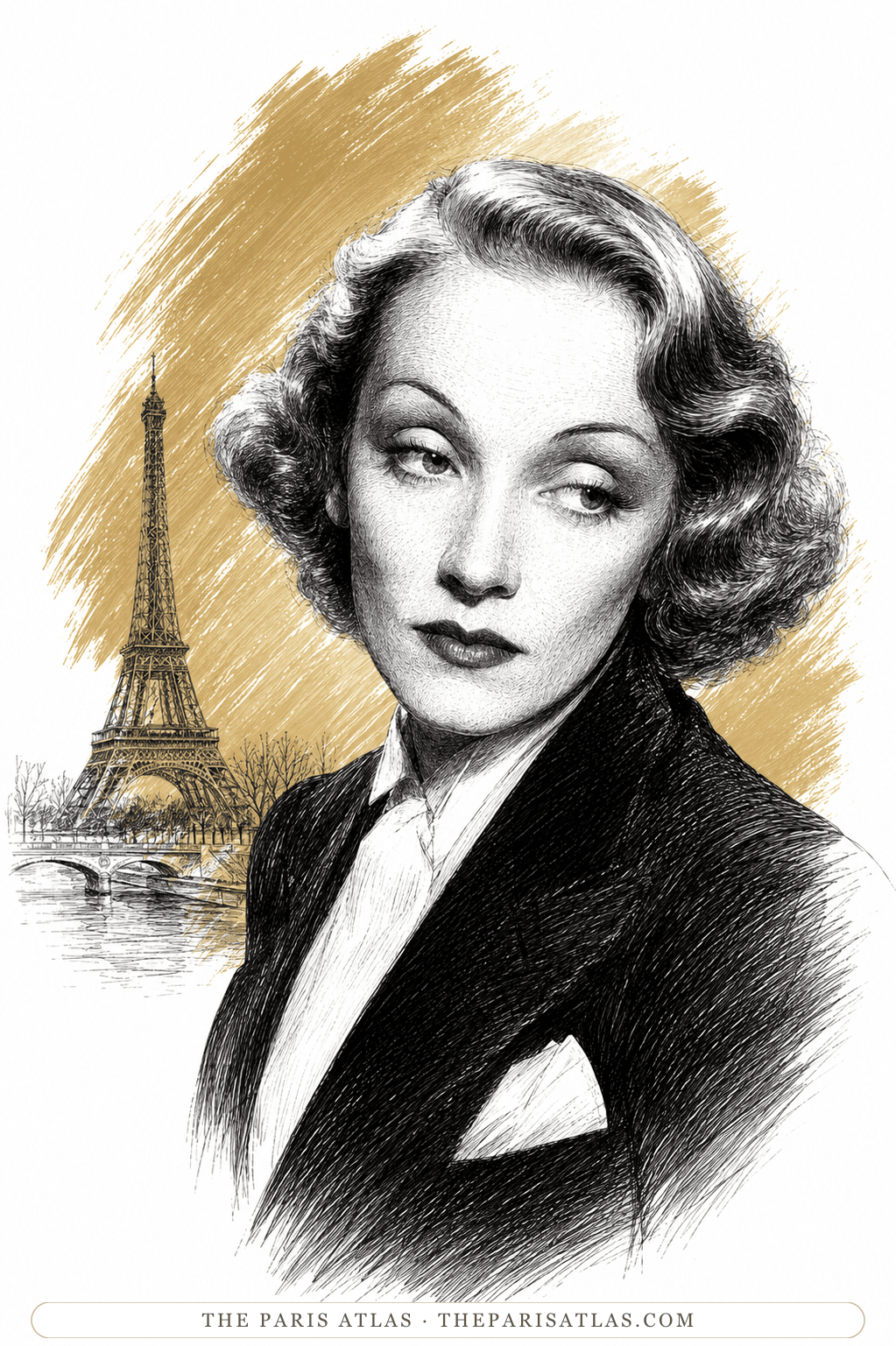
Collaborated with · 1936
Boyer and Dietrich starred opposite one another in The Garden of Allah (1936).

Boyer appeared at the Théâtre Michel in Charly during the Paris stage career that preceded his international film work.
Visit the place
Boyer trained at the Paris Conservatory during the Paris stage education that preceded his international film career.
Visit the placeMet · 1920
Boyer and Falconetti became close during his early Paris stage career, before Falconetti gave her defining film performance in The Passion of Joan of Arc.
Collaborated with · 1944–1948
Boyer and Bergman starred together in Gaslight (1944) and Arch of Triumph (1948).
Collaborated with · 1936
Boyer and Dietrich starred opposite one another in The Garden of Allah (1936).
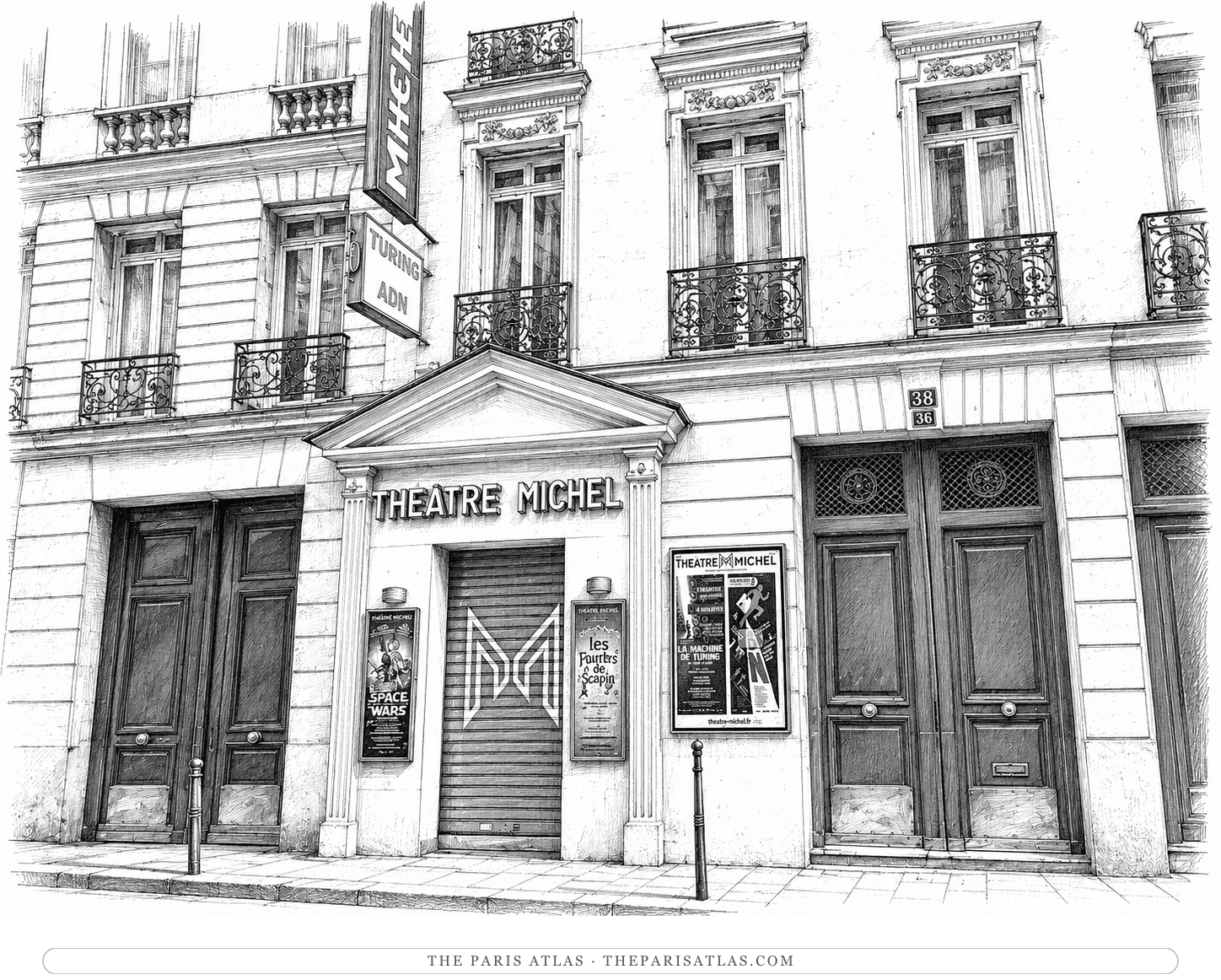
Performed at
Boyer appeared at the Théâtre Michel in Charly during the Paris stage career that preceded his international film work.
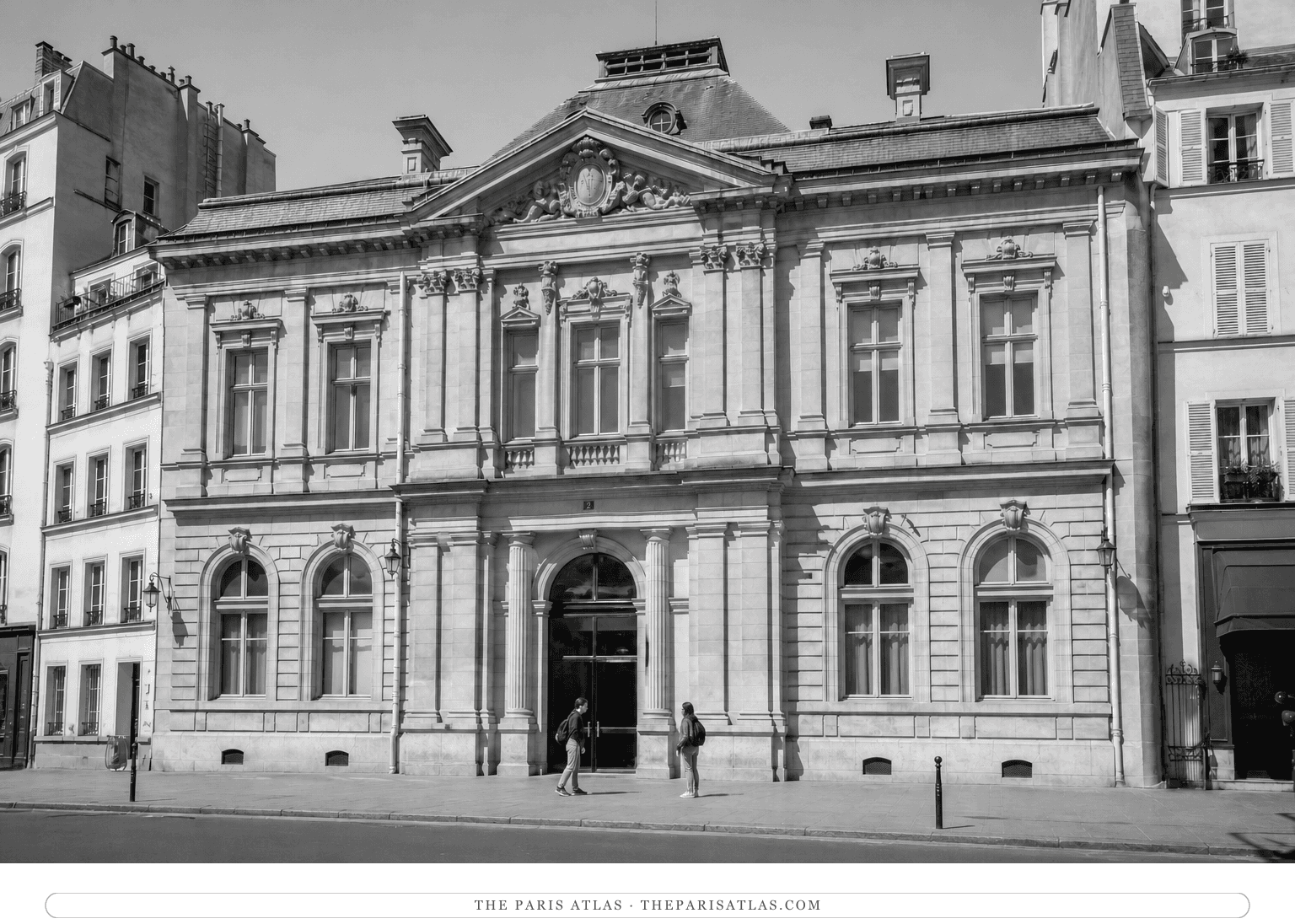
Studied at · 1917
Boyer trained at the Paris Conservatory during the Paris stage education that preceded his international film career.
The sources below include biographies, scholarly essays, interviews, and primary materials that informed this page. They reflect both the historical record and ongoing critical conversations about Charles Boyer and their work.


Academy database record used to check Boyer's competitive and honorary awards.
French national authority record confirming Boyer's identity and life dates.
Biographical profile covering Boyer's childhood, Paris training, screen career and private temperament.
Archival finding aid documenting Boyer's education, career, wartime cultural work, family and papers.
French theater record documenting Boyer in the 1921 Théâtre Antoine production of La Bataille.
Contemporary obituary covering Boyer's later career, family losses and death in 1978.
Official Academy record confirming Boyer's first Best Actor nomination for Conquest.
Official Academy record confirming Boyer's second Best Actor nomination for Algiers.
Official Academy account of Boyer's Special Award for the French Research Foundation.
Official Academy record confirming Gaslight's nominations and awards, including Boyer's third acting nomination.
Official Academy record confirming Boyer's fourth Best Actor nomination for Fanny.
BFI account supporting Mayerling's importance and Boyer's collaboration with Danielle Darrieux.
BFI programme record for Max Ophuls's Madame de....
BFI film record and synopsis for Madame de....
BFI film record for Boyer's late appearance in Alain Resnais's Stavisky....
BFI assessment of Alain Resnais and the postwar filmmaking tradition Boyer entered late in his career.
Criterion essay on the mixture of romance, comedy, melodrama and thriller in History Is Made at Night.
Criterion film essay and record for Boyer and Irene Dunne's Love Affair.

Turner Classic Movies account of Algiers and the Casbah line that Boyer never spoke.
John Baxter's full-length scholarly biography of Boyer.
Image record and public-domain rights information for a 1940 Boyer portrait; retained for future historical-media use, not the page hero.
Image record and rights information for a 1962 Boyer portrait; retained for future historical-media use, not the page hero.
Specialist Boyer biography and filmography retained from the earlier page research.
Specialist chronology of Boyer's Paris studies and early theater career.
Bibliothèque nationale de France catalogue record for John Baxter's Charles Boyer biography.
These references anchor the page in the documented record and in the scholarly conversations around Charles Boyer. Every claim on this page traces back to one or more of the works listed here.
 Explore more resources
 View source
 View source