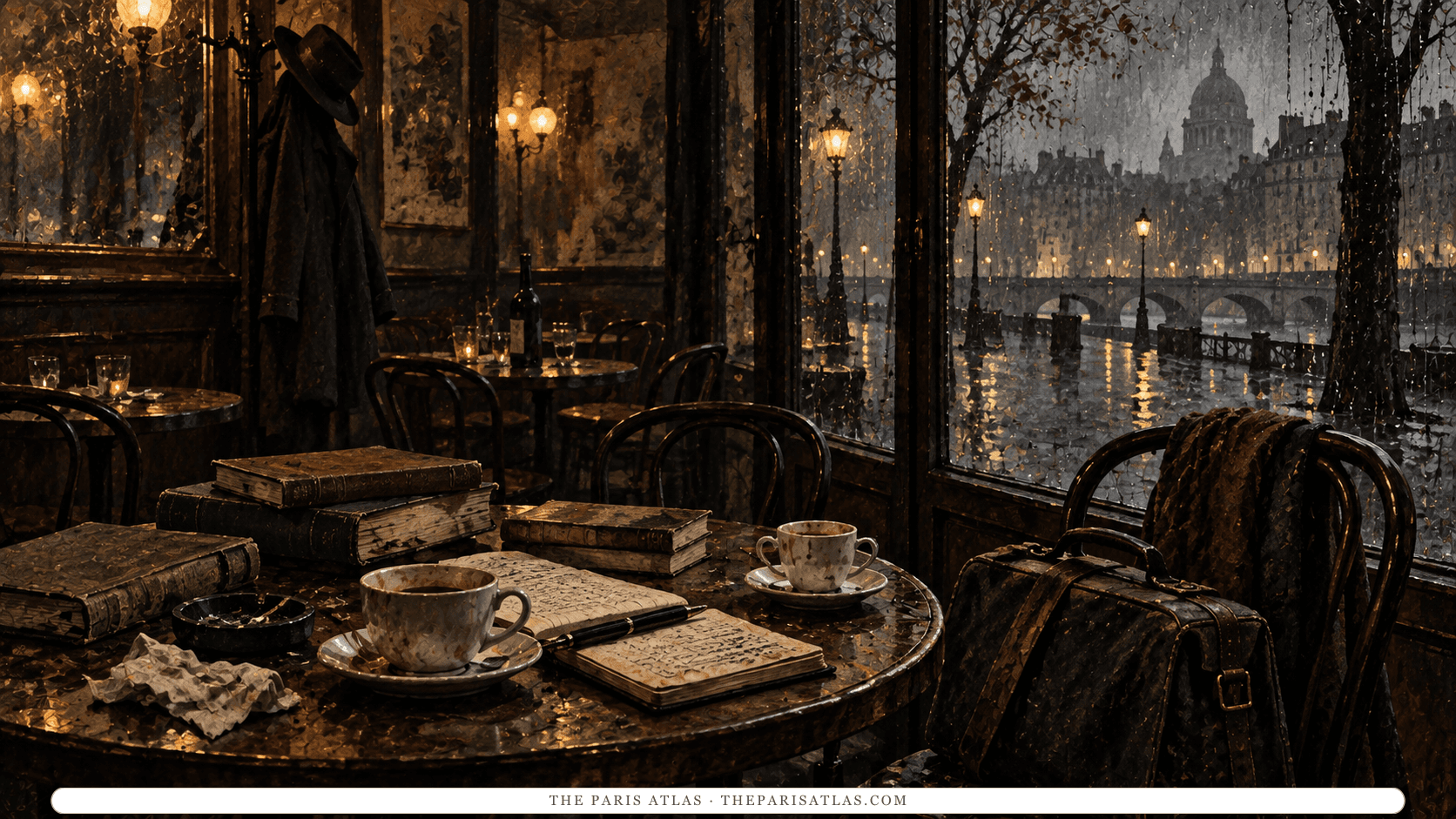
The essential Lost Generation shelf
Eight books that hold the whole era — the wound, the party, and the hangover.
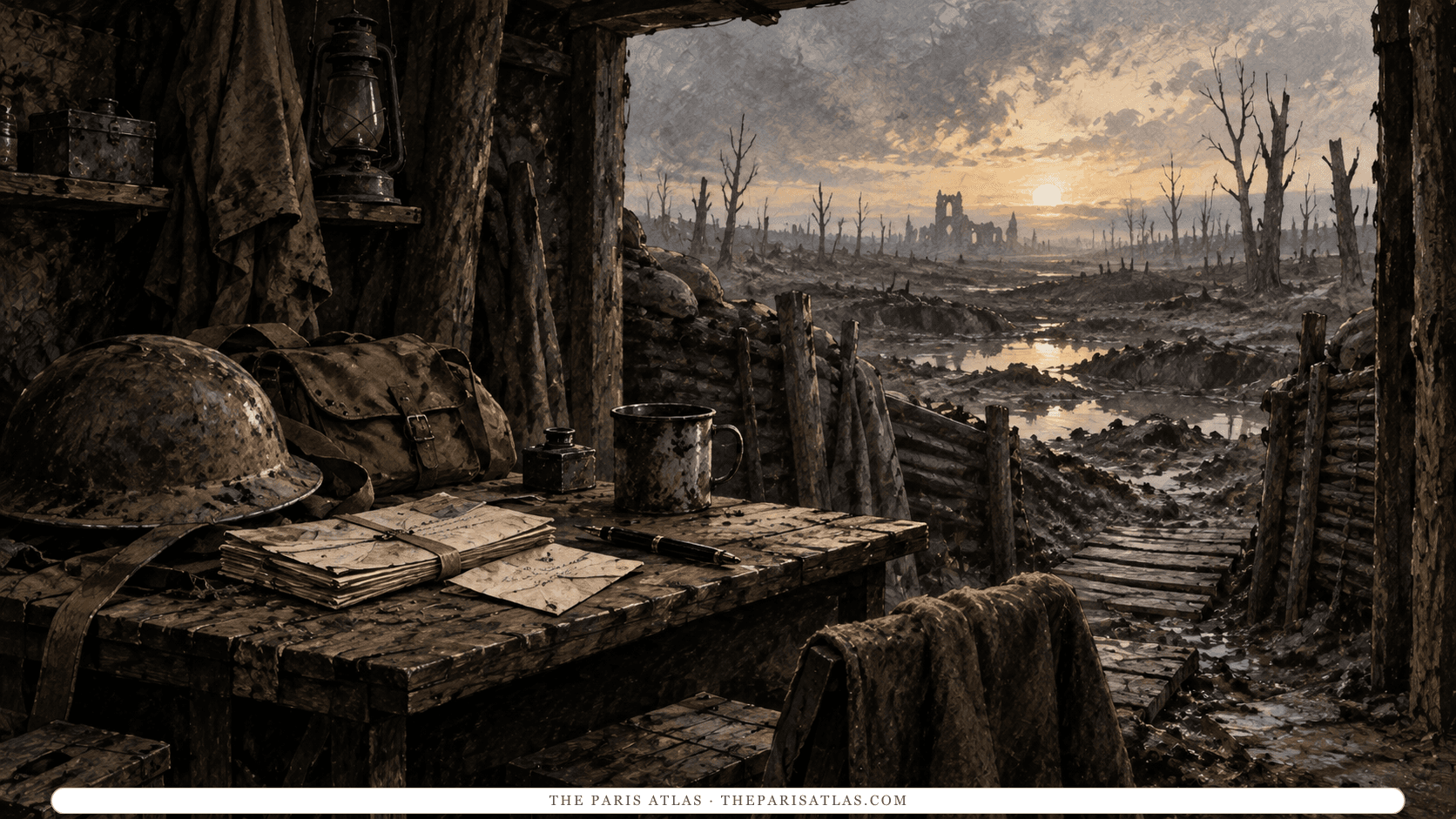
Every book on our shelves stands in the shadow of 1914–1918. The men who wrote them were wounded at Fossalta, decorated in Flanders, or left counting dead friends from a London desk — and the literature they made afterward begins with the discovery that the old vocabulary of glory had died with the myriad.
This is the war shelf: the books that face it directly, and the ones that carry it home. We've ordered them from the front line outward.

The front line
The front itself: ambulances, the retreat from Caporetto, and a love story conducted in the war's shadow. The most complete Great War novel in American literature, from a writer who carried its shrapnel.

The refusal
The war as lunacy, from the French line. Bardamu's opening chapters — enlisting on a whim, deciding within days that cowardice is the only sanity — are the most corrosive war writing of the century.

The epitaph
The elegy. 'There died a myriad, / And of the best, among them' — four stanzas that hold more grief than most trilogies, written for the friends who didn't come home to be disillusioned.

The war brought home. Between the Michigan stories run one-paragraph flashes of the front — and in 'Big Two-Hearted River,' a veteran fishes a burned landscape and the word 'war' never appears. It doesn't need to.

The aftermath
The peace. Jake's wound is the war's signature on every page of the expatriate party — this is what 'aftermath' looks like when nobody will say the word.

The long view: the survivors, forty years on, remembering what the war scattered them into Paris to become. Read last — it's the list's quiet epilogue.
Eight books that hold the whole era — the wound, the party, and the hangover.
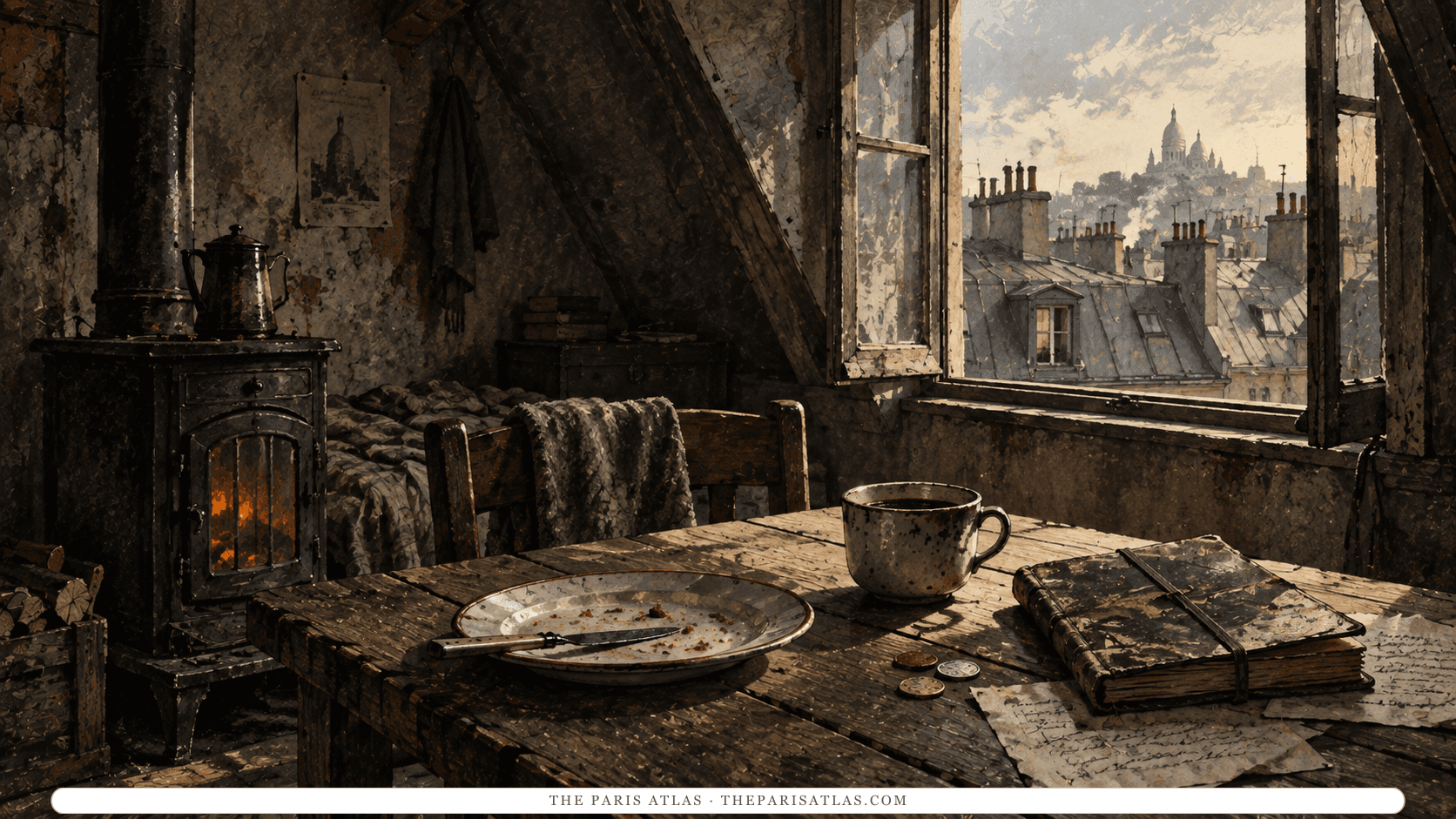
The expatriate city as it was actually lived — cafés, cold flats, and hunger as a muse.
The sources below include primary texts, publication records, archives, and literary history used to frame this reading list and its selections.
Contemporary publication record used for A Farewell to Arms and its First World War setting.

Primary text used for Céline's corrosive account of the Western Front and its aftermath.
Archival context used for Ezra Pound and the war elegy represented by Hugh Selwyn Mauberley.
Hemingway's own account of his working method, used for the early fiction shaped by the war.
These references document the historical and bibliographic context behind the list. The ordering and recommendations remain editorial judgments by The Paris Atlas.
 Explore more resources
Newsletter
One book, one honest argument for it, and what to read next. Written by a person, sent on Fridays.