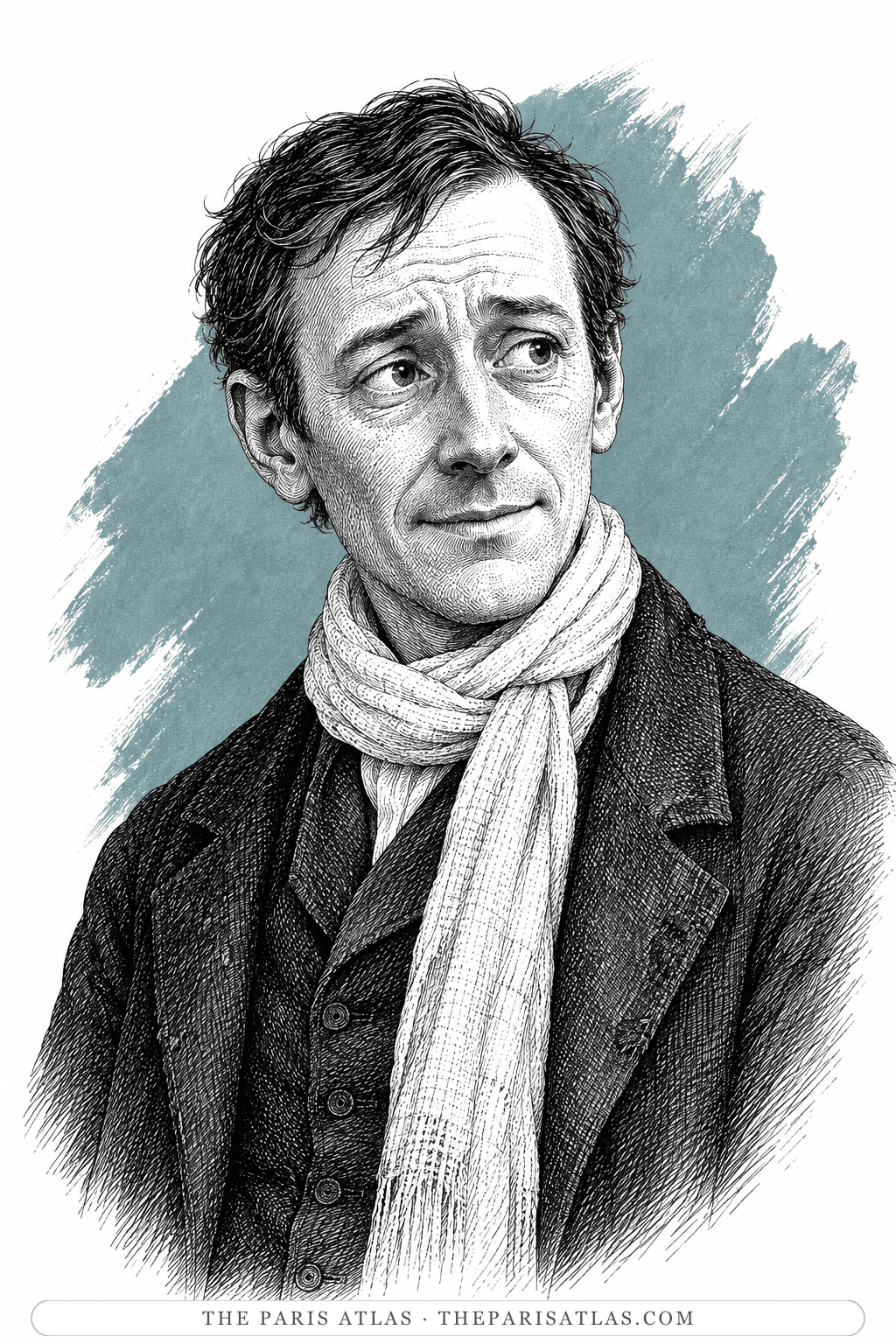
Bob Cratchit
Scrooge's poorly paid clerk, whose family life reveals both affection and the material costs of his employer's stinginess.
He wants to support his family, preserve their shared happiness and see Tiny Tim grow stronger.
The book

Who they are in the book
Spoiler-freeBob's cheerfulness exists alongside cold, insecure work and worry for his children. Dickens gives him pleasures and loyalties that exceed the role of a suffering employee.
How Bob Cratchit Is Portrayed
- Applauding at a costIn Stave I, Bob applauds Fred's defense of Christmas and is threatened with dismissal. His instinctive agreement reveals values he cannot safely express in the workplace.
- Claiming pleasure after workIn Stave I, he slides on Cornhill with a group of boys before running home to play. The brief release of energy shows a life outside the cautious manner Scrooge requires.
- Carrying Tim homeIn Stave III, he brings Tiny Tim from church on his shoulder and repeats the child's thoughts to the family. His trembling voice unsettles his claim that Tim is growing strong, revealing fear beneath his effort to reassure the family.
- A toast the family resistsIn Stave III, he proposes Scrooge as the founder of the feast. His wife's anger and the children's reluctant response prevent the gesture of goodwill from excusing the employer's treatment of them.
- Grief behind reassuranceIn the future shown in Stave IV, he tries to speak cheerfully before breaking down over Tim. He values Fred's sympathy for its manner, not merely possible assistance, and asks the children to remember their brother through kindness.
- A raise that first sounds alarmingIn Stave V, he arrives late expecting a reprimand and briefly fears Scrooge has lost his senses when offered more money. The surprise shows how thoroughly the old conditions of work have shaped his expectations.
If you like A Christmas Carol


If you like Charles Dickens
Explore authors with a similar voice, perspective, and influence.
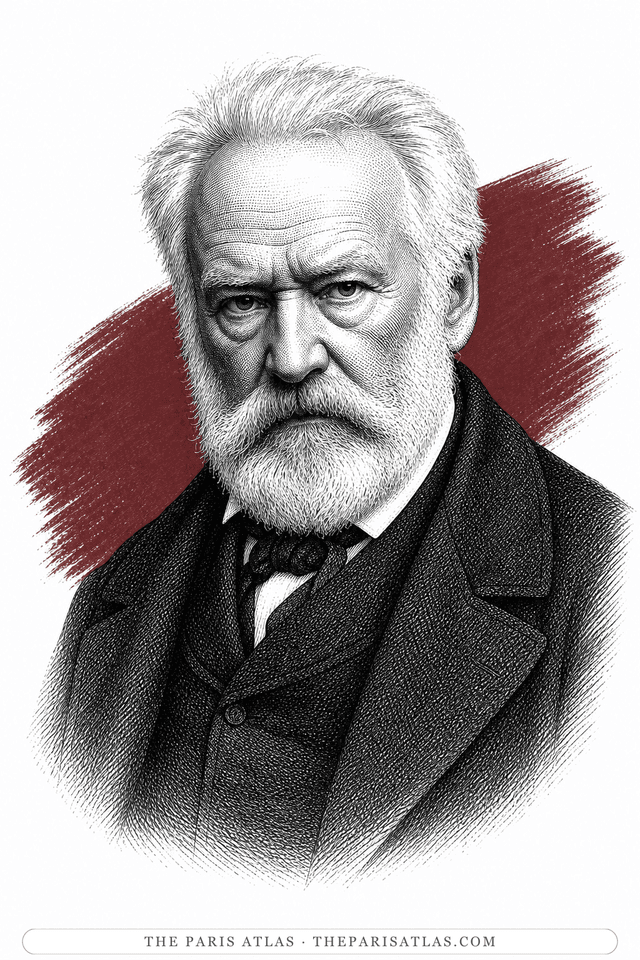
Victor Hugo
Poet, novelist and playwright who spent sixteen years in an apartment on the Place des Vosges that is now his museum, wrote a novel about Notre-Dame that shamed France into repairing the cathedral, spent nineteen years in exile for opposing the emperor Napoleon III, and was buried in the Panthéon — the Paris monument where France buries its most honoured dead — in 1885 after a funeral that brought roughly two million people into the streets of Paris.
View author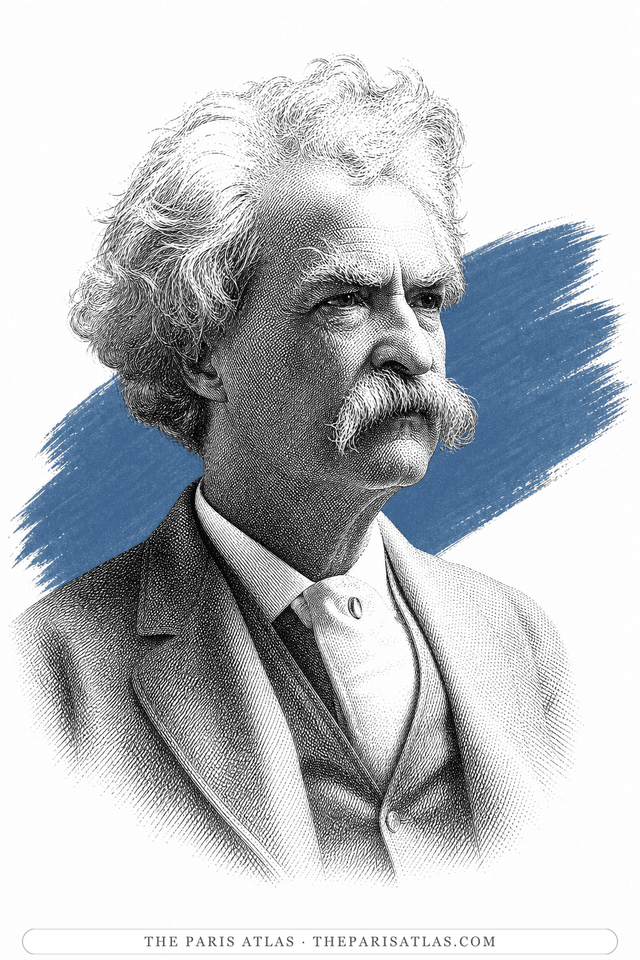
Mark Twain
The Missouri newspaperman who became America's most famous writer, and whose first book made its reputation partly out of Paris: in 1867 he arrived with a shipload of American tourists, renamed his guide Ferguson, watched the high-kicking can-can through his fingers and wrote it all down. He kept coming back — and was living in Paris in the mid-1890s, broke, while finishing the novel he considered his best, Personal Recollections of Joan of Arc.
View author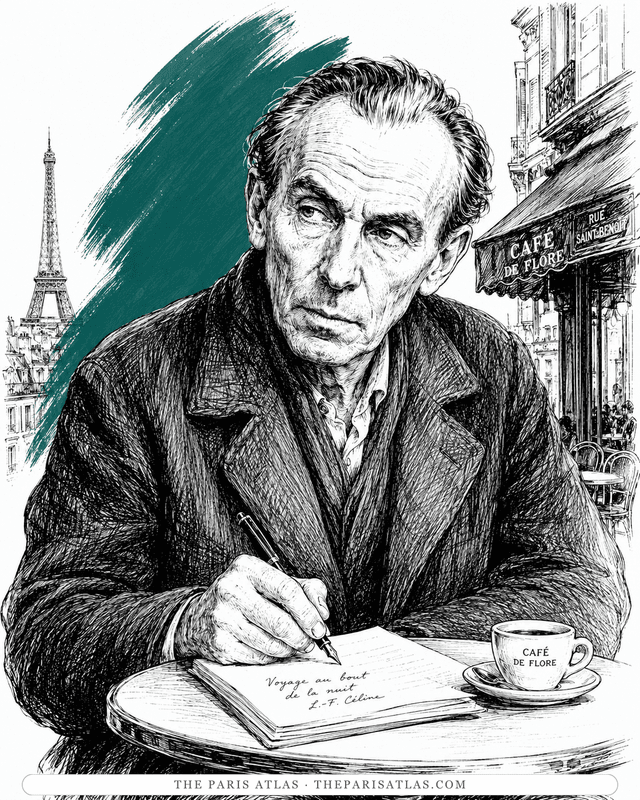
Louis-Ferdinand Céline
The doctor of the Paris slums who wrote the century's blackest, funniest novel — and changed the sound of French prose.
View author