
Mary Seton
The narrator’s friend at Fernham, who teaches science and discusses the college’s finances.
The book

Who they are in the book
Spoiler-freeMary Seton is the narrator's friend at Fernham, the imagined women's college in Virginia Woolf's A Room of One's Own. Their conversation follows a disappointing dinner and turns toward the history of the college's finances. Seton helps the narrator connect the quality of an evening's intellectual life with the money available to support it.
Why an ordinary meal matters
The narrator has already eaten an elaborate lunch at a wealthy men's college. Fernham's plainer meal creates a comparison that can be felt before it is explained. The difference concerns comfort, pleasure, and the ease with which conversation continues. Woolf treats these as conditions of thought, rather than irrelevant luxuries surrounding it.
Seton's presence gives the discussion a particular audience. The narrator is talking with someone whose college has had to raise money under very different circumstances. The scene shifts from a guest's dissatisfaction toward an inquiry into how institutions acquire their resources.
The mother's thirteen children and the missing fortune
The narrator speculates about what might have happened if Seton's mother had earned and endowed a fortune. That speculation runs into another fact: Mrs. Seton raised thirteen children. Time spent bearing and raising a family could not simultaneously be spent establishing the business empire the narrator imagines.
The example changes the question from why women failed to give their daughters wealthy colleges to what prevented them from accumulating wealth. Legal restrictions, limited earning opportunities, and family labor belong to the same explanation. The narrator's initial fantasy of a rich mother becomes an account of why such a mother could not simply be wished into existence.
A conversation that makes an institution legible
Seton is not developed through a long private history. Her significance comes from the conversation she makes possible. The college's rooms and meals begin to disclose the labor and fundraising behind them, while the wealth of the men's college becomes something that also requires explanation.
She should be distinguished from the historical women involved in founding women's colleges and from the narrator's aunt, Mary Beton. Woolf uses an imagined friend and family to organize an argument. Giving Seton an unsupported career or biography would obscure that function rather than make her more fully understood.
Sources and passages
- Virginia Woolf, A Room of One's Own, Chapter One
Primary text: the dinner at Fernham, conversation with Mary Seton, fundraising, and speculation about Mrs. Seton's possible fortune.
How Mary Seton Is Portrayed
- A science teacher and hostAfter the college dinner, Mary Seton receives the narrator in her sitting room. She teaches science and provides a place for private conversation.
- An effort to restore conversationMary Seton produces a bottle and small glasses from a cupboard. The friends sit by the fire, and their talk becomes easier after the plain college meal.
- Knowledge of the fundraising effortMary Seton describes the letters, meetings, and appeals needed to establish the college. Her account contrasts that difficult effort with the wealth behind older institutions.
- A family history behind the questionThe conversation turns to Mary Seton’s mother, her thirteen children, and family memories of Scotland. The friends examine why those mothers could leave little money to a college.
If you like A Room of One's Own


If you like Virginia Woolf
Explore authors with a similar voice, perspective, and influence.
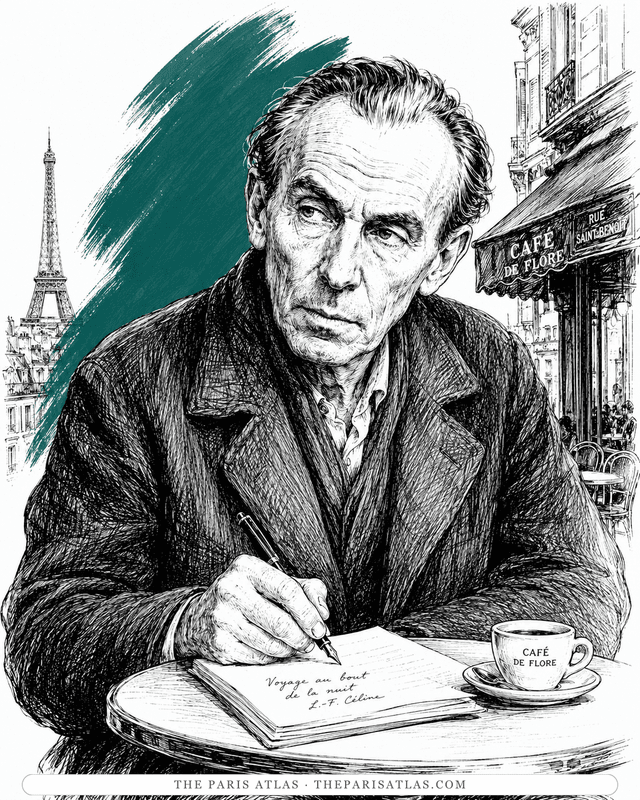
Louis-Ferdinand Céline
The doctor of the Paris slums who wrote the century's blackest, funniest novel — and changed the sound of French prose.
View author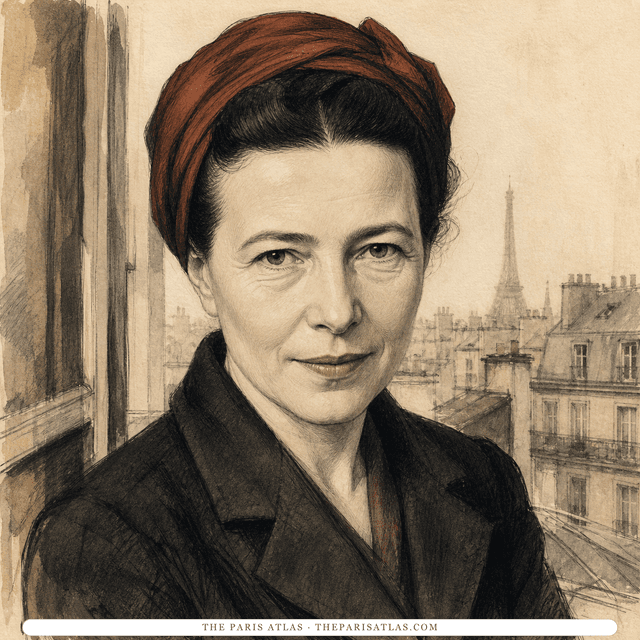
Simone de Beauvoir
French writer and philosopher whose novels, memoirs, and social analysis examined freedom, gender, responsibility, aging, and the material conditions that shape a life.
View author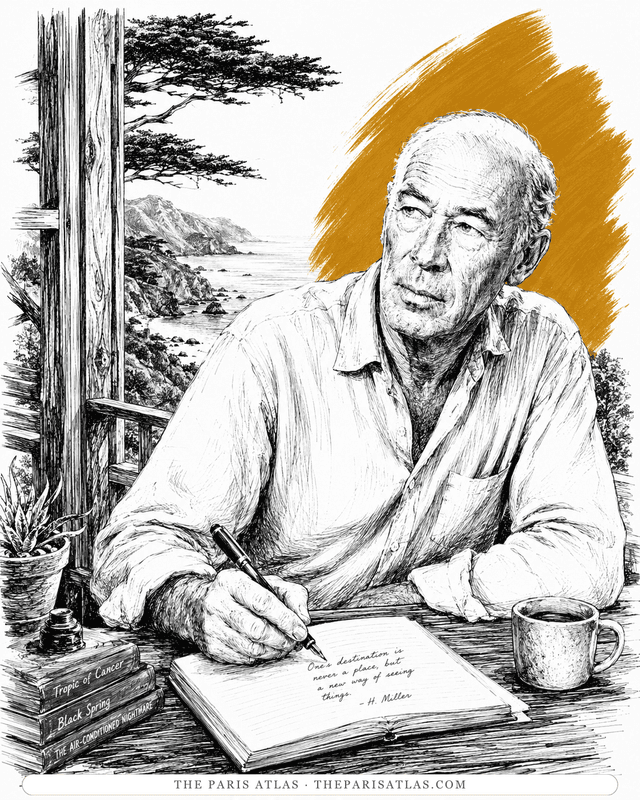
Henry Miller
The Brooklyn dropout who arrived in Paris broke at thirty-eight and wrote the exuberant, banned books that ended American censorship.
View author